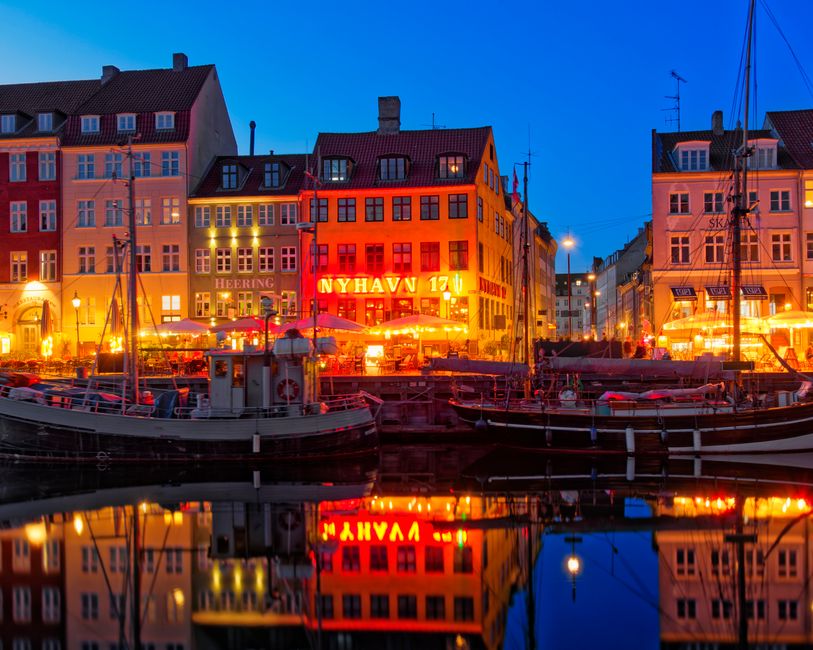
Copenhagen rewards travellers who slow down and look closely. Its design story is not limited to furniture galleries or polished interiors; it appears in harbour edges, palace gardens, cycling streets and carefully planned public spaces. This route connects the city’s most stylish districts without turning the weekend into a checklist.
How to Shape the Weekend Around Water and Gardens
Use a simple geographic order
- Begin with the royal quarter. Walk through King’s Garden, continue towards Rosenborg Castle, then move north to Amalienborg Palace and the waterfront. This sequence starts with greenery and architecture before the harbour becomes your visual focus.
- The best photographs often come from the edges of the district.
- Save the baths for a flexible window. Harbour bathing works best when the weather, energy and water temperature suit you. Keep it as an option rather than the fixed centre of the day.
- Finish in Christianshavn. Cross the canal, follow the quieter streets and let the route end with dinner or an evening walk near the water.
This order prevents a common mistake: treating every attraction as a separate mission. Copenhagen’s pleasure comes from the transitions. A palace garden leads to a residential street; a narrow lane opens towards the harbour; a formal square gives way to open water.
Leave space between the landmarks
Plan only one major arrival point in each part of the day. The gaps are not wasted time. They are where you notice balconies, paving, bridges, lamps and small courtyards that explain Copenhagen’s design character better than a hurried indoor visit.
Why Nyhavn Works Best as a Starting Point, Not the Whole Trip
The polished image has a useful limit
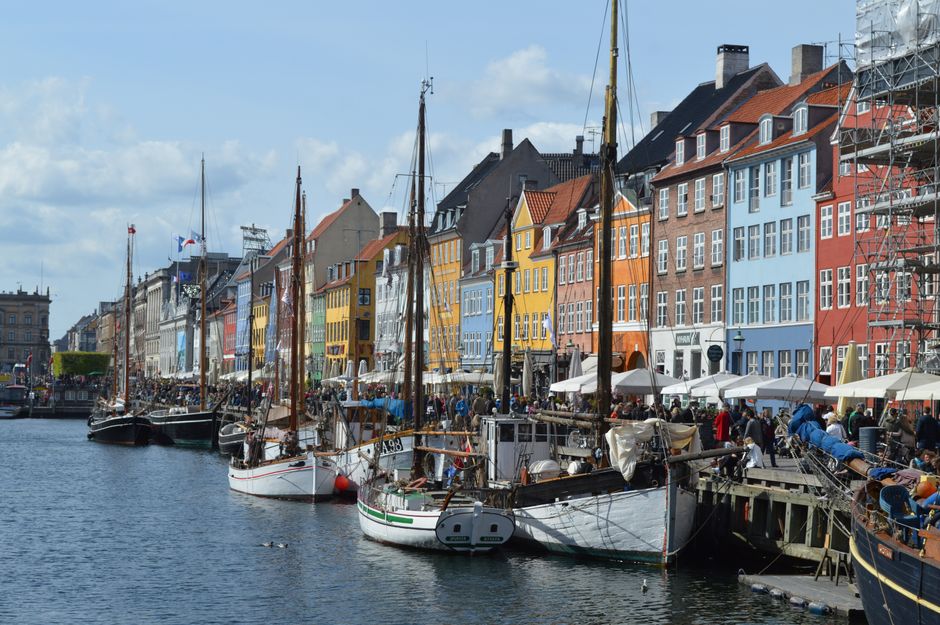
Walk both sides before making a judgement. The southern side gives you the classic view across the water, while the northern side offers a better sense of the narrow building fronts and changing light. Then continue towards the inner harbour. The city becomes more spacious and less theatrical as the restaurant terraces thin out.
Look beyond the postcard angle
Notice how Nyhavn connects to the larger waterfront system. Bridges, quays, ferries and open public edges make the harbour feel like part of daily life rather than a decorative backdrop. That contrast is the reason the district works so well in a design itinerary. It introduces colour and history, then pushes you towards Copenhagen’s quieter, more functional relationship with water.
For the strongest visit, arrive in the morning or late afternoon, take your photographs, and move on while the area still feels fresh. Save the evening for a less concentrated neighbourhood.
Which Season Gives Copenhagen the Best Style Weekend?
Is spring the easiest choice?
Yes. Spring gives the royal gardens a fresh, structured look, with softer light and enough daylight for long walks. It is the best season for travellers who want to combine gardens, architecture and harbour views without building the entire plan around indoor stops.
Does summer always win?
Summer offers the strongest harbour atmosphere. Outdoor life expands, the waterfront feels social, and a swim can become the natural break between sightseeing blocks. The trade-off is a busier centre and less privacy at the most famous viewpoints. Start early and use the busiest places as short stops.
What about autumn and winter?
Autumn suits a quieter, more editorial mood. Wet pavements deepen the colours around Nyhavn, and the gardens feel more restrained. Winter works for travellers who enjoy museums, candlelit rooms and brisk walks between cafés. The harbour baths become a deliberate activity rather than an incidental one.
What to Do When the Weather Turns
Build a weather-proof version before you arrive
Copenhagen’s wind and rain can change the feel of a waterfront route quickly. The answer is not to abandon the city’s design theme. Move the emphasis indoors for a few hours, then return outside when the weather breaks.
- Start with a palace interior or museum visit near the centre, then walk through King’s Garden when the rain eases.
- Use covered passages, cafés and historic streets as links between districts rather than waiting in one crowded attraction.
- Keep the harbour bath optional. Cold rain, strong wind or poor visibility can turn a graceful pause into an uncomfortable obligation.
- Carry a compact rain layer and shoes that cope with wet paving. A stylish route still needs practical footing.
The mistake to avoid
Do not schedule every outdoor stop back-to-back. A weather-proof itinerary needs a place where you can pause, warm up and change direction. The city is compact enough to recover from a missed viewpoint. It is less forgiving when a tightly packed plan leaves you cold, tired and determined to rush the rest.
The best fallback is a shorter loop: one indoor cultural stop, one garden or square, one harbour walk if conditions improve. That keeps the weekend recognisably Copenhagen rather than turning it into a series of emergency decisions.
Local Mistakes That Flatten the Experience
Do not confuse central with complete
Add Christianshavn or Vesterbro so you can see how the city changes from ceremonial to residential and from historic to creative.
Do not over-plan the harbour bath
Swimming in the harbour is memorable because it feels integrated into city life. It loses that appeal when treated as a compulsory challenge. Check the conditions locally, follow posted safety guidance and choose a supervised bathing area when available. If the water or weather feels wrong, walk the harbour instead. The experience still works.
Do not treat cycling as a performance
Copenhagen’s cycle culture is part of its design identity, but visitors should not rent a bicycle simply to prove they can cover more ground. Pedestrians, cyclists and turning lanes require attention. Walking is the better choice for a first visit focused on details, photographs and architecture. Use public transport or a taxi when the route crosses several districts in poor weather.
Finally, avoid chasing every famous viewpoint. A calm street near the water can be more revealing than another crowded square.
A Three-Day Route That Leaves Room to Wander
Day one: royal Copenhagen
Begin with King’s Garden and Rosenborg Castle, then walk towards Amalienborg Palace. Continue to the waterfront and finish at Nyhavn in the late afternoon. This is the most architectural day, with formal gardens, palace spaces and the canal’s colourful façades. Keep the evening open for a quiet walk rather than adding another distant attraction.
Day two: harbour life
Cross towards Christianshavn and follow the canals before moving to the harbour baths. Treat the swim as optional and give yourself time to sit beside the water. Later, return through the inner harbour or cross a bridge towards the centre. This day should feel less curated than the first. Let the water, bridges and changing streets set the pace.
Day three: neighbourhood contrast
Choose Vesterbro for cafés, galleries and a more contemporary street rhythm, or remain in Christianshavn for canals and slower views. Return to the royal quarter only if you missed a garden or interior. The strongest final day is not another grand circuit. It is a short walk through a district you have not yet understood.
| Day | Core area | Best mood | Keep flexible |
|---|---|---|---|
| One | King’s Garden, Rosenborg and Amalienborg | Formal and historic | Evening route |
| Two | Christianshavn and the harbour | Open and local | Bathing conditions |
| Three | Vesterbro or a second canal walk | Creative and unhurried | Final café or gallery stop |
Copenhagen is at its most convincing when the plan has structure but the day still has room to change. Base yourself well, walk from royal gardens to open water, and let Nyhavn be the bright opening note rather than the entire song.
