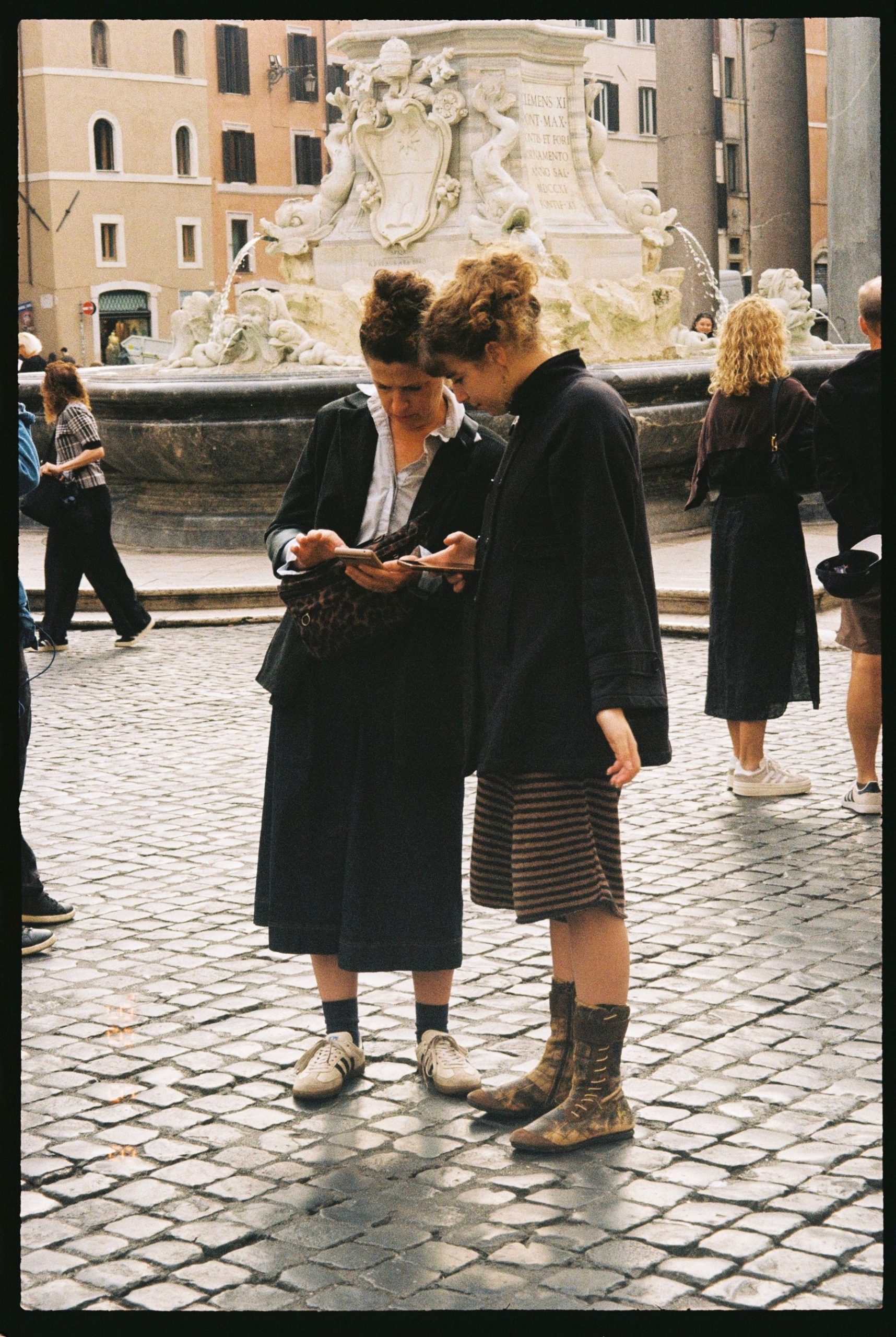
You land in Rome at 10:40 a.m., drop your bag at the hotel, and still have the Colosseum, Trevi Fountain, Pantheon, and Trastevere on the schedule before dinner. The plan looks efficient on paper. By 6 p.m., you are checking opening hours, watching the clock, and eating near the next attraction instead of enjoying the meal in front of you.
Good travel pacing means planning fewer fixed commitments and protecting the time between them. A relaxed itinerary is not empty. It gives each important place enough time, allows for delays, and leaves room for the small discoveries that never appear in a search result. The same basic rule applies to travel spending: a cheaper plan can cost more when it wastes paid time, transport money, and energy.
How many activities fit in one travel day?
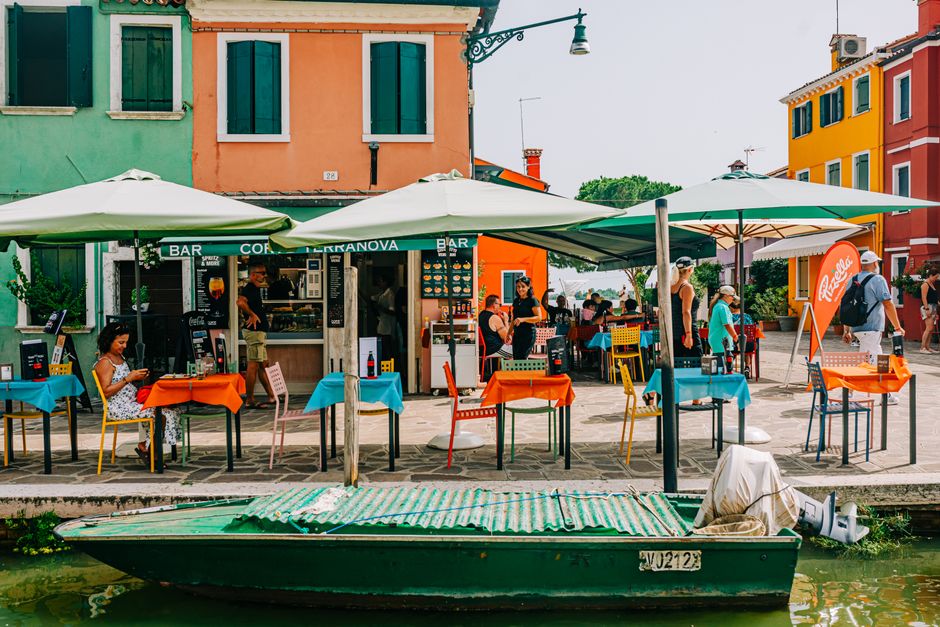
My clear recommendation is two major anchors per full travel day. An anchor is an activity that needs a ticket, a reservation, a long journey, or a specific arrival time. Most travelers can add one small neighborhood stop or flexible meal around those anchors. Three major attractions can work in a compact city, but only when they sit close together and none requires a long security line.
Use the two-anchor rule
Calculate usable time, not hotel time
A 12-hour day rarely gives you 12 useful hours. Remove 90 minutes for breakfast and getting out the door, 60 to 90 minutes for dinner, 45 minutes for local transport, and at least 30 minutes for pauses. A normal sightseeing day may leave six to eight usable hours. If each anchor takes two hours and each transfer takes forty minutes, your calendar is already full before shopping, queues, or weather enter the picture.
For a first visit, choose two paid or time-sensitive stops and let everything else stay optional. That is the winning pace for most travelers because it protects the places they paid to see without turning every street corner into a deadline.
One base or several cities: which itinerary wastes less time?

Moving hotels looks productive because the map shows another destination, but every move carries a hidden bill. Pack, check out, reach the station, wait, travel, find the new hotel, and check in. A three-hour train ride can consume five or six hours of the day once the full door-to-door process is counted.
Compare the real cost of each travel style
| Plan type | Hotel changes | Typical transfer loss | Best use |
|---|---|---|---|
| One base | 0 | 30 to 90 minutes per day | Deep visits, families, slower trips |
| Two bases | 1 | 4 to 6 hours total | Two nearby regions or cities |
| Three bases | 2 | 8 to 12 hours total | Long trips with major rail links |
| Four or more bases | 3 or more | One full day or more | Only when transport is the main experience |
Set a transfer threshold
Free planning services can help with the arithmetic. As of 2026, Google Maps offline map downloads cost $0, Citymapper offers free core route planning in supported cities, and Rome2Rio provides free basic route searches. They do not remove delays or guarantee service, so check the operator timetable before booking a timed attraction. Bottom Line: one extra hotel night often buys more usable sightseeing time than one extra city on the itinerary.
Build each day around anchors, not a checklist
A checklist treats every attraction as equal. Real destinations do not work that way. The Uffizi may deserve three hours, while a famous bridge may need fifteen minutes and a good angle. A market may be best at 8 a.m., while a hilltop view may be better near sunset. Pacing improves when the schedule follows the character of the place instead of forcing every item into identical blocks.
Choose the day’s fixed point
Start with the one experience that would genuinely disappoint you if you missed it. Put that anchor at the time when it works best, not automatically at the first available slot. A food market belongs near breakfast or lunch. A garden needs daylight. A major museum may be easier during the first entry window or during a late opening. Once the fixed point is placed, add only one nearby commitment on the same day.
Keep the route geographically tight. A useful target is no more than 30 minutes of one-way local travel between anchors. Group the Old Town, central market, and main cathedral together. Put a distant palace or beach on a different day. The objective is not to minimize every walking minute. It is to prevent the repeated mental reset that comes from changing neighborhoods five times.
Leave white space with a purpose
Unscheduled time should have a job. Label it lunch, rest, weather cover, wandering, laundry, or a backup museum. A three-hour blank block is easier to protect when the plan says exactly why it exists. If the morning runs late, use that block to absorb the delay. If the day runs smoothly, spend it at a café, in a park, or on a street that looked interesting from the tram.
This method also improves spending. You are less likely to pay for an expensive taxi because a crowded train made the next reservation impossible, and less likely to buy a poor meal beside an attraction because the schedule left no time to choose. The relaxed day is not a luxury add-on. It is the structure that keeps small problems from becoming expensive ones.
Use a 15-minute pacing budget before you book
Use a simple go-or-cut rule
If arriving at the next stop would leave less than 60 percent of its planned visit time, cut it. A museum planned for two hours is rarely worth entering for 45 rushed minutes, especially when the admission fee is nonrefundable. Move it to a flexible day or accept that it belongs on a future trip.
Do not trust map distance alone
Two locations may sit 1.5 miles apart and still require 45 minutes because of hills, bridges, crowds, or limited crossings. A route that looks short on Google Maps may feel long with luggage or children. Use walking time for the slowest person in the group, then add ten minutes. The best schedule survives normal friction instead of assuming perfect conditions.
Travel pacing questions with practical answers
Most pacing problems come from reasonable questions answered with overly optimistic assumptions. The answers below favor usable time over impressive itinerary totals.
Should I plan a full schedule for a short trip?
No. A two-night trip needs one major anchor per full day and one flexible neighborhood plan. A short visit has less room for recovery when luggage storage fails, rain closes a viewpoint, or a delayed flight removes the first evening. Schedule the activity you would regret missing, then build around its location. A second major anchor belongs only on a day with short transfers and a strong backup plan.
How much free time should I leave?
Leave 20 to 25 percent of waking sightseeing time unassigned. On a ten-hour day, that means two to two and a half hours. Split the buffer instead of placing it all at night: 30 minutes after breakfast, 45 minutes around lunch, and at least 45 minutes before dinner or the final timed event. Small buffers are easier to protect because they feel like part of the plan rather than wasted space.
Is a guided tour faster than exploring alone?
Sometimes, but speed is not the only measure. A guided tour can reduce ticket confusion and route planning, yet a three-hour group tour may include stops you would skip. Choose one when the site has complex history, difficult entry rules, or a large area that needs transport. Explore alone when you want control over breaks, food, or photography. The clear winner for most first-time visitors is a guided tour for one complex site, followed by a self-directed afternoon.
What to cut when a trip starts feeling rushed
Cut the third major attraction first, then the cross-city transfer, then the shopping list. Keep the experience that gives the day its identity. A relaxed itinerary with two memorable stops beats a crowded itinerary with six blurred memories.
Remove low-value movement
Delete any stop that exists mainly because it sits between two map pins. A viewpoint that requires 70 minutes of travel for ten minutes on site is a weak use of a paid travel day unless the view is the main reason for the trip. Replace it with a nearby street, café, market, or park that keeps the day in one area. This change often saves transport fares as well as energy.
Keep one meaningful surprise
Do not fill every open block after cutting. Keep one unscripted choice: a local bakery, an extra room in a museum, a swim before dinner, or a return to the place that felt best. That choice gives the day a human shape. The most important travel pacing tip is simple: plan enough structure to protect your priorities, then leave enough time to actually experience them.
