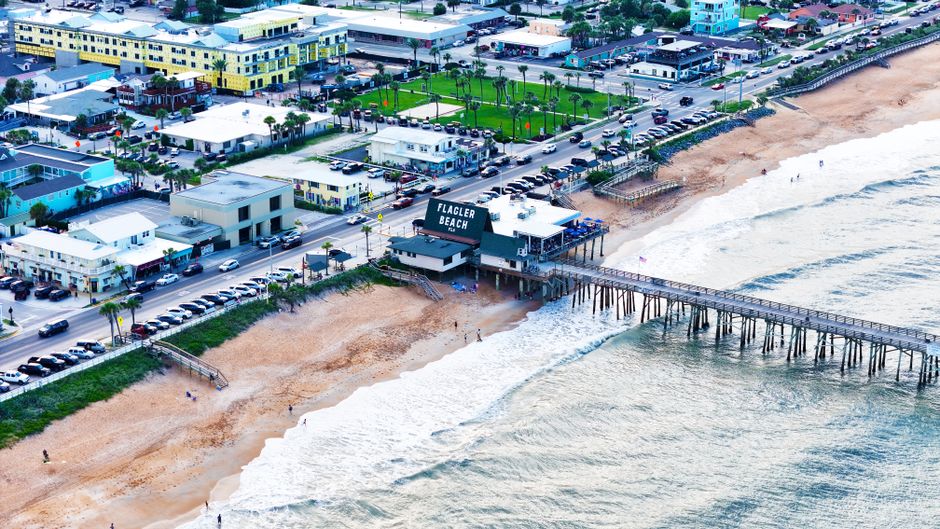
A fish or shrimp taco in Puerto Vallarta costs about 25–45 MXN in 2026, yet the best food often sits several streets away from the most expensive beach restaurants. That price gap explains the central rule for a food-first coastal trip: choose the neighborhood before choosing the hotel.
How to pick a beach town with genuinely local food

The strongest coastal Americas getaways give you three things within one practical loop: a swimmable beach, a working market, and local restaurants used by residents. A beautiful shoreline alone is not enough. If every meal requires a taxi, you will spend more, eat more tourist food, and lose time that should go toward the water.
Start with the food radius
Draw a 1.5-kilometer radius around the beach you plan to use most. Inside that circle, look for a public market, a bakery or breakfast counter, a seafood neighborhood, and at least one evening street with casual restaurants. A market matters because it shows what people actually buy for daily meals. It also gives you a cheap first lunch while you learn local prices.
Check the beach before booking
Separate a scenic beach from a useful beach. Strong surf, sharp rocks, heavy boat traffic, or poor shade can make a famous stretch unsuitable for a relaxed swimming day. For most travelers, the winning setup is a calm morning beach near town, followed by a market lunch and a more scenic sunset beach reached by short local transport.
Pick the right trip length
Use four nights for one town and seven nights for two nearby bases. Moving every two days sounds efficient but usually destroys the food part of the trip. You need repeat visits to notice which stalls have turnover, which dishes sell out early, and which restaurants locals return to after work. My clear pick is one walkable base with two distinct beaches nearby, not a resort isolated from town.
Which coastal Americas getaway fits your trip?
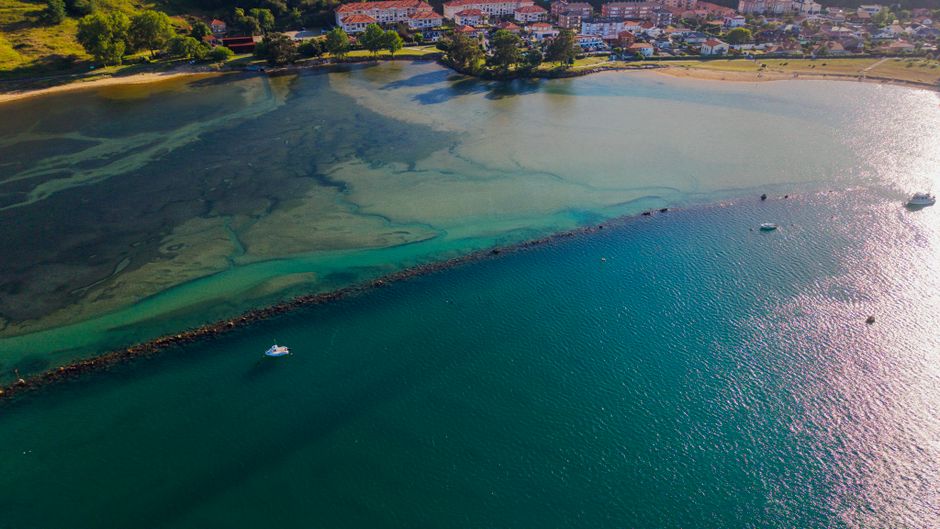
Choose Puerto Vallarta for the easiest first trip
Puerto Vallarta wins for travelers who want to combine a walkable old town, reliable restaurant choice, and beaches that vary from urban swimming spots to quieter coves. Street tacos can cost far less than a marina dinner, while Boca de Tomatlán gives you access to boat-served villages and smaller beaches.
Choose Cartagena only if you plan the water days
Cartagena has excellent Caribbean cooking, but the city beaches are not its strongest feature. Pick Cartagena for its food, architecture, and history, then reserve time for the Rosario Islands or another organized coastal day. The official Cartagena tourism and city information, Puerto Vallarta tourism guide, Oaxaca coastal route guide, and Bahia tourism information are useful for checking current access and local events.
How to build a four-day beach-and-food itinerary
A good itinerary alternates effort and recovery. Do not schedule a boat trip, a long bus ride, and a late restaurant reservation on the same day. The following four-day structure works in Puerto Vallarta, Puerto Escondido, Salvador, or Cartagena with local adjustments.
Keep one flexible meal each day
Reserve lunch or dinner without a fixed booking. That open slot lets you follow a market recommendation, try a regional snack, or return to a place that surprised you. The best food memories often come from the second visit, when you know what to order.
Set a daily cash limit
Carry enough local currency for two casual meals, transport, and a small emergency buffer. A practical starting point is $35–$60 per person per day for food and short rides in Mexico or Colombia, with higher spending in major tourist districts and lower spending at neighborhood counters.
How to eat local food without wasting a meal
The safest and most rewarding approach is not to chase a long list of famous restaurants. It is to watch how a place works. Food quality on a coastal trip depends on turnover, storage, timing, and local demand. A busy stall with a short menu can beat an empty restaurant with an ocean view because the ingredients move quickly and the cook repeats the same dishes all day.
Read the crowd before reading the menu
Visit a stall during the local peak, not at 3 p.m. when the kitchen has been quiet for hours. Look for workers, families, taxi drivers, and students eating the same food. One customer does not prove much, but a steady stream of local diners is useful evidence. The best order is usually the dish that appears on several tables, not the most translated item on the menu.
Order one regional anchor dish
Every destination has a dish that explains its cooking better than a generic burger or pizza. In Puerto Vallarta, start with fish tacos, aguachile, or regional birria. In Puerto Escondido, try ceviche, grilled seafood, and tlayudas. In Cartagena, order arepa de huevo or fried fish with coconut rice. In Salvador, choose acarajé or moqueca. One anchor dish gives you a reference point for seasoning, portion size, and price.
Control the beach premium
Expect to pay more for a table directly on the sand, but do not treat the view as proof of better cooking. Compare one beach meal with one meal two or three blocks inland. If the inland dish costs 30–50 percent less and has more local traffic, make it your main meal and save the beachfront table for a drink or sunset snack.
The clear verdict: eat the busiest regional dish at the busiest sensible hour, then compare it with one inland meal. That simple test protects your budget and gives you a much better read on the destination.
Which travel tools are worth using for a food-first trip?
Use tools to reduce friction, not to replace local judgment. The best setup is mostly free and takes less than an hour to prepare. My strongest recommendation is Google Maps because saved pins and offline maps make it easy to build a beach-to-market loop before arrival.
Use Google Maps for the walking plan
Google Maps is free. Save the hotel, two beaches, one public market, three casual restaurants, a pharmacy, and the main bus or ferry departure point. Download the area for offline use before leaving airport Wi-Fi. Do not trust star ratings alone; inspect recent photos, opening hours, menu pictures, and the pattern of reviews from local diners.
Use Rome2Rio for route comparison
Rome2Rio is free for route searches and is useful for comparing buses, ferries, taxis, and flights between coastal towns. Treat its prices as a starting estimate, not a final quote. Check the local operator before paying, especially for boats and shared vans. For a short trip, the best route is usually the one with fewer transfers, even if it costs $10–$20 more.
Use Airalo only when your phone plan is weak
Verdict: Google Maps is the essential tool, Rome2Rio is the best planning backup, and Airalo is worth paying for only when connectivity would otherwise limit transport or food research.
When should you skip the famous coastal town?
Is a resort zone a bad choice?
Skip an isolated resort zone when local food is the main reason for the trip. A resort can be the right answer for a quiet honeymoon, a family that needs a pool, or a traveler who wants a fixed meal plan. It is the wrong answer when you expect to walk to markets, compare small restaurants, and see ordinary life. The beach may be excellent, but the food radius is usually weak.
Should you avoid a destination with rough surf?
Skip a surf-first town if swimming is your priority and you do not want to travel for calm water. Puerto Escondido is a strong choice for surf culture, sunset walks, and seafood, but its famous Zicatela beach can be too powerful for casual swimming. Choose Carrizalillo for a more protected beach day or select Puerto Vallarta and Cartagena for easier mixed-use schedules.
When is a smaller town better?
The best overall choice for a beach-and-food getaway
For most first-time travelers
Puerto Vallarta is the best all-around choice because it combines swimmable urban beaches, nearby coves, strong regional cooking, and enough transport to recover from a poor plan. You can spend one morning eating tacos near town, one afternoon in a quieter cove, and one evening comparing seafood without changing hotels. That flexibility matters more than a resort’s perfect-looking beach when the trip has only four or five nights.
For travelers who want a stronger regional food identity
Salvador da Bahia is the more distinctive pick. Acarajé, moqueca, vatapá, and coconut-based seafood dishes create a deeper food journey, while Porto da Barra and Itapuã give the city a usable beach component. Cartagena is the best choice for travelers who want history and Caribbean cooking, but it needs a planned island day because the central city beaches are not its main strength.
Choose Puerto Escondido for surf energy and casual seafood, not effortless swimming; choose a smaller coastal town only when you have enough nights to absorb limited transport; and choose a major city when you want several food neighborhoods rather than one polished beachfront strip. The single most important takeaway is this: book the beach-and-market neighborhood first, because that decision controls both the quality of your water days and the authenticity of your meals.
