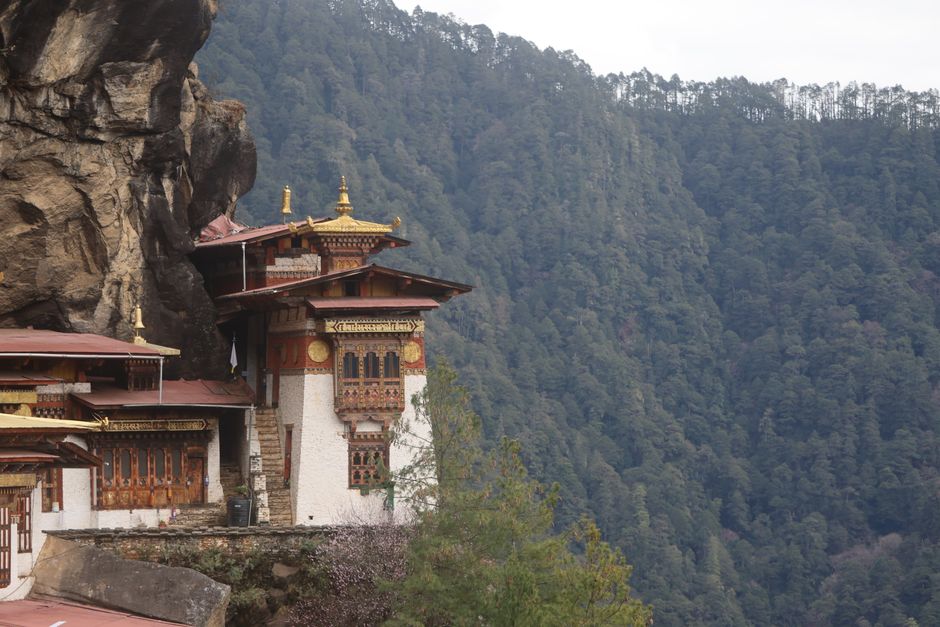
Tiger’s Nest sits roughly 3,000 feet above Paro’s valley floor, yet the trailhead is only about six miles from town. That short distance hides a steep, high-altitude climb. Paro rewards travelers who plan around walking time, road conditions, altitude and Bhutan’s unusual fee system.
The right trip length is three full days in the valley, with a fourth day if you want Chele La, a farmhouse stay and a slower pace. The core route is simple: Rinpung Dzong and Paro town first, Paro Taktsang when your legs are fresh, then Chele La or a village stay.
How many days do you need in Paro Valley?
Verdict: Three full days is the minimum sensible stay. Two days forces you to stack the dzong, Tiger’s Nest and a mountain pass into a rushed schedule, while five or more days only makes sense for hiking, wellness or village immersion.
| Day | Plan |
|---|---|
| Day 1 | Paro town, Rinpung Dzong, Nemi Zam bridge and the National Museum |
| Day 2 | Paro Taktsang hike, starting early |
| Day 3 | Chele La Pass, Kila Goenpa or a farmhouse stay |
| Day 4 | Haa Valley extension, village walk or a second short hike |
Start with Rinpung Dzong
Rinpung Dzong, also called Paro Dzong, is the best first cultural stop. Built in the 17th century, it still serves religious and administrative roles. Walk across the covered Nemi Zam bridge, then take time with the carved timber, whitewashed walls and valley views. The nearby Ta Dzong houses the National Museum, though opening arrangements can change, so check locally before building your afternoon around it.
Do not treat arrival day as a full tour day
Flights into Paro can arrive late, and mountain weather can disrupt schedules. Keep the first afternoon light. The strongest plan is Rinpung Dzong, a meal in town and an early night.
Bottom Line: Book three full days in Paro. A fourth day buys flexibility, which matters more here than squeezing in another landmark.
How hard is the hike to Paro Taktsang?
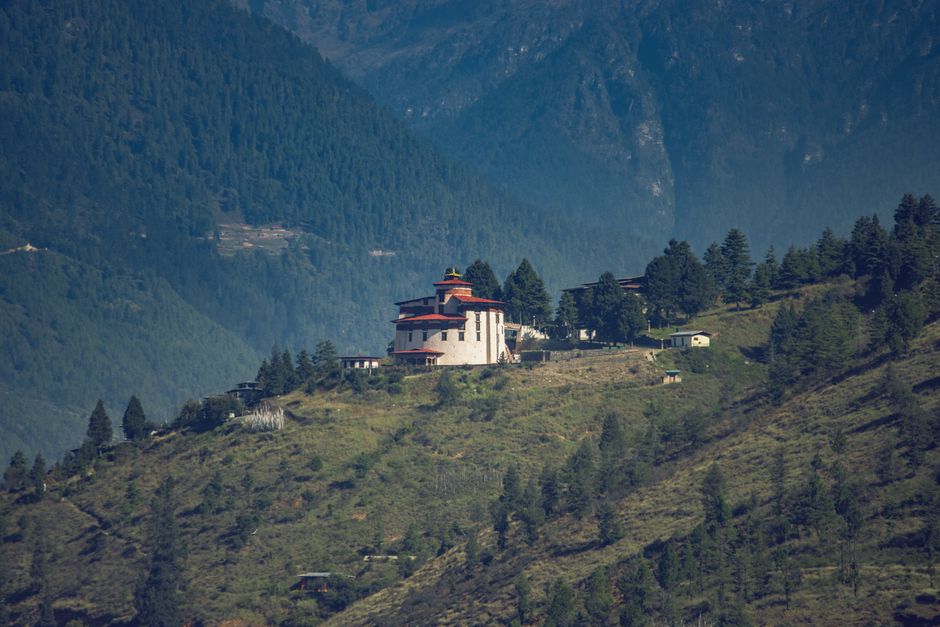
Paro Taktsang is a demanding half-day hike, not a casual viewpoint visit. Bhutan’s official tourism information lists the route at roughly five to six hours, while many visitors spend longer because of the climb, monastery visit, photo stops and the final descent. The trail rises from the parking area through pine forest to a cafeteria, then continues toward the monastery. The famous viewpoint comes before the last stair section, but reaching the monastery requires more effort.
How to pace the climb
- Start between 6:30 and 7:30 a.m. if your schedule allows. The trail is cooler, and morning cloud is often lighter.
- Walk slowly for the first hour. Paro sits around 2,300 metres, so your normal flat-ground pace will feel too fast.
- Use short rests instead of one long stop. Drink regularly, but avoid carrying more water than you can comfortably manage.
- Expect the trail to change from packed dirt to stone steps and uneven ground near the monastery.
- Keep time for the interior visit, security checks and the return journey. The route back is not a quick downhill stroll.
What causes trouble
The common mistake is arriving after a long flight and attempting Tiger’s Nest the next morning without checking how the body feels. Headache, nausea, unusual breathlessness or poor coordination are reasons to stop and tell your guide. Fitness helps, but altitude affects experienced hikers too.
Horse services may carry visitors part of the way, but they do not remove the high-altitude walk, steep descent or stairs near the monastery. Treat the horses as a limited aid, not a substitute for preparation. Wear shoes with a firm sole, bring a warm layer, protect your knees on the descent and dress respectfully for a living Buddhist site. Shorts and revealing clothing are poor choices, and photography rules inside sacred areas must be followed.
Do not plan another major attraction after the hike. A quiet lunch, rest and an easy walk near Paro town are better uses of the afternoon. The trail is worth the work because it combines forest, cliffside views and one of Bhutan’s most important pilgrimage sites, but the experience gets worse when travelers treat it like a two-hour photo stop.
Bottom Line: Schedule Tiger’s Nest as the only major activity of the day and reserve the right to turn back. Finishing safely matters more than reaching a pre-set time.
When should you visit Chele La and Paro Valley?
September can be attractive after the rains, while June through August brings lush farmland but a higher risk of cloud, rain, landslides and disrupted drives.
Choose your season by the experience you want
- March to May: Good for rhododendrons, valley walks and a fresh landscape. Pack for cold mornings and changing weather.
- Late September to November: Best overall for clear mountain views, dry trails and photography. This is also a popular period, so rooms and flights need early planning.
- December to February: Crisp, often sunny valley days with freezing nights. Chele La can be very cold, and snow or ice may close the pass temporarily.
- June to August: Green fields and active farming, but monsoon weather can reduce visibility and affect roads.
What to expect at Chele La
Chele La reaches about 3,988 metres and connects the Paro and Haa valleys. The drive takes roughly 1.5 hours from Paro in good conditions. At the pass, prayer flags, wind and cold arrive before the mountain views. On a clear day you may see Jomolhari and surrounding Himalayan peaks; on a cloudy day, the pass can disappear into mist.
Do not judge Chele La by a social media photograph. Weather decides the payoff. Ask your guide to check the road that morning, leave early and carry gloves even in spring or autumn. The walk to Kila Goenpa can add a quieter nunnery visit, but it should be treated as a separate walk rather than an automatic add-on.
Bottom Line: Pick late October or November for reliable sightseeing. Pick spring for flowers. Skip a fixed Chele La promise if your itinerary falls in the wettest months.
Are Paro farmhouse stays worth the extra planning?
Yes, if you want to understand how Paro works beyond its monuments. A farmhouse stay can include home-cooked meals, a hot stone bath, vegetable gardens, traditional architecture and conversations about farming. It is not a hotel with a rural theme. Heating, plumbing, privacy and internet can vary sharply.
What should you check before booking?
Use a Department of Tourism-approved property. Bhutan’s tourism authorities state that visitors may stay only in approved accommodation or campsites, and certified village homestays are allowed to host tourists. The official tourism portal lists options such as certified homestays and farm stays. Examples in the Paro area include Deki Homestay, Tshering Homestay and Paro Penlop Heritage Homestay. Confirm the current certification, room type, bathroom setup, heating, meals and road access before paying.
What mistakes should you avoid in Paro?
The best Paro itinerary leaves room for weather and human energy. The valley is compact on a map, but mountain roads, altitude and monastery schedules make the day longer than distances suggest.
- Check the official Bhutan visa guidance before booking because rules and incentives can change.
- Putting Tiger’s Nest on arrival day: A delayed flight or poor sleep can ruin the hike. Keep day one light.
- Booking Chele La without a weather fallback: Snow, cloud and road conditions can remove the views. Have a valley walk or farmhouse visit ready.
- Choosing an unapproved private home: Confirm the property appears on an official or current certified list.
- Ignoring religious etiquette: Dress modestly, remove hats when appropriate, follow instructions inside temples and never photograph restricted areas.
- Trying to cover all of western Bhutan from Paro: Thimphu, Punakha and Haa each need road time. Paro deserves its own days.
For most travelers, the winning formula is one culture day, one dedicated Taktsang day, one pass or village day and a flexible buffer.
