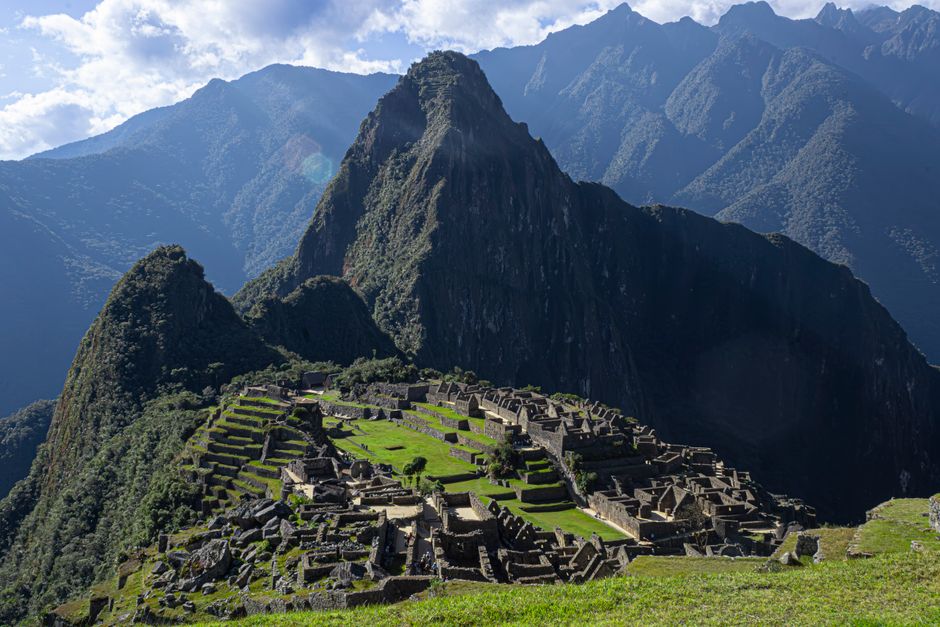
You arrive in Cusco with a beautiful lodge reserved, a Machu Picchu visit fixed in your calendar, and one quiet worry: have you placed the famous ruins too early in the trip?
The common mistake is treating the Sacred Valley as a short stop before the main event. The valley works better as your gentle introduction to Peru’s altitude, landscape, food, and living Andean culture. Machu Picchu then becomes the climax rather than a rushed excursion. The best route combines slow acclimatization, thoughtful bases, and an Inca trail that matches your energy instead of your pride.
Why the Sacred Valley should come before Machu Picchu
Start in the Sacred Valley, not at the ruins. This is the clearest way to make the journey feel elegant and manageable. The valley lets you spend your first days moving through villages, terraces, markets, and archaeological sites at a measured pace. You can sleep well, eat simply, and learn how your body responds to the altitude before adding a major sightseeing day.
Use the valley as a soft landing
Travel from Cusco toward the valley after arrival rather than stacking a demanding city visit, a long transfer, and a dawn departure into the same stretch of time. Pisac suits travelers who want a lively village atmosphere and easy access to market culture. Urubamba feels calmer, with broad valley views and a more private lodge setting. Ollantaytambo is the strongest base when the next stage is a rail journey toward Machu Picchu.
Let the landscape set the pace
Build the early days around one meaningful outing at a time. Visit the terraces above Pisac, walk through the stone streets of Ollantaytambo, or explore Chinchero with a local guide. Leave space for a long lunch and an unplanned conversation. The valley is not a holding area. It is where the trip gains texture, and it gives Machu Picchu the dramatic focus it deserves.
For most travelers, the best verdict is simple: sleep in the valley first, place Machu Picchu after your body has settled, and keep the first day free from ambitious hiking.
How to build an elegant Sacred Valley to Machu Picchu itinerary
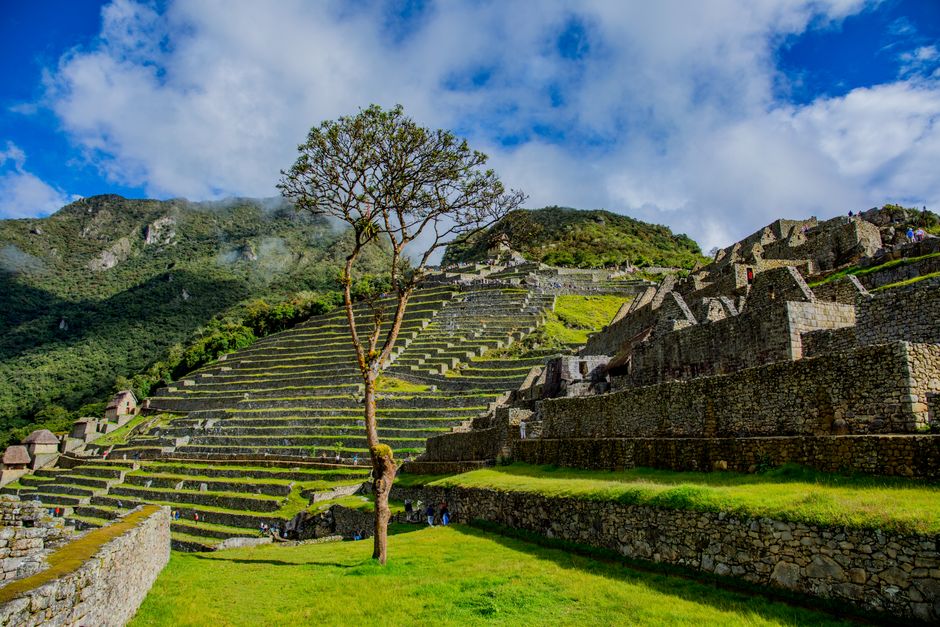
A polished route has a clear rhythm: arrive gently, explore locally, move closer to the rail departure, visit Machu Picchu without rushing, then return to Cusco with time to absorb the journey.
A practical route at a glance
| Stage | Base | Best use of the time |
|---|---|---|
| Arrival | Sacred Valley | Rest, settle in, and take a short village walk |
| Valley exploration | Pisac or Urubamba | Visit terraces, markets, weaving communities, or countryside paths |
| Stonework and departure | Ollantaytambo | Explore the fortress and prepare for the rail journey |
| Machu Picchu visit | Machu Picchu Pueblo or the valley | Follow your assigned visiting route and keep the evening quiet |
Keep the transitions light
Do not schedule a strenuous trail on the same day as a long transfer. Rail times, entry windows, and mountain weather can make the route feel tighter than it looked on paper. Pack only what you need for the night near Machu Picchu and leave larger luggage at your valley base when the accommodation allows it.
Choose one emotional high point
A graceful itinerary does not compete with itself. If Machu Picchu is the central experience, let the valley support it with smaller discoveries. If the Inca Trail matters more to you, keep the Machu Picchu visit calm and avoid filling the surrounding days with extra sightseeing.
Which Inca trail style fits your trip?
Do not choose a route because its name sounds impressive. Choose it by asking how much physical effort you want, how much cultural contact you value, and how comfortable you are with camping or basic facilities.
Choose the classic Inca Trail for the complete pilgrimage
- Pick this route when the approach to Machu Picchu matters as much as the ruins.
- Expect demanding climbs, changing weather, early starts, and advance planning.
- Use it when you want a strong sense of arrival through the Sun Gate.
- Do not choose it if your trip depends on flexible dates or relaxed walking days.
Choose the shorter Inca route for a focused introduction
- Pick the shorter route when you want real trail walking without committing to a long trek.
- It works well for travelers who want to combine hiking with elegant lodges and cultural visits.
- Choose it when your group has mixed fitness levels and the full route would divide the experience.
- Do not expect the same solitude or gradual sense of pilgrimage as the classic route.
Choose Salkantay or Lares for a different mountain story
- Salkantay suits travelers drawn to dramatic mountain scenery and a more remote feeling.
- Lares suits travelers who value village encounters, weaving traditions, and a quieter path.
- Both routes need careful planning around weather, transport, and recovery time.
- Choose neither if the trip’s priority is comfort, flexible sightseeing, and minimal physical strain.
For a stylish first visit, the shorter Inca route is the best compromise. It adds effort and meaning without turning the entire holiday into an endurance project.
What can go wrong, and how do you avoid it?
The most common problems are not dramatic. They come from stacking too many transitions, confusing scenic luxury with good location, or treating mountain weather as a fixed promise.
Should you visit during the dry season?
The dry season usually brings clearer skies and easier trail conditions, but popular dates can feel busy and the nights can be cold. The wetter months bring greener slopes and a softer atmosphere, yet rain can affect trails, roads, and rail connections. Shoulder-season travel often gives the best balance, provided you leave room for weather changes. No season removes the need for a flexible plan.
Is it better to sleep near Machu Picchu?
Sleep in Machu Picchu Pueblo when you want a quiet morning and the least pressure around your entry time. Return to the valley after the visit when you prefer fewer hotel changes and want to keep the trip anchored in one elegant base. The better choice is the one that protects the mood of the day. A rushed return can make a beautiful visit feel like a transport exercise.
Which mistakes should you avoid?
Do not book a strenuous trail immediately after arriving in Peru. Do not assume every valley lodge sits close to the places you want to see. Do not leave rail and entry arrangements until the last moment. Do not fill every afternoon with a guided excursion; the empty spaces are where the landscape becomes personal. Most of all, do not measure the trip by how many sites you collect.
That solves the worry from the opening scene. You do not need to force Machu Picchu into the first available space. Begin with the Sacred Valley, let the body settle, choose a base that matches your pace, and allow the Inca trail to add depth rather than pressure. By the time you reach the ruins, the journey will already feel complete enough for Machu Picchu to become its finest final chapter.
