Category: Europe

  • 25 Famous London Landmarks And Monuments To Visit (2025)

    25 Famous London Landmarks And Monuments To Visit (2025)

    When you think of London, the capital’s iconic monuments spring immediately to mind. Famous London landmarks such as Buckingham Palace and The Tower of London are recognized throughout the world.

    The imposing Houses of Parliament is a Gothic masterpiece that has witnessed pivotal moments in British history. The soaring spire of St. Paul’s Cathedral is an architectural marvel that has graced the London skyline for centuries. We’re fortunate to live nearby, and never get bored of it!

    Traversing the iconic River Thames, Tower Bridge, with its distinctive blue and white steel suspension structure, offers a breathtaking view of the city’s modern and historic marvels.

    List of the Top Landmarks in London

    London is a large city and these attractions are dotted throughout the capital. If you’d like to see these London attractions, allow several days and focus on one area like the City or Westminster.

    These iconic landmarks attract millions of visitors each year, captivating them with their grandeur and embodying the spirit of one of the world’s most celebrated cities. We’ve lived in London for many years and are pleased to share some facts that you may not know about these top London sights. This London landmarks list doesn’t include markets or neighbourhoods, as we have focused specifically on monuments.

    25.Cleopatra’s Needle, Victoria Embankment

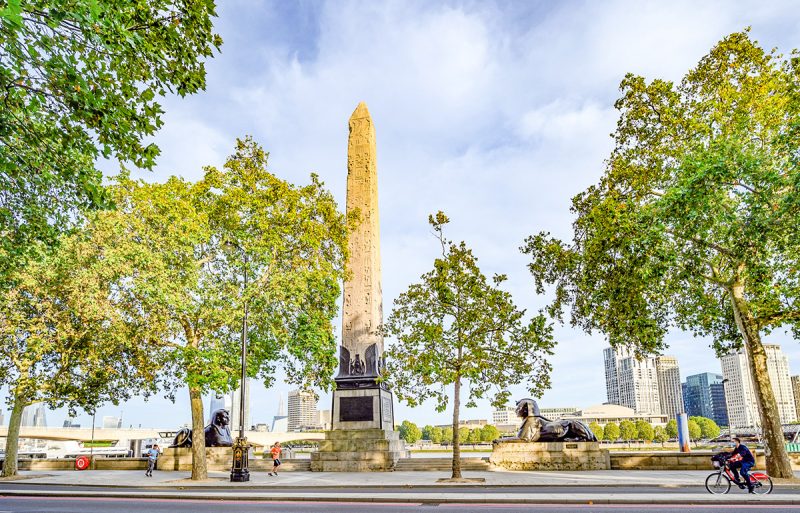
    Standing majestically on the Victoria Embankment beside the River Thames, Cleopatra’s Needle is one of London’s most intriguing ancient monuments. Despite its name, this 3,500-year-old granite obelisk has no connection to the famous Egyptian queen Cleopatra.

    Originally erected in the ancient Egyptian city of Heliopolis around 1450 BC during the reign of Thutmose III, the obelisk was later moved to Alexandria. The British acquired it in 1819, but transportation proved challenging – it wasn’t erected in London until 1878.

    Standing 21 meters tall and weighing 224 tonnes, the obelisk is covered in hieroglyphics celebrating the pharaohs Thutmose III and Ramesses II. Beneath the monument lies a fascinating time capsule containing Victorian artifacts including photographs, a railway guide, children’s toys, and copies of 12 daily newspapers.

    Two bronze sphinxes guard the obelisk, though they were damaged during World War I air raids – you can still see shrapnel marks on them today.
    24.al Albert Hall, South Kensington

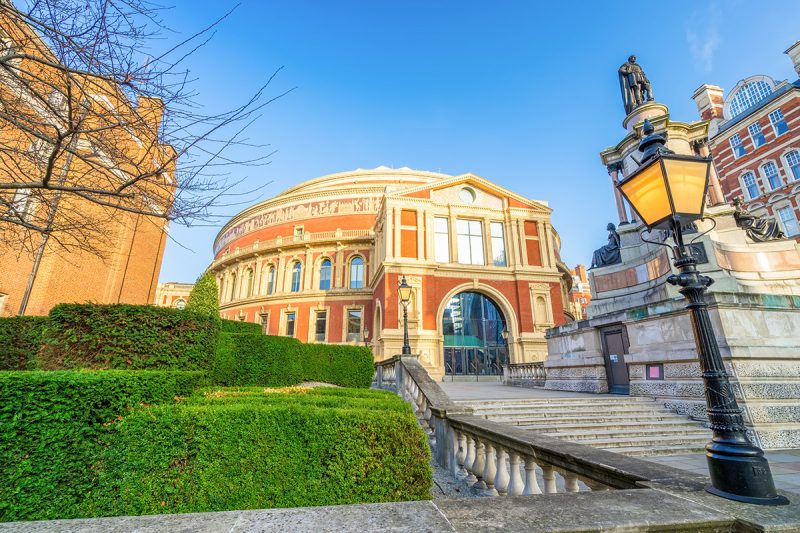
    This magnificent Victorian concert hall was opened in 1871 by Queen Victoria in memory of her late husband Prince Albert. The Royal Albert Hall was designed by Captain Francis Fowke and Major-General Henry Y.D. Scott.

    The distinctive circular building with its famous red brick and terracotta facade can seat 5,272 people, making it one of the largest venues of its kind in the world. The iconic glass and wrought-iron dome spans 135 feet and weighs 400 tonnes.

    Famous for hosting the BBC Proms since 1941, the hall has welcomed legendary performers from The Beatles and Led Zeppelin to Luciano Pavarotti and Adele. Winston Churchill delivered some of his most important speeches here, and the venue continues to host over 390 events annually, from classical concerts to contemporary performances and award ceremonies.
    23.The Cenotaph, Whitehall

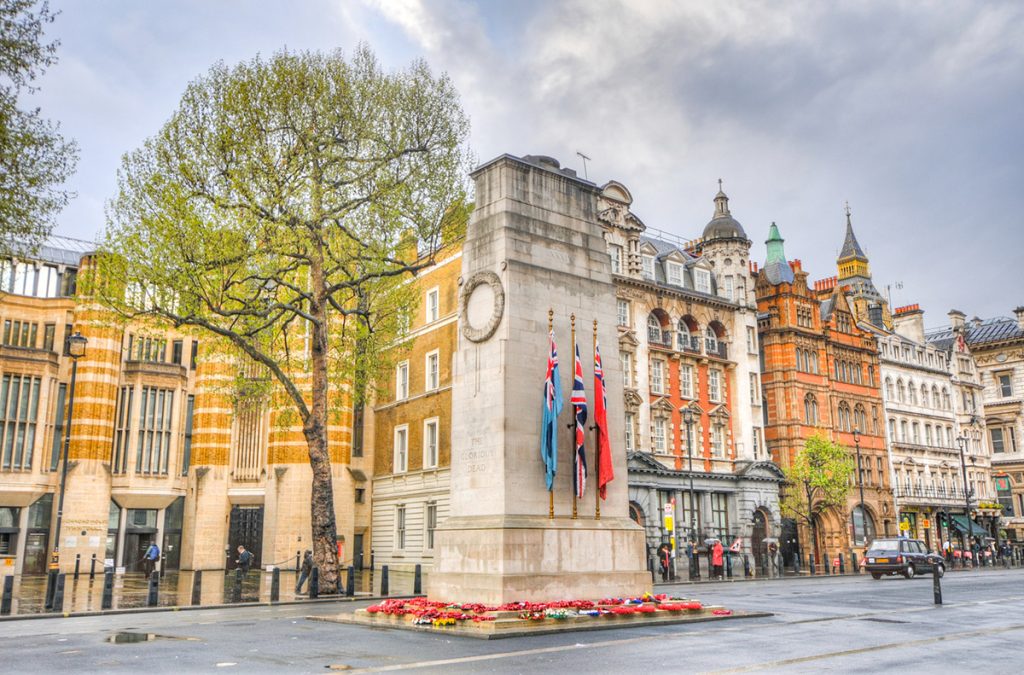
    Standing solemnly on Whitehall, The Cenotaph is Britain’s principal war memorial and one of London’s most significant monuments. Designed by the renowned architect Sir Edwin Lutyens, this elegant limestone monument was originally erected as a temporary structure for the Peace Day parade in 1919.

    The permanent version, unveiled on Armistice Day 1920, stands 35 feet high and commemorates all British and Commonwealth servicemen and women who died in the two World Wars and subsequent conflicts. The word “cenotaph” comes from the Greek meaning “empty tomb.”

    The monument’s deceptively simple design features subtle architectural curves – there are no straight lines in the entire structure. If extended, all the horizontal lines would meet at a point 900 feet above the monument, while the vertical elements would converge 900 feet below ground.

    Every year on Remembrance Sunday in November, The Cenotaph becomes the focal point for the National Service of Remembrance, attended by the Royal Family, political leaders, and representatives of the armed forces. Wreaths of poppies are laid at its base, and the ceremony is watched by millions around the world.
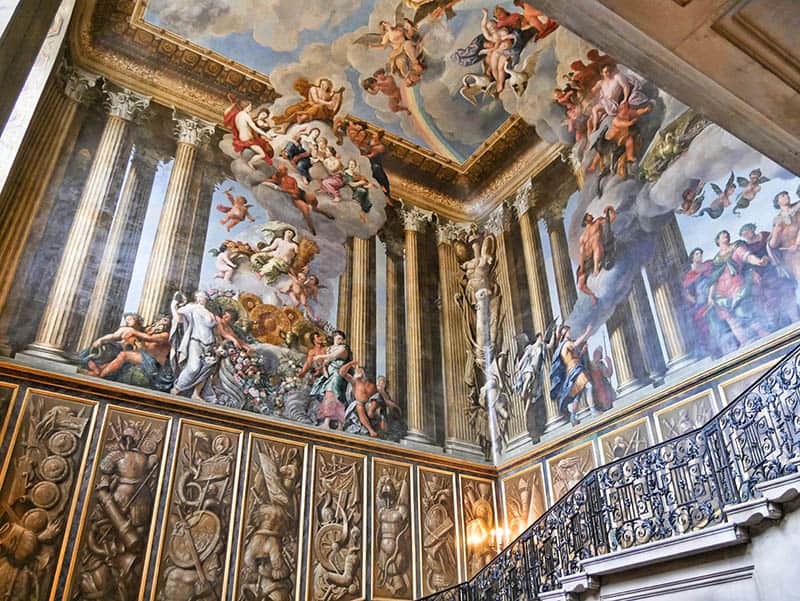
    22.Hampton Court Palace, East Molesey

    One of only two remaining London buildings that belonged to King Henry VIII, Hampton Court Palace is located 12 miles from central London in the Borough of Richmond upon Thames. This royal palace is known for its lavish state rooms, hedge maze and extensive gardens.

    Hampton Court Palace Flower Show is a popular annual event. Work on this beautiful building began in 1514.
    21.Millennium Bridge, City of London

    This steel suspension bridge which links St Paul’s Cathedral to Tate Modern is officially known as the London Millennium Footbridge. Opened in 2000, this is one of the most famous modern London landmarks.

    Or should we say infamous, as it was nicknamed the Wobbly Bridge due to unforeseen lateral vibrations. The Millennium Bridge had to close 2 days after opening and didn’t reopen again for two years.

    We live nearby and experienced the bridge when it was wobbly. It actually wasn’t all that bad!

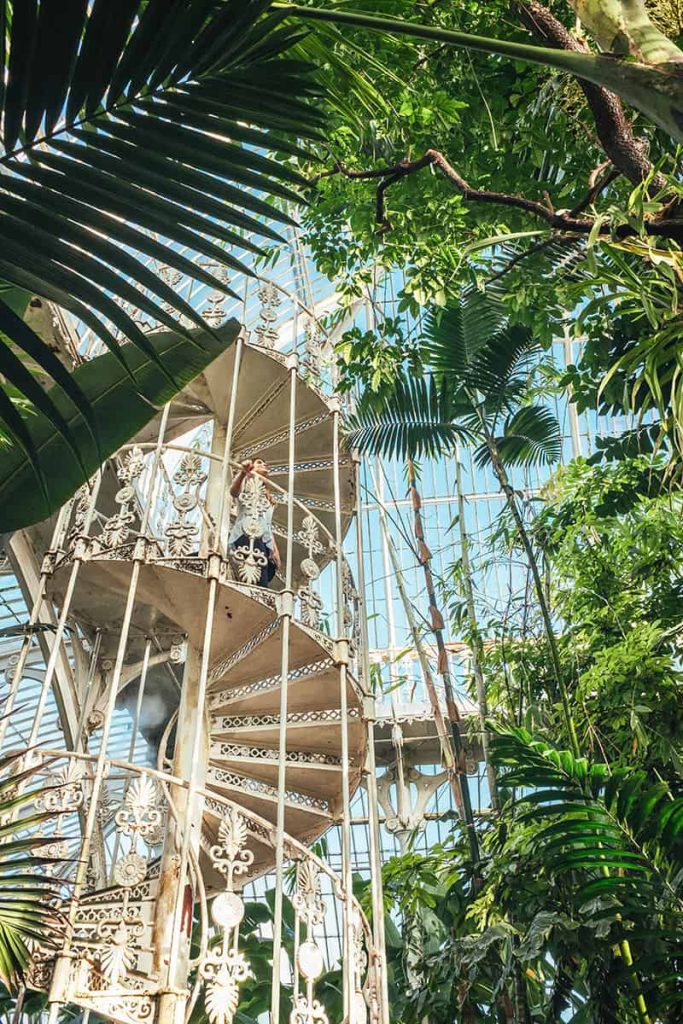
    20.Kew Gardens Palm House, Kew

    The Royal Botanic Gardens in Kew have over 50,000 types of plants. This is one of the largest botanical collections in the world.

    The Palm House at Kew is considered to be the world’s most important Victorian glass and iron structure. This beautiful structure was built by Decimus Burton and Richard Turner between 1844 and 1848.

    Resembling an upturned ship, the Palm House was constructed using techniques from the shipbuilding industry. Besides plants, you can spot robins, wrens and even a Chinese water dragon inside.

    Inside the Palm House, you’ll find the oldest potted plant in the world. Brought to Kew in 1775, this Jurassic cycad plant was collected by Francis Masson from the Eastern Cape of South Africa.
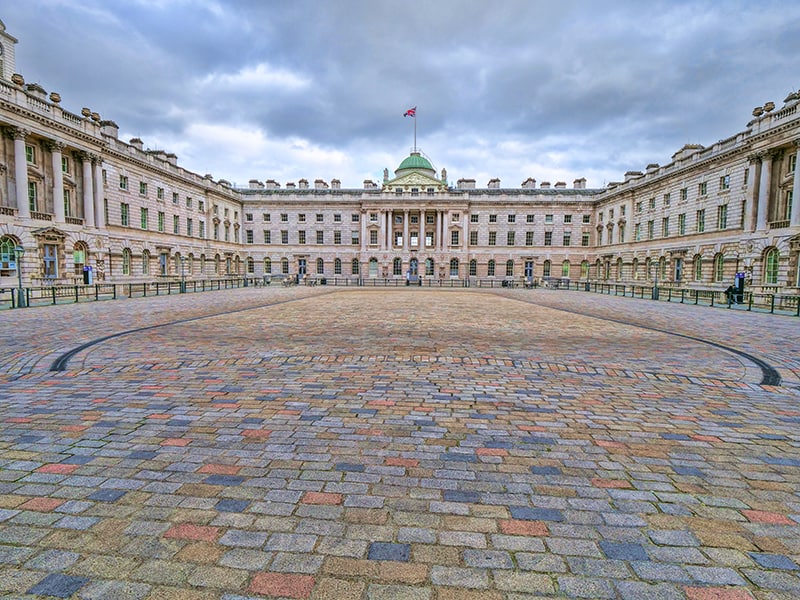
    19.Somerset House, Strand

    This imposing building was designed by the architect Sir William Chambers in 1775. Built on the site of the former palace of the Duke of Somerset, these days it’s a cultural hub.

    Originally, boats could access Somerset House directly from the Thames via the Great Arch. In fact there’s a royal barge displayed under the Great Arch Hall in the King’s Barge House.

    There’s a beautiful art museum as well as artist studios and 5 cafes and restaurants. One of the most famous buildings in London, over 3 million people visit Somerset House annually.
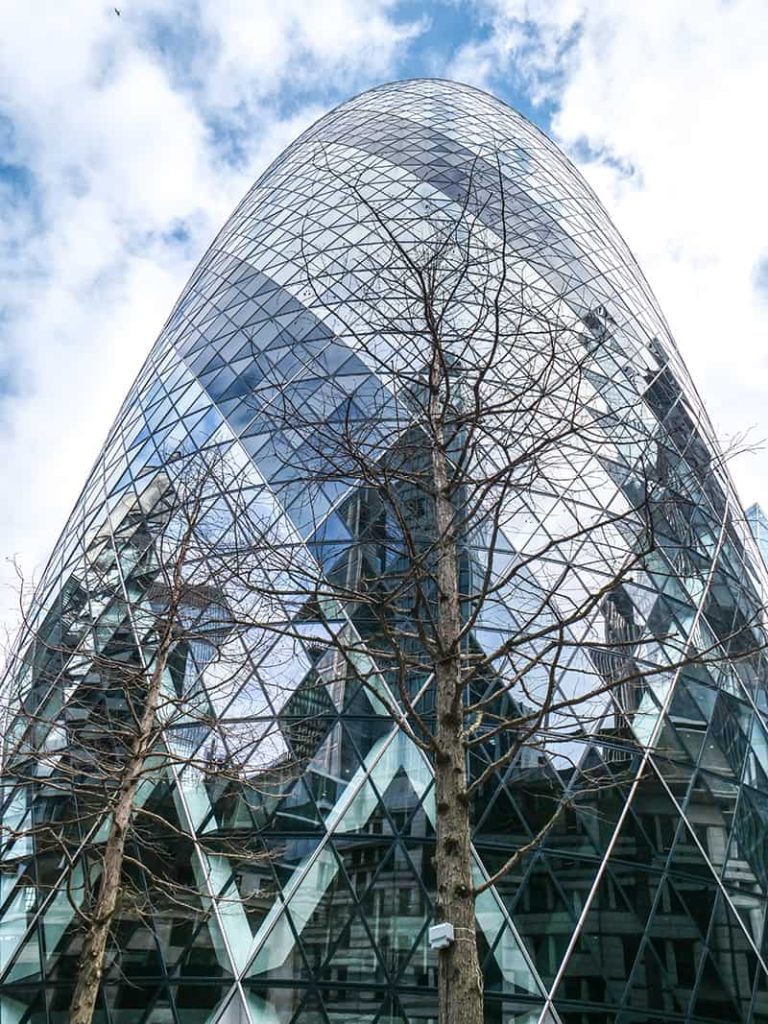
    18.The Gherkin, City of London

    Also known more mundanely as 30 St Mary Axe, The Gherkin is located in the City of London. More than 35 kilometers of steel were used in the construction and 7,429 panes of glass.

    Standing 180 meters tall, this famous London landmark has 18 lifts. Despite its curved shape, the building has only one piece of curved glass.

    The Gherkin has featured in several films including Harry Potter and the Half Blood Prince, Basic Instinct 2, A Good Yearand Match Point.
    17.The Sky Garden, City of London

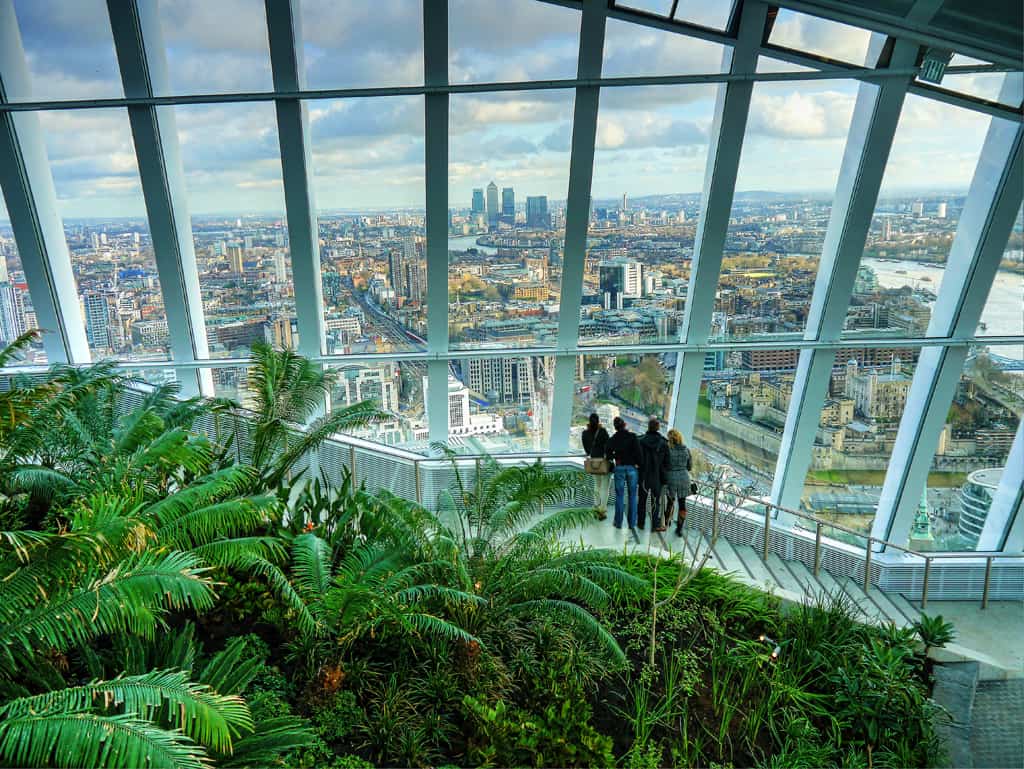
    Nicknamed The Walkie Talkie Tower, The Sky Garden is the highest public garden in London. One of the most striking London landmarks, its name comes from its top heavy shape.

    Also known by its address, 20 Fenchurch Street, this London skyscraper was designed by architect Rafael Vinoly. It was originally intended to be around 200 meters tall but the height was reduced to 160 meters to preserve the skyline near St Paul’s Cathedral.

    During construction, it was found that the building acted as a concave mirror, melting objects in the sun’s glare. A reporter even managed to fry an egg here until this was corrected by installing a permanent awning.

    Access to the public is free but must be booked in advance. Once inside, you’ll be wowed by the views and the planted terraces.

    Some of the plant species include African lilies, Birds of Paradise and Red Hot Pokers. There are several restaurants and a bar as well as an outdoor viewing platform.
    16.Lloyd’s Building, City of London

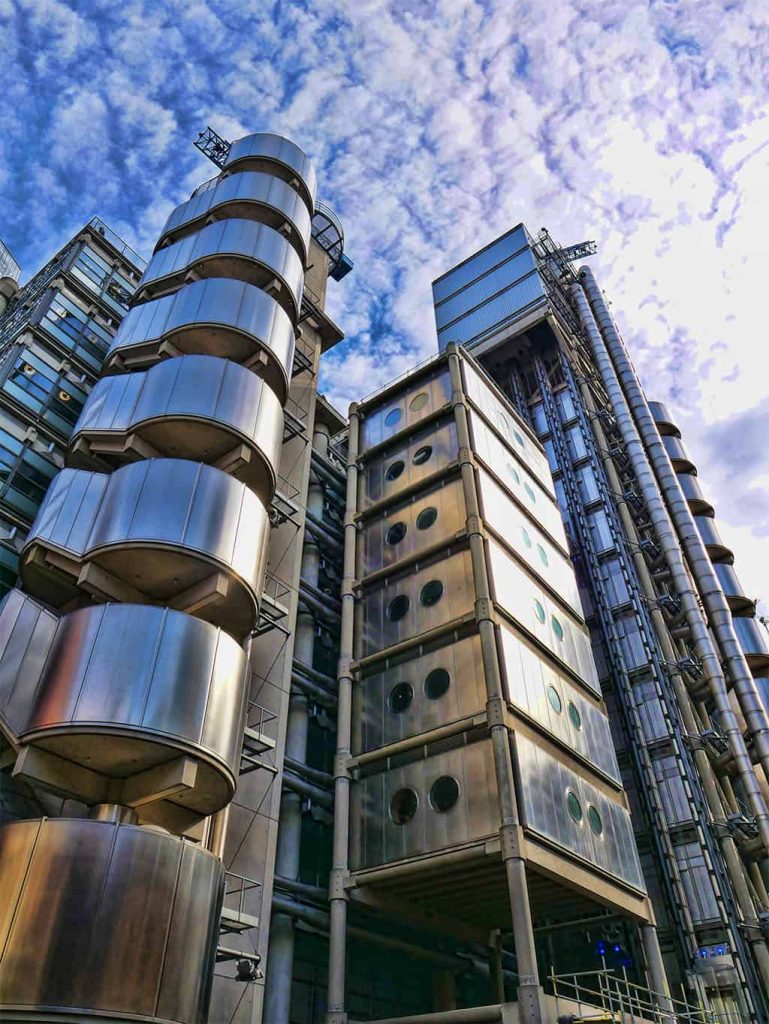
    Designed by London architect Richard Rogers, the Lloyd’s Building was completed in 1986. Nicknamed the Inside Out Building, its lifts and ducts are located on the outside to maximize space inside.

    The home of insurance institution Lloyd’s of London, it has 14 floors. On the ground floor there’s the huge Underwriting Room which houses the famous Lutine Bell.

    Salvaged from the wreck of the Lutine British warship, the bell tolls for ships that are overdue or lost at sea.

    On the 11th floor, the ornate Committee Room dates from the 18th century. It was designed by Robert Adam in 1763 and transferred from the former Lloyd’s building over the road at 51 Lime Street.
    15.The British Museum, Bloomsbury

    Located in Bloomsbury, The British Museum was designed by Sir Robert Smurke in the Greek Revival style.

    The building was based on the temple of Athena Polias at the city of Priene in Asia Minor. It is the world’s oldest national public museum, founded in 1753 and inaugurated in 1759.

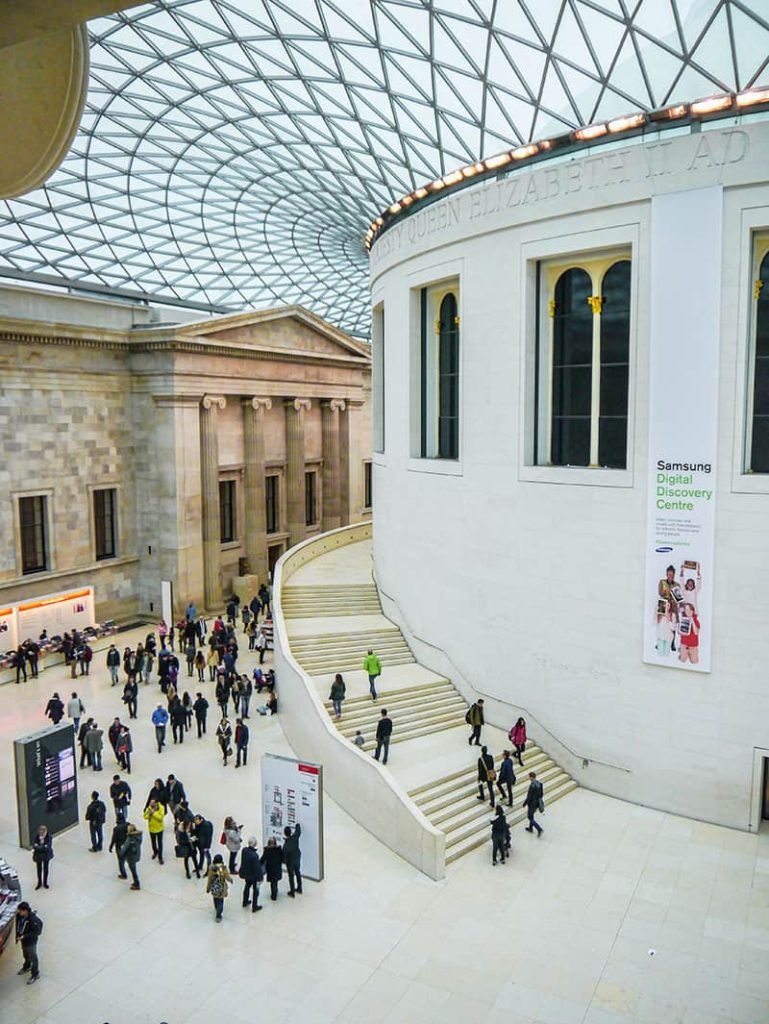
    The Queen Elizabeth II Great Court was designed by Foster and Partners. This is the largest covered public square in Europe, at 8,000 square meters.

    The British Museum permanent collection is free to visit. In fact it was the first museum in the world to open its doors to everyone for free. There are also some great paying temporary exhibitions.

    There are over 8 million objects in the British Museum collections. However, only 1% of them are on display at any given time.

    Some of the most famous exhibits are the Rosetta Stone, the Egyptian mummies and Sutton Hoo artefacts. In 2005, street artist Banksy managed to display a spoof painting of a prehistoric man with a shopping cart in the Roman Britain gallery, before staff spotted it 😉
    14.Shakespeare’s Globe Theatre, Bankside

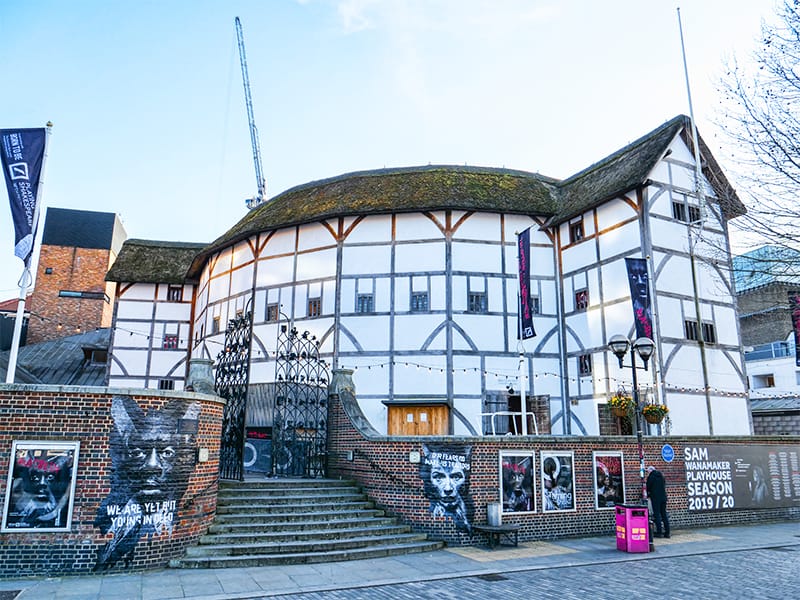
    This reconstruction of the original Globe Theatre has a great location overlooking the River Thames on Southbank. Constructed from 1,000 English oak trees and 17,000 Norfolk reeds, it was completed in 1997.

    The project was instigated by American actor Sam Wanamaker in 1970. Sadly he died in 1993 before the project was finished.

    Thatched roofs are banned in the capital since the Great Fire of London in 1666. The Globe has a special licence to have one.

    The stewards at the Globe are all volunteers. As well as seated tickets, you can buy a groundling ticket.

    Groundlings were historically too poor to pay for a seat and bought standing only tickets. These days, the groundling tickets cost £5 and you must stand or walk during the entire performance.
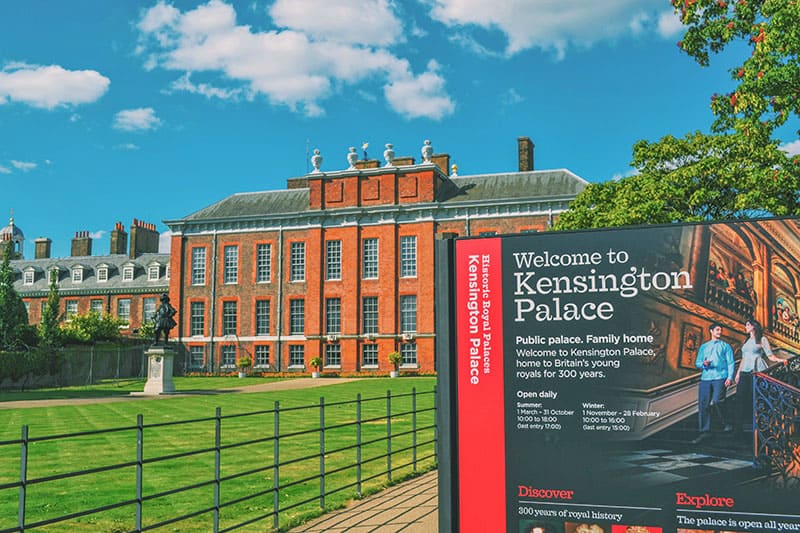
    13.Kensington Palace, Kensington

    The official residence of the Duke and Duchess of Cambridge is more than 400 years old. The home of many British monarchs, this was the birthplace of Queen Victoria, Kensington Palace was also where she first met Prince Albert.

    Princess Margaret used to throw parties here, inviting the Beatles, Margot Fonteyn and Elizabeth Taylor amongst other celebrities. The palace is rumored to be haunted by King George II and his granddaughter.

    Kensington Gardens inspired the book Peter Pan by J. M. Barrie. As for Queen Victoria, she was a keen artist when she lived here.

    Several members of the Royal Family live in Kensington Palace, including Prince William and Catherine, Duchess of Cambridge.
    12.The Monument, City of London

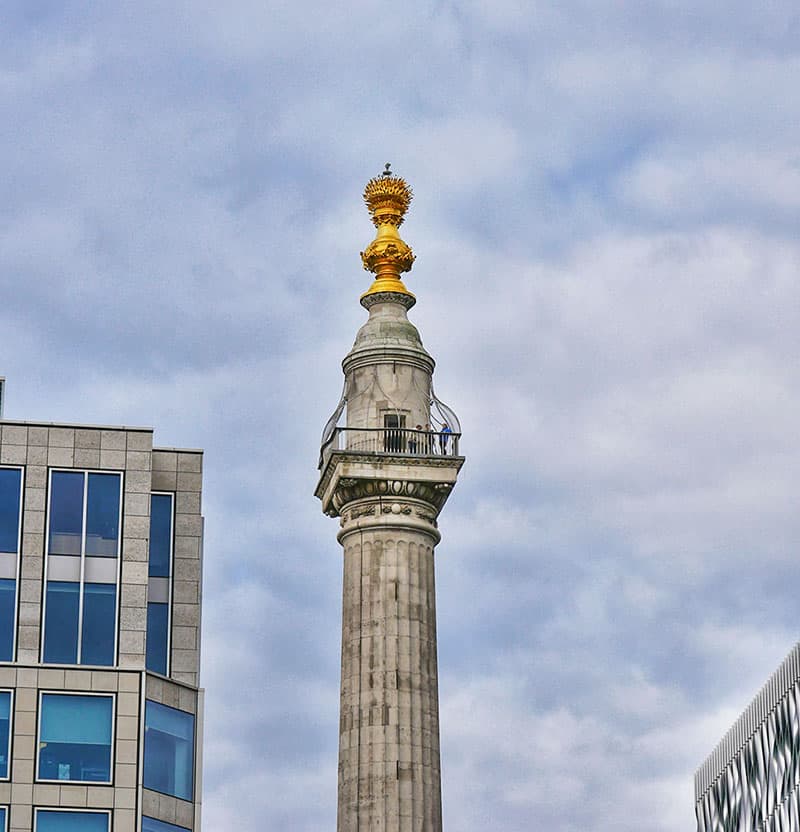
    One of the most famous London landmarks, The Monument is the tallest isolated stone column in the world. It was built as a memorial to the Great Fire of 1666.

    This started in Pudding Lane nearby at Thomas Farriner’s bakery. It quickly spread and destroyed much of the medieval city.

    The Monument is 202 feet high as it is 202 feet from there to Pudding Lane. To get to the top, you’ll need to climb 311 steps. You’ll be rewarded with panoramic views of London and a certificate!

    Designed by Sir Christopher Wren, The Monument is made from Portland stone and topped with a gold orb. Underneath The Monument, there’s a tiny laboratory, as the site was originally going to be used as a telescope. Because the surrounding area was too busy, that plan was abandoned.

    We climbed up The Monument recently and recommend that you wear flat shoes for the winding staircase. There’s a pleasant surprise when you come back down – you’re awarded a certificate!
    11.Nelson’s Column, Trafalgar Square

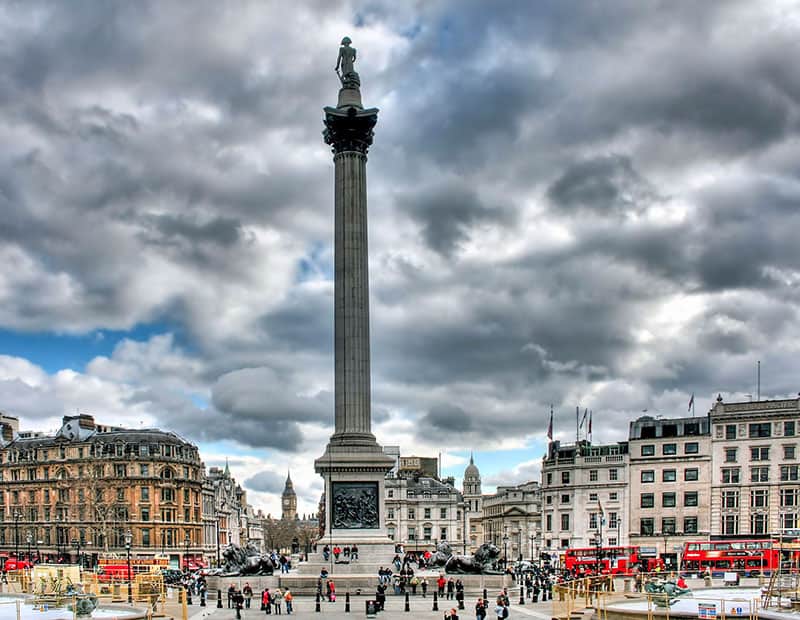
    Standing proud on Trafalgar Square, this iconic London landmark was built to commemorate Admiral Horatio Nelson. A competition was held to choose the most suitable tribute.

    Designed by William Railton in the Corinthian style, Nelson’s Column was completed in 1843. The cost was £47,000 – the equivalent of around £4 million today.

    Four bronze lions were added in 1867. If you happen to visit, look carefully and you’ll see that they’re not identical.

    Not only that, the artist Sir Edwin Landseer based their posture on that of a dog! The column was struck by lightning in 1896 and Admiral Nelson’s shoulder was dented.
    10.Tate Modern, Bankside

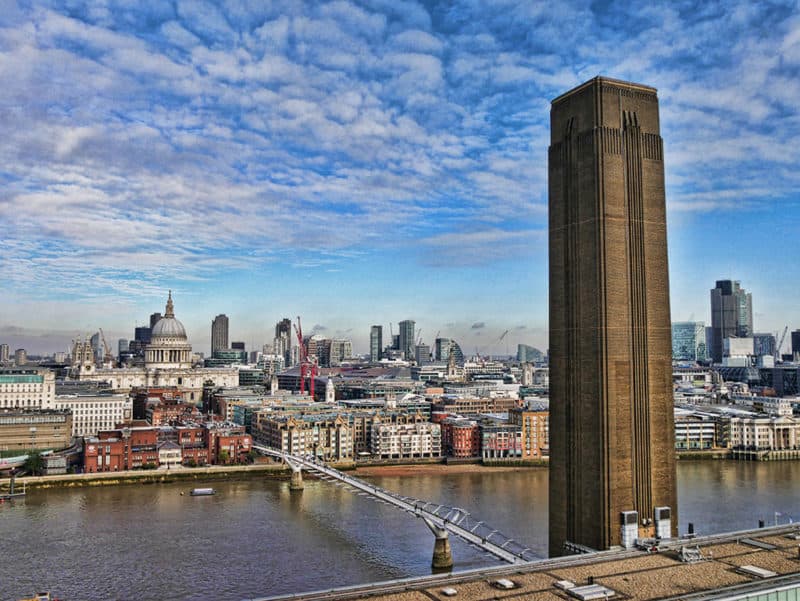
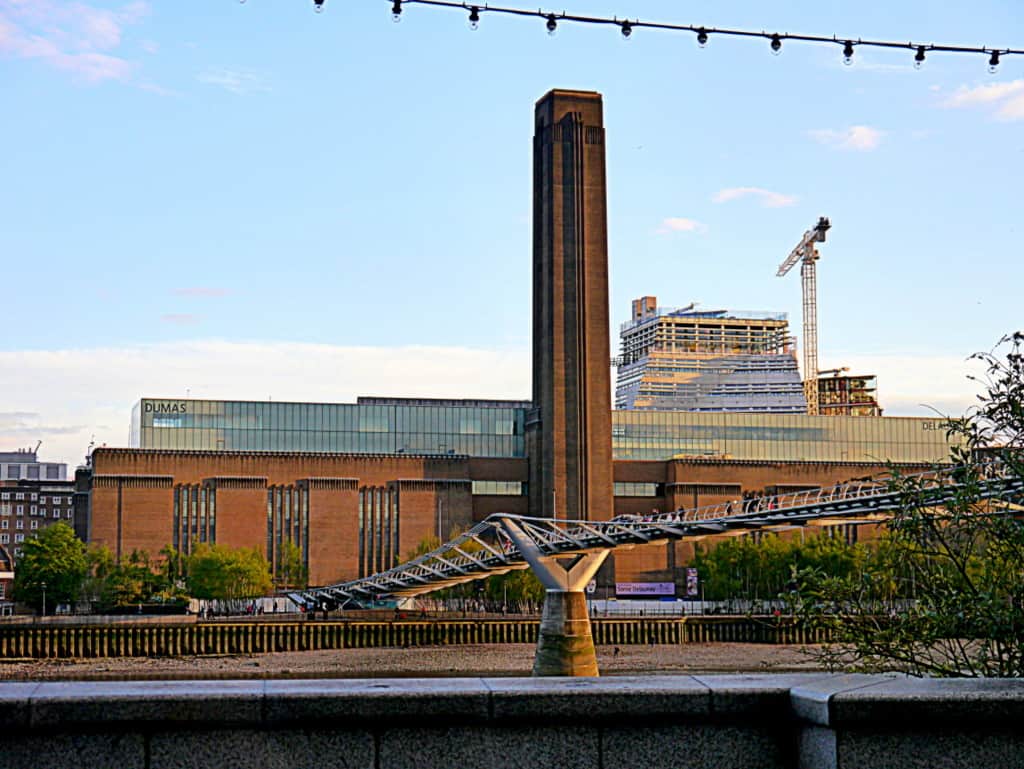
    The former Bankside Power Station has a fantastic location on the South bank of the River Thames. Originally designed by Giles Gilbert Scott, it was converted into a contemporary art museum in 2000.

    This famous London museum takes its name from Sir Henry Tate, a British sugar merchant who establishing Tate Britain in Pimlico. Some of the well known artworks include The Three Dancers by Picasso and Fountain by Duchamp.

    The central chimney is 99 meters tall. The Turbine Hall was where the power station turbines were housed.

    Tate Modern frequently pays host to temporary art installations. A time capsule is buried underneath the Turbine Hall.

    Head to the top floor of the Switch House extension for panoramic views from the terrace. Entrance to the permanent exhibitions is free. There are also temporary paying exhibitions.

    The museum has featured in several films including Judge Dredd and Bridget Jones’s Diar
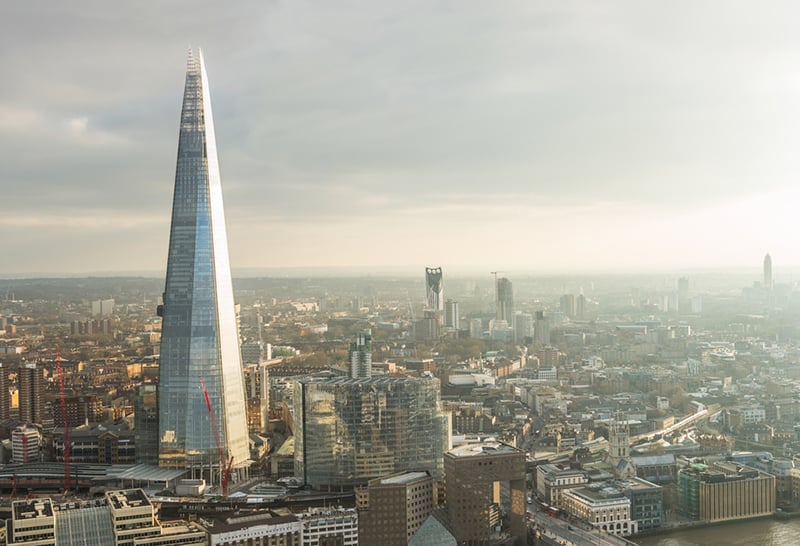
    9.The Shard, Southwark

    At 306 meters high, The Shard is the tallest building in Western Europe. It’s also one of the most popular tourist attractions in London.

    Made from 11,000 glass panels, it has 44 lifts and can be seen for 40 miles in any direction. Designed by Renzo Piano, it was inaugurated in 2010. The unusual structure located at London Bridge was inspired by the shape of a shard of glass.

    During construction, builders discovered an urban fox on the 72nd floor whom they christened Romeo. He became the mascot of The Shard, and visitors can buy a plush Romeo toy from the shop.

    There are three restaurants on floors 31-33 and an amazing view from the restrooms. The View From The Shard on floors 68, 69 and 72 boasts panoramic lookout points.
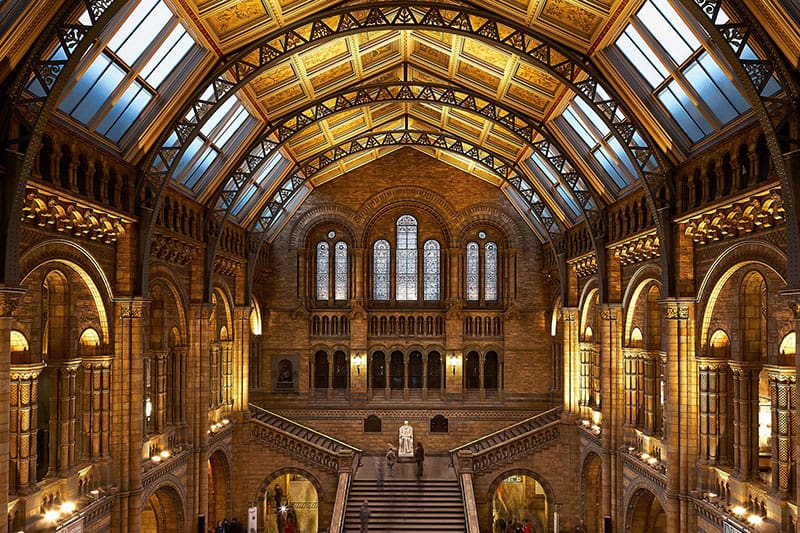
    8.Natural History Museum, South Kensington

    Housing the most important natural history collection in the world, this ornate building was designed by Alfred Waterhouse. Completed in 1881, it features a central hallway decorated with 78 monkey statues and 162 botanical tiles.

    The area of South Kensington where the Natual History Museum is located is nicknamed Albertopolis. Prince Albert suggested that land should be bought to build museums with the profits from the

    The Hintze Hall is also home to the skeleton of a blue whale, suspended from the ceiling. In the Darwin Centre, the museum’s entomology and botanical collections are stored.

    Over 5 million people visit the Natural History Museum each year. On the last Friday of each month, the museum is open until 10.30 pm and features live music and a bar.
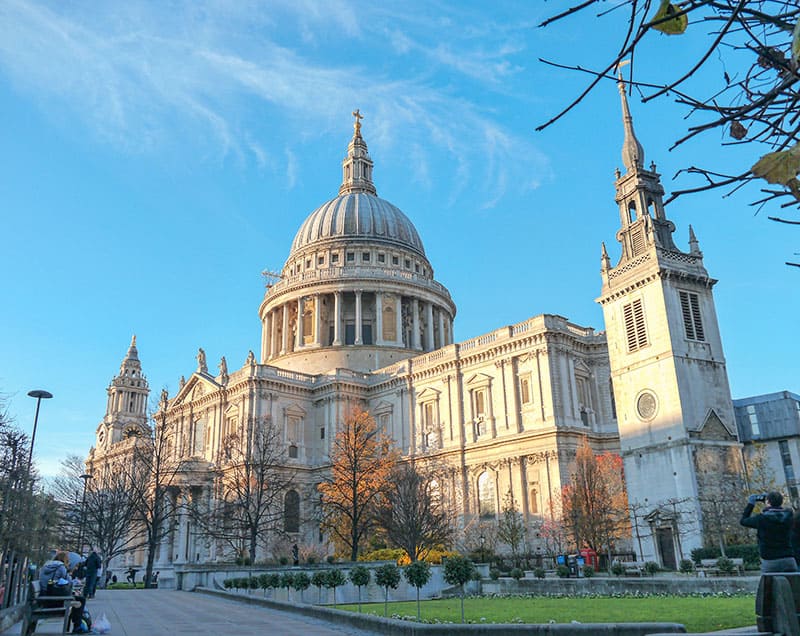
    7.St Paul’s Cathedral, City of London

    One of the most famous monuments in London, St Paul’s Cathedral was designed by famous British architect Sir Christopher Wren. Standing on the highest point of the City of London on Ludgate Hill, it has the second biggest cathedral dome in the world after St Peter’s in Rome.

    There was previously a Norman cathedral on the site. That was destroyed in the Great Fire of London in 1666 and St Paul’s was completed in 1711,

    Visitors to the Whispering Gallery can hear whispered words from 112 feet away, thanks to the unique acoustics. Sir Christopher Wren is one of many notable people buried here, including Admiral Lord Nelson and the sculptor Henry Moore.

    St Paul’s Cathedral has featured in several famous films including Sherlock Holmes, Mary Poppins and Harry Potter and the Prisoner of Azkaban.
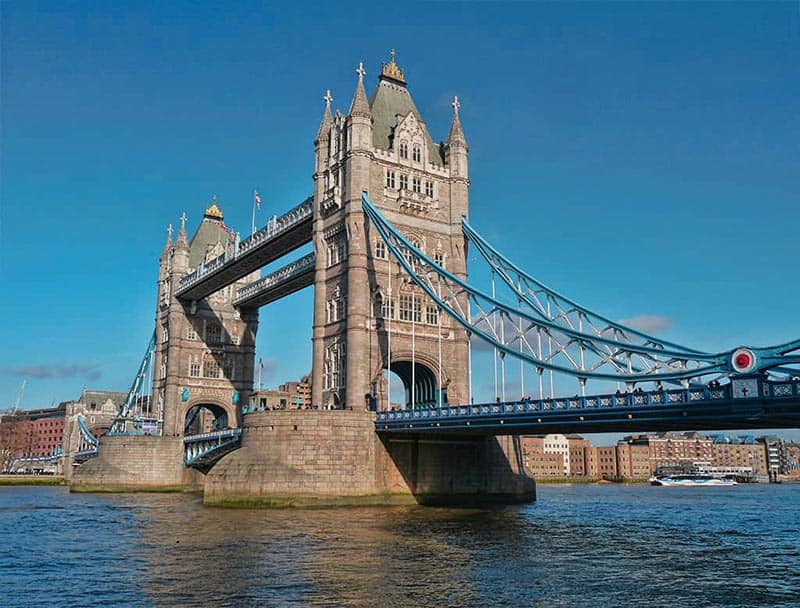
    6.Tower Bridge, City of London

    432 workers helped build Tower Bridge, which was opened in 1894 by the Prince of Wales. Over 40,000 people pass over the bridge each day.

    The only bridge over The Thames that can be raised, it is both a bascule and suspension bridge. In 1912, pilot Frank McClean flew between the bascules and the upper walkways as a stunt.

    In 1952, a double decker bus was crossing over when the bridge started opening. The bus driver accelerated and managed to get over a 3 foot gap!

    Visitors can walk along the bridge for free or pay to walk along the glass bottomed upper walkways and to visit The Engine Room. There’s also a permanent exhibition called The Tower Bridge Experience.
    5.Westminster Abbey, Westminster

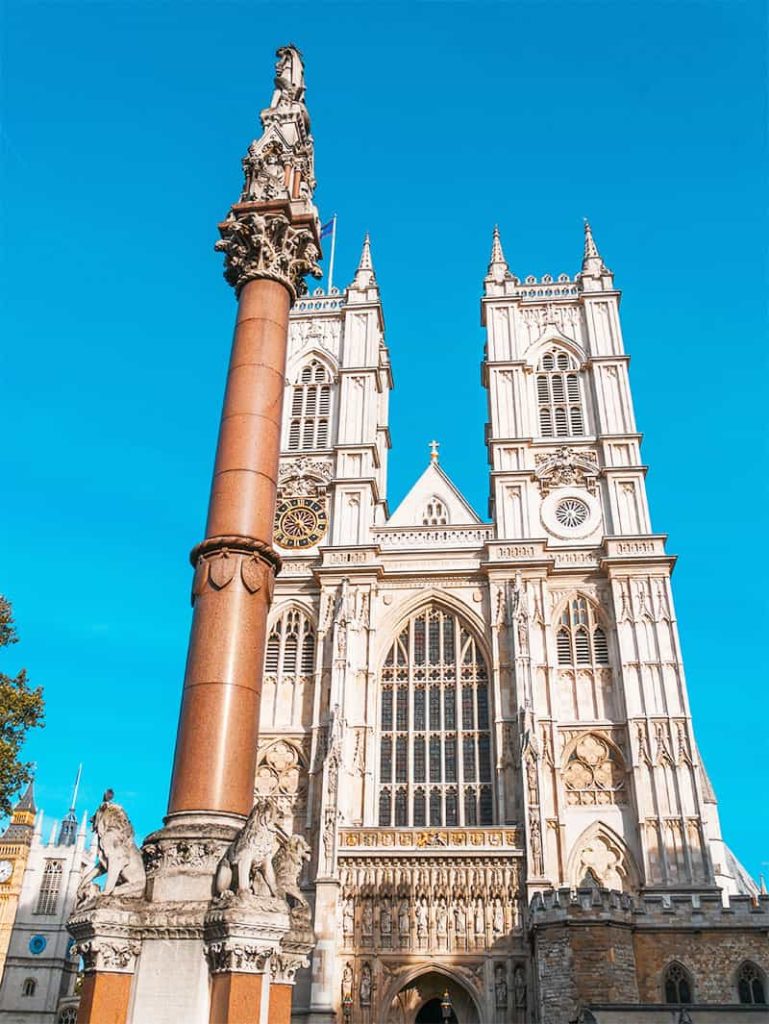
    Despite its name, this famous London monument is not actually an abbey. Its official name is The Collegiate Church of St Peter, Westminster.

    Commissioned by Henry III to honor Edward the Confessor, it was completed in 1272. The new Gothic style building houses the highest Gothic vault in England, at 102 feet.

    One of the most important landmarks in London, this was once the home of Benedictine monks. It then became a popular place for royal weddings and the final resting place of many royalty and historical figures. The 17th century poet Ben Jonson was buried standing up as he could only afford 2 square feet of space.

    In the Abbey sanctuary, the medieval tiled mosaic floor was created in 1268. Known as the Cosmati pavement, it predicts that the world will end in 19,683 years.

    Westminster Abbey also boasts the only remaining Anglo-Saxon door in England. It dates from between 1032 AD and 1064 AD.
    4.The London Eye, Southbank

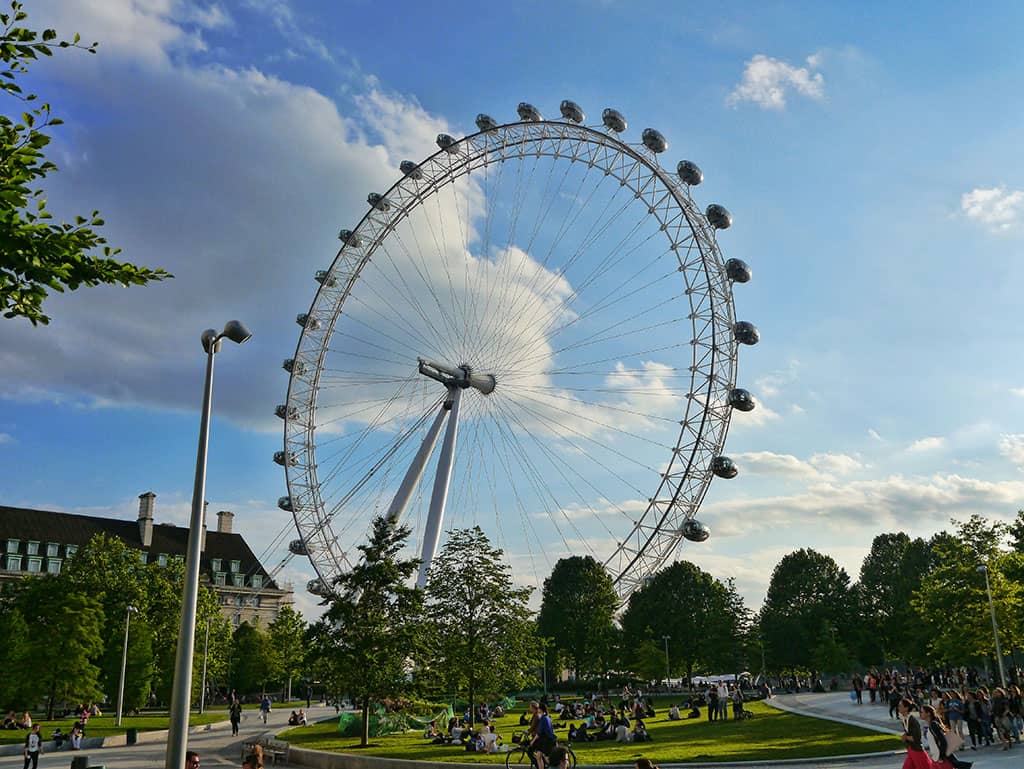
    At 135 meters, The London Eye is one of the tallest buildings in London. You can see up to 25 miles away from the viewing cabins.

    There are 32 carriages, numbered 1-33. Number 13 has been left out, as it’s considered to be unlucky. This is to represent the 32 London boroughs.

    The most popular UK paid tourist attraction, with almost 4 million annual visitors, it was originally planned to be temporary. However, a permanent licence was granted for the Southbank site in 2002.

    Among celebrities who have been on the London Eye, Kate Moss has visited 25 times while Jessica Alba has been on 31 times. Over 5,000 people have got engaged on the London Eye.
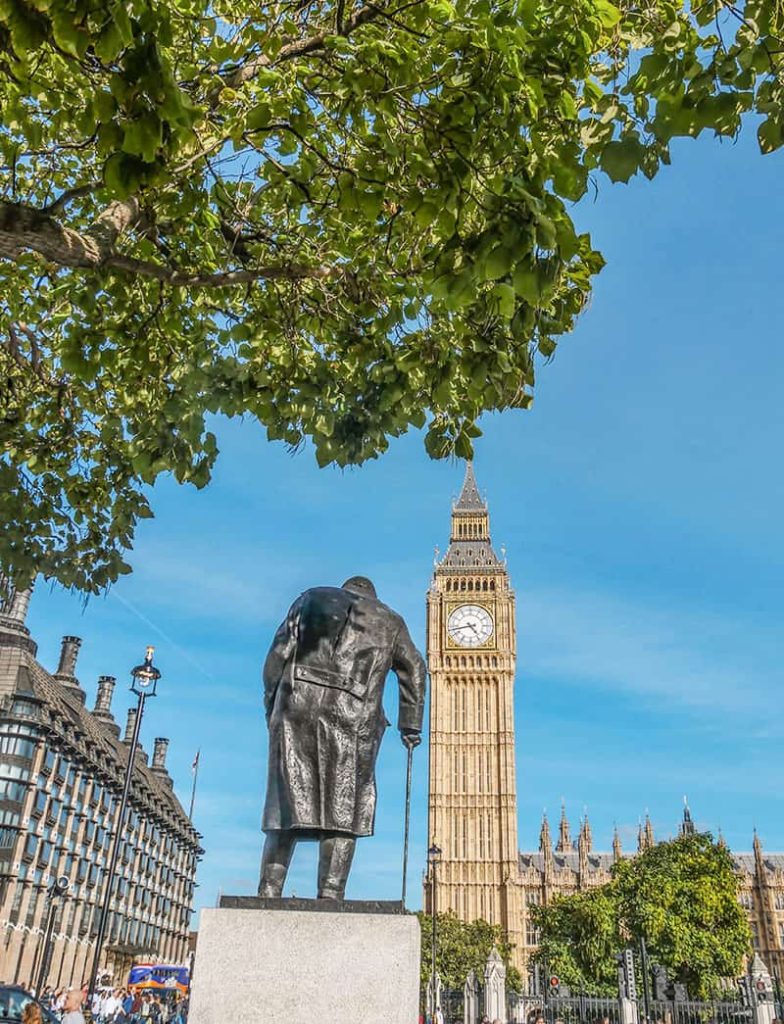
    3.Houses of Parliament and Big Ben, Westminster

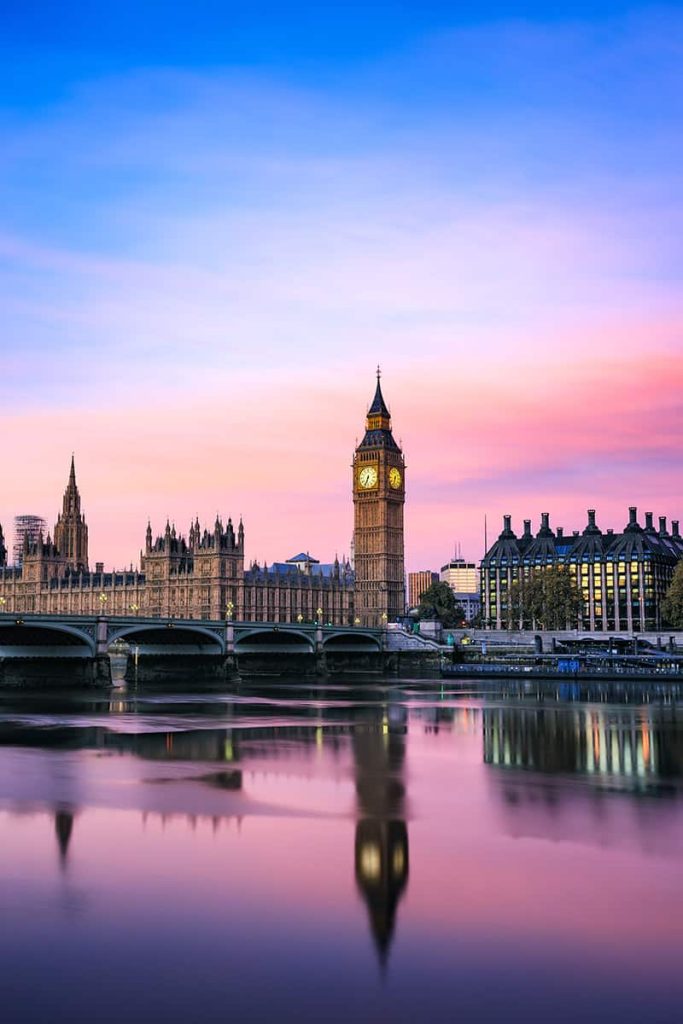
    Also known as the Palace of Westminster, this imposing riverside building was the scene of the Gunpowder Plot in 1605. Among the conspirators to assassinate King James I was Guy Fawkes. His effigy is burned every year on Bonfire Day, November 5.

    One of the most historic London landmarks, there are over 100 stairs in the Houses of Parliament and more than 1000 rooms. Both the House of Commons and the House of Lords regularly convene here.

    Big Ben is actually the nickname, not the actual name of the Great Bell in Elizabeth Tower. This famous clock tower nickname comes from Sir Benjamin Hall, who supervised the rebuilding of the Houses of Parliament which were destroyed in the Great Fire of 1834.

    Another reason for the Big Ben name is the weight of the bell – 16 tons! Inaugurated in 1859, the tower was designed by famous architect Augustus Pugin.
    2.Tower of London, City of London

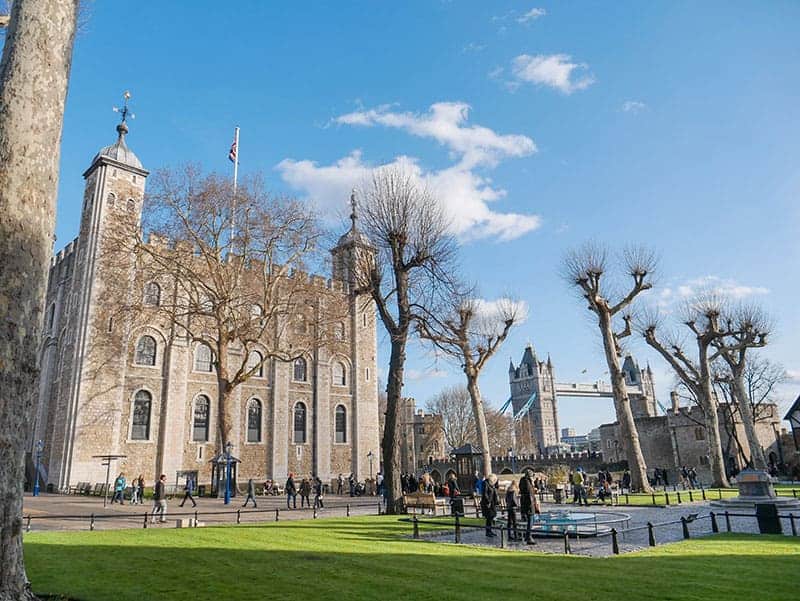
    Over the years, this iconic London building has been a palace, defence fortress and prison. The Kray twins were the last prisoners held here. Anne Boleyn and Katherine Howard, two of Henry VIII’s wives, were imprisoned in the central White Tower and executed here.

    Dating from 1066, it is now a UNESCO World Heritage Site and an important part of British history. The Jewel House is where the crown jewels worth over $32 billion are displayed.

    According to legend, if the ravens of the Tower of London ever leave, the monarchy will fall. They’re taken care of by a Ravenmaster who is also a Beefeater.

    These Beefeaters were personal bodyguards to Henry VII in the 1400s. They tasted his beef to make sure that it wasn’t poisoned. Nowadays, they lock up the Tower of London every night at 9.53 pm in the Ceremony of the Keys.

    The Tower of London is said to be haunted by the ghosts of Anne Boleyn, Lady Jane Grey, Henry VI, the Princes in the Tower and even a grizzly bear that once lived there. The Royal Menagerie was a collection of exotic animals including tigers, lions and a polar bear that hunted for fish in the Thames.
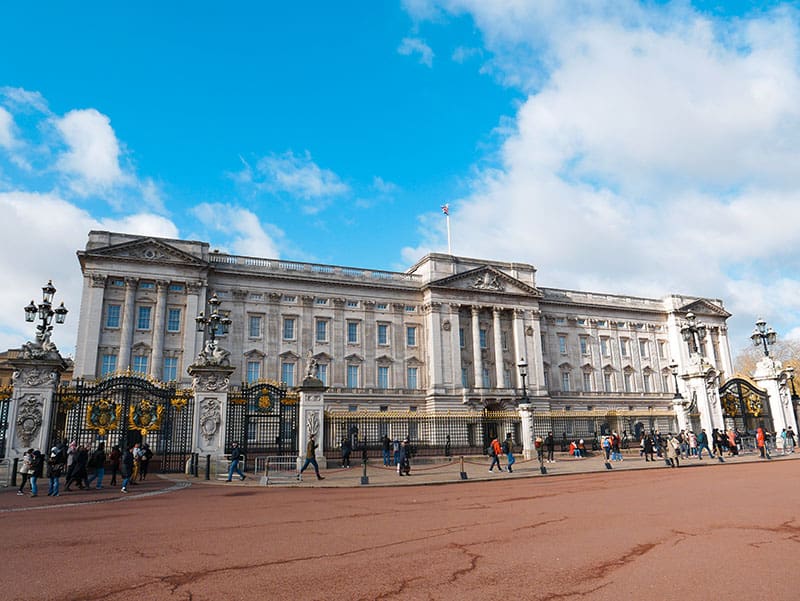
    1.Buckingham Palace, St James’s

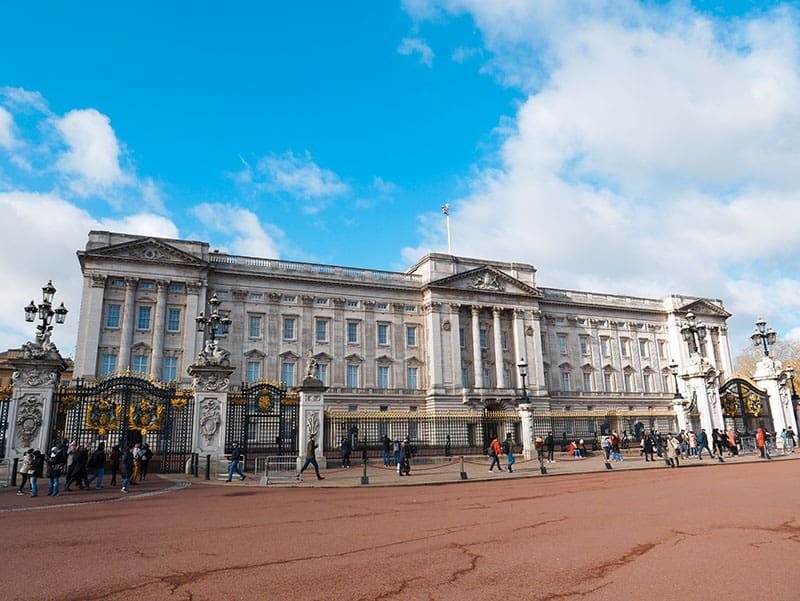
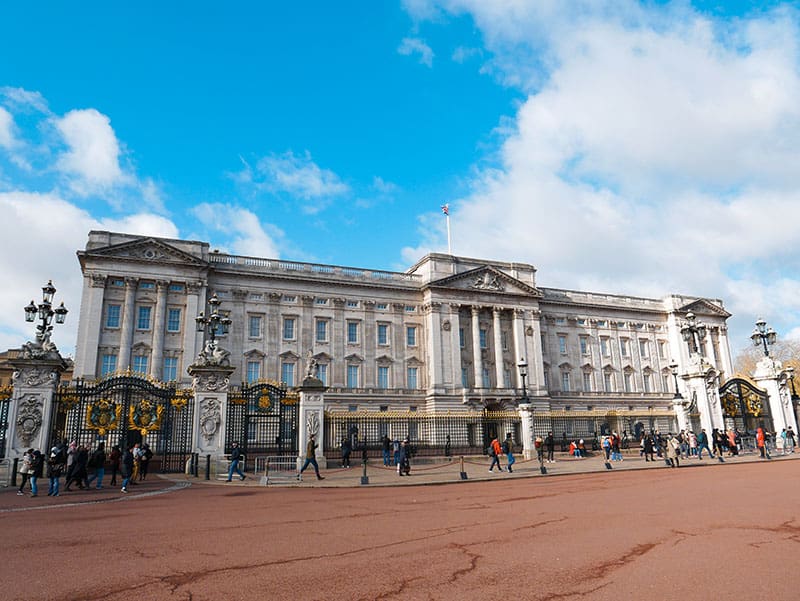
    The official residence of the Queen, Buckingham Palace is one of the most famous European landmarks. The palace has 78 bathrooms, a post office, police station, swimming pool, doctor’s surgery, helipad and a movie theater.

    There are over 350 clocks and watches, and 800 staff members. The largest room is the Grand Ballroom, at 36.6 m long. Underneath Buckingham Palace, there are secret tunnels leading to the streets of St James nearby.

    The Queen Mother and George VI explored them on several occasions and once met a squatter living there. In 1838, a teenager named Edward Jones broke into the palace and stole some of Queen Victoria’s underwear.

    You can tell when the Queen is in residence, as the Royal Standard flies when that is the case. When she’s not there, the Union Jack flag flies.
    Final Thoughts on the Most Famous London Landmarks

    London’s appeal extends far beyond its historic landmarks. The city offers an abundance of cultural attractions and experiences that cater to every interest.

    From world-class museums like the British Museum and the National Gallery, to vibrant West End theaters, London provides an unparalleled array of famous sights. Visitors to London can enjoy ceremonies like the Changing of the Guard or explore trendy neighborhoods like Shoreditch and Soho.

    There are so many things to do in London that you’ll never be bored! When you’re planning your next trip to the UK, be sure to add some of these famous landmarks in London to your itinerary.
  • Santorini Blue Domes: 10 Most Beautiful Churches To Visit

    Santorini Blue Domes: 10 Most Beautiful Churches To Visit

    If you’re planning a trip to this Greek island, you’ve likely seen photos of the famous Santorini blue domes. These iconic structures are a symbol of the island’s charm and rich cultural heritage. You can find them all over the island, from small chapels to larger churches.

    Read our quick guide to find out which ones are worth visiting and where to get the best shots of the blue dome churches.

    Introduction to the Santorini Blue Domes

    The bright blue domes of Santorini hold a special place in the hearts of locals and visitors alike. Apart from their beauty, they embody the spirit of this extraordinary place, evoking a sense of tranquility and wonder.

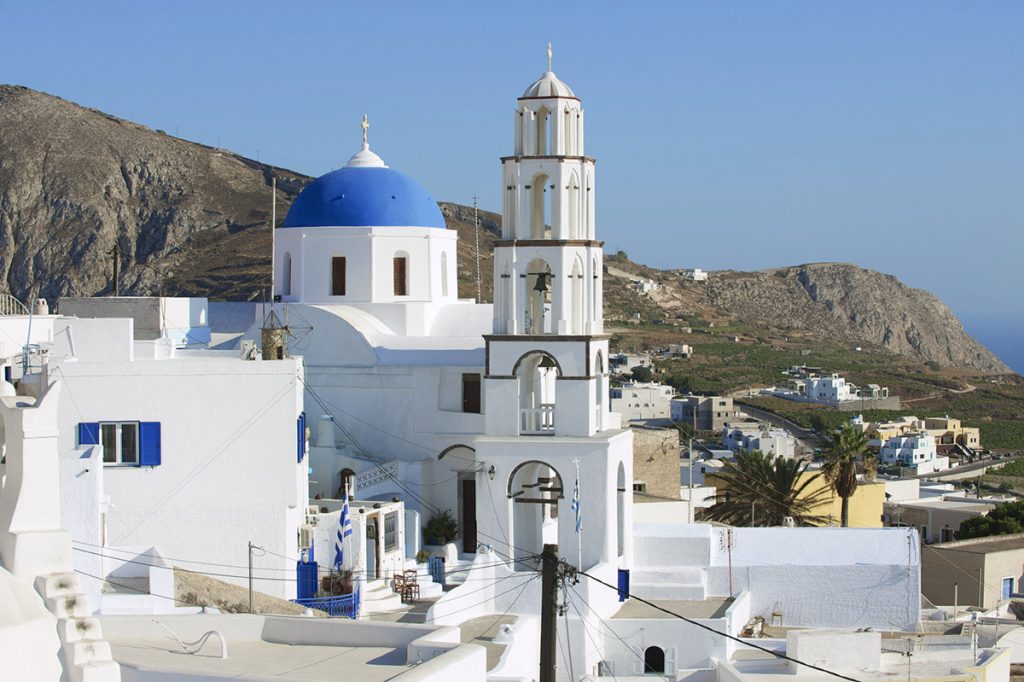
    These blue domes churches are typically built with white-washed walls and blue domes, which symbolize the colors of the Greek flag. The blue color of the dome is believed to represent the sky and the sea, which are an integral part of life on the island.

    Another reason for the island’s white washed buildings is that they were cheap and easy to disinfect during cholera outbreaks at the beginning of the 20th century. Then from 1967 to 1974, the military Junta made it obligatory for all buildings to be painted blue and white as a show of patriotism.

    List of Santorini Blue Domes

    Santorini’s iconic blue domed churches are a must-see attraction for any traveler visiting the island. These picturesque churches with their white-washed walls and blue domes are a photographer’s dream. In this section, we’ll provide you with the best photo locations, views, and spots to capture the perfect shot of the Santorini Blue Domes.

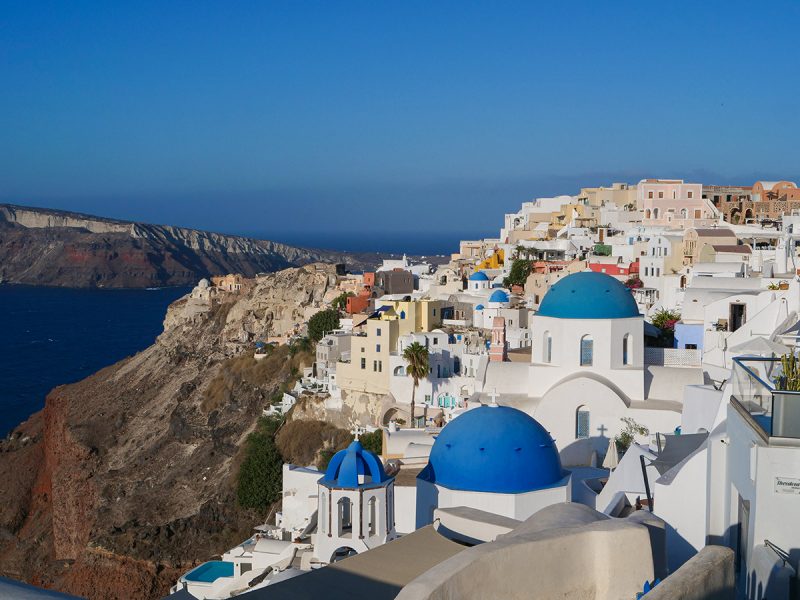
    The Santorini blue domes feature in almost every single postcard from the quintessential Cycladic island. These iconic blue domes can be found throughout the island, but the most famous ones are located in the village of Oia.

    1.Saint Spyridon Holy Orthodox Church and Anastasi Church, Oia

    The three blue domes of the Anastasi Church and Saint Spyridon Church in Oia are probably the most photographed and recognizable of all the landmarks in Santorini. These two photogenic churches are famous for the blue cupolas that crown the whitewashed walls.

    St. Anastasi Church was completed in 1865, while St. Spyridon Church was finished in 1867. The latter has a blue belfry as well as a blue church roof.

    Located right next to each other on an unnamed road, they can be found just south of the main shopping street in Oia, Nikolaou Nomikou Street. Turn left down the pathway just before Patisserie Medevio. Don’t forget to bring your camera, as this is one of the most picturesque spots on the island.

    2.Agios Theodoroi Church, Firostefani

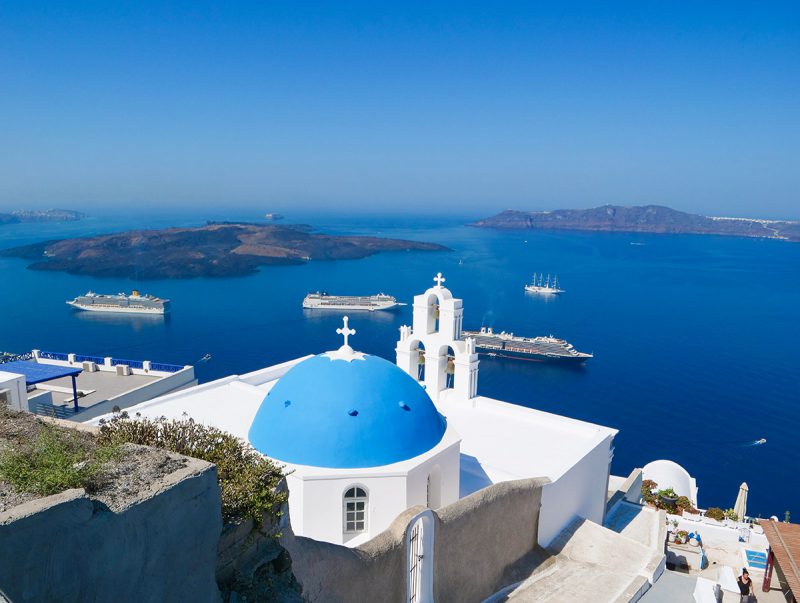
    Another great location to capture the blue domes is the Agios Theodori Church in Firostefani. This church is also known as the Three Bells of Fira and Saint Theodoros Thira Holy Orthodox Church. Yes we agree, it’s confusing!

    Constructed in 1757, this iconic Santorini church was extended and refurbished many times, including after it was damaged in the 1956 earthquake. It is surrounded by beautiful white-washed buildings and offers stunning views of the sea. We went there at sunset in September and while it was fairly crowded, it was certainly bearable.

    It is located along the picturesque path connecting Fira to Firostefani. Allow 10-15 minutes to walk there from the center of Fira, depending on the crowds. You get the best views by walking past the church and up into a car park.

    3.Church of Panagia Akathistos Hymn, Oia

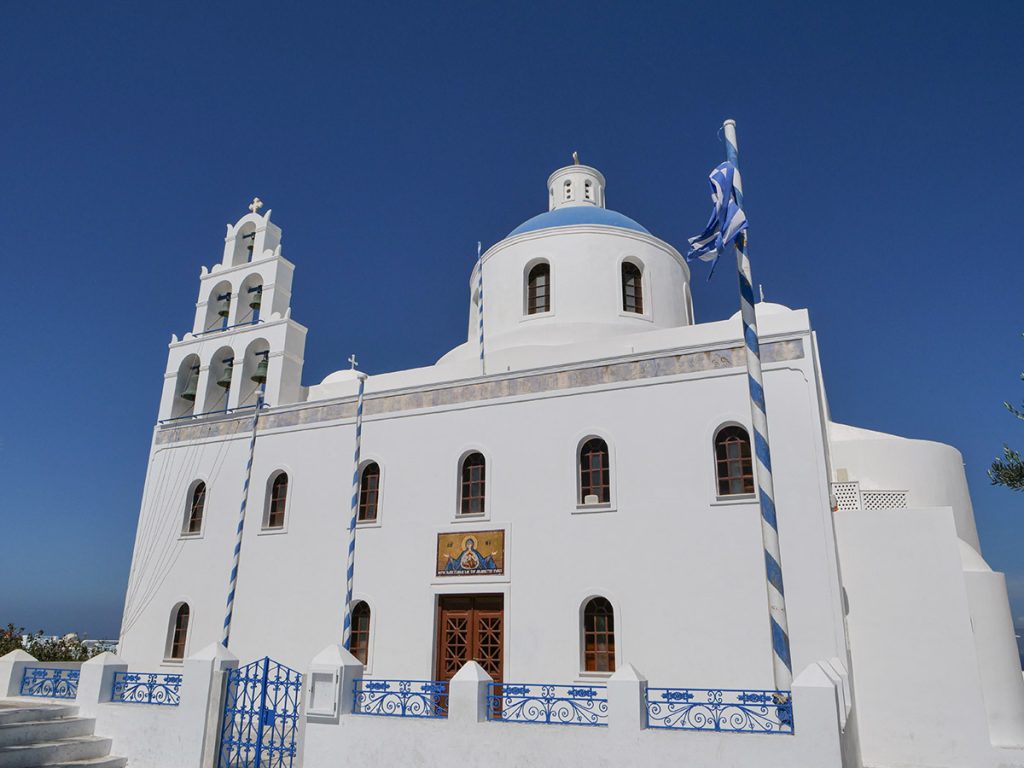
    Also known as Panagia Platsani Church and the Chiesa di Panagia Akathistos Hymn, this Greek Orthodox edifice in the village of Oia is popular among visitors.

    This Greek Orthodox church boasts a beautiful blue cupola. Although you don’t get sea views from here, it’s easy to find, being right on the main square in Oia.

    It’s quite easy to get photos here as the square is pedestrianized, although it can get busy when the cruise ships are in port.

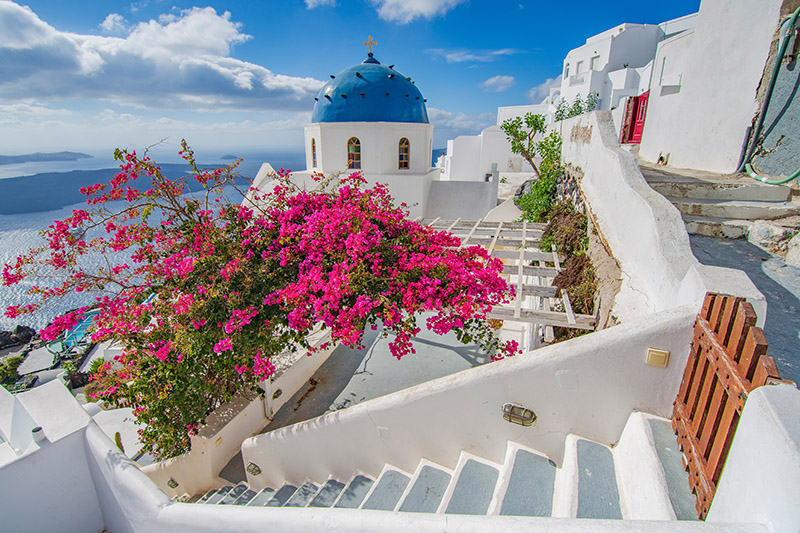
    4.Church of the Resurrection of the Lord, Imerovigli

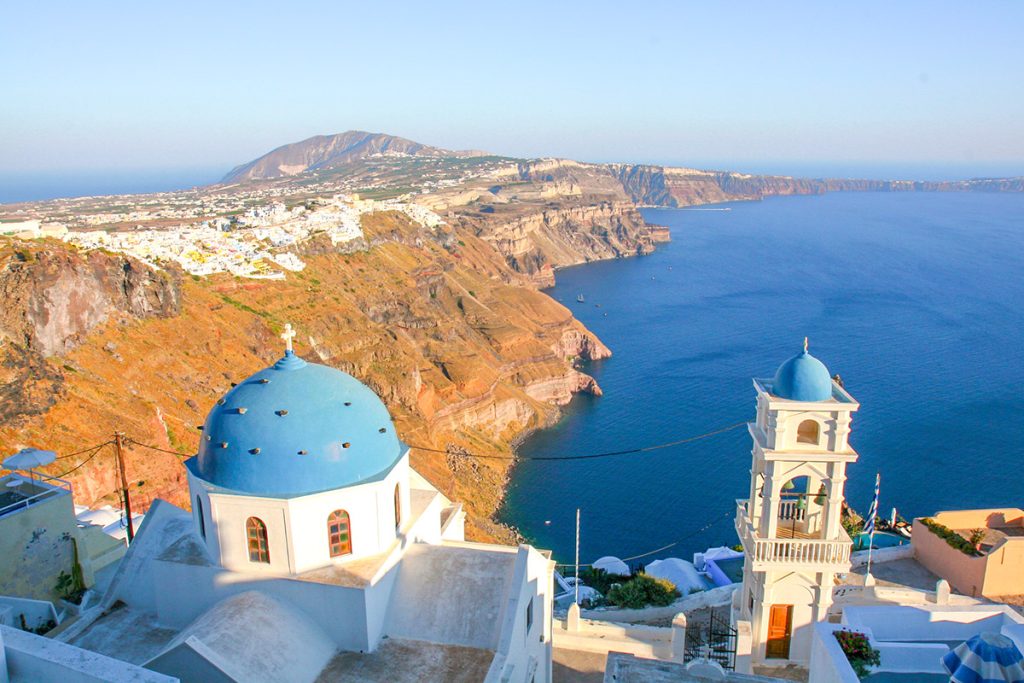
    One of the most famous blue domes in Santorini is the Resurrection of the Lord Holy Orthodox Church in Imerovigli. Also known as Anastaseos church, its stunning backdrop of the Aegean Sea and the white-washed buildings make it the perfect location for capturing the perfect shot.

    The design is unique, with a bell tower that looks like a castle turret and a blue dome with a cross on top. This Santorini church is dedicated to the resurrection of Christ and is a popular stop on the walking trail from Fira to Oia.

    However, it can get crowded with tourists, especially during peak season. If you want to avoid the crowds, we recommend visiting early in the morning or late in the evening.

    5.St. Epifanios Traditional Orthodox Church, Akrotiri

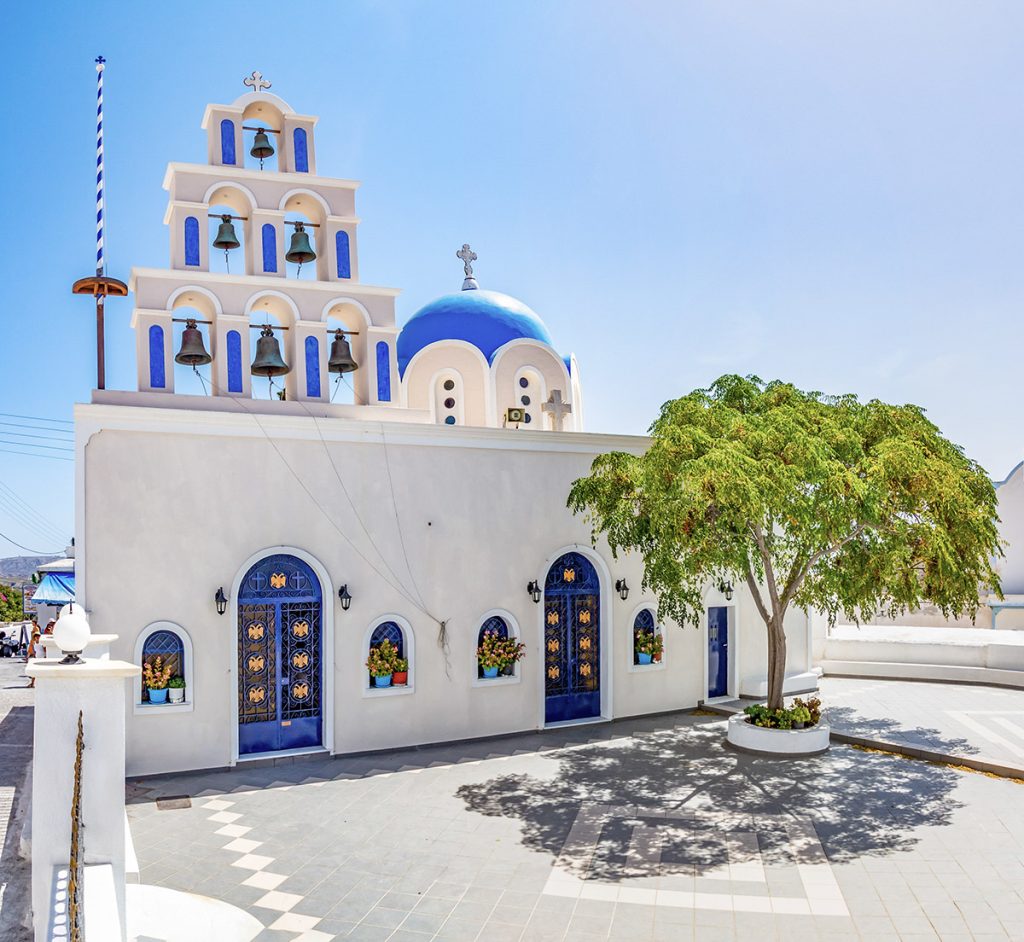
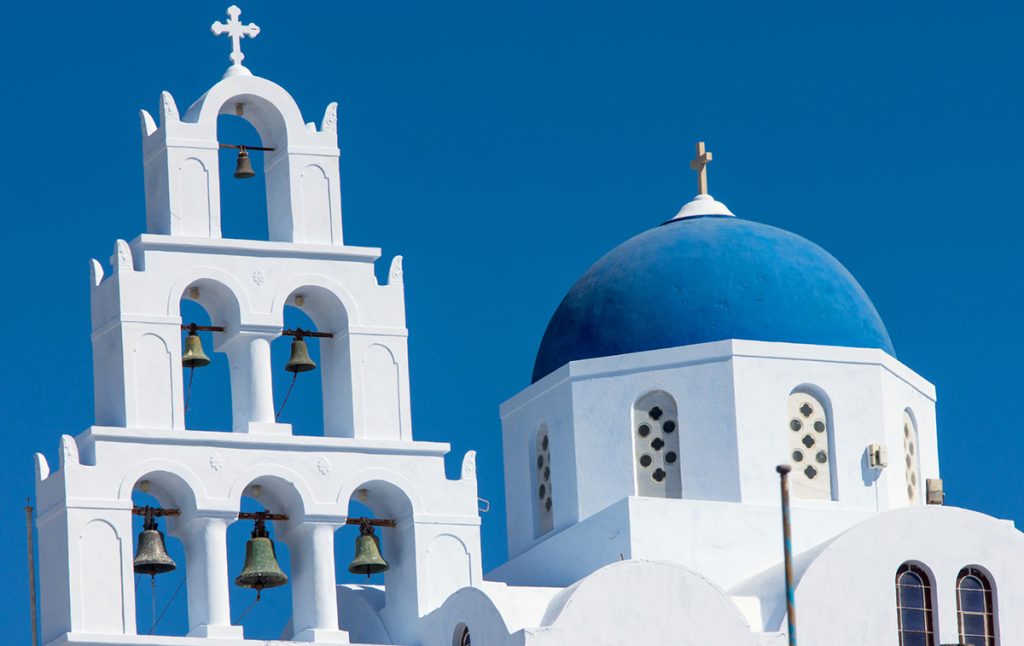
    You can see a blue domed church in Santorini without too many crowds in the charming village of Akrotiri. St. Epifanios Church has a charming belfry with 6 bells.

    This picturesque church doesn’t have a sea view but is next to several restaurants with outdoor terraces. Built in 1673, the Holy Church of Agios Epiphanios celebrates its feast day on May 12.

    6.Holy Church of the Transfiguration of the Savior, Pyrgos Kallistis

    Known as the Metamorphosi tu Sotiros Christos in Greek, this stunning blue domed church can be found in the picturesque village of Pyrgos.

    It has a unique octagonal shaped dome which is the only one on Santorini island and was restored in 1953. You can find it below Pyrgos Castle.

    7.Saint Georgios Oia Holy Orthodox Church

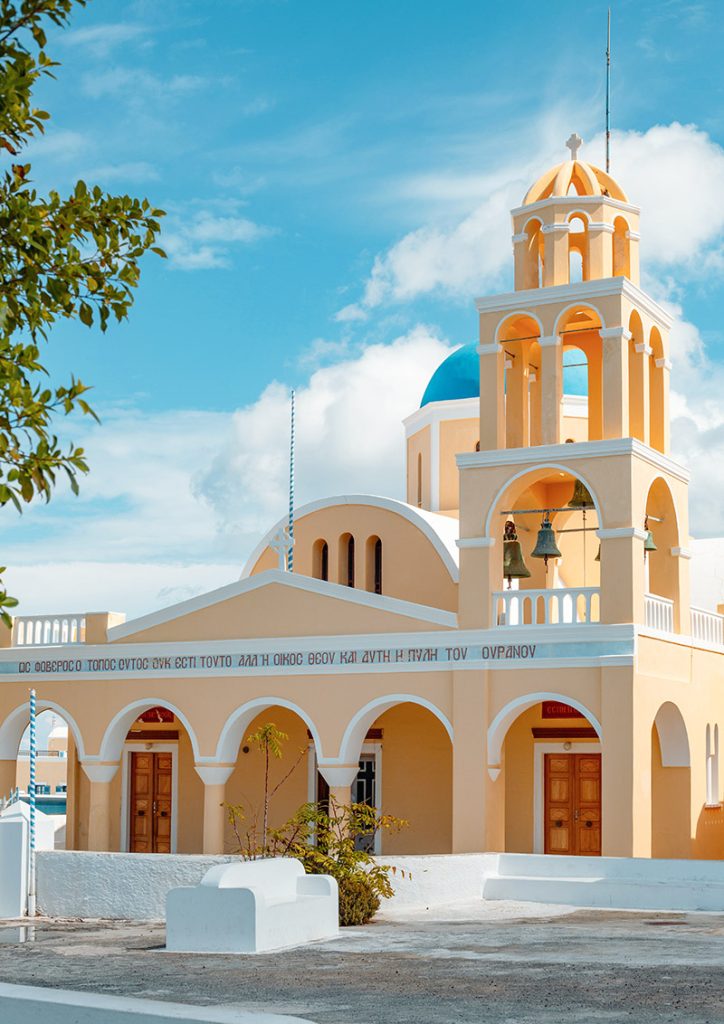
    Standing out from the other churches in Santorini with its golden color, St Georgios is a charming sight. This Greek Orthodox church can be found to the east in Oia, close to Canaves Oia Suites.

    Restored in 1967 after the earthquake of 1956, it’s located on a large square so there’s plenty of space to take photos and sit and rest.

    8.Agia Theodosia, Pyrgos

    Located near to Pyrgos Castle gate, this scenic Santorini church was built in 1639. It was damaged in the earthquake and rebuilt in 1965.

    The church’s feast day is celebrated on May 29. Unfortunately this church does need a lick of paint but it’s still attractive.

    9.Saint Sostis Holy Orthodox Church, Oia

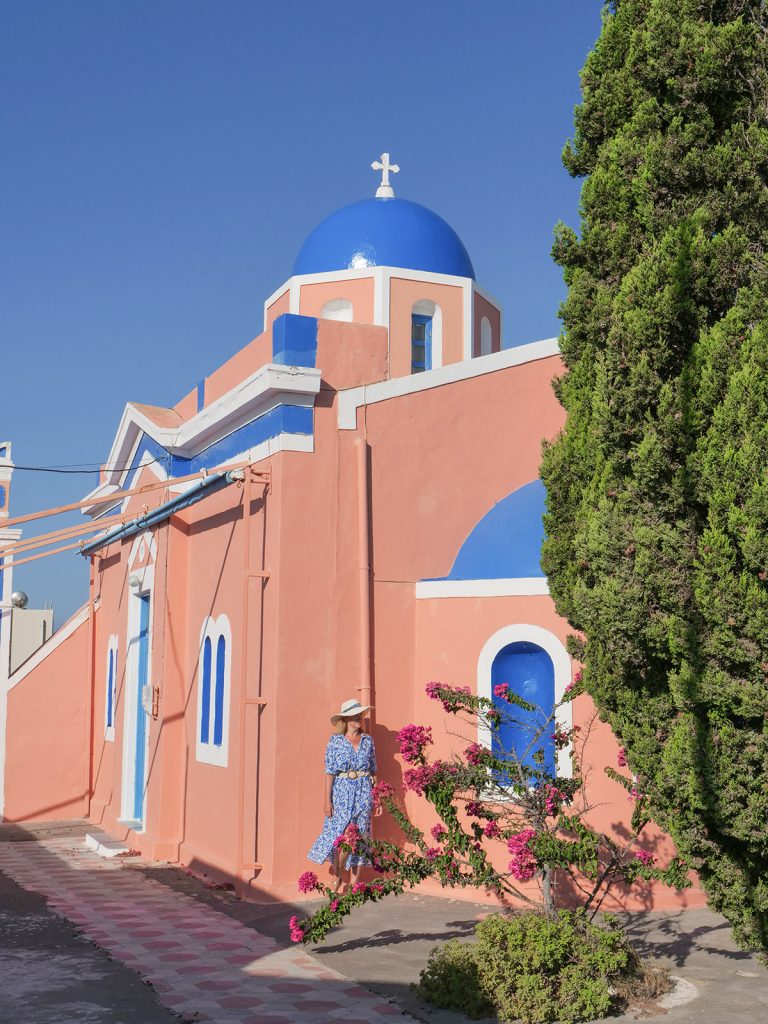
    Sometimes referred to as the Santorini pink church, we think that this religious edifice is more of a pale peach color close up. Located on the outskirts of Oia, there are never any crowds here.

    You don’t get a sea view, although it’s actually close to the sea but it’s impressive nonetheless.

    10.Panagia Theoskepasti Chapel, Imerovigli

    Panagia Theoskepasti Chapel is perched dramatically on the cliffs near Skaros Rock. This hidden gem requires a scenic 20 minute hike from Imerovigli center, which keeps the crowds at bay and makes it perfect for photography. Wear sensible shoes as the path has a lot of stones.

    The chapel features the classic Cycladic architecture with brilliant white walls and a stunning blue dome, all set against the backdrop of the infinite Aegean Sea. The name “Theoskepasti” translates to “covered by God,” highlighting the Virgin Mary’s significance as a spiritual refuge.

    To reach the chapel, follow the hiking trail from Imerovigli toward Skaros Rock, but instead of climbing up to the rock formation, continue on the coastal path until you reach the chapel. The trail offers breathtaking caldera views throughout the journey, making the hike as rewarding as the destination itself.

    Tips for Visiting the Blue Domes of Santorini

    The blue domes of Santorini are not just a stunning sight to behold, but also a significant feature of the island’s rich cultural heritage. They are a must-visit attraction for any traveler to this beautiful Greek island and are sure to leave a lasting impression on you.

    When visiting the blue domes of Santorini, it is important to be respectful of the local culture and traditions. These blue domes churches are still active places of worship, so it is essential to behave respectfully while visiting them.

    Do not try to climb on the roof or jump over a private fence to get a better view! And if visiting inside one of the churches of Santorini, remember to cover your shoulders and remove any headgear.

    If you’re looking for a bar to watch the sunset in Santorini, be aware that the prices are much higher at this time of day. Even a simple snack bar insists that you purchase a 40 euro bottle of wine for a sunset view.

    So if you’re on a budget, head to a local supermarket, buy some picnic food and find a spot to enjoy it. If you get there early enough, there are some benches with sunset views in Firostefani.

    Best Views of the Blue Domes of Santorini

    For the best views of the blue domes, head to Oia’s highest points. The views from the castle ruins and the Byzantine Castle are breathtaking.

    The top photo spot for capturing the blue domes of Oia could well be the stairway leading up to the Resurrection of the Lord Holy Orthodox Church. This place offers the perfect angle for capturing the blue domes and the stunning backdrop of the sea and the white-washed buildings. It’s a popular place, so be prepared to wait your turn to get the perfect shot.

    The castle ruins are located at the western end of Oia and offer panoramic views of the village and the sea. The Byzantine Castle is located at the eastern end of Oia and offers stunning views of the caldera and the sunset.

    Another great spot for views is Skaros Rock in Imerovigli. This rock formation offers panoramic views of the sea and the surrounding villages. It’s a bit of a hike to get to the top, but the views are well worth it.

    In Fira, head to the Three Bells and walk up past Mama’s Restaurant until you find a car park. Here, you’ll find quite a few people at sunset but enough space to get your shot.

    Other Beautiful Churches in Santorini

    Santorini’s churches are an essential part of the island’s cultural heritage. Each church has its unique architecture and history, making them a must-visit destination for anyone visiting the island. While these ones don’t have a blue dome, they’re all beautiful churches in their own way.

    1.Candlemas Holy Orthodox Metropolitan Cathedral, Fira

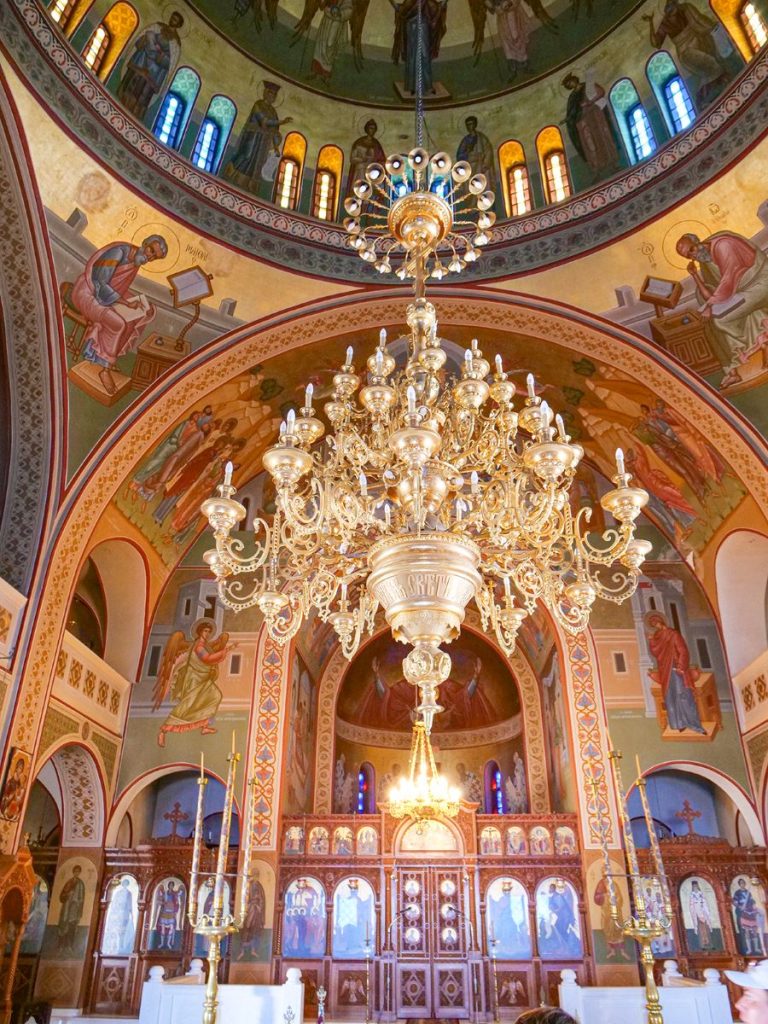
    Located in the heart of Fira, the Orthodox Metropolitan Cathedral is one of the most significant religious sites in Santorini. The church’s architecture is a mix of Byzantine and traditional Cycladic styles, with a stunning bell tower and beautiful frescoes adorning the walls.

    The church is dedicated to the Akathist Hymn of the Virgin Mary and is a popular destination for religious pilgrims.

    2.Monastery of Profitis Ilias, near Pyrgos

    Perched atop the highest point of Santorini, the Monastery of Profitis Ilias offers breathtaking views of the island. The monastery was built in the 18th century and is dedicated to the prophet Elijah.

    The church’s architecture is simple and elegant, with white walls and a blue dome. The monastery also has a small museum that showcases religious artifacts and traditional Greek costumes.

    3.Cathedral of St. John, Fira

    The Catholic Cathedral of St. John is one of the most stunning churches in Santorini. The church’s architecture is Baroque, with peach-colored walls and blue molding.

    The clock tower is a prominent feature that sets it apart from other churches on the island. This beautiful building is located in the heart of a Catholic neighborhood in Fira and is a popular destination for tourists.

    4.Agioi Theodoroi Church, Firostefani

    The Agioi Theodoroi Church, also known as the Church of Saints Theodore, is located in Firostefani village. The church’s architecture is traditional Cycladic, with a white dome and bell tower. The church is dedicated to Saints Theodore and is a popular destination for religious pilgrims.

    Travel Tips for Visiting Santorini

    If you’re planning a trip to Santorini to see its famous blue domes, there are a few travel tips you should keep in mind. Here are some helpful tips to make your visit to Santorini as smooth and enjoyable as possible.

    Driving in Santorini

    Santorini is a relatively small island, so getting around is easy. If you’re staying in one of the island’s larger towns, like Fira or Oia, you can easily drive to most of the island’s attractions in less than 30 minutes.

    Renting a car is the easiest way to get around, but if you’re not comfortable driving on narrow, winding roads, you can also hire a taxi or take a bus. Parking is also extremely challenging in Fira, particularly in the hours leading up to sunset.

    Google Maps

    Google Maps is an incredibly useful tool for navigating Santorini. The app provides detailed directions and real-time traffic updates, so you can easily find your way around the island.

    Just be aware that some of the island’s smaller roads may not be accurately mapped, so it’s always a good idea to double-check your route before setting out.

    Luxury Hotels in Santorini

    If you’re looking for a luxurious way to experience Santorini, consider booking a hotel room with a private pool, such as the ones at NOUS Santorini in Messaria and Santo Pure in Oia. A private plunge pool is perfect for cooling off on hot summer days, and some even offer views of the island’s famous caldera.

    Final Thoughts on the Santorini Blue Domes

    In conclusion, the blue domed Santorini churches are a photographer’s dream. With the right location, view, and spot, you can capture the perfect shot of these iconic churches.

    Whether you’re an amateur or a professional photographer, Santorini’s blue domes offer endless opportunities for capturing stunning photos.

  • 23 Best Portugal Beach Towns In 2025

    23 Best Portugal Beach Towns In 2025

    Are you looking for the best beach towns in Portugal? From laid-back fishing villages to bustling resorts, this country offers something for everyone.

    Whether you’re a fan of relaxing by the Atlantic Ocean or exploring vibrant streets lined with shops and cafes, these Portugal beach towns are sure to have something for you.

    Dive into an exciting mix of culture, sun-kissed sand beaches and crystal clear waters that will make your next destination complete!

    Introducing the Best Beach Towns in Portugal

    Portugal boasts some of Europe’s most stunning shorelines with crystal clear waters, golden sands, and rugged cliffs. The country’s endless coastline is peppered with picturesque coves, charming fishing villages, and bustling beach towns with lively nightlife.

    If you’re planning a trip to Portugal, you can’t leave without exploring some of the country’s best seaside towns. In this article, we’re going to take a closer look at some of the best Portuguese beach towns, ideal for summer seaside holidays and year-round getaways.

    You can choose from the vibrant and bustling towns of Lagos and Albufeira, or opt for quieter destinations such as Sesimbra or Sao Rafael. Each of these Portugal coastal towns has its own unique charm and charisma, so why not pack your sunscreen, put on your shades and explore these magnificent towns firsthand?

    1.Ericeira

    Ericeira, on the West coast of Portugal, is a true paradise for surfers. If you love to ride the waves, then you really need to make the trip to this beautiful Portuguese town.

    With its clear blue waters and consistently impressive surf, Ericeira is one of the best destinations for surfers from all over the world. But Ericeira isn’t just for surfers – there is something here for everyone.

    Whether you want to try your hand at surfing for the first time, or simply relax on the stunning beaches and soak up the sun, there’s plenty to keep you busy here. So why not grab your board and come on over to Ericeira for the adventure of a lifetime?

    2.Lagos

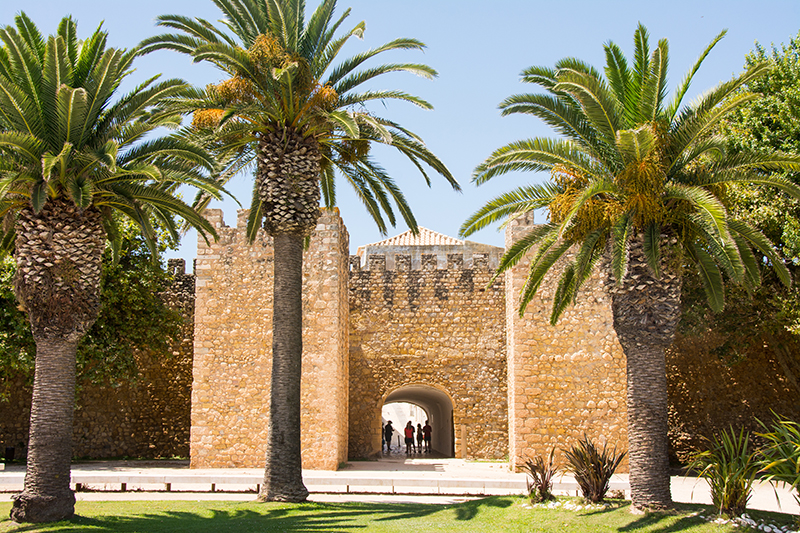
    Located in the Algarve region of southern Portugal, Lagos is a great place for beach-goers and surfers looking for lively nightlife, vibrant cafes, and stunning sea views. The town is steeped in history, with ancient walls and a vibrant cultural scene.

    Visitors can explore Lagos Old Town, lined with boutiques, galleries, and historic monuments, and wander through the charming cobbled streets. The beaches around Lagos are some of the most beautiful in the Algarve, including the Praia da Dona Ana, considered one of the most scenic beaches in the world.

    3.Sesimbra

    If you’re looking for a fun and relaxed spot to enjoy boating and beach games, Sesimbra should be high on your list. This charming Portuguese town on the coast offers ample opportunities to get out on the water, whether you want to rent a kayak, take a guided sailing trip, or hop aboard a speedboat for an adrenaline-pumping ride.

    The golden beaches are another draw, with soft sand and crystal-clear water perfect for swimming, sunbathing, and playing beach volleyball or soccer with friends. As you soak up the sun and sea breezes, you’ll feel your cares melting away in no time.

    One of the best Portugal beach towns near Lisbon, Sesimbra is known for its medieval castle and fresh seafood. No wonder Sesimbra is a favorite among locals and tourists alike!

    4.Portimao

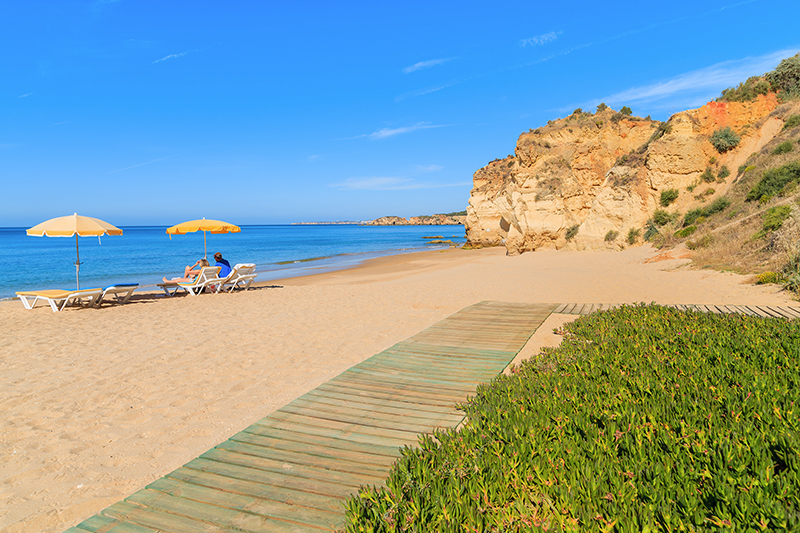
    Looking for the perfect spot to unwind and soak up some sun? Look no further than Portimao, one of the best beach towns in the Algarve.

    This gorgeous stretch of beach in southern Portugal has everything you need for a relaxing and rejuvenating vacation. With its crystal-clear waters, soft sandy shores, and stunning cliffs, Portimao is a favorite among travelers.

    Whether you’re looking to take a dip in the ocean, spread out your towel on the main beach, Praia da Rocha, and catch some rays, or simply stroll along the shoreline and take in the breathtaking scenery, you’re sure to find what you’re looking for at this idyllic destination.

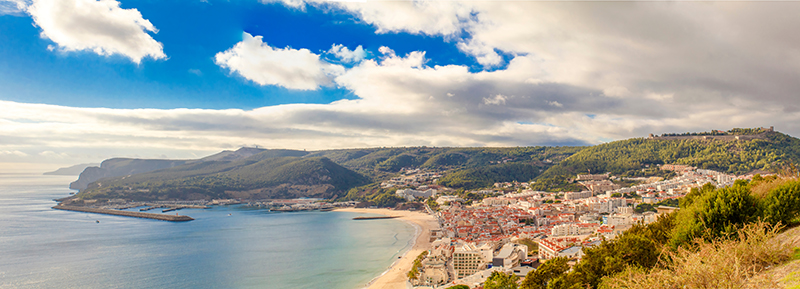
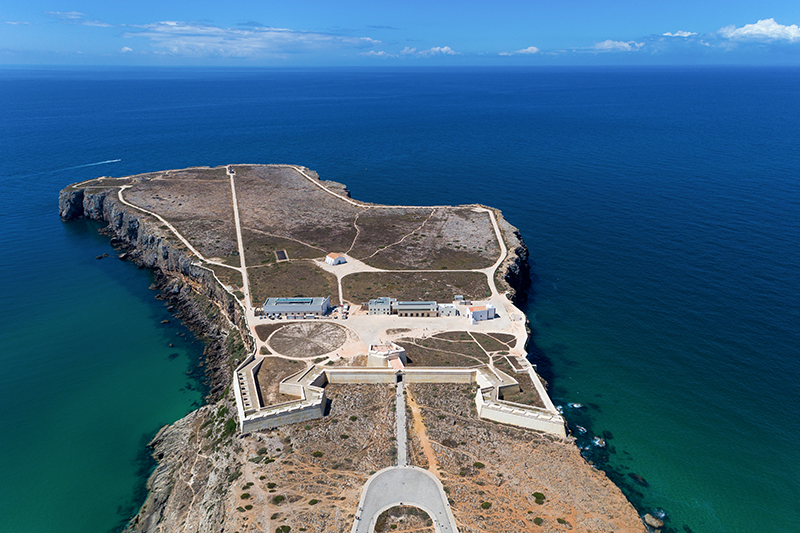
    5.Sagres

    For an adrenaline rush on your next vacation, be sure to add Sagres to your itinerary. This charming town located in the southwestern corner of Portugal has been dubbed the adventure capital of the country for good reason.
    With its rugged coastline and large waves, Sagres is a popular destination for surfers looking for the perfect wave. But surfing is just the tip of the iceberg – you can also try your hand at windsurfing or kite-boarding.

    And if you’re not a fan of water sports, Sagres also offers plenty of hiking and biking trails, rock climbing, and even paragliding. So, whether you’re a thrill-seeker or just looking to try something new, Sagres is the perfect place to satisfy your adventurous spirit.

    6.Comporta

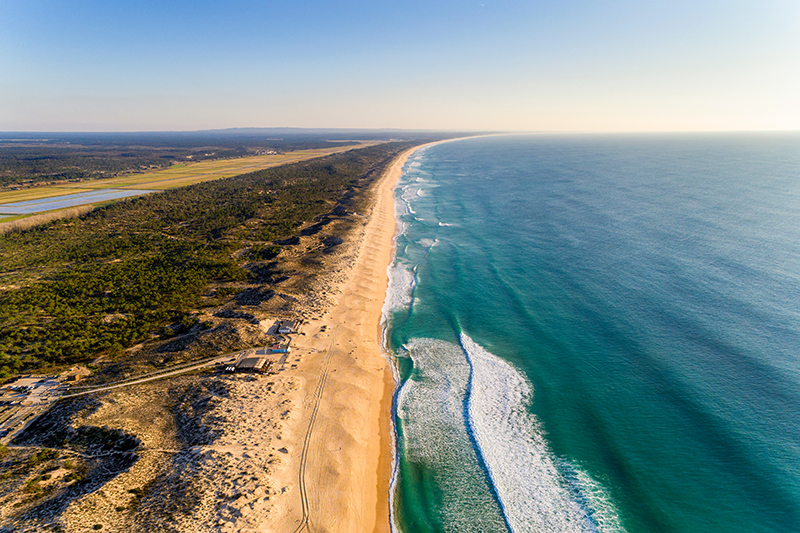
    Located on the Troia Peninsula, south of Lisbon, Comporta is a hidden gem that offers unspoiled natural beauty, with white sandy beaches and crystal clear waters. The charming beach town is surrounded by rice fields, cork oak forests, and pine woods, creating a peaceful and relaxing atmosphere.

    Comporta’s beaches are some of the most beautiful in Portugal, including Praia do Carvalhal and Praia do Pego, with long stretches of sand and dunes. The town is also known for its excellent seafood, nature trails, and laid-back vibe.

    7.Tavira

    Nestled along the picturesque coastline of Portugal’s Algarve region, Tavira is a city that beautifully marries the old with the new. Its streets are lined with charming, centuries-old buildings, but it’s also home to a lively music scene and trendy cafes.

    Strolling through the cobblestone streets, you can’t help but feel a sense of wonder at the history that surrounds you, from the ancient castle ruins of Castelo de Tavira to the medieval churches. But Tavira is no museum piece – it’s a thriving city with a youthful energy that’s infectious.

    Ilha de Tavira is an island just south of the town, known for its great beaches such as Barril Beach and Terra Estreita Beach. Part of the Ria Formosa Natural Park, it is connected to the mainland by a ferry during the Summer months.

    With so much to see and do, it’s no wonder Tavira has become a must-visit destination for travelers from all over the world.

    8.Cascais

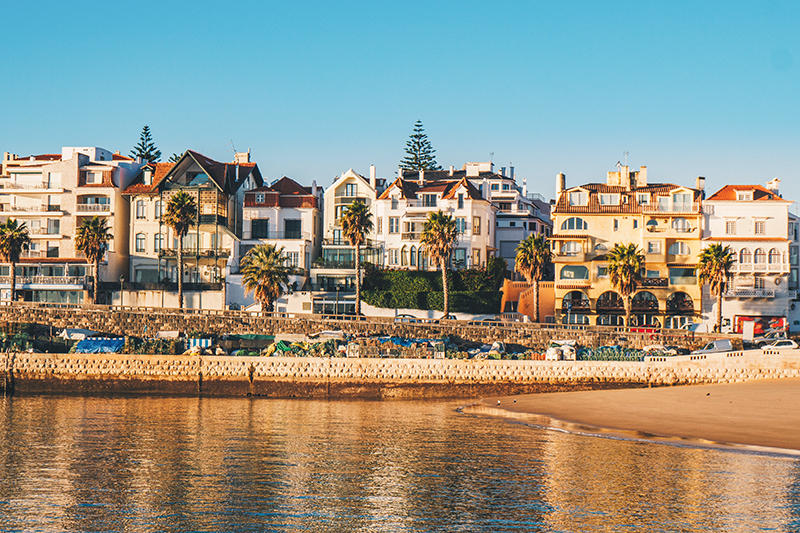
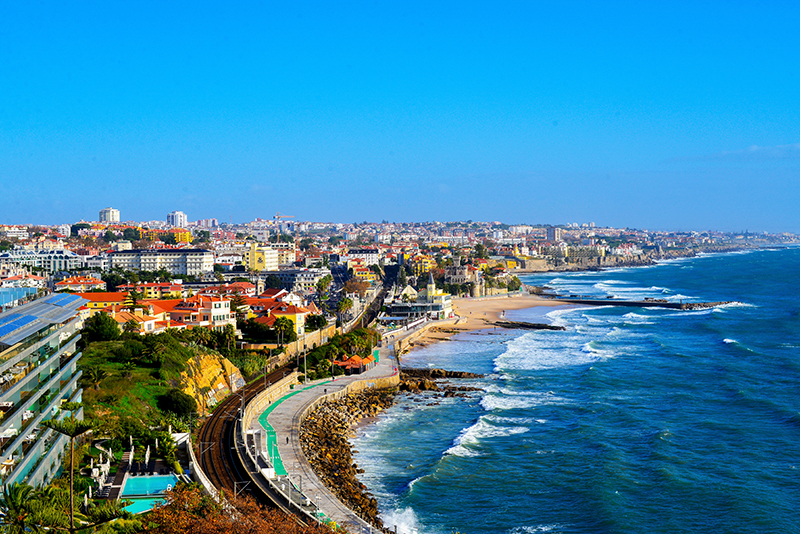
    Cascais is beautiful town that offers a perfect blend of culture, history, and beach life. It’s a popular day trip from Lisbon, being located just 30.2 kilometers away. Once a fishing village, Cascais is now a cosmopolitan town with a vibrant marina, lovely parks, and irresistible seafood.

    Cascais boasts several beautiful beaches, including Praia da Conceição, Praia da Rainha, and Praia do Guincho, popular with surfers. One of the town’s main attractions is the Boca do Inferno, a cliff formation that creates an impressive backdrop for sunsets.

    You can also easily visit Cabo da Roca, an impressive cape situated 15 km north of Cascais.

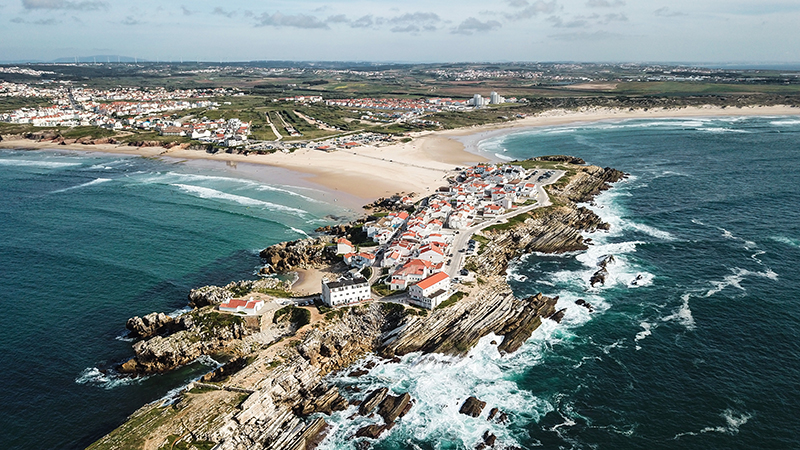
    9.Peniche

    Located north of Lisbon, Peniche is a charismatic fishing town that has become a hotspot for surfing and other water sports. The town’s rich fishing heritage is reflected in the local cuisine, with excellent seafood, fresh fish, and traditional dishes.

    Peniche offers a range of beaches that cater to different needs, from quiet coves to lively surf beaches. Baleal Beach is a favorite among surfers, while Praia dos Supertubos is known for its impressive waves.

    10.Vila Nova de Milfontes

    Nestled on the Alentejo coast, Vila Nova de Milfontes is a tranquil seaside town with stunning scenery and an unhurried pace of life. The town is situated between the Mira River and the Atlantic Ocean, creating a unique blend of landscapes.

    Vila Nova de Milfontes has several beautiful beaches, including Praia das Furnas, Praia do Farol, and Praia da Franquia, with excellent conditions for swimming, kayaking, and stand-up paddleboarding.

    11.Ponta Delgada

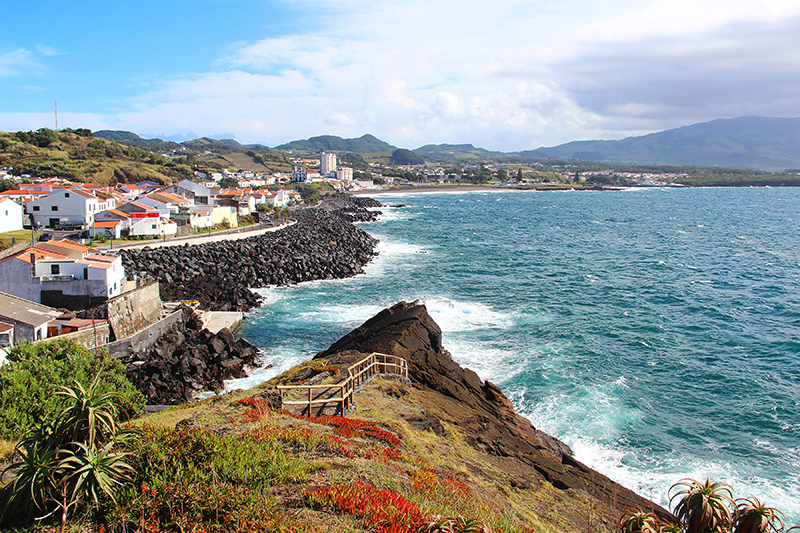
    Located on the island of Sao Miguel, in the Azores archipelago, Ponta Delgada is a picturesque coastal town that offers a mix of culture, history, and nature. The town’s historic center is filled with beautiful architecture, charming squares, and iconic landmarks, such as the Portas da Cidade, the city gates.

    Ponta Delgada has several beaches that offer a range of activities, from swimming to snorkeling, including Praia de Sao Roque and Praia de Populo.

    12.Estoril

    Estoril is a glamorous resort town that has been attracting an international jet-set crowd since the 19th century. The town’s elegant mansions, luxury hotels, and chic boutiques create a refined atmosphere that is second to none.

    Estoril has several beautiful beaches, including Praia do Tamariz and Praia da Poça, both with excellent facilities. The town is also known for its lively nightlife, Michelin-starred restaurants, and world-class golf courses.

    13.Albufeira

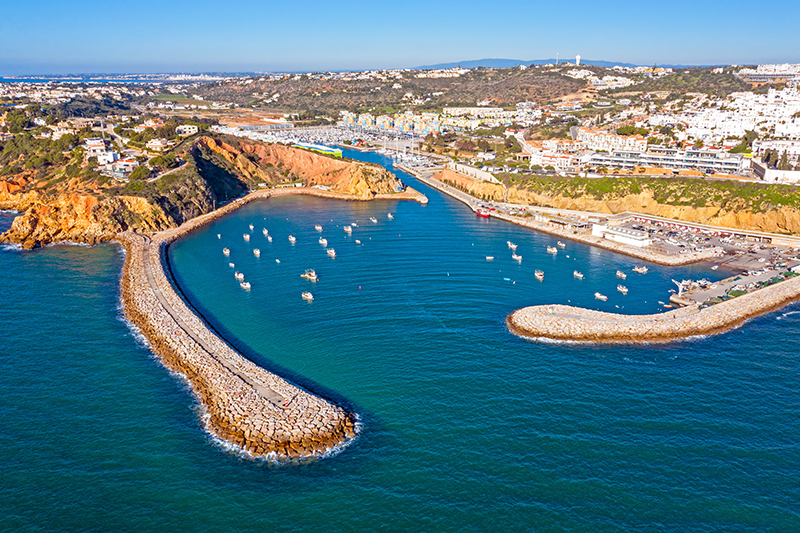
    Albufeira, in the southern part of the Algarve region, is one of the most famous Portuguese beach towns. Its charm lies in the golden sandy beaches, stunning coastline, and an array of activities for tourists.

    Albufeira provides numerous water activities such as boat tours or jet-skiing. The best beaches include Praia da Oura, Praia dos Pescadores, and Praia de Santa Eulália. Albufeira’s Old Town boasts narrow streets bordered by white houses and colorful flower pots.

    These streets offer adorable shops, restaurants with fresh seafood, and a lively nightlife scene. Albufeira has quite a modern vibe and plays host to many events, including the Albufeira Jazz Festival and the Medieval Fair, which take place annually.

    14.Ferragudo

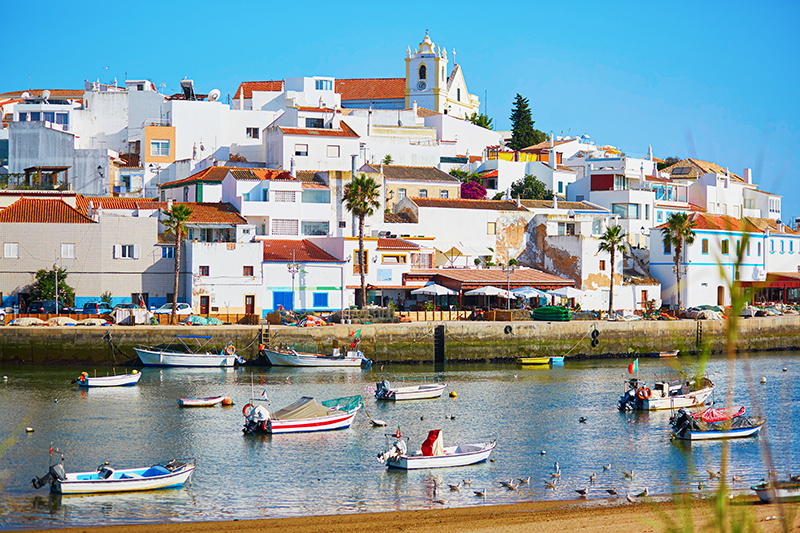
    For an authentic Portuguese experience, travel to the small fishing village of Ferragudo. Located near Portimão, Ferragudo is a hidden gem.

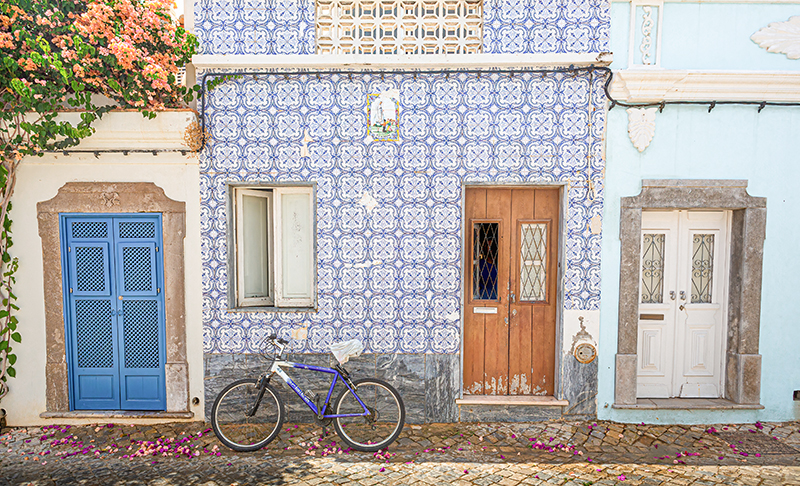
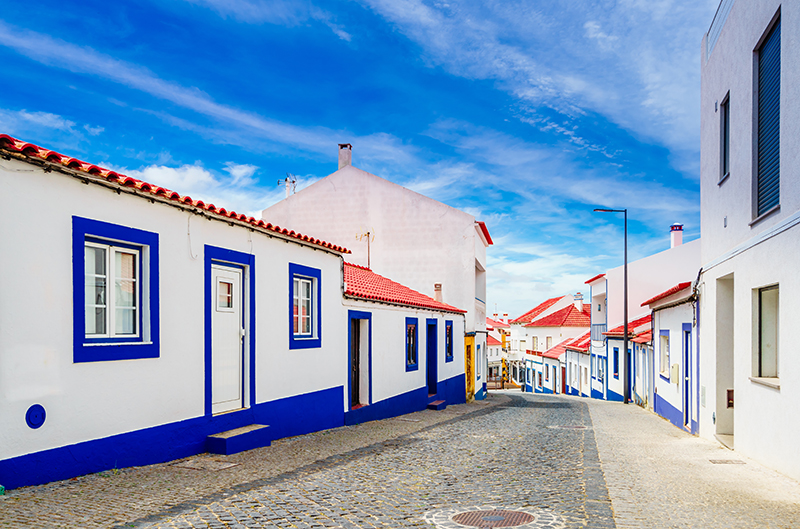
    It offers a glimpse of traditional Portugal with cobbled streets, whitewashed houses, and a small fishing port. The point of Bell Tower at the top of Ferragudo gives visitors an extraordinary view of the village, harbor, and the Arade River.

    Ferragudo’s beach, Praia Grande, is a stunning sandy beach in the cove of the village with crystal clear waters and a lovely atmosphere. Traditional Portuguese tapas can be found in Ferragudo at many local restaurants. For some of the best wine and cocktails, Ferragudo’s cafes and bars offer delightful views for the perfect drink.

    Ferragudo’s traditional culture can be explored at the Forte de São João de Arade. Also, the Ferragudo Museum, located in an 18th-century fort, showcases the district’s history.

    15.Vila do Conde

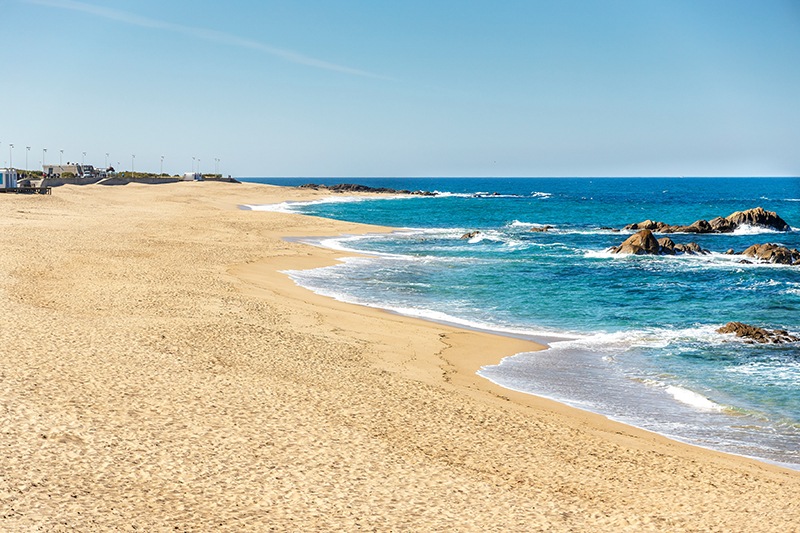
    When it comes to beautiful coastal towns in Northern Portugal, Vila do Conde stands out for its sophistication and charm. Located between the Atlantic Ocean and the Ave River, this town boasts stunning beaches, historic monuments, and a vibrant cultural scene.

    Visitors can indulge in a variety of outdoor activities such as surfing, windsurfing, and kayaking, or simply relax on the golden sands and enjoy the picturesque views. With its elegant boulevards and charming old town, Vila do Conde is the perfect destination for those seeking a taste of Portugal’s rich history and culture.

    Whether you’re looking for breathtaking scenery, delicious cuisine, or a bustling nightlife, this enchanting town is sure to captivate your heart.

    16.Funchal

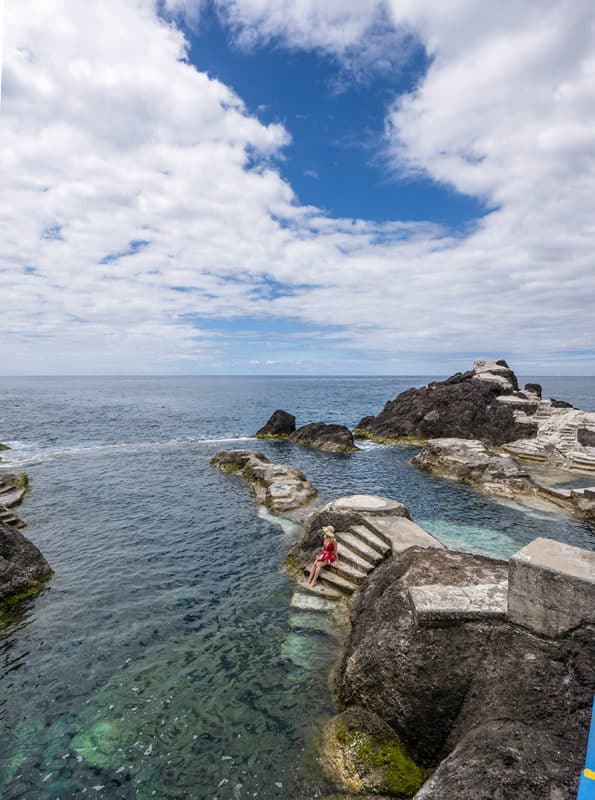
    Located on the southern coast of Madeira, Funchal stands out as one of the best coastal towns in Portugal. This charming town is an ideal place for any visitor seeking to explore the beautiful coastline and bask in the Mediterranean sun.

    Funchal boasts pristine stretches of golden sand, crystal-clear waters and idyllic seafront promenades. But there’s more to this charming city than just sunbathing and swimming.

    Funchal is home to a wealth of historic landmarks, including the 16th-century São Lourenço Palace and the enchanting Sé Cathedral. And if you’re looking for a bit of culture, the city centre is a delight to explore, with its cobbled streets, stylish boutiques and bustling marketplaces.

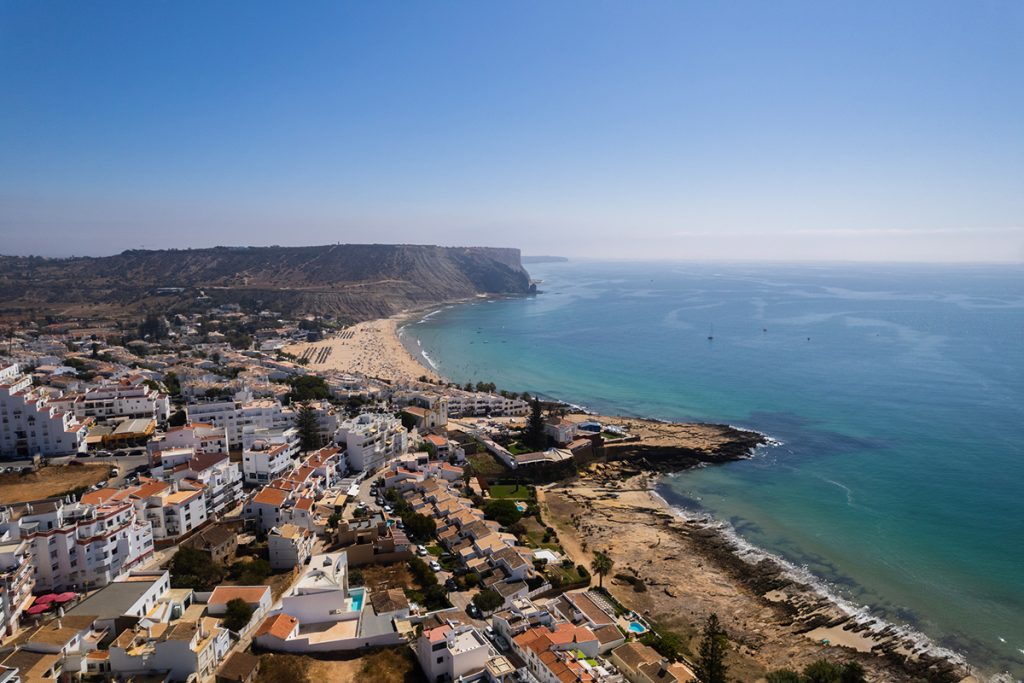
    17.Praia da Luz

    Praia da Luz is a lovely beach town located in the Algarve region of southern Portugal. Luz Beach is well-protected by cliffs, making it a great spot for swimming and sunbathing. The waters are calm and clear.

    Praia da Luz has a laid-back, family-friendly vibe compared to some of the more lively resort towns. It has maintained its traditional Portuguese charm.

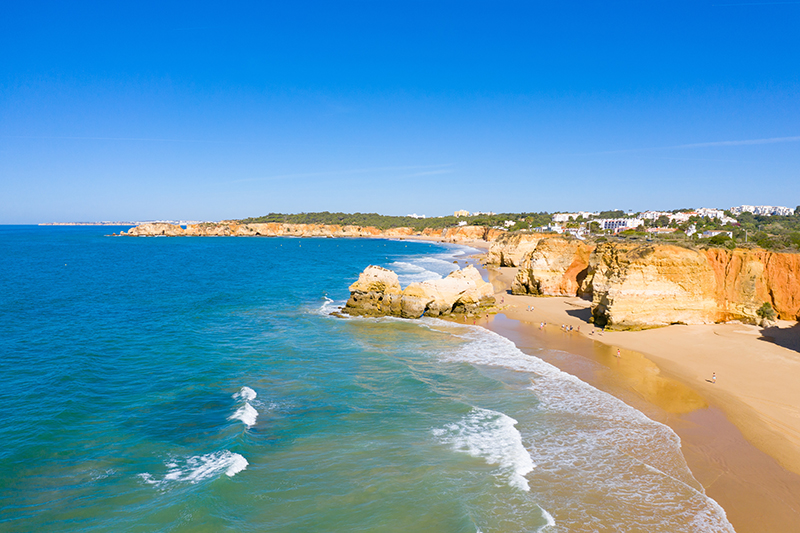
    The town is surrounded by dramatic red and orange sandstone cliffs that provide a stunning backdrop. Walking trails along the cliffs offer incredible views.

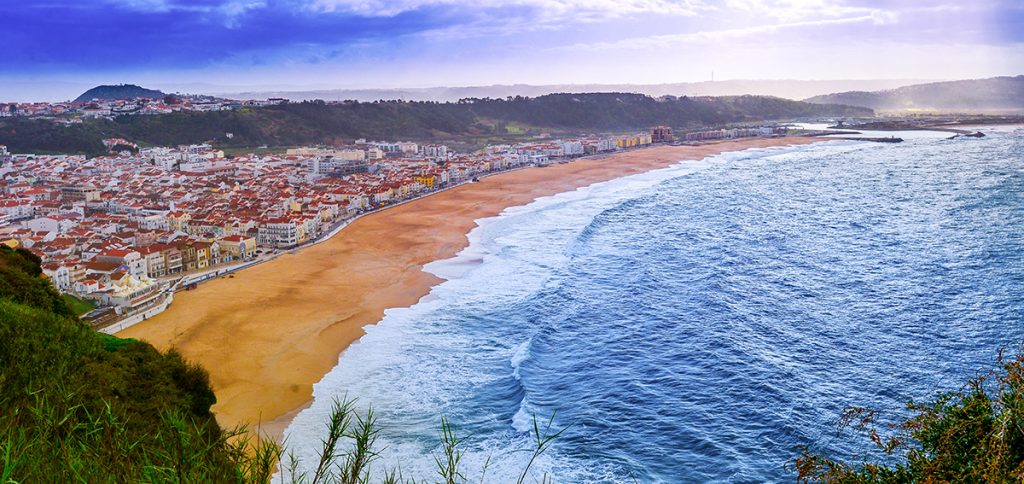
    18.Nazaré

    Nazaré is one of Portugal’s most famous beach towns, renowned worldwide for its gigantic waves and traditional fishing culture. This Atlantic coast gem offers visitors the chance to witness some of the world’s largest waves, with records reaching over 100 feet high during winter months.

    The town’s main beach, Praia da Nazaré, stretches for 1.5 kilometers and provides a classic Portuguese summer beach experience. Traditional fishermen still dry their catches on the sand using time-honored techniques, while colorful wooden boats dot the shoreline.

    Take the funicular up to Sítio, the clifftop neighborhood, for breathtaking views of the coastline and to watch brave surfers tackle the legendary waves at Praia do Norte. Nazaré’s authentic atmosphere, combined with its spectacular natural phenomena, makes it an unmissable destination for any Portugal itinerary.
    19.Carvoeiro

    Often considered the prettiest beach town in the Algarve, Carvoeiro is a picturesque village that perfectly captures traditional Portuguese coastal charm. This small fishing village has evolved into a sophisticated resort while maintaining its authentic character.

    Praia de Carvoeiro is a sandy beach located in a stunning cove surrounded by golden limestone cliffs. Nearby, you’ll find some of Portugal’s most famous attractions, including the world-renowned Benagil Cave and Praia da Marinha, consistently rated as one of Europe’s most beautiful beaches.

    Carvoeiro’s whitewashed buildings cascade down toward the sea, creating postcard-perfect views at every turn. The town offers excellent restaurants serving fresh seafood, dramatic coastal walks, and easy access to some of the Algarve’s most spectacular scenery.

    20.Costa da Caparica

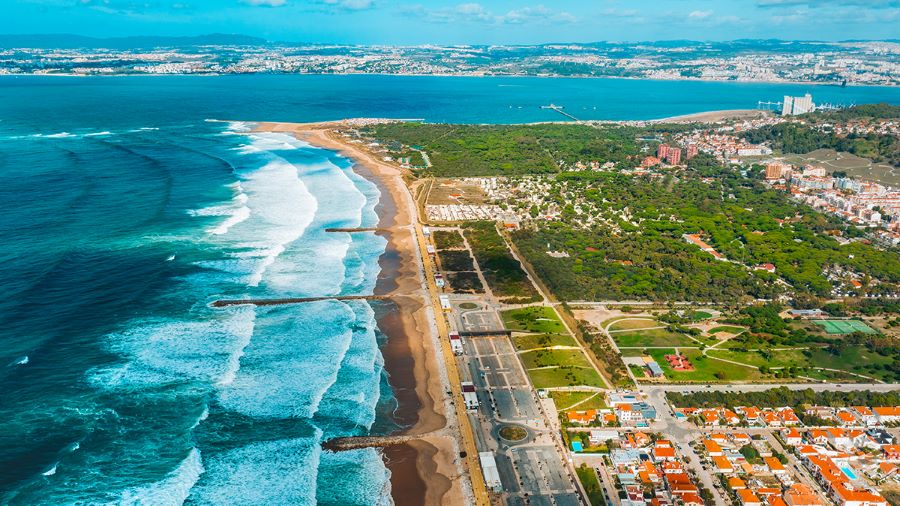
    Just 30 minutes south of Lisbon, Costa da Caparica is a local favourite offering an impressive 26 kilometers of golden sandy beaches. This laid-back coastal town provides the perfect escape from the capital, with consistent Atlantic waves making it a surfer’s paradise.

    The expansive coastline means there’s plenty of space for everyone, from families seeking calm swimming areas to surfers looking for the perfect break. The town itself buzzes with Portuguese beach culture, featuring excellent seafood restaurants, trendy beach bars, and a relaxed atmosphere that feels authentically local.

    Costa da Caparica’s proximity to Lisbon, combined with its endless beaches and excellent surf conditions, makes it an ideal destination for both day trips and longer stays. The southern stretches of the beach offer more secluded spots surrounded by natural dunes and pine forests.

    21.Azenhas do Mar

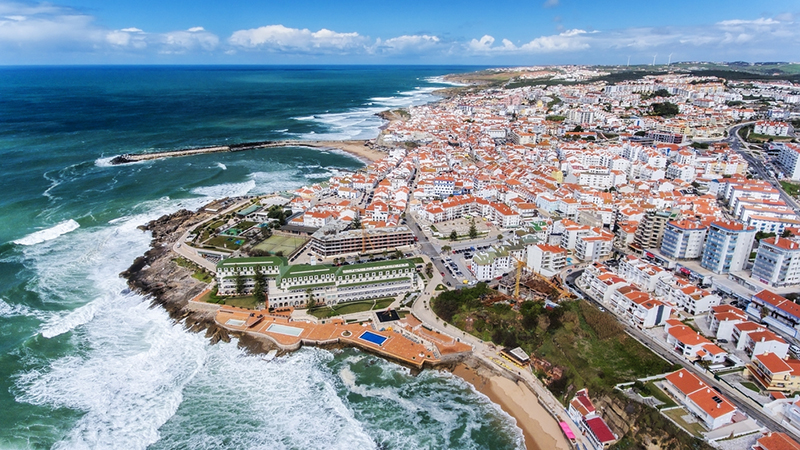
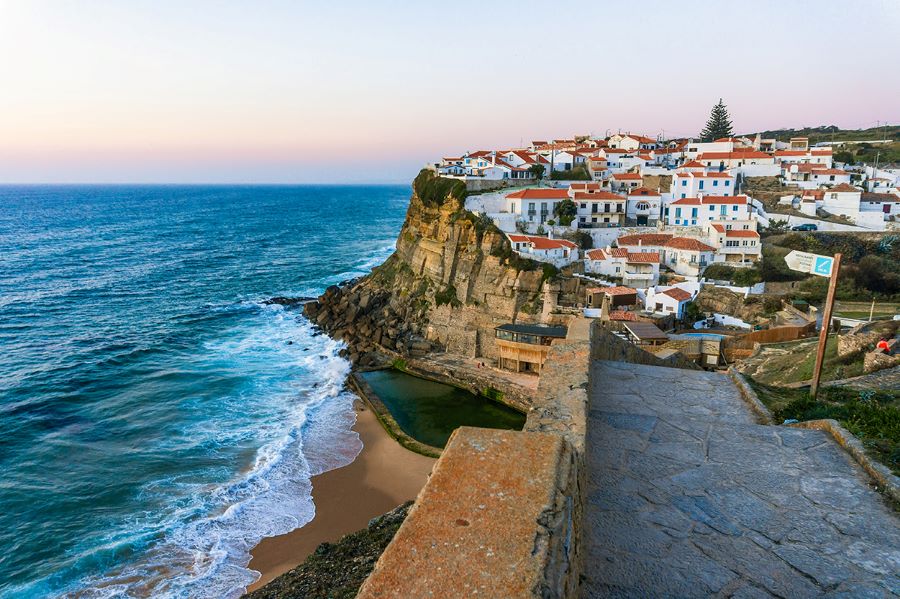
    Perched dramatically on cliffs overlooking the Atlantic, Azenhas do Mar is arguably one of Portugal’s most picturesque coastal villages. This whitewashed gem, located near Sintra, offers some of the most romantic and breathtaking panoramas in the country.

    The village’s name translates to “Watermills of the Sea,” reflecting its historical roots. Traditional Portuguese houses cascade down the cliff face, creating an enchanting scene that has captured the hearts of photographers and travelers worldwide.

    Azenhas do Mar features a unique natural swimming pool carved into the rocks, providing a safe and stunning place to swim while surrounded by dramatic coastal scenery. The village maintains its authentic charm with narrow cobblestone streets, traditional architecture, and excellent seafood restaurants overlooking the ocean.

    22.Vilamoura

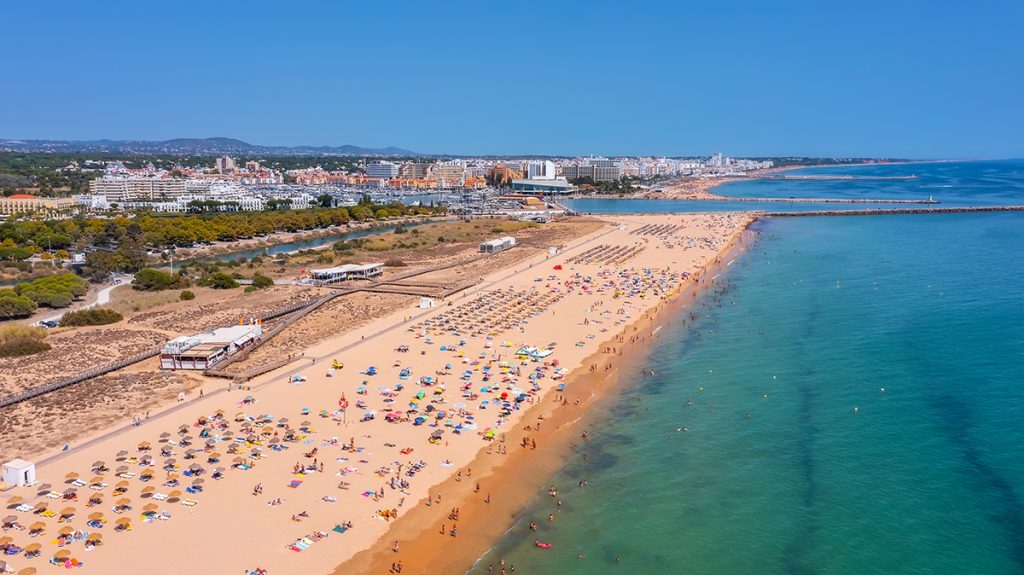
    Vilamoura represents the pinnacle of luxury beach resort living in Portugal. This purpose-built resort town is part of the Algarve’s famous “golden triangle” and attracts visitors seeking sophistication, world-class amenities, and pristine beaches.

    The heart of Vilamoura is its impressive marina, one of Europe’s largest, where luxury yachts moor alongside high-end restaurants, bars, and boutiques. The town is also a golfer’s paradise, featuring six championship golf courses designed by renowned architects.

    Praia da Falésia, Vilamoura’s main beach, stretches for 6 kilometers and is regularly rated among the world’s best beaches. With its rust-colored cliffs, golden sand, and Blue Flag certification, it provides the perfect setting for both relaxation and water sports. Vilamoura combines luxury living with natural beauty, making it ideal for those seeking an upscale beach vacation.

    23.Costa Nova

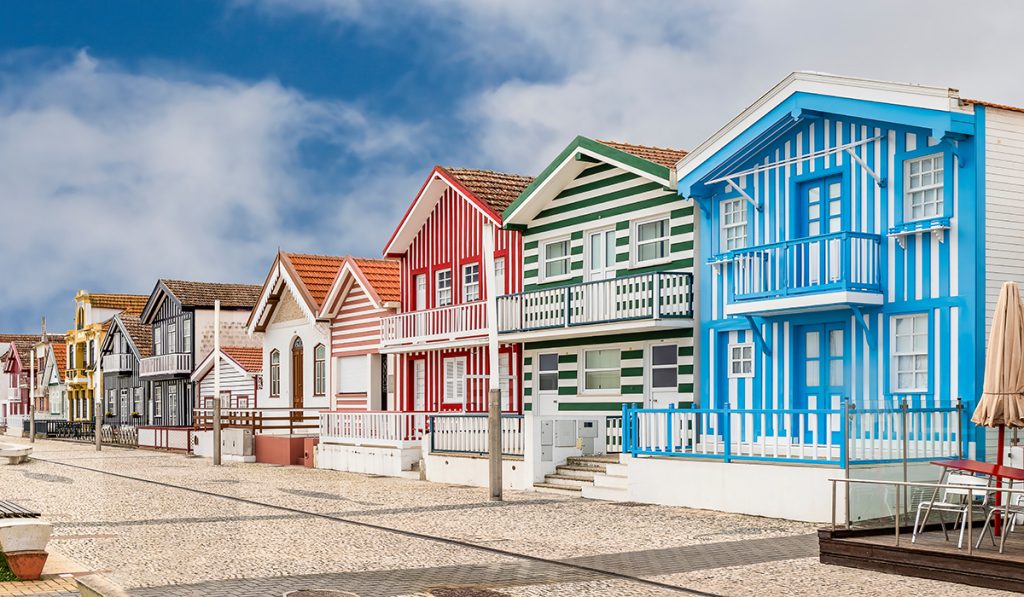
    Costa Nova stands out among Portuguese beach towns for its unique and colourful striped houses called “palheiros.” These distinctive two-tone cottages, originally used by fishermen to store equipment, now create one of Portugal’s most photographed streetscapes.

    Located near Aveiro, often called the “Venice of Portugal,” Costa Nova offers a perfect blend of cultural charm and beautiful beaches. The long stretch of fine golden sand backed by dunes provides a peaceful retreat that’s less crowded than many other Portuguese coastal destinations.

    The town retains its authentic fishing village character while offering modern amenities and excellent seafood restaurants. Costa Nova’s distinctive architecture, combined with its pristine beach and proximity to Aveiro’s famous canals, makes it a unique and memorable destination for travelers seeking something different from typical beach towns.

    Final Thoughts on the Best Portugal Beach Towns

    In conclusion, Portugal is a beautiful country that has something amazing to offer for any type of traveler. From the big city vibes in Ericeira to the rich history of Tavira, these are just some of the best picks for beach towns in Portugal.

    Portugal’s beach towns offer an unforgettable experience for travelers seeking sun, sea, and sand. From charming fishing villages to stylish resorts, the country’s coastline is a treasure trove of spectacular scenery, cultural heritage, and traditional cuisine.

    Whether you’re looking for lively nightlife, sporting adventures, or peaceful relaxation, there’s a Portuguese beach town that will satisfy your needs. So pack your sunscreen, grab your swimsuit, and get ready to explore some of the best beaches in Europe. We hope this guide has given you some inspiration for your next seaside adventure in Portugal.

  • 13 Best Amalfi Coast Towns to Visit in Italy

    13 Best Amalfi Coast Towns to Visit in Italy

    The Amalfi Coast is famous for its picture perfect towns dotted along the Mediterranean. Positano Ravello and Sorrento are rightly famous but there are other small towns which are well worth a visit. Here is our guide to the best Amalfi Coast towns that you shouldn’t miss on a trip to Italy.

    Where Is The Amalfi Coast?

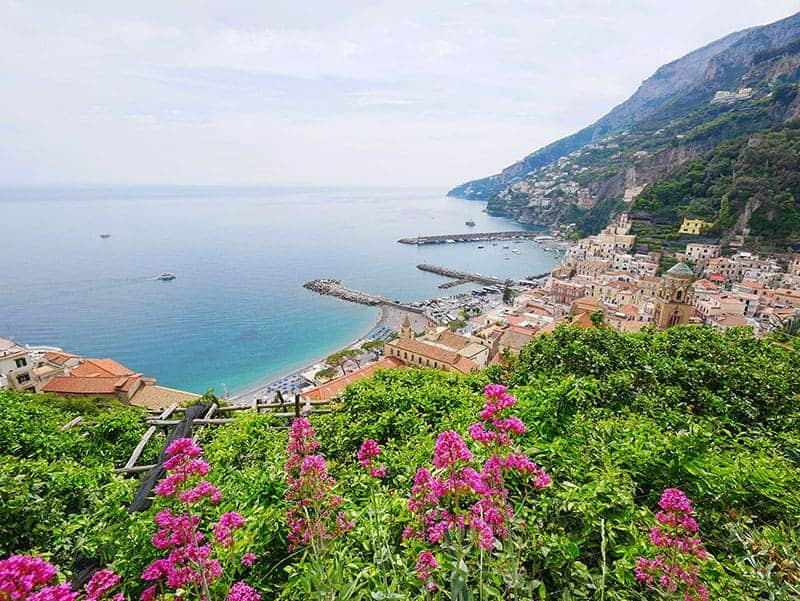
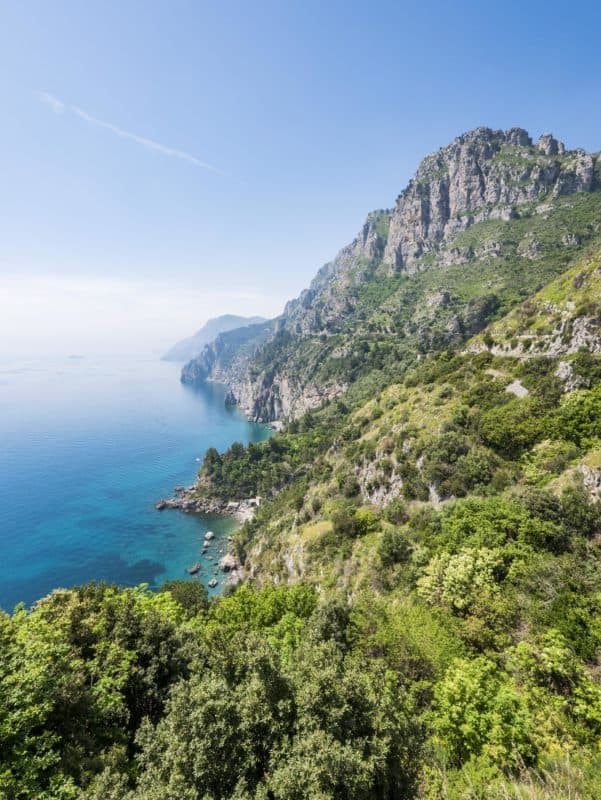
    Spread over 11,231 hectares, the Amalfi Coast is situated in Southern Italy in the region of Campania. This spectacular area starts at Punta Campanella and finishes at Vietri sul Mare. Along the way, there are many charming Italian coastal towns and hamlets that will enchant the visitor.

    Most Beautiful Towns on the Amalfi Coast

    A UNESCO World Heritage Site, la Costiera Amalfitana as it is known in Italian, is a popular tourist destination with friendly locals and beautiful beaches. There are amazing views of the Tyrrhenian Sea from most of these popular Amalfi Coast towns.

    In this article, we’ll focus on towns and villages that are officially part of the Amalfi Coast. We’ve also included a couple of towns located along the coast that you might also like to visit.

    1.Amalfi

    Any good Amalfi Coast itinerary should include a visit to the town of Amalfi, that gives the whole coast its name. The Cathedral is an unmissable sight but there’s plenty more to see here.

    Parts of the Duomo di Amalfi, as Amalfi Cathedral is known, date from the 11th century. The superb marble and stone exterior dates from 1891 and has a distinctive Arab-Norman style.

    Head behind the cathedral and up via Pietro Capuano, where you’ll find La Fontana De Cape E Ciucci. Nativity scenes are normally located indoors but unusually, this one is outdoors in the fountain.

    Next to the fountain you’ll notice stairs leading to Pizzeria Donna Stella. This charming Amalfi pizza restaurant has a shady terrace under lemon trees. Staff are very friendly and the food is delicious.

    About ten minutes from the fountain on the outskirts of the town, the Museo della Carta, the Amalfi Paper Museum. This historic museum is the last working paper mill in Amalfi.

    Visitors see how paper used to be made and get the opportunity to make it themselves. For beautiful views over the coast, take the elevator at Sottoportico S. Andrea to the Cimitero Monumentale.

    Back at the port, you can take a boat to nearby Positano or Capri. Whilst the latter is not actually part of the Amalfi Coast, being an island in its own right, it’s an easy day trip from Amalfi to Capri by boat that takes around 1 hour.

    We’d recommend staying a couple of nights in Amalfi as it’s a great base from which to explore the whole coast. Grand Hotel Convento di Amalfi has a perfect location ten minutes walk from the centre but away from any noise.

    This luxury Amalfi hotel is situated on a clifftop at 80 metres above sea level. A former monastery, it dates from the 12th century.

    There are stunning cloisters and a church that’s popular for weddings. Part of the luxurious NH Hotel group, it has contemporary rooms and a stylish restaurant.

    2.Atrani

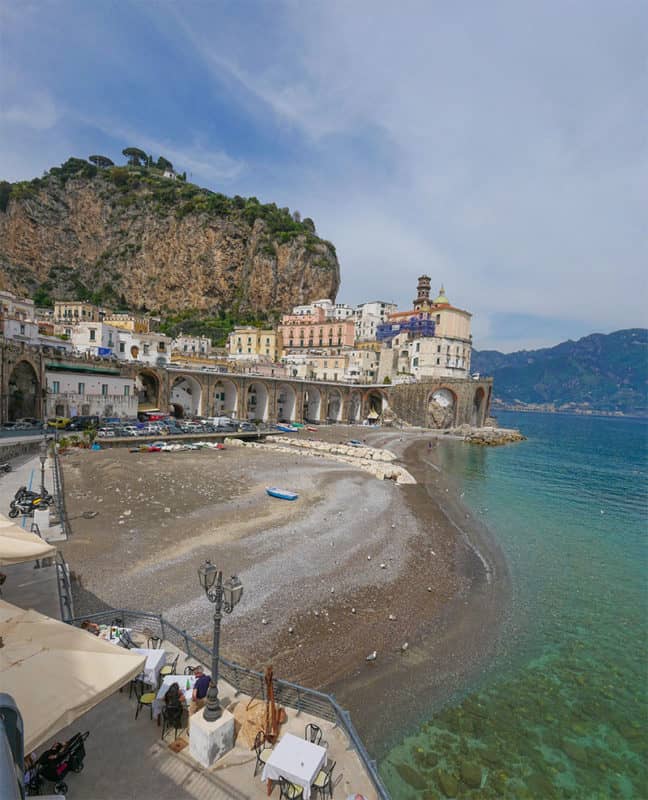
    Less visited than some of the other Amalfi Coast towns, Atrani nevertheless has a certain charm. It’s popular with locals who take a foot tunnel from Amalfi to walk through to the beach. As a general rule, Amalfi Coast beaches are quite pebbly but in Atrani the beach has a dark sand.

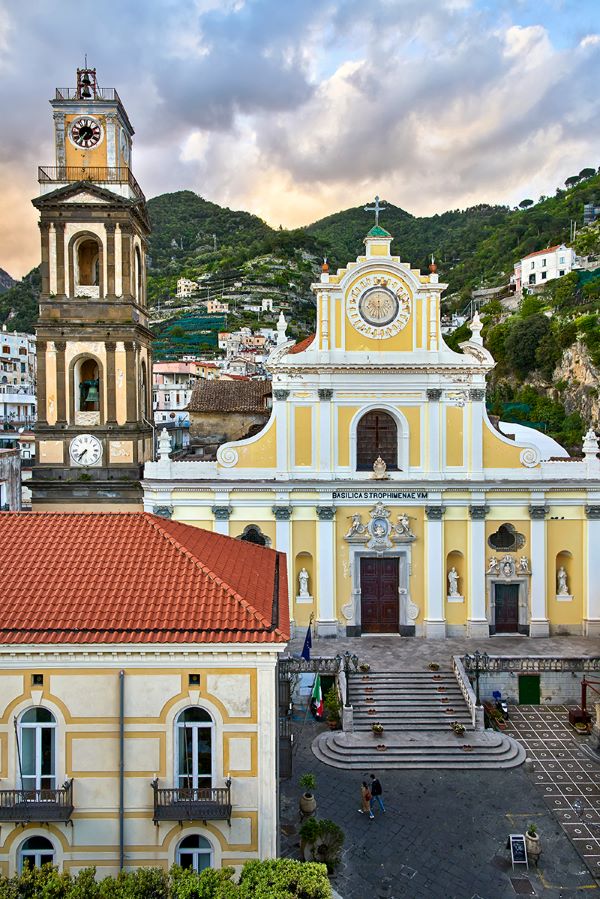
    Driving along the Amalfi Coast over Atrani’s arched bridge, you can’t miss the main church, Chiesa Collegiata di Santa Maria Maddalena with its distinctive green and yellow dome. Piazza Umberto I is a nice square in which to enjoy a coffee or aperitivo.

    The town’s compact size makes it feel like a hidden gem, with narrow alleyways and staircases connecting different levels of the village. Local families have lived here for generations, maintaining authentic traditions that are increasingly rare along the more touristy parts of the coast.

    The small harbour area comes alive in the early morning when fishing boats return with their catch, and the sound of church bells echoing off the surrounding cliffs creates a particularly magical atmosphere at sunset.

    3.Positano

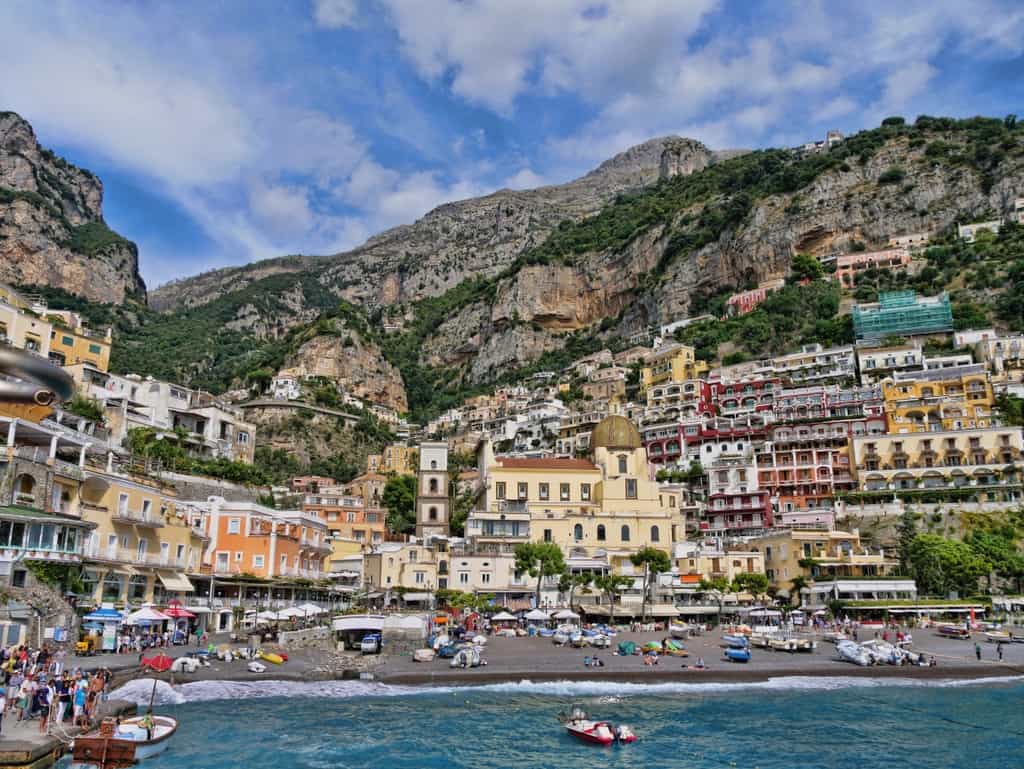
    One of the most picturesque towns on the Amalfi Coast, Positano is renowned for its colorful buildings. Its dramatic location on the cliffside makes for some stunning views.

    The resort town has just 4,000 inhabitants yet it has an influx of visitors during the Summer months. Spiaggia Grande, the main beach in Positano is particularly popular.

    There are some lovely boutiques along the pedestrianized streets, such as Viale Pasitea. In fact the Positano look is quite famous, with a boho chic vibe generally involving cotton and linen materials in free flowing styles. The town is also known for its custom-made leather sandals.

    Art lovers should not miss the Liquid Art System gallery. It has regularly changing art exhibitions.

    Amalfi Coast hiking is second to none. The iconic Path of the Gods hike or Il sentiero degli Dei starts in Nocelle on the outskirts of Positano and finishes near Bomerano.

    If you want to stay in Positano, Le Sirenuse is the most famous hotel. Villa TreVille, Il San Pietro di Positano and Villa Magia are some of the other 5 star hotels in Positano.

    4.Praiano

    This small town on the Amalfi Coast is located between Amalfi and Positano. Ristorante Franchino is a great place to stop for lunch, with breathtaking views over the cape of Conca dei Marini and beautifully presented dishes. Steps lead down to the Marina di Praia, a small beach where you can rent boats.

    Unlike its more famous neighbours, Praiano maintains a laid-back atmosphere that attracts visitors seeking tranquility over bustling crowds. The town stretches along the coastline rather than climbing vertically like Positano, offering multiple viewpoints and several small beaches accessible by foot.

    Local lemon groves still operate above the town, and you’ll often catch the sweet scent of citrus blossoms mixed with sea air. The sunset views from Praiano are considered among the best on the entire coast, as the town faces west directly toward the horizon.

    5.Ravello

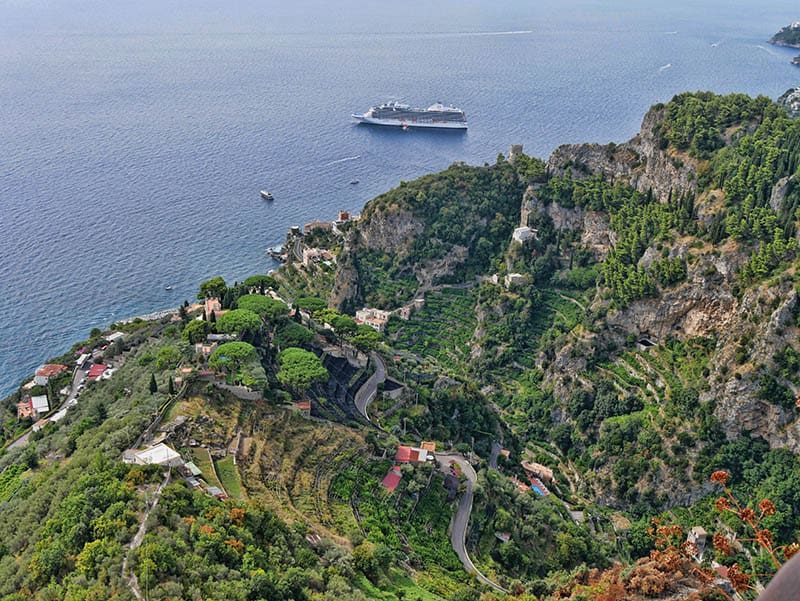
    Perched high on a hill at 365 metres above sea level, the cliffside town Ravello commands fantastic views over the glittering sea. The town’s elevated position means it enjoys cooler temperatures and refreshing breezes even during the hottest summer months.

    There are two stunning gardens to visit, Villa Rufolo and Villa Cimbrone. The writer Gore Vidal said that the view from the belvedere at Villa Cimbrone was the most beautiful he had ever seen.

    The town has an attractive cathedral which dates in part to 1086 although the facade is from the 16th century. Ravello also has a famous auditorium designed by the architect Oscar Neimeyer. The town’s opera festival is extremely popular and runs from end of June to the last week of August.

    Ravello has long attracted artists, writers, and musicians – Wagner composed part of Parsifal here, inspired by the gardens of Villa Rufolo. During the famous Ravello Festival, the outdoor concerts against the backdrop of the infinite blue sea create an almost surreal experience that visitors remember for a lifetime.

    6.Sorrento

    Sorrento is officially on the Bay of Sorrento yet it’s usually considered to be one of the Amalfi Coast towns. It’s another excellent choice as a base, since you can take day trips by boat to Amalfi, the island of Capri and Positano.

    The town’s main street, Corso Italia, is now pedestrianized and lined with many fashionable boutiques. You’ll find Sorrento Cathedral just off the main street on Via Santa Maria della Pietà.

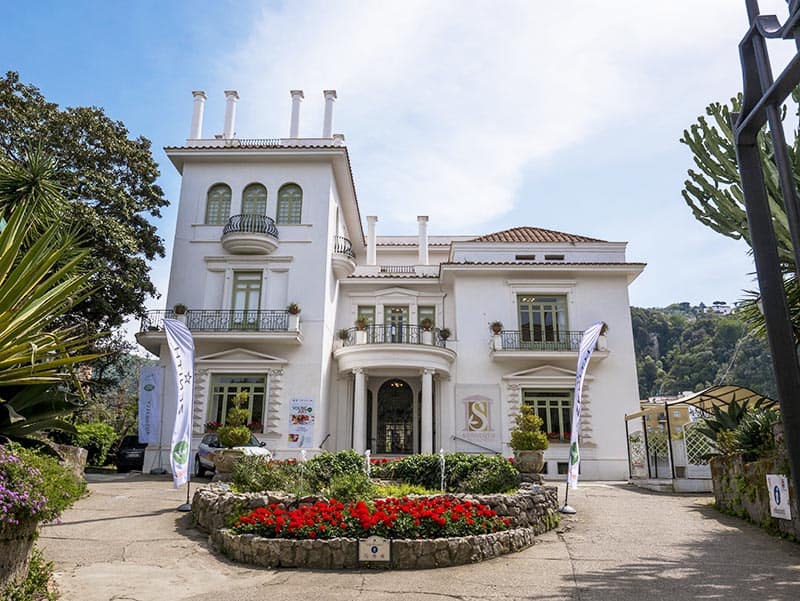
    The cathedral has an impressive three tiered bell tower and an ornate marble altar. Back on Corso Italia, Fondazione Sorrento is housed in the beautiful Villa Fiorentino.

    When we visited, local art students were on hand to explain the meaning behind the paintings. In the basement there’s the Enrico Salierno collection of music boxes and gramophones.

    Museo Correale di Terranova on Via Correale is also very impressive, with a European art collection spread over 4 floors. Another lovely place to visit in Sorrento is Chiostro di San Francesco.

    The Arabic style cloisters date from the 14th century and are a great spot to escape the heat. Upstairs, Gallery Celentano is an exhibition space with an outdoor swing and a cut-out Fiat 500 from which to admire the coastline.

    The permanent exhibition features the work of talented local photographer, Raffaele Celentano. There are also frequent temporary exhibitions such as one on Sofia Loren when we visited.

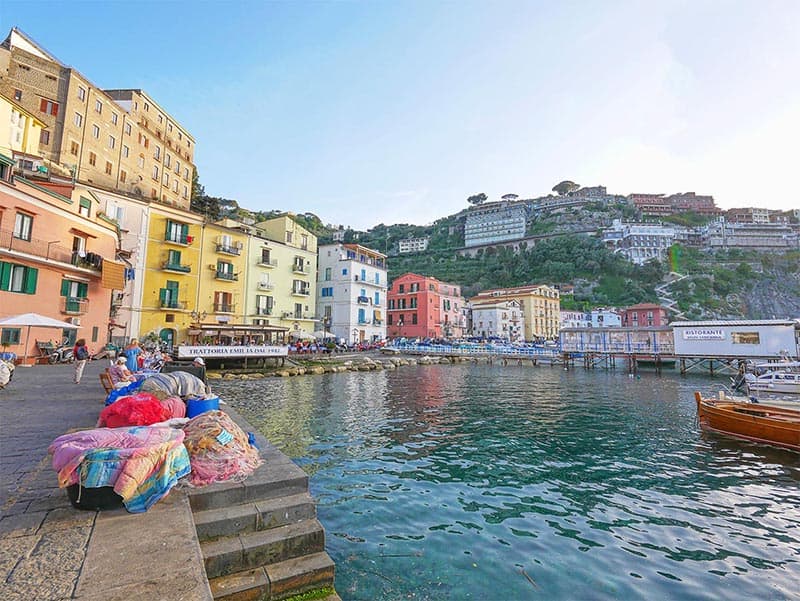
    Marina Grande is the old port in Sorrento and still a working fishing port. There are some charming restaurants along the water’s edge. Back in the centre, one of the best places to eat in Sorrento is O’Parrucchiano.

    The iconic Italian food dish, cannelloni, was invented here over 100 years ago. The restaurant is still owned by the same family and has a series of gorgeous outdoor terraces bedecked with flowers and lemon trees.

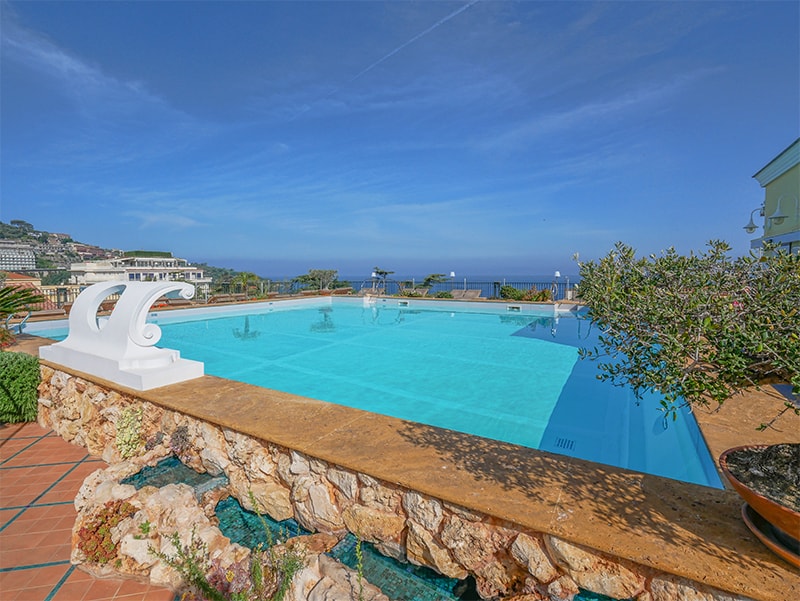
    Grand Hotel La Favorita is also owned by the same family and is a great place to stay in Sorrento. The lovely rooftop pool and terrace is just one reason why it’s among the top rated Sorrento hotels on TripAdvisor. The bedrooms and bathrooms have traditional ceramic tiles that are real works of art.

    7.Maiori

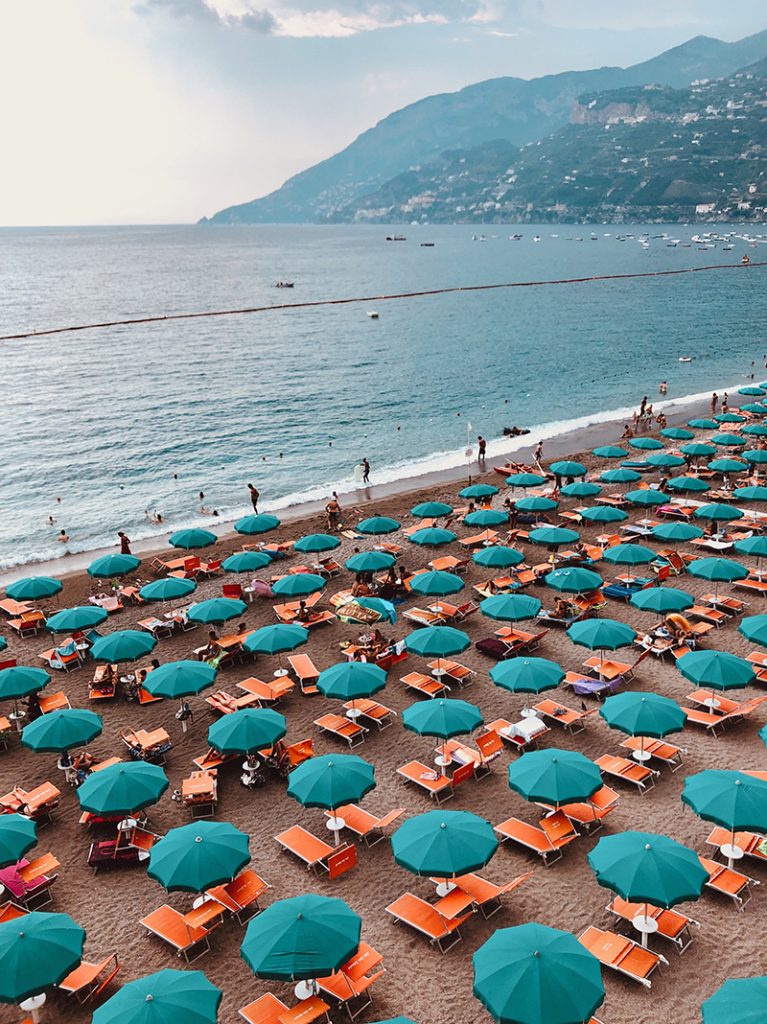
    With one of the best beaches on the Amalfi Coast, Maiori is a popular destination for families. Stretching for around a kilometer this golden sandy beach is mostly occupied by bathing establishments.

    Maiori also has a large waterfront promenade and many boutiques and restaurants. Culture lovers will enjoy visiting the Chiesa di San Nicola de Thoro-Plano. For a gourmet meal with views of the Bay of Naples, head to Torre Normanna, a luxurious restaurant in a medieval watchtower.

    The town’s wide, flat layout makes it one of the most accessible destinations on the Amalfi Coast, particularly appealing to travelers with mobility concerns or families with small children. Maiori’s promenade is perfect for evening strolls, lined with gelaterias and cafés that stay open late into the summer nights.

    The town has a more relaxed, residential feel compared to the dramatic clifftop villages, with local markets and shops catering to both tourists and year-round residents. During the off-season, Maiori reveals its authentic character as locals reclaim the beaches and waterfront restaurants offer exceptional value.

    8.Vietri sul Mare

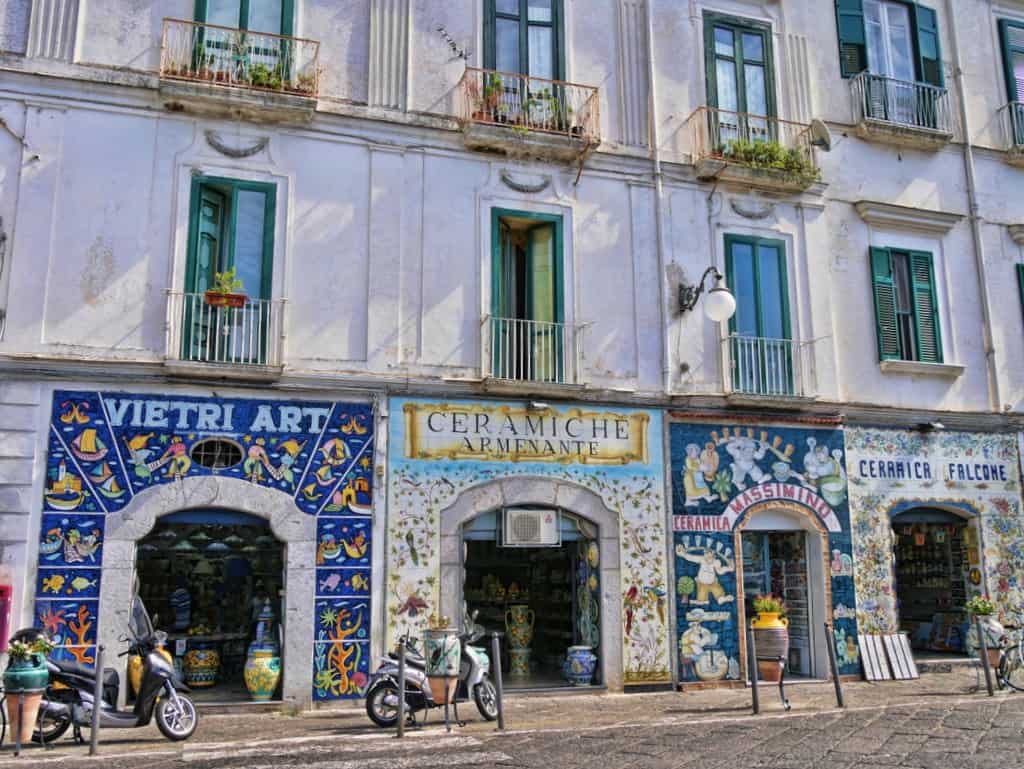
    This lesser known Amalfi Coast town is renowned for its colourful ceramics. There are many ceramic stores in Vietri sul Mare and also a ceramic museum in the nearby village of Raito.

    One of the most unusual buildings in Vietri sul Mare is Ceramica Artistica Solimene. This ceramic factory has a spectacular ceramic facade designed in the 1930s by Paoli Soleri who later worked with Frank Lloyd Wright. It produces a huge range of handmade tiles which are also painted by hand.

    Also worth seeing is the church of San Giovanni Battista, which has a dome made from coloured majolica pottery and an 11th century crucifix.

    9.Cetara

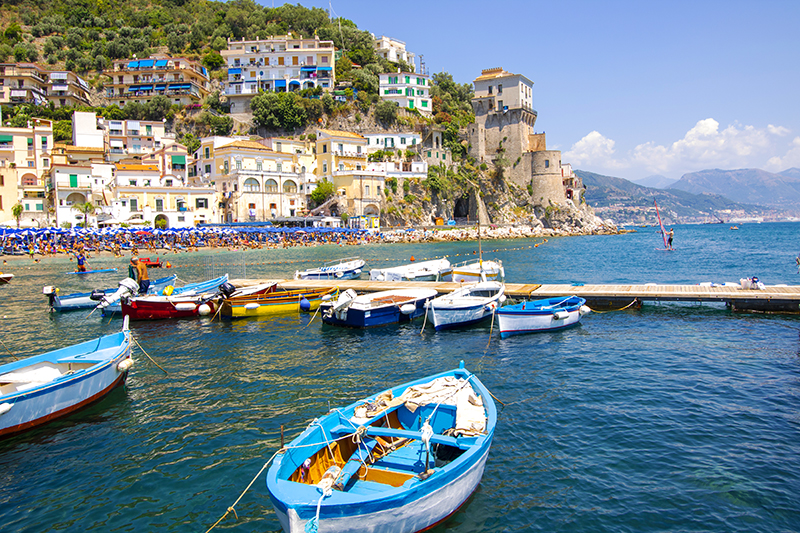
    A lesser known Amalfi Coast town, Cetara is nevertheless quite easy to get to. Close to Salerno, this is a working fishing port, with a charming marina.

    Cetara is known for its fresh tuna fish, as well as colatura di alici, a fish sauce made with anchovies. Try this local delicacy in one of Cetara’s restaurants such as Ristorante Dea Mangiona on Corso Garibaldi.

    The town’s tuna fishing tradition dates back centuries, and you can still watch the traditional tonnara fishing boats heading out at dawn. Many of the local restaurants source their ingredients directly from the day’s catch, making this one of the most authentic culinary experiences on the coast.

    The production of colatura di alici (anchovy extract) follows ancient methods passed down through generations, with the precious liquid amber condiment aging in wooden barrels for months. Cetara’s position near Salerno makes it an excellent base for exploring both the Amalfi Coast and the less touristy areas inland.

    10.Minori

    This small Amalfi Coast town has preserved its traditional atmosphere and there are fewer tourists. Wander along Minori’s narrow streets, visit Minori Cathedral and taste the delicious pastries at Sal De Riso.

    Villa Romana e Antiquarium is an archaeological site that is also worth a visit. If you like hiking, don’t miss the Path of the Lemons, or Il Sentiero dei Limoni. You get stunning views as you walk among the lemon groves.

    The town is often called the ‘City of Taste‘ due to its exceptional culinary scene, with several Michelin-recommended restaurants tucked away in its quiet streets. Minori’s location in a small valley provides protection from coastal winds, creating a microclimate perfect for growing the famous Amalfi lemons.

    The archaeological site reveals fascinating glimpses of Roman villa life, complete with preserved frescoes and an ancient bath complex that speaks to the area’s long history as a luxury retreat. Local artisans still practice traditional crafts like paper-making and limoncello production, often welcoming visitors into their workshops for demonstrations.

    11.Furore

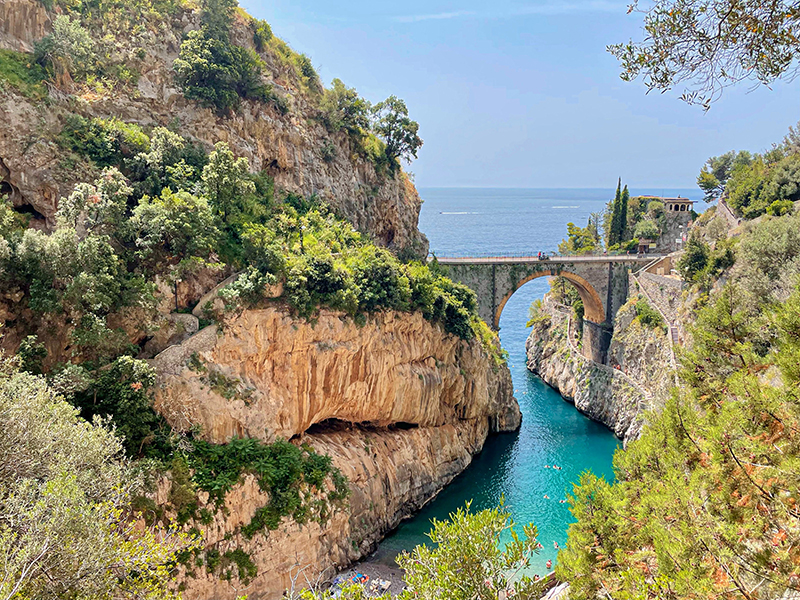
    Although it’s more of a village than an Amalfi Coast town, we had to include Furore due to its photogenic aspect. Meaning fury in Italian, it has no main piazza but several attractive churches. However, the main attraction for visitors is its secret beach.

    Accessed by a long staircase, this natural fjord is spanned by a historic bridge and surrounded by abandoned buildings. The fjord beach, known as Marina di Furore, is one of the most photographed spots on the entire coast, with its emerald waters contrasting sharply against the towering limestone cliffs.

    It’s quite hard to park here so you might need to take a cab or local bus.

    The village is also famous for its colourful murals painted on house walls throughout the 1980s, transforming it into an open-air art gallery that tells the story of local traditions and daily life. The winding mountain roads above Furore offer some of the most breathtaking panoramic views of the coastline, making the challenging drive worthwhile for photography enthusiasts and nature lovers.

    12.Capri

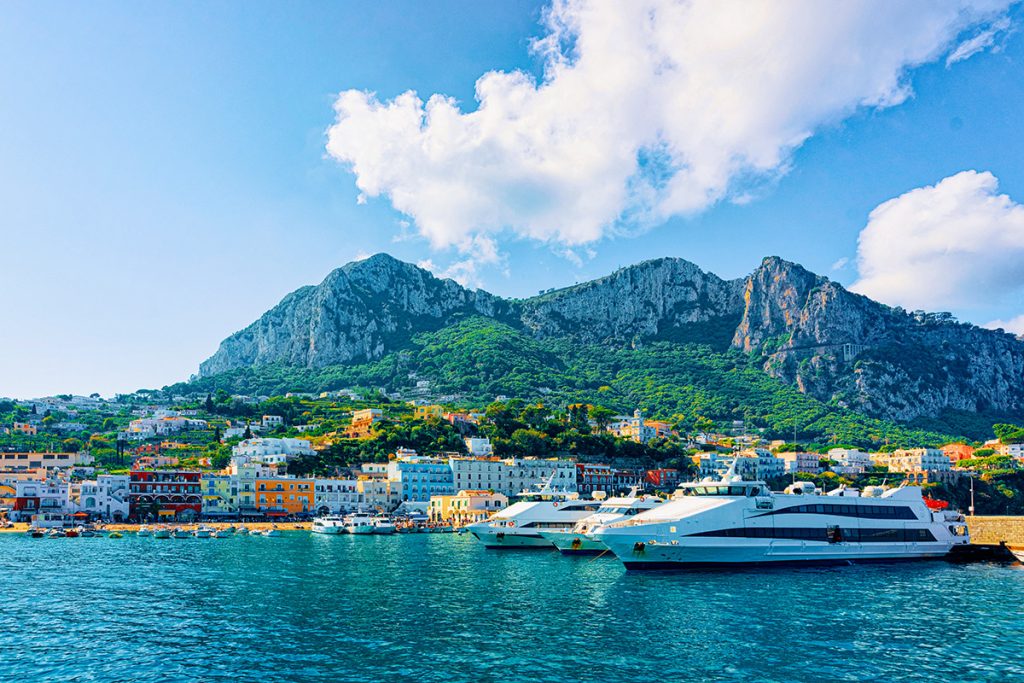
    Capri is a small island located in the Tyrrhenian Sea off the Sorrentine Peninsula in the Campania region of southern Italy. With its rugged landscapes, upscale resorts and amazing grottoes, Capri is a famous tourist destination known for its natural beauty.

    Some of Capri’s top attractions include the Blue Grotto (Grotta Azzurra), the Villa Jovis ruins, the Piazzetta in the main town of Capri, the iconic Faraglioni rock formations, and Monte Solaro mountaintop.

    The island has been a coastal resort since ancient Roman times. It attracted many artists, writers and celebrities over the centuries drawn to its dramatic scenery.

    There are two main towns – Capri (the main center) and Anacapri. Both are filled with boutiques, restaurants and winding streets perfect for wandering.

    13.Ischia

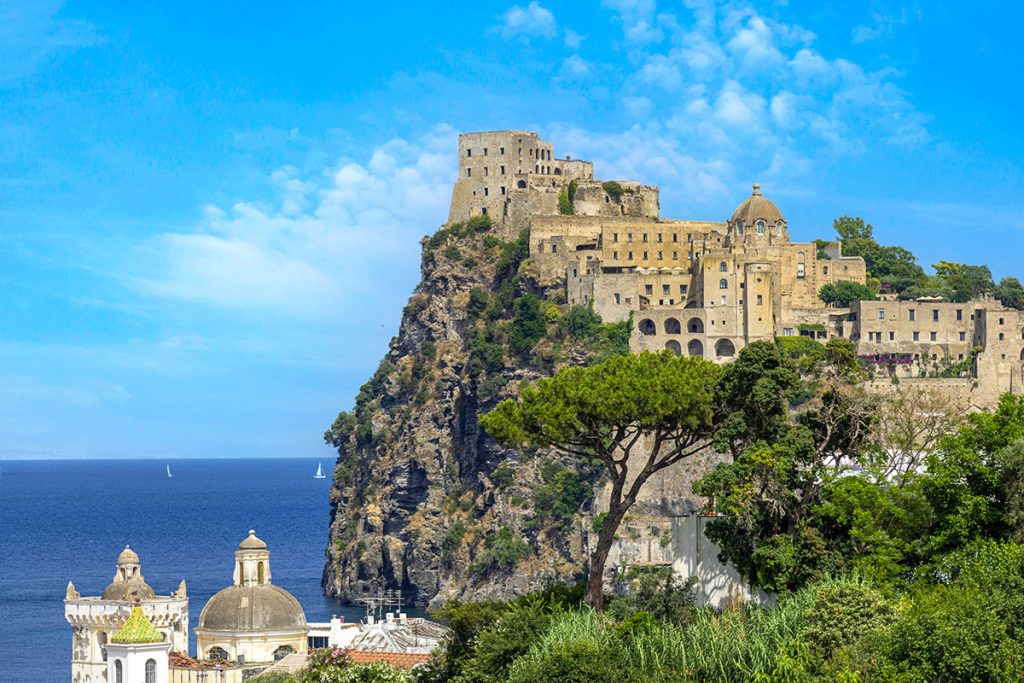
    Ischia is another beautiful island located in the Gulf of Naples, not far from Capri. While not as famous as Capri, Ischia offers a more low-key island experience focused on its volcanic thermal waters and laid back atmosphere.

    Major attractions include the Aragonese Castle, Maronti Beach and the villages of Ischia Ponte and Ischia Borgo. Ischia’s thermal spas have been popular since ancient Roman times.

    The island’s landscape is lush and green with vineyards, pine forests, citrus groves and hilly terrain. In addition to its beaches and spas, Ischia is known for its ceramics and wines.

    Getting to Ischia is easy with frequent ferries and hydrofoils making the trip from Naples in under 2 hours.

    How To Get To The Amalfi Coast

    The closest airport to the Amalfi Coast is Naples International Airport, 74 kilometres from Amalfi. Driving from Naples to the Amalfi Coast takes around 1 hour and 30 minutes if there’s no traffic.

    In high season and depending on which town you’re going to then it may take 3 hours. The main roads are not as intimidating as you might have heard, although Strada Statale 163 is known as the road of 1000 bends!

    We don’t recommend that you travel to the Amalfi Coast from Milan as it takes 6 and a half hours by train or over 8 and a half hours by car.

    How To Get Around The Amalfi Coast

    During your Amalfi drive, you’ll notice that there are barriers and walls along the coastal sections and the roads themselves are well maintained. However, the streets are narrow, so we recommend opting for a small hire car.

    In some towns the streets in the centre are quite narrow. Once you’ve arrived at your destination then you can also get around by boat. There are regular boat services to and from Amalfi, Positano and Sorrento, Capri and Ischia.

    Where to Stay on the Amalfi Coast

    When deciding where to stay on the Amalfi Coast, you’ll be spoilt for choice. There are some truly stunning luxury Amalfi Coast hotels.

    The only difficulty is deciding which ones to stay in. It’s a good idea to stay in two towns and two different Amalfi Coast hotels as there’s so much to see in the area. Both Amalfi and Sorrento make great bases and we recommend Anantara Convento di Amalfi and the Grand Hotel La Favorita in Sorrento.

    Final Thoughts on the Best Amalfi Coast Towns

    The Amalfi Coast is one of the most beautiful and picturesque areas in all of Italy. From Positano to Ravello, each town has its own unique charms that are sure to captivate and delight visitors. Towering cliffs, dramatic ocean views, charming medieval towns…what’s not to love?

    It’s an area that you’ll want to return to time after time for a taste of la dolce vita. Put these stunning towns of the Amalfi Coast on your Italy itinerary. Have you ever visited the Amalfi Coast and which was your favorite town?
  • 25 of the Most Beautiful European Palaces and Castles

    25 of the Most Beautiful European Palaces and Castles

    Are you fascinated by the grandeur of European palaces and castles? Are you curious to explore their history, as well as what secrets they may be hiding behind those imposing walls?

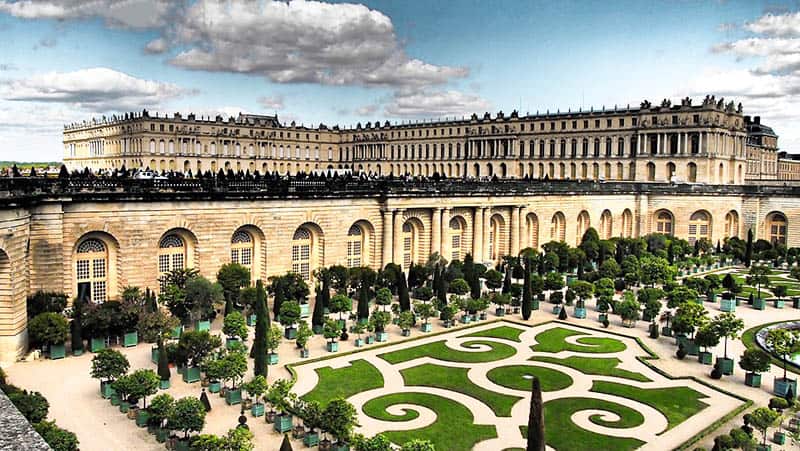
    From France’s awe-inspiring Château de Versailles to Germany’s fairytale Neuschwanstein Castle, Europe is home to some of the most stunning architectural wonders. So pack your bags and embark on a magical journey through time as we explore some of the continent’s most beautiful palaces and castles!

    Fairytale European Palaces

    If there is one thing Europe has in abundance, it’s incredible architecture. Whether you’re an avid traveler or a passionate architecture buff, there are plenty of lavish historical monuments to marvel at throughout the continent.

    These incredible palaces in Europe have different architectural styles but they all have perfect proportions in common. Some are now museums, while others are still home to heads of state.

    Read on as we explore some of Europe’s most breathtaking architectural treasures, offering insight into their histories and stunning aesthetics along the way!

    1.Buckingham Palace, UK

    The London residence of King Charles III, Buckingham Palace is one of the largest mansions in the world. Located at the end of The Mall in Westminster, the palace has 775 rooms and a 39 acre garden.

    There are over 350 clocks and watches, and a huge collection of Sevres porcelain. The highlight of a Buckingham Palace tour is the ornate Throne Room, used for official ceremonies.

    Visitors can also admire the 19 State Rooms, bronze Grand Staircase and paintings by Canaletto, Rembrandt and Rubens. Buckingham Palace is open for visitors during Summertime, when the Queen is not in residence.

    This year, Buckingham Palace opening dates are from 10 July to 28 September. It’s best to book your ticket in advance as they sell out fast.

    2.Charlottenburg Palace, Germany

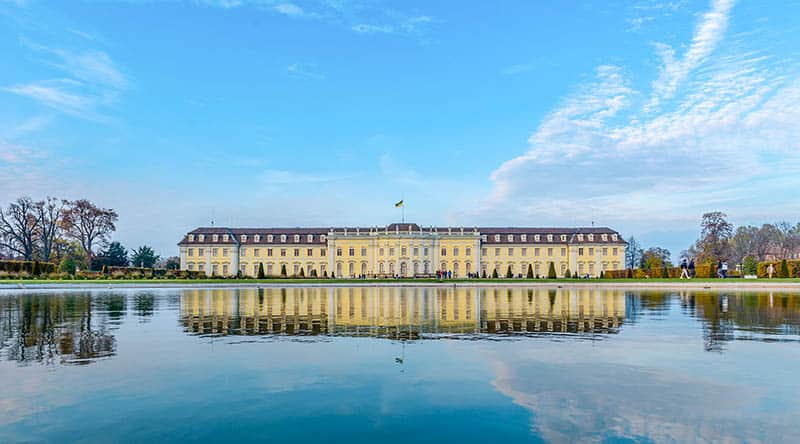
    Located in Berlin, Charlottenburg Palace is a wonderful example of Baroque architecture. Dating from the 17th century, Charlottenburg was built for Queen Sophia Charlotte, hence the name.

    The largest palace in Berlin, Charlottenburg was badly damaged in WWII but has been well restored since. Don’t miss the Great Oak Gallery with its exquisite carvings, the Golden Gallery and the Amber Room, covered in real amber.

    The palace park features a koi carp pond, Belvedere tea house and mausoleum to Queen Luise.

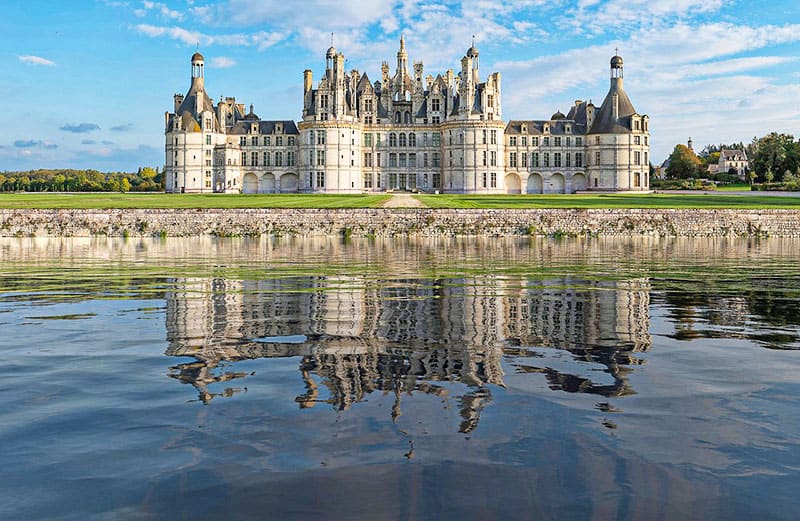
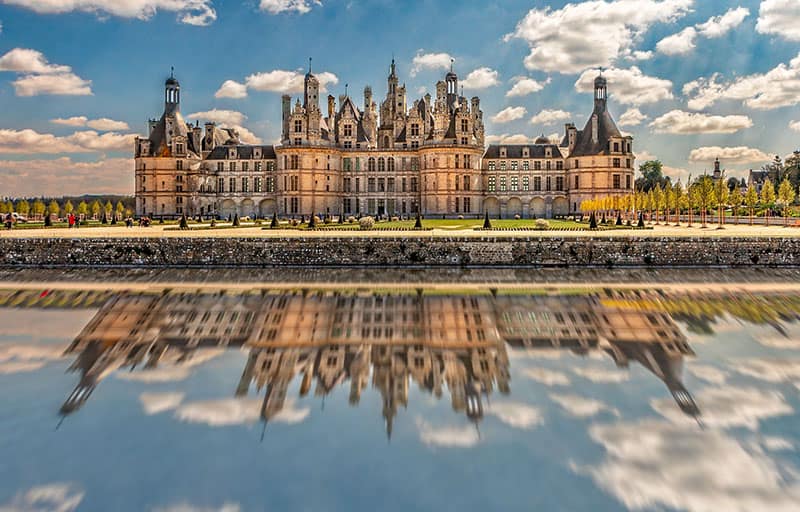
    3.Chateau de Chambord, France

    A masterpiece of French Renaissance architecture, Chambord Castle is situated in the heart of the Loire Valley. The area is known for its concentration of historical castles thanks to its strategic location along the Loire river.

    Chambord is perhaps the most spectacular of all these medieval castles. A UNESCO World Heritage Site, this famous French landmark is the largest Loire Valley castle.

    There are 426 rooms and over 80 staircases, with the famous double helix staircase thought to have been designed by Leonardo da Vinci. Built as a hunting lodge for King Francois I, the castle lay empty for nearly 100 years after his passing.

    Today, the Château de Chambord is the most visited castle in the Loire Valley. You can easily combine it with a tour of nearby Amboise and Chenonceau castles.

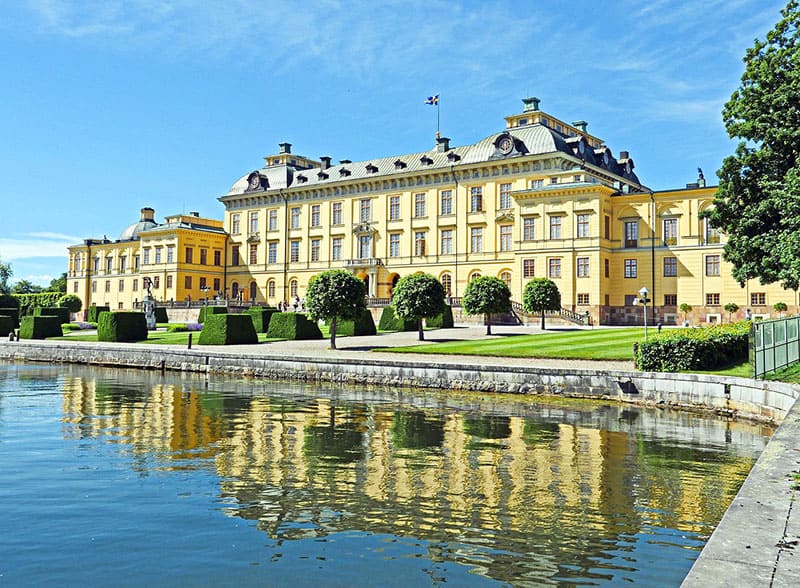
    4.Drottningholm Palace, Sweden

    The elegantly proportioned Drottingholm Palace is the private home of the Swedish royal family. Located less than half an hour away from Stockholm on the island of Lovon, this UNESCO World Heritage Site was built in the 17th century.

    You can reach the palace on a cruise along Lake Mälaren from Stockholm or by public transport.

    Drottningholm was commissioned by Queen Hedvig Eleonora and built by the architect Nicodemus Tessin the Elder. One of the highlights of the palace is the Chinese Pavilion, a birthday present from King Adolf Fredrik to Queen Lovisa Ulrika in 1753.

    Drottningholms Palace Theater (Drottningholms Slottsteater) is the most well preserved eighteenth century theater in Europe. The original stage machinery is still intact and used during regular performances during Summertime.

    Outside, the Baroque garden was designed by Nicodemus Tessin the Younger. There’s also an English park with tree lined walkways and two ponds.

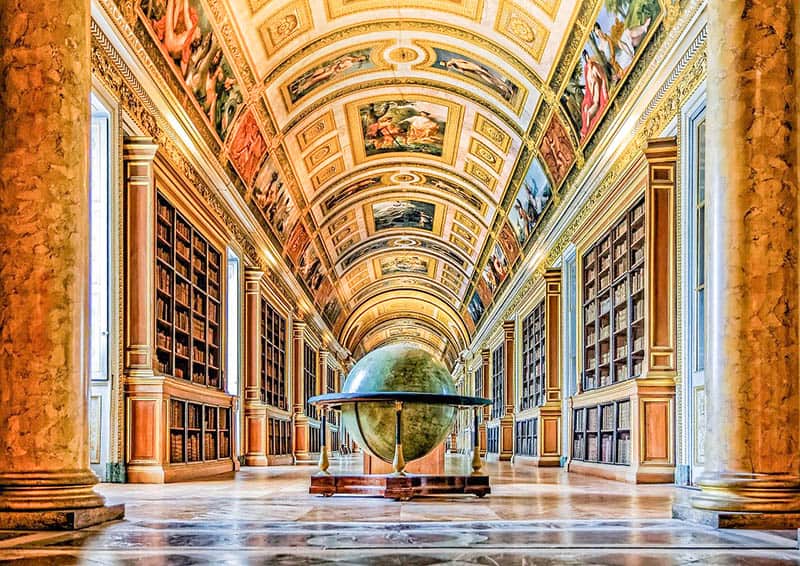
    5.Fontainebleau Palace, France

    The Palace and Park of Fontainebleau is one of the most impressive French tourist attractions. From the 12th to the 14th century, Fontainebleau was home to all the French monarchs.

    34 kings and 2 emperors resided in Fontainebleau Castle over the years. The UNESCO World Heritage listed building combines Renaissance elements with Italian Mannerism and is exceptionally well preserved.

    Set in 130 hectares of beautiful gardens and parkland, the Chateau de Fontainebleau also has sumptuous interiors. From the elegant State Apartments to the Baroque Trinity Chapel, there’s much to admire.

    6.Hampton Court Palace, UK

    Set in 750 acres of parkland and 60 acres of gardens, Hampton Court Palace has an enviable position overlooking the River Thames. A short walk from the town center of East Moseley, Hampton Court is known for its Summer flower show.

    The former home of the infamous King Henry VIII and the Tudors was originally built by Cardinal Wolsey. Henry was so impressed with the palace that he took it for himself.

    There are said to be many ghosts haunting Hampton Court, including Jane Seymour, King Henry’s third wife who died in childbirth. You may not see any during your visit but keep an eye out for the costumed actors bringing historical scenes to life.

    Don’t miss The King’s Staircase, designed by Sir Christopher Wren or The Tudor Kitchens. Kids and adults will love the Maze in Hampton Court Palace Royal Gardens.

    7.Kadriorg Palace, Estonia

    A relatively small yet elegant building, Kadriorg Palace is within walking distance of the center of Tallinn, Estonia. The name kadriorg means Catherine’s valley, and the palace was built for Catherine I by Peter the Great.

    Dating from 1718, the palace was designed by Italian architect Nicola Michetti. The main hall is one of the best examples of Baroque architecture in Europe.

    The palace houses the Kadriorg Art Museum, a collection of Western European and Russian artworks.

    8.Ludwigsburg Palace, Germany

    One of the largest surviving Baroque buildings in Europe, Ludwigsburg is nicknamed the Versailles of Swabia. Located on a lake in Ludwigsburg in the state of Baden-Wurttemberg, this palace blends three different architectural styles.

    Elements of Baroque, Neoclassicism and Rococo can be found throughout the building. There are 452 rooms and 4 wings in the palace, which is set in 32 hectares of grounds.

    One of the highlights of Ludwigsburg for families is Kinderreich, an interactive museum for children. Kids will also love the Märchengarten, a fairy tale garden.

    The Modemuseum also has an interesting fashion collection from the 18th to the 20th century. Another must-see is The Schlosstheater, one of the oldest theaters in Europe.

    9.Palace of Versailles, France

    The main royal residence of France from 1682 to 1789, the Palace of Versailles is a masterpiece of Baroque architecture. Originally a simple hunting lodge for King Louis XIII, Versailles was transformed by Louis XIV, known as the Sun King.

    The elaborate gardens were designed by Andre le Notre, the renowned French landscape artist. He created the Grand Canal, which is 1,500 meters long and the Apollo and Latona Fountains.

    During the reign of Louis XVI, Marie Antoinette commissioned the architect Richard Mique to design a hamlet in the grounds of Versailles. The Hameau de La Reine or Queen’s Hamlet was a private meeting place for her and her close friends.

    After the French Revolution in 1789, a large portion of the palace’s furnishings were sold to contribute towards the Revolutionary Wars. Now a UNESCO World Heritage Site, the Château de Versailles is visited by over 10 million people each year.

    They come to marvel at the Hall of Mirrors, a Baroque gallery with 357 mirrors! Book a skip the line audio tour of the chateau and gardens to make the most of your visit.

    10.Pena Palace, Portugal

    Instantly recognizable for its distinctive architectural style, Pena National Palace is a popular tourist destination in Portugal. Located in the affluent town of Sintra close to Lisbon, Palacio Nacional da Pena is visible from a long distance.

    The palace was built on the second highest peak of the Serra da Sintra, at 480 meters high. Many castles and palaces were built in the area, as the cooler climate made a welcome refuge for the Portugese nobility from the Summertime heat in Lisbon.

    Pena Palace is a triumphant mix of architectural styles, from Neo-Gothic to Neo-Manueline and Romanesque Revival. In 1838, King Ferdinand II acquired a ruined monastery on this site and set about transforming it into a palace.

    Completed in 1854, Pena Palace is now a state museum, and is classed as a UNESCO World Heritage Site. The palace’s vibrant colors have been restored to their former glory, with bright hues of yellow and red.

    It’s a long hike from the center of Sintra town to Pena Palace. We recommend taking a small group tour from Lisbon to Sintra and Cascais, so you won’t have to worry about parking or driving up the hills.

    11.Peterhof Palace, Russia

    The Peterhof Palace in St Petersburg is named after Peter the Great. Inspired by Versailles, this estate is the former Summer residence of Russian nobility.

    Around 45 minutes from the center of St Petersburg, Peterhof overlooks the Gulf of Finland. This magnificent building is a prime example of Petrine Baroque architecture.

    The Grand Palace was designed by Domenico Trezzini, while the ornate palace gardens were created by Alexandre Le Blond. The Grand Cascade is an extraordinary ensemble of 200 bronze statues and 64 different fountains.

    Surprisingly, the Peterhof fountains operate without pumps. Water from natural springs is collected in reservoirs in the Upper Gardens.

    To make the most of this vast palace and gardens, why not book a private tour and guide. This 5 hour expert tour includes skip-the-line entry and round-trip hydrofoil tickets.

    12.Royal Palace of Brussels, Belgium

    The main workplace of the King of Belgium, the Royal Palace of Belgium can be visited free of charge from 23 July to 25 August, apart from on Mondays. Located in front of Brussels Park, this Neoclassical building was designed for King Leopold II.

    The Empire Room was the setting for concerts and ceremonies, while the Large Gallery hosted dinners and receptions. The Mirror Room has walls lined with copper and mirrors, as well as a ceiling and chandeliers covered with stunning jewelled beetles.

    The Warandepark dates from 1776 and is a pleasant place to walk, with an octagonal pond, Art Deco lamp posts and a bandstand.

    13.Royal Palace of Caserta, Italy

    The former residence of the Kings of Naples, Caserta is the world’s largest royal palace by volume. At more than 2 million m3 Caserta is an impressive UNESCO World Heritage Site.

    Designed by the architect Luigi Vanvitelli in the 18th century, Caserta Palace is an Italian Baroque masterpiece. From the imposing Court Theater to the Palatine Library and Piano Reale, the interior is very impressive.

    The gardens are spread over 120 hectares and inspired by the Palace of Versailles. An English garden designed by Carlo Vanvitelli features flowering plants, meadows and the Carolino Aqueduct, which carries water from Mount Taburno to the royal garden fountains.

    Several movies have been filmed at The Royal Palace of Caserta, including Mission Impossible 3 and Star Wars 1 and 2. Book a guided tour to make the most of your time at this beautiful Italian palace.

    14.Royal Palace of Madrid, Spain

    Palacio Real de Madrid is the largest functioning palace in Europe. Although the Spanish Royal family don’t live there, the building is used for state banquets and ceremonies.

    There are 3,418 rooms spread over 135,000 square meters. Located on Calle de Bailen, the palace occupies the former site of a 9th century Moorish alcazar.

    The Changing The Guard ceremony takes place each Wednesday and Saturday. On the first Wednesday of each month, the Solemn Changing The Guard ceremony is held.

    Inside Palacio Real, there are some beautiful frescoes and paintings by Goya and Velazquez. Visitors can also admire the world’s only complete Stradivarius string quintet in the Royal Chapel.

    Considered to be the best preserved European palace kitchens, the Royal Kitchen has two coal-fired stoves. Take an early access guided tour to see the palace before public opening hours with an expert bilingual guide.

    15.Schonbrunn Palace, Austria

    The former Summer residence of the Habsburg dynasty, Schönbrunn Palace is a fine example of Rococo architecture. Commissioned by Emperor Leopold I as a hunting lodge for his son, Schonbrunn developed over the years into a 1,441 room palace.

    The word Schonbrunn means beautiful spring, and comes from the artesian well discovered on the property. When he was just six years old, Wolfgang Amadeus Mozart performed a concert in the Hall of Mirrors with his sister for Empress Maria Theresa in 1762.

    Schonbrunn Palace continues to promote music, with concerts in the Orangery. This is the longest Baroque orangery in the world, at 189 meters.

    It’s a good idea to book a skip the line Schonbrunn tour to see this UNESCO World Heritage Site in the best way.

    16.The Alhambra, Spain

    The name Alhambra means Red Castle and this former fortress in Granada, Spain takes on a reddish tinge in the early evening light. One of the finest examples of Moorish architecture in Spain, the Alhambra is a UNESCO World Heritage Site.

    Built on a hilltop overlooking Granada, the Alhambra Palace was commissioned by King Mohammed ibn Yusuf Ben Nasr. He established the Nasrid kingdom in the 13th century.

    The king and subsequently his son Muhammed V, created an ornate palace with a series of intricate rooms and courtyards. You enter through the 16th century Gate of Pomegranates, passing into the Nasrid Palaces.

    The Court of the Myrtles has a stunning pond at the centre. The green water is matched by the green myrtle bushes bordering the courtyard.

    Another highlight is the Alameda de la Alhambra park, planted with oranges, roses and English elm trees.

    17.The Belvedere, Austria

    There are not one but two palaces at The Belvedere in Vienna, Austria. These baroque palaces date from the 18th century and were built for Prince Eugene.

    The Upper Belvedere has a stunning ceremonial staircase and marble hall, while the Lower Belvedere has an unusual Hall of Grotesques or Groteskensaal.

    The two palaces share an exquisite landscape garden, designed by Dominique Girard. The palace garden is free to visit, however you’ll need a ticket to visit the interior of The Belvedere Palace.

    18.The Prince’s Palace, Monaco

    The seat of the Prince of Monaco, this former Genoese fortress was built in 1191. Situated at the Top of the Rock in Monte-Carlo, the palace State Apartments are open to the public from April 2021.

    The Princes Palace boasts a 13th century Carrera marble staircase, inspired by a similar one at the Chateau of Fontainebleau. The Hercule Gallery features frescoes of mythological figures and dates from the 16th century.

    Outside the palace, the changing of the guard takes place every day at 11.55 am. Take a minute to admire the views of Monte Carlo harbour from the surrounding terraces.

    19.Warsaw Castle, Poland

    Although it’s officially called the Royal Castle. this imposing Warsaw building was the former home of many Polish nobility. It was destroyed in World War II and has been carefully reconstructed between 1971 and 1984.

    Inside Warsaw Castle, highlights include the Throne Room, Great Assembly Hall and the King’s Apartments. In the East Wing, you’ll find the Gallery of Paintings, Sculpture and the Decorative Arts, with two portraits by Rembrandt, as well as the Canaletto Room.

    The Royal Gardens have also been restored and boast attractive fountains and mazes. If you can, stay until night falls to admire the castle illuminated after dark.

    20.Winter Palace, Russia

    The former residence of the Russian emperors, the Winter Palace is a magnificent Elizabethan Baroque building. From 1732 to 1917, Russian tsars lived on the site of this palace.

    The Winter Palace that you see today in Saint Petersburg is the 4th version and houses the world famous Hermitage Museum. There are over 1500 rooms and 1886 doors in the palace.

    Among the architectural highlights are the opulent State Gala staircase with its baroque wood carvings and the Great Throne Room. As for the Hermitage museum collections, they include over 3 million exhibits!

    There are paintings by Leonardo da Vinci and Van Gogh and rare jewelry in the Gold Rooms. Don’t miss the Malachite Room, adorned with the stunning green gemstone.

    A skip the line tour is a must, there’s so much to see that you don’t want to waste time queuing. The Hermitage also has a virtual art tour online.

    21.Windsor Castle, UK

    A royal residence of the Queen, this is one of the best places to visit in Windsor. Dating from the 11th century, this medieval castle has been extensively remodeled since the Middle Ages. It is now one of the largest castles in the world.

    Windsor Castle is actually the longest occupied palace in Europe, with royals living there since Henry I. This was the preferred home of Queen Victoria and Prince Albert. There’s a commemmorative statue of Queen Victoria outside the castle.

    22.Neuschwanstein Castle, Germany

    One of the most famous palaces in Europe, Neuschwanstein was commissioned by King Ludwig II of Bavaria in the 19th century. Intended as a homage to the composer Richard Wagner, Neuschwanstein Palace stands on top of a hill above Hohenschwangau village.

    Neuschwanstein has featured in many movies, including The Great Escape, Chitty Chitty Bang Bang and The Monuments Men. It is also the inspiration for Walt Disney’s Cinderella and Sleeping Beauty castles.

    23.Prague Castle, Czech Republic

    The largest ancient castle complex in the world, Prague Castle dominates the skyline of the Czech capital with its impressive Gothic spires and Baroque facades. Dating back to the 9th century, this UNESCO World Heritage Site spans nearly 70,000 square meters and has served as the seat of Czech rulers for over a millennium.

    Located in the Hradčany district overlooking the Vltava River, Prague Castle is actually a complex of palaces, churches, courtyards and gardens. The centerpiece is the magnificent St. Vitus Cathedral, a Gothic masterpiece that took nearly 600 years to complete.

    The cathedral houses the Czech Crown Jewels and the tomb of St. Wenceslas, the patron saint of Bohemia. Within the castle grounds, visitors can explore the Old Royal Palace with its spectacular Vladislav Hall, featuring intricate late Gothic vaulting.

    Don’t miss the charming Golden Lane, a row of tiny colorful houses built into the castle walls where castle guards once lived. Franz Kafka famously worked in house number 22 between 1916 and 1917.

    Prague Castle remains the official residence of the President of the Czech Republic and welcomes over 2 million visitors annually, making it one of the most visited castles in the world.

    24.Château de Chenonceau, France

    Known as the “Ladies’ Castle” for the influential women who shaped its destiny, Château de Chenonceau is one of the most elegant and romantic castles in France’s Loire Valley. This Renaissance masterpiece is unique among European palaces as it spans the Cher River on a series of arches, creating the enchanting effect of a castle floating on water.

    Built in 1514 on the site of an old mill, Chenonceau was gifted by King Henri II to his mistress Diane de Poitiers. After the king’s death, his widow Catherine de Medici forced Diane to exchange it for Château Chaumont. Catherine expanded the castle by adding the famous gallery that extends across the river, creating the architectural marvel we see today.

    The castle’s most striking feature is the Grande Galerie, a 60-meter ballroom with checkered black and white marble floors and 18 windows offering views of the river on both sides. During World War I, this magnificent gallery served as a hospital.

    Diane de Poitiers created the geometric garden on the east side, while Catherine de Medici designed the more elaborate garden on the west. The castle also features a unique wine cellar built into the foundations of the bridge.

    Today, Château de Chenonceau is the most visited castle in France after Versailles, welcoming over 800,000 visitors annually. Its timeless beauty and dramatic history make it an essential stop on any Loire Valley castle tour.

    25.Alcázar of Seville, Spain

    A stunning example of Mudéjar architecture, the Alcázar of Seville is a royal palace complex that beautifully blends Islamic, Christian, and Renaissance artistic traditions. This UNESCO World Heritage Site is the oldest royal palace still in use in Europe, serving as the Seville residence of the Spanish Royal Family.

    Originally built as a fort by the Almohads in the 12th century, the Alcázar was extensively renovated by King Peter I of Castile in the 14th century. The palace showcases the unique Mudéjar architectural style, created by Muslim craftsmen working under Christian rule, resulting in an extraordinary fusion of Islamic geometric patterns, Christian symbolism, and later Renaissance elements.

    The jewel of the Alcázar is the Patio de las Doncellas (Courtyard of the Maidens), surrounded by intricately carved arches and featuring a stunning rectangular reflecting pool. The Ambassador’s Hall (Salón de Embajadores) boasts one of the most spectacular domed ceilings in Spain, with golden star patterns and Arabic inscriptions creating a mesmerizing display.

    The palace gardens are equally magnificent, covering 7 hectares with a labyrinth of pathways, fountains, and pavilions. Recent years have brought renewed attention to the Alcázar thanks to its starring role as the Water Gardens of Dorne in HBO’s Game of Thrones series.

    In Conclusion: Most Stunning European Palaces and Castles

    These are some of the most beautiful European palaces and castles that will take your breath away. Seeing them in person is an even more magical experience.

    Do you have a favorite palace from this list? Are there any others that you have visited?

  • 17 Famous French Landmarks That You Shouldn’t Miss

    17 Famous French Landmarks That You Shouldn’t Miss

    As the most visited tourist destination in the world, France is brimming with historical and cultural gems that dazzle travelers from all corners of the globe. From the majestic Eiffel Tower in Paris to Mont-Saint-Michel’s spectacular abbey on its rocky island off Normandy’s coast, France has something for everyone when it comes to awe-inspiring architecture. In this article, we will explore some of the most famous French landmarks – each as unique as it is beautiful!

    Most Famous French Landmarks

    France is known for its striking architecture and natural wonders. From the Eiffel Tower to Mont Saint Michel and Versailles, here are the most famous French landmarks that you shouldn’t miss.

    Put these iconic French buildings and scenic spots on your bucket list.

    17.Centre Pompidou

    The Pompidou Centre is one of the most striking sights in the French capital. Situated in the Beaubourg area of Paris, near Les Halles, it’s an interesting example of Brutalist architecture.

    Construction started in 1971 and the interior includes the Bibliothèque publique d’information (Public Information Library) and the Musée National d’Art Moderne. This is the largest museum of modern art in Europe.

    Designed by famous architects Richard Rogers and Renzo Piano, this innovative building has the escalators, water pipes and air-conditioning ducts on the outside. The centre will close for renovations from September 2025 until 2030.

    Outside there are several artworks including the Stravinsky Fountain with 16 sculptures by Jean Tinguely and Niki de Saint-Phalle.

    16.Château de Chenonceau

    Chenonceau is one of the most famous castles in France. Located in the Loire Valley on the river Cher, this is often known as the Ladies’ Chateau.

    That’s because several women were instrumental in shaping the history of this iconic monument. One of these was Diane de Poitiers, the mistress of King Henry II.

    She created the Garden of Diane Poitiers, with a “floating” parterre built high enough to avoid river flooding. The lawn is divided into several triangles and has many flower beds.

    15.Arc de Triomphe

    Commissioned by Emperor Napoleon in 1806, the Arc de Triomphe de l’Etoile was designed by Jean Chalgrin. It stands at the centre of 12 avenues forming a star shape or étoile in French.

    This iconic Paris monument is a popular place for those who have just passed their driving test to navigate around! The arch commemorated Napoleon’s victory at Austerlitz and the Grande Armee as the French Army was called at the time.

    It was inspired by the Arch of Titus in Rome and was the tallest arch in the world up to 1938. The Tomb of the Unknown Soldier lies beneath the Arch and honors those who fought during the wars.

    In 1919, the aviator Charles Godefroy managed to fly through the arch, a feat that was repeated by other pilots in 1981 and 1991.

    Since 1923 when the eternal flame of remembrance was first lit by Andre Maginot, it has never been extinguished. The flame is rekindled at 6.30 pm each day by war veterans. A giant French flag usually hangs from the arch.

    14.Arles Ampitheatre

    Built in 90 AD, the Roman ampitheatre in Arles is a UNESCO World Heritage Site. This famous French landmark in the Languedoc region seated around 20,000 spectators who came to watch its gladiatorial fights.

    There were originally three tiers, of which two remain. The ampitheatre has over 120 arches and measures 136 meters by 109 meters.

    In the 5th century, houses and chapels were built inside the ampitheater. They were removed between 1826 and 1830 and since then, public events such as concerts have taken place there.

    13.Basilique du Sacre Coeur

    One of the most famous monuments in Paris, Basilique du Sacre Coeur stands proud on the Butte Montmartre hill. The area has been a sacred site since pagan times – druids are thought to have worshipped here, and the Romans built several temples on this spot.

    The name Sacre Coeur means Sacred Heart in English. The Basilica was consecrated in 1919 and designed in the Romanesque-Byzantine style.

    Sacre Coeur Basilica attracts more than 10 million visitors each year. The distinctive white colour of the basilica is due to the travertine stone used in its construction.

    Sacre Coeur is the second highest point in Paris, after the Eiffel Tower. There’s an even better panoramic view of Paris if you head up the 300 steps to the dome. Inside the basilica, you’ll find the largest mosaic in France, which measures 480 m².

    The bell tower houses the largest bell in France, known as La Savoyarde since it was a gift from the Savoie dioceses. It weighs 18.835 kilograms and is 3 meters wide.

    12.Carcassonne Walled City

    This famous France landmark is not just one building, but a whole town. In fact, the Carcassonne complex is one of the biggest castles in the world. The fortified city of Carcassonne dates from medieval times and was carefully restored in the 19th century by Eugene Viollet-le-Duc. Today, the Cité de Carcassonne is listed as a UNESCO World Heritage Site.

    Visitors flock to see the city’s 52 medieval towers, Gothic Basilica and cobbled streets. The walls are 3 kilometers long, with an inner section dating in parts from the 3rd and 4th century and an outer section dating from the 13th century.

    Don’t miss Chateau Comtal, a medieval castle within Carcassonne old town, built by Raymond V, Count of Toulouse. The views over Mont-Ventoux and the surrounding area are fantastic.

    11.Louvre Museum

    The largest art museum in the world, The Louvre is a former residence of French kings. Located on the Right Bank of the Seine, this famous Paris landmark is the home of the Mona Lisa painting by Leonardo da Vinci.

    There are many other Louvre highlights including The Lacemaker by Johannes Vermeer and The Coronation of the Virgin by Fra Angelico.

    The Louvre Pyramid is a work of art in itself. Created by renowned architect I. M. Pei, this glass and metal pyramid is the main entrance to The Louvre.

    10.Chateau de Chambord

    This beautiful French castle is one of the best examples of Renaissance style and the largest chateau in the Loire Valley. Originally the hunting lodge of Francis I, Chambord castle was built from 1519-1547.

    Some believe that Leonardo da Vinci may have been involved with the design, although it is attributed to Domenico da Cortona. Now listed as a UNESCO World Heritage Site, the castle of Chambord is famous for its double helix staircase.

    There are 426 rooms in the Château de Chambord, of which 60 are open to the public. Look out for the salamander carvings on the ceilings and walls.

    The salamander was the emblem of Francis I and there are over 300 representations of these amphibians in the castle. Leave plenty of time to explore the grounds – Chateau de Chambord park is the largest enclosed park in Europe at 5,440 hectares.

    9.The Eiffel Tower, Paris

    Arguably the most famous landmark in Paris, The Eiffel Tower was meant to be a temporary structure. Located on the banks of the River Seine, it was built for the 1889 Paris Exposition, the World’s Fair.

    The Tour Eiffel was due to be dismantled in 1909 but proved to be so popular that it became a permanent fixture. Many think that it was designed by Gustave Eiffel, but it was actually created by Maurice Koechlin and Emile Nouguier, who worked in Eiffel’s design studio. It is the most visited paid monument in the world.

    This Parisian tower has the nickname, the Iron Lady as it’s made from latticed wrought iron. It’s repainted approximately every 7 years, and grows up to 6 inches taller on warm days. It’s the tallest building in Paris, at 324 meters.

    If you’re visiting the Eiffel Tower, you can choose to walk up the stairs to the second floor or take the lift from the bottom. The top floor can only be reached by lift.

    There are several restaurants, including 58 Tour Eiffel, a contemporary restaurant on the first floor. You’ll find Le Jules Verne, a fine dining establishment on the second floor, as well as a Macaroon Bar. On the top floor, enjoy the views at the Champagne Bar.

    8.Gorges du Verdon

    During your holiday in France, make time to visit the Gorges du Verdon in Provence. Nicknamed the French Grand Canyon, it’s one of the largest in Europe at 25 kilometers long.

    The canyon is up to 700 meters deep in parts, and it’s a popular area for white water rafting, kayaking and canyoning. The water has an incredible turquoise shade, whilst the surrounding rock cliffs play host to a wide variety of fauna and flora.

    Part of the Regional Park of Verdon, it is also a good place for aerial sports such as paragliding. There’s an interesting Museum of Prehistory located in the village of Quinson, which is actually one of the largest museums of prehistory in Europe.

    7.Millau Viaduct

    Visitors to the South of France shouldn’t miss a drive over Millau Bridge. One of the most famous landmarks in France, the viaduct is the tallest bridge in Europe and measures 343 meters.

    With four lanes, it opened in 2004 and connects Clermont-Ferrand to Béziers through the Massif Central. Designed by Michel Virlogeux and Foster + Partners, it has 8 majestic spans.

    There’s a good viewing area at the Aire du Viaduc, or why not see the bridge from below on a canoe. You’ll find an information centre and Explorer’s Garden at the base of the viaduct. Nearby, Peyre is considered to be one of the most beautiful villages in France.

    6.Mont Blanc

    The highest mountain in the Alps, Mont Blanc is a famous landmark in France. The name translates as White Mountain, and it is often covered with snow.

    Mont Blanc’s peak is 4,810 meters high, and you can see the mountain from as far away as Geneva and Grenoble.

    Mont Blanc is considered to be the birthplace of modern mountaineering. In light of its special significance, efforts are being made to get it listed as a UNESCO World Heritage Site. In 2007, a temporary hot tub was set up at the summit!

    The area is popular with outdoor enthusiasts, in particular for hiking, cycling, horse riding and white water rafting. There are some lovely hotels near Mont Blanc, such as Club Med’s Grand Massif Samoëns Morillon Resort. At 1,600 meters high, it’s known for its ski-in ski-out facilities and Carita spa.

    5.Mont Saint-Michel

    This monument in Normandy, France is one of the most visited sites in France with around 2.5 million visitors each year. Another UNESCO World Heritage Site, it becomes an island when the tides are high.

    It’s wise to check the tidal calendar before visiting. There’s a small entrance fee to visit Mont Saint Michel Abbey, however access to Mont Saint Michel itself is free. You can reach the island via a tidal causeway.

    If you’ve worked up an appetite, try the omelettes at La Mere Poulard restaurant, but book in advance to avoid queuing. Butter cookies from La Mere Poulard are a good souvenir to take home.

    4.Notre Dame de Paris

    This medieval Catholic cathedral is without doubt one of the best examples of Gothic architecture in the world. Immortalized in the classic of French literature, Victor Hugo’s The Hunchback of Notre Dame, it is over 800 years old.

    Unfortunately Notre-Dame Cathedral was damaged by fire and is currently being renovated. For that reason it is not currently possible to visit the interior of this tourist attraction.

    Located on the Ile de la Cite in the centre of Paris, it was one of the first buildings to use flying buttresses. These arched structures help to support the outer walls.

    Inside the Cathedral de Notre Dame, there’s a beautiful array of stained glass windows, as well as the Holy Crown of Thorns and the Emmanuel bell which weighs over 13 tons.
    While you’re in the capital, check out these secret places in Paris too.

    3.Palace of Versailles

    This royal chateau in Versailles on the outskirts of Paris is one of the most famous landmarks in Europe. Constructed for the Sun King Louis XIV in the 17th century, it was the seat of French political power until the beginning of the French Revolution.

    The most famous Chateau de Versailles room is the Hall of Mirrors, measuring 73 meters long and containing 21 mirrors. The site extends to 2,014 acres, the world’s largest royal domain.

    Within the grounds, there are 50 fountains with 620 jets. Visitors will also find the Hameau de la Reine, a hamlet built for Marie Antoinette, as well as the Grand Trianon and Petit Trianon, two smaller palaces.

    2.Palais des Papes, Avignon

    The largest Gothic palace in the world, the Palais des Papes is located within the charming medieval town of Avignon in Southern France. It’s spread over 15,000 square meters and was built by Pope Benedict XII and his successor Pope Clement VI.

    After ceasing to be a papal residence, the Palace was used by the French Napoleonic state as a prison and barracks. The palace became a national museum in 1906.

    Today, you can visit over 20 rooms, including the Great Chapel and the wine cellar. Why not take a Secret Palace tour, to explore private apartments and hidden stairways. There are also regular art exhibitions.

    1.Pont du Gard

    This Roman viaduct is the most visited monument in France that dates from antiquity. Situated near the town of Vers Pont du Gard, it was built to carry water from a spring to the Roman settlement of Nemausus (now Nimes).

    Around 1,000 workers constructed the viaduct, which delivered 35,000 cubic meters of water to Nimes every day. It’s astonishing to think that this 50 kilometer viaduct was built in the first century AD.

    The viaduct has three tiers of arches, standing 160 feet high. The Pont du Gard Visitors’ Centre gives some interesting background information on the monument and the surrounding area.

    These are the most famous French landmarks that you really shouldn’t miss on a trip to France. Are there any that you feel we should add to the list?

  • St James, London: 15 Fascinating Things to Do

    St James, London: 15 Fascinating Things to Do

    One of the most upmarket areas in London, St James is an integral part of the West End. Also spelt St James’s, this historical district is known for its art galleries, green spaces and private members clubs.

    St James, London

    Bordered by Haymarket, Green Park, The Mall and Piccadilly, St James is a lovely place to wander. The area became fashionable in the 16th century when St James’s Palace was built for Henry VIII.

    The Royal Family later moved to Buckingham Palace, however St James’s Palace is still used for some court business. In fact, foreign ambassadors to the UK are designated “Ambassadors to the Court of St James”.

    Although you can’t actually visit St James’s Palace, it’s possible to attend a church service at the Chapel Royal. Here are some more great things to do in St James.

    1.Buckingham Palace

    Overlooking both Green Park and St James’s Park, Buckingham Palace is the official London residence of the monarchy. The Neoclassical building was designed by John Nash.

    Buckingham Palace has a chapel, cinema, doctor’s office, police station and swimming pool inside. There are secret tunnels underneath the palace, which the Queen Mother once explored with King George VI.

    You can’t visit the tunnels, but you can go inside Buckingham Palace in Summertime. Get your ticket well in advance to avoid disappointment.

    2.Watch a Procession

    Many historical processions take place in St James’s, such as the Trooping of the Colour At Horse Guards Parade. This ceremony celebrates the Queen’s official birthday and usually takes place on a Saturday in mid June.

    The Changing The Life Guard ceremony normally takes place at 11 am on weekdays and 10 am on Sundays. The New Guard relieves the Old Guard, while trumpeters sound a Royal salute.

    3.Admire the Architecture

    St James has an impressive amount of elegant townhouses, having been a popular residential area for aristocrats. Among these are Lancaster House, a neo-classical mansion built from Bath stone, that is now home to the Foreign and Commonwealth Office. Marlborough House was designed by Sir Christopher Wren and his son, and houses the Commonwealth Secretariat.

    St James’s Piccadilly was also designed by Sir Christopher Wren. This Anglican church holds the Piccadilly Craft Market six days a week.

    Admiralty Arch is an Edwardian archway that was commissioned by King Edward VII as a memorial to Queen Victoria. It stands at the end of the Mall next to Trafalgar Square.

    Carlton House Terrace and Clarence House were both designed by the architect John Nash. Clarence House is the official UK residence of Prince Charles and Camilla, Duchess of Cornwall. Spencer House is an elegant 18th century townhouse, commissioned by an ancestor of Diana, Princess of Wales.

    4.St James’s Park

    St James’s Park is beautiful at all times of year, and particularly in Springtime when the cherry trees are blooming. You wouldn’t expect to see pelicans in a UK park, but this tradition dates back to 1664. The Russian Ambassador to the UK gave the pelicans to Charles II, who was a fan of waterfowl.

    The pelicans tend to congregate around Duck Island on the east side of St James’s Park Lake. The keepers feed them with fish on the island every day at 2.30 pm.

    There are 16 other species of bird in St James’s Park. This 23 hectare park is the oldest public space in London.

    5.Catch a Play at a West End Theatre

    St James is blessed with several great theatres. These include Jermyn Street Theatre, Her Majesty’s Theatre and The Theatre Royal Haymarket. The latter dates back to 1720 and is the third oldest playhouse still in use in London.

    6.Art Galleries and Auction Houses

    There are many art galleries in St James, from Bowman Sculpture to Stern Pissarro Gallery and The Nine British Art. White Cube Mason’s Yard specializes in modern art and is tucked away in a little square off Duke Street St James’s.

    Several auction houses can be found in the area, including Christie’s London on King Street and Bloomsbury Auctions on Pall Mall. You’ll also find several art museums, including The Royal Academy of Art on Piccadilly.

    The Institute of Contemporary Arts is home to The Mall Galleries, a bookshop and cafe. Located within Nash House on Carlton House Terrace, the institute hosts a wide range of exhibitions, films and talks.

    7.Michelin Starred Dining at Seven Park Place

    William Drabble, the Executive Chef at Seven Park Place has held a Michelin star for ten years running. Tucked away within the boutique St James’s Hotel and Club, this stylish restaurant has widely spaced tables and an intimate ambiance.

    The menu combines French inspired dishes with locally sourced seasonal ingredients to great effect. We like the lunch set menus, which on our visit featured delicious starters of pickled herring with potato, fennel and apple salad grain mustard dressing and ravioli of roasted Crottin de Chavignol with sweet red pepper and tomato.

    The main courses are equally tempting, from a baked pollock with lemon and parsley crumb, roasted cauliflower and lobster butter sauce to lamb cooked three ways: confit breast, seared fillet and croquette of slow cooked shoulder.

    We finished our meal in style with a succulent milk chocolate tart with passion fruit sorbet and a moreish honey parfait with blood orange and orange sorbet. Order coffee or tea and you’ll enjoy a lovely selection of petit fours too.

    8.St James’s Market

    While the area of St James is known for its traditional architecture and shops, it also has many contemporary boutiques and restaurants. St James’s Market is the first new development in London for over 50 years.

    Located just off Haymarket and Regent Street, St James’s Market is home to several restaurants. It also features St James’s Market Pavilion, which has a gold leaf clad ceiling with engraved wheatsheaf. This reflects the importance of wheat as a former currency at the old St James’s Market.

    9.Smallest Public Square in London

    Pickering Place is the smallest open public space in London. Blink and you’ll miss it!

    Located next to the wine merchant Berry Brothers & Rudd, Pickering Place is accessible via a timber-panelled passageway.

    In the passage, you’ll notice a gold plaque commemorating the Texas Legation. When Texas was a republic from 1842-1845, it’s diplomatic representation to the Court of St James was based here.

    In later years, the novelist Graham Greene and former Prime Minister Lord Palmerston both lived in Pickering Place. The square is particularly atmospheric at night, being one of the few places in London that are still illuminated by gas light.

    10.Retail Therapy

    The quarter of St James has many interesting boutiques and is one of the best men’s shopping areas in London. Elegant gentlemen’s outfitters such as Harvie and Hudson line Jermyn Street.

    Along St James’s Street itself, there are several traditional shops including Lock & Co. Hatters at No. 6, John Lobb the shoe maker at No. 9 and James J. Fox at No. 19. Truefitt & Hill at No. 71 is the oldest barbershop in the world, established in 1805.

    A statue of the dandy Beau Brummell stands in front of Piccadilly Arcade. In Regency England, Brummell introduced the modern suit and necktie.

    Piccadilly Arcade is a Grade II listed building with some exclusive shops such as Favourbrook, known for its stylish waistcoats and formalwear. Nearby, Princes Arcade is home to Bates Hats, who sell a colorful range of bowler hats, fedoras, panamas and top hats.

    One of the smallest pubs in London, the London Beer House can be found in Royal Opera Arcade off Pall Mall. This is actually the oldest shopping arcade in the world and was designed by famous architect John Nash,

    11.Picnic in a Park

    As well as St James’s Park, the area is blessed with several other green spaces including St James’s Square. Created as an aristocratic residential development in the 1660s, the square features an equestrian statue of King William III.

    The London Library is a private subscription based library overlooking the gardens, with over 1 million books.

    Green Park is another popular London picnic spot. Spread over 47 acres, the park has 2 memorials. These are the Bomber Command Memorial, dedicated to those aircraft pilots who lost their life in WWII and the Canada Memorial commemorating members of the Canadian Forces killed in WWI and WWII.

    12.Duke of York Column

    One of the tallest statues in London, the Duke of York Column is a monument commemorating Prince Frederick. The Commander-in-Chief of the British Army, Frederick was the second son of King George III.

    It is thought that Prince Frederick may be the inspiration behind the famous Grand Old Duke of York nursery rhyme. The 124ft column and statue were inaugurated in 1834.

    At the bottom of the Duke of York Steps, there’s the King George VI and Queen Elizabeth Memorial.

    13.Private Members Clubs

    There are so many private members clubs in St James that the area used to be referred to as Clubland. The clubs followed on from the coffee houses that used to be meeting places for business in the 17th century.

    Originally gentlemen’s clubs only, most of them are now open to men and women. Well known clubs in the area include Boodles, The East India Club, The Carlton Club, The RAC Club and White’s, the oldest St James members club.

    The Reform Club features in Jules Verne’s novel Around the World in 80 Days, while The Athenaeum on Pall Mall occupies a Neoclassical building designed by Decimus Burton.

    14.Stay in a Luxurious Hotel

    DUKES London

    St James’s Hotel and Club

    Tucked away within this 5 star St James hotel, there’s the St James’s Club, a private members club, as well as five meeting and events spaces. There are 60 well appointed guest rooms and suites, including a penthouse with a huge rooftop terrace.

    Diners can choose between Michelin starred Seven Park Place or the more casual William’s Bar and Bistro, both overseen by award-winning chef William Drabble. Wellness treatments are available to guests in the comfort of their own rooms.

    15.Learn about Military History

    There are two interesting museums in St James’s that focus on Britain’s military operations – Churchill War Rooms and the Guards Museum. A branch of the Imperial War Museum, Churchill War Rooms were the epicenter of Britain’s WWII strategy.

    Situated on Clive Steps, King Charles Street, this underground bunker was occupied by Prime Minister Winston Churchill and his team of military strategists. It’s one of the best things to do in London with teens, who will find it fascinating.

    Inside the Cabinet War Rooms you can see the minuscule Transatlantic Telephone Room. Disguised as a toilet, it was from here that Churchill spoke in secret to the President of the United States.

    The Guards Museum is located within Wellington Barracks on Birdcage Walk. Focusing on the history of the Foot Guards, it spans 360 years.

    Final Thoughts on Things to Do in St James London

    As you can see, there are many great things to do in St James. From checking out the parks and historic buildings to browsing in the art galleries, there’s something here to suit everyone.

    You can cover a lot of the St James attractions in one day, however an overnight stay is highly recommended to make the most of the dining and entertainment options in this charming area.

    It’s the perfect spot for a weekend getaway, particularly if you’re a fan of history and heritage. Every corner in St James seems to offer something wonderful and exciting to unearth, making it an ideal place to explore different sides of London.

  • 10 Best Lake Como Towns and Villages for your Bucket List

    10 Best Lake Como Towns and Villages for your Bucket List

    Welcome to the top Lake Como towns and villages! Whether you’re a luxury traveler or planning a once-in-a-lifetime getaway, this world famous region of Italy has something for everyone.

    From stunning gardens to the surrounding mountains, this Lake Como itinerary will transport you to another world. Today we’ll explore some of the best towns around Lake Como and their incredible attractions and experiences. We’ll provide top tips to make sure your experience visiting Lake Como is an unforgettable one!

    So come join us as we dive headfirst into what makes each of all the towns on Lake Como so unique in this epic bucket list adventure.

    Introducing Lake Como – The Perfect Italian Getaway

    A visit to Lake Como in Northern Italy is an absolute must for anyone looking for a breathtaking holiday getaway. Nestled at the base of the majestic Alps in Lombardy, surrounded by snowcapped peaks and winding mountains roads, Lake Como is the perfect place to disconnect from everyday life and find pure bliss.

    Beloved of celebrities such as George Clooney and Madonna, Lake Como is famous for its beautiful towns, natural beauty and restaurant terraces with stunning views. The inverted Y shaped lake is the third-largest in Italy after Lake Garda and Lake Maggiore.

    With its charming surrounding towns and picturesque waterfront villas, visiting this enchanting Italian lake will leave you feeling revived and inspired. So take a break from your hectic schedule and embark on a unique journey to the vibrant towns small villages of Lake Como; it’s sure to be an unforgettable experience!

    1.Bellagio

    Bellagio is one of the most stunning towns on the banks of Italy’s famed Lake Como. The town has luxurious villas surrounded by pristine lakeside views, top-notch restaurants and stunning botanical gardens.

    Take some time to explore the cobbled streets or just enjoy a glass of wine while taking in Lake Como’s breathtaking beauty. Villa Melzi is a special highlight of the old town itself, with fragrant English-style gardens, ornamental shrubs, rare vegetable gardens and citrus trees. In addition to sightseeing in the town center, visitors to Bellagio can take a boat tour on the lake.

    2.Varenna

    Varenna is a quintessential Italian town located on the banks of Lake Como. From the waterfront views, to the colorful architecture and lush gardens, this charming town should be included on any Lake Como itinerary.
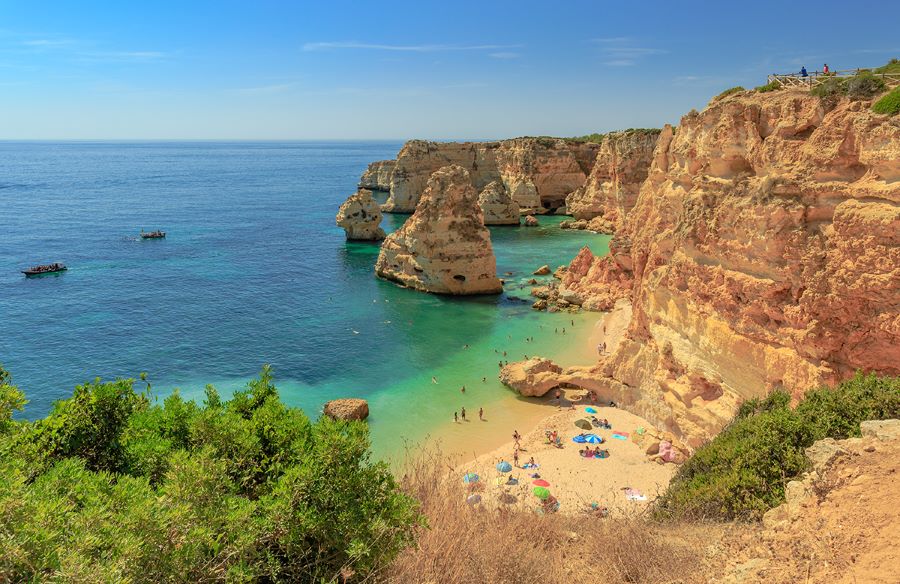
    Villa Monastero is one of the many villas in Varenna that offers unparalleled lake views – be sure to take in all its rich history! Villa Cipressi is another architectural masterpiece well worth exploring – you won’t been disappointed by its picturesque gardens and tranquil atmosphere. Don’t miss Castello di Vezio, a medieval castle with two trails to the top.

    Whether you wish to relax or explore, Varenna should definitely be on your bucket list – it’s an unforgettable experience.

    3.Lecco

    Lecco, located on the western shore of lovely Lake Como, is a vibrant and historic town that deserves to be at the top of your bucket list. Offering up plenty of churches and quaint shops, this charming little spot is well worth a visit.

    One of the top spots to explore in Lecco is their lovely lakeside promenade – perfect for romantic strolls or simply relaxing by the shore with a good book. The bell tower of Basilica di San Nicolò has panoramic views from the top, if you can face the 400 steps up!

    There are also plenty of restaurants nearby offering delicious Italian dishes and lovely outdoor seating areas where you can admire the beauty of Lake Como’s waters while savoring some tasty local favorites.

    4.Tremezzo

    Tremezzo is a breathtaking, picturesque town that offers incredible views of the Alps and elegant villas. Together with other towns from the former communes of Lenno, Mezzegra and Ossuccio, it forms the commune of Tremezzina.

    If you’re an explorer at heart, or love a good nature trail, then this idealistic Italian landscape can’t be missed. Villa del Balbianello is one of the best places to visit, with ornate gardens that have featured in movies such as Star Wars: Episode II Attack of the Clones. Villa Carlotta also makes for a great day trip with its spectacular gardens and museum.

    Grand Hotel Tremezzo is a luxury hotel overlooking the lake. Whether you want to take in the majestic wildlife or discover all that the ancient quaint village has to offer, Tremezzo presents itself as perhaps one of the most immaculate towns on the Lake Como and should definitely be included in your bucket list.

    5.Menaggio

    Menaggio is a picturesque small town on the western shore of Lake Como that will enchant any bucket list traveler. You’ll find yourself charmed by its cobblestone, narrow streets, and its plethora of quaint restaurants and cafes, perfect for that indulgent Italian vacation.

    There are some beautiful churches such as San Carlo and San Stefano. Menaggio is ideally located for boat trips to Lake Lugano in Switzerland. With so much to enjoy, Menaggio is an absolute must-visit destination on any Lake Como tour.

    6.Como

    Como is a beautiful city at the southern end of Lake Como. It is packed with romantic alleyways, interesting shops, and delicious restaurants to explore.

    One of Como’s most iconic landmarks is Como Cathedral which dates back to 1396. Villa Olmo provides serene vistas over the lake.

    The city of Como is always buzzing with activity; locals enjoying their beloved Italian ice cream while enjoying the sunshine and tourists shopping in the many luxurious boutiques. We were tempted by a few leather bargains!

    Whether looking to relax by the lake or explore Como’s historic charm, this gorgeous destination offers something for everyone. It truly deserves its title as one of the most attractive towns on Lake Como.

    7.Mandello del Lario

    An idyllic haven for holiday makers and locals alike, Mandello del Lario is a charming if slightly sleep town situated on Lake Como. Nestled in between Bellagio and Varenna along the eastern shore of the lake, this little gem offers spectacular views of the alps and rolling landscape.

    A particular highlight is Moto Guzzi Museum – making it a must-see stop during your visit! This marvelous institution allows you to explore Moto Guzzi’s unique motorcycle heritage in various displays.

    8.Cernobbio

    Situated on the stunning Italian lake of Como, Cernobbio is considered one of the most beautiful smaller towns around. Taking a stroll down its idyllic cobbled lanes and you will discover many opulent villas plus an Art Nouveau pier.

    With breathtaking mountain views all around, it’s no wonder that this picturesque town is known as a major tourist destination. Art and history lovers will be in awe of Villa d’Este. One of the best hotels on Lake Como, its opulent gardens are a delight. It’s not to be confused with the iconic Villa d’Este in Tivoli near Rome.

    Wake up each morning to a panoramic view of Lake Como, spend time people-watching on the picturesque promenade or simply soak up this historic town’s authentic atmosphere – Cernobbio is certainly not an experience to forget!

    9.Torno

    Nestled in the western corner of the captivating Lake Como, Torno is quite the sight for sore eyes. A ferry ride from Como is all it takes to experience this gorgeous medieval waterfront commune.

    Tourists visiting need to be sure to check out Porticciolo harbour. The historic buildings towering along the lake make for some enchanting picturesque postcard-perfect backdrops.

    10.Argegno

    Argegno is a commune of Lake Como in the Lombardy region of Italy. Located approximately 15 kilometers north-west of Como city, it’s arguably one of the most beautiful villages on Lake Como, as well as one of the oldest settlements in the region.

    With its outstanding mountain views, boat tours, and cable car ride to Pigra peak, Argegno is definitely worth a visit. The views from Pigra peak are breathtaking with the cable car ride just adding to the experience.

    Your days will be filled exploring hiking trails and valleys which remain to be untouched and undiscovered until this day. Plus, if you’re a foodie, enjoy local distinctive cuisine around every corner of the village that ranges from traditional Italian dishes to exquisite lakeside seafood! Make sure to include Argegno in your travel plans for an unforgettable experience!

    How To Get To Lake Como

    For those looking to enjoy the stunning sights of Lake Como, easy access is available by public transport. From both Milan and Bergamo airports, there are numerous buses and trains to the lake ensuring you’ll arrive with ease. You can take a direct train from Milano Centrale to Como San Giovanni train station which takes around 48 minutes.

    Once at the lake, there are many different boats to pick and choose from in order to get around. Whether you want a day trip taking in some of the most breathtaking views in Italy or simply hopping between some of it’s picturesque towns and villages, getting to Lake Como has never been so easy!

    It’s also simple to combine a trip to Lake Como with a Milan itinerary – allow at least a week in Italy if you can.

    Where to Stay in Lake Como

    Menaggio is a great place to stay on the shores of Lake Como. One of the most beautiful towns in the area, it has some charming accommodation options such as Grand Hotel Victoria. Another lovely hotel is Villa Lario Resort Mandello with its sun terrace and swimming pool.

    MUSA Lago di Como is a boutique design hotel in Sala Comacina, while Vista Palazzo – Small Luxury Hotels of the World is just a short walk from the shore in Como town.

    Final Thoughts on the Best Lake Como Towns

    With its breathtaking landscapes, vibrant culture and relaxed atmosphere, Lake Como is the perfect place for those looking to get away from the hustle and bustle of everyday life. Whether you’re looking to explore Bellagio’s exquisite villas and restaurants, relax in Varenna’s waterfront village, appreciate Lecco’s bright and lively atmosphere or view beautiful mountain ranges from Tremezzo. Lake Como will show you a unique experience filled with beauty and adventure.

    It’s also worth topping off your trip exploring Lake Como with a stroll down Menaggio’s cobblestone streets – admiring its charming cafes and discovering why it’s considered one of the most picturesque towns in Italy. Update your bucket list by getting to know some of the best towns in the Lake Como area.

  • Luxurious Towns on the French Riviera: 14 Quaint Destinations To Visit

    Luxurious Towns on the French Riviera: 14 Quaint Destinations To Visit

    If you’re looking for a luxurious and beautiful place to vacation, look no further than the French Riviera. This area is home to some of the most prestigious towns in all of Europe, each with its own unique personality and charm. From Cannes to Monaco, here are some of the best towns on the French Riviera that you won’t want to miss.

    Picturesque Destinations to Visit on The French Riviera

    Blessed with almost permanent sunshine, wonderful cuisine and beautiful coastline, the Cote d’Azur is a seriously stylish place. Stretching for 71 miles along the coast, the French Riviera is generally agreed to start at Saint-Tropez in the West and to finish at Menton next to the Italian border.

    The area became known as the Cote d’Azur, or Blue Coast, in 1887. This stretch of the French coast was frequented by the British and Russian aristocracy at the end of the 18th century.
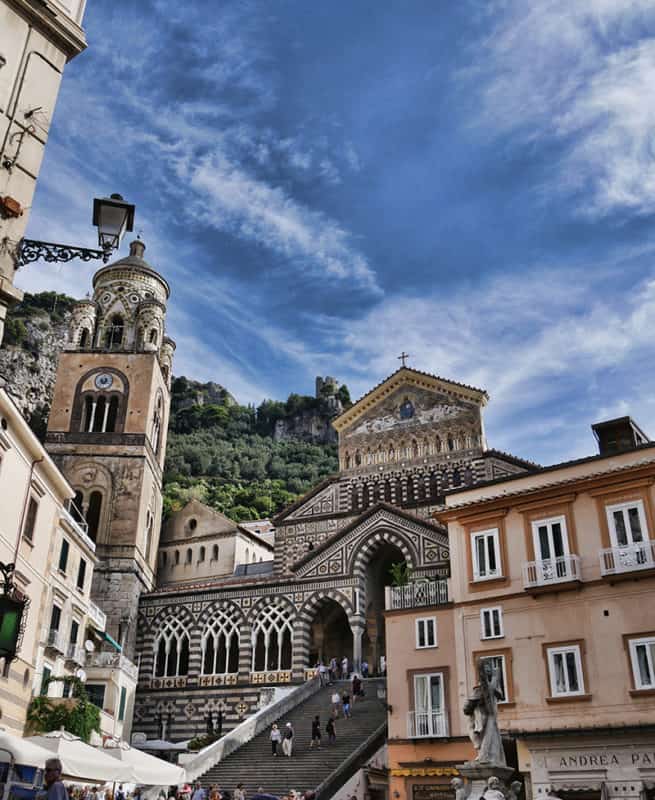
    When the railway arrived in the mid 19th century, French Riviera holidays became very popular. The region was visited by British royalty including Queen Victoria. Famous artists such as Henri Matisse and Pablo Picasso came here in the 20th century. We’ve visited the area multiple times and these gorgeous towns in the South of France are all well worth a visit.
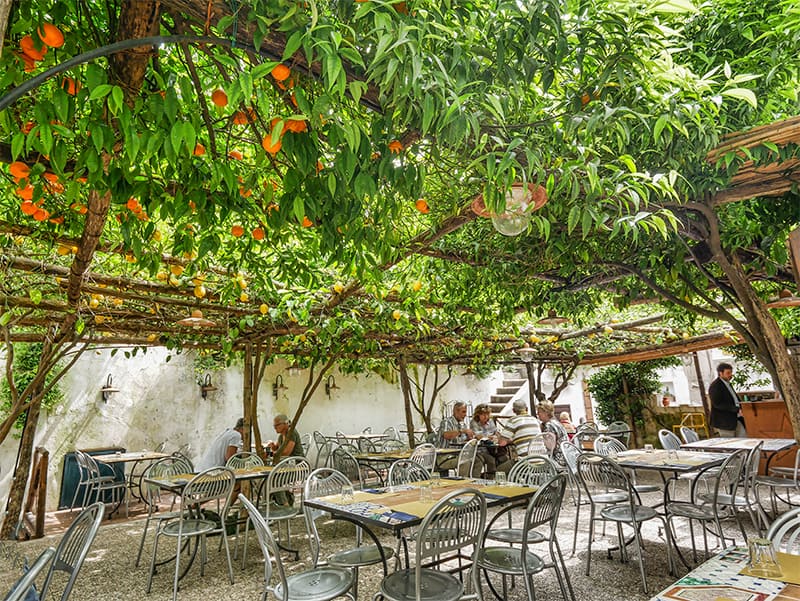
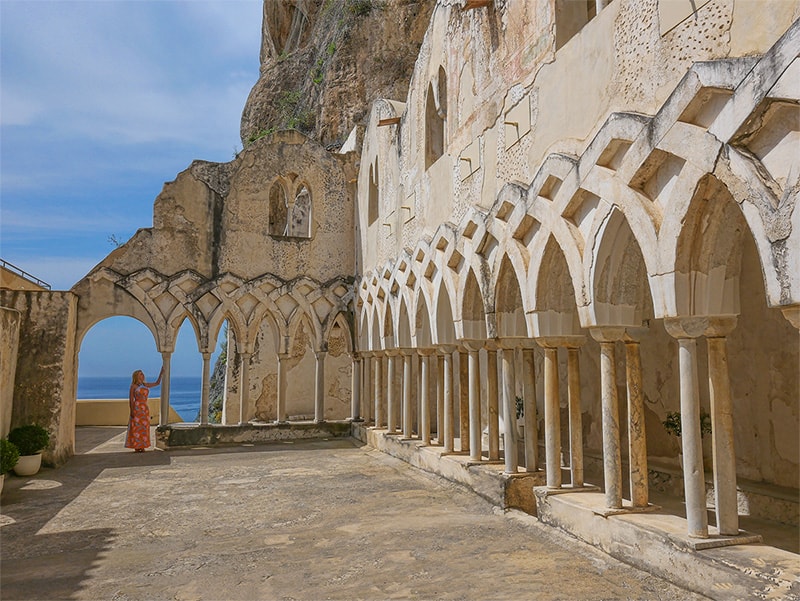
    1.Antibes

    Let’s start our journey in Antibes, one of the most picturesque French Riviera towns. Is Antibes expensive?

    Yes and no, as luxury hotels in Antibes are costly but you can get a good meal in a bistro for a very reasonable price. There are some good public beaches in Antibes Juan-les-Pins, such as Ponteil and Salis. However, there are also quite a few Antibes beach clubs with private beaches, where you pay an entry fee.

    The Fort Carré is an imposing sight overlooking the Mediterranean. Whilst the fort dates from the 16th century, Antibes itself was founded in the 5th century BC and known as Antipolis.

    Today it’s an elegant town with a yacht marina and an impressive Picasso Museum, in the castle where Pablo Picasso stayed for 6 months.

    2.Cannes

    Famous for its annual film festival, Cannes is a must-see French Riviera resort. If you visit from mid May, expect to spot a few movie stars!

    Cannes is equally well known for it’s famous Promenade de la Croisette, a long avenue lined with palm trees. You’ll find some of the most luxurious hotels along here, as well as upmarket boutiques and restaurants and one of the best French Riviera beaches.

    3.Saint-Jean-Cap-Ferrat

    This spectacular peninsula is one of the most expensive places to live in France. There are some beautiful villas nestled along Cap Ferrat coastline and dotted around its hills.

    One that we recommend you should visit is the Villa Ephrussi de Rothschild. This magnificent rose-coloured villa was constructed by Baroness Béatrice de Rothschild. Located on a hill with panoramic views over the Cote d’Azur, it is now a museum, open to the public.

    Inside you’ll find many old master paintings and antique furniture, whilst outside there are 9 different gardens to explore, representing the countries that the Baroness visited. Don’t miss the fountain display, held every 20 minutes.

    4.Grasse

    When you hear the name Grasse, it instantly evokes perfume and the inimitable scents you’ll find on the French Riviera. Three of the most famous French perfume houses, Molinard, Fragonard and Galimard all offer tours and the International Museum of Perfumery is the only one of its kind in the world.

    The town itself is a popular destination, with a cathedral dating from the 11th century and containing works of art by Rubens. The annual Fete du Jasmin or Jasmin Festival takes place every year at the beginning of August.

    5.Monaco

    Although Monaco is a principality in its own right, it is often considered to be located within the geographical area of the French Riviera. It’s surprising just how many attractions there are to see, including Monte Carlo Casino and the botanical garden, or Jardin Exotique de Monaco.

    Head to the Rock of Monaco to see the changing of the guard at the Prince’s Palace each day at noon. The world famous aquarium, Musée océanographique de Monaco, is a short walk from here.

    6.Mougins

    This charming hilltop French Riviera village has long been a favourite with artists such as Jean Cocteau, Pablo Picasso, Yves Klein and the Surrealist Man Ray. Many celebrities have wandered around the narrow streets, including Sir Winston Churchill, Edith Piaf and Christian Dior.

    The winding pedestrianized streets are home to numerous art galleries, quaint restaurants and the Mougins Museum of Classical Art. Each September, the International Gastronomy Festival of Mougins takes place in this medieval village.

    7.Nice

    The capital of the Alpes-Maritimes department, Nice is one of the most famous South of France cities. Nicknamed Nice La Belle or Nice The Beautiful in English, this stylish French Riviera town lives up to its name.

    Nice is known for its famous Promenade des Anglais, a walkway overlooking the Mediterranean Sea. The Promenade du Paillon is another great place for a walk.

    Spread over 12 hectares, this urban haven starts at Place du Massena with the Miroir d’Eau, which means Water Mirror in English. This is one of the most fun French Riviera attractions.

    Stop for a pissaladière (sweet onion, anchovy and olive tart) or salade niçoise at the Flower Market on Cours Saleya or at the old port. Nice also has some great museums, such as Musée Marc Chagall, Musée Matisse and Palais Lascaris, a seventeenth century building with over 500 musical instruments on display.

    8.Saint Paul de Vence

    If you have a bit of time during your South of France vacation, head to Saint-Paul de Vence. This medieval French town is renowned for its thriving art galleries and museums, having been home to many artists such as Marc Chagall, who is buried here.

    Fortified in the 13th century, it has survived virtually intact. Saint Paul de Vence can get rather busy in season, so it’s preferable to visit this small town early in the day or out of season.

    The contemporary Fondation Maeght is quite a contrast with the old town – this acclaimed museum has one of the most important collections of modern art in Europe. You will see works by Braque, Calder, Giacometti, Miro and many more dotted around its grounds and interior.

    9.Saint-Tropez

    This French coastal town hardly needs an introduction, being world famous for its old school glamour. Once a sleepy fishing village, Saint Tropez became a hotspot for celebrities in the 1960s.

    Nowadays, Saint-Tropez could well be the richest place in France. Make time to wander around the harbour, to taste a Tarte Tropézienne at one of the town’s bakeries. Climb up to the Citadel of Saint-Tropez for unparalleled views of the sea.

    10.Villefranche-sur-Mer

    The sweeping bay of Villefranche is a sight for sore eyes. With an incredibly deep natural harbour, it’s popular with the larger ships who can anchor here safely.

    The town of Villefranche sur Mer dates from the 14th century. This picturesque French Riviera town has featured in many films including Alfred Hitchock’s To Catch a Thief, and more recently, The Bourne Identity. Climb up to Citadelle de Villefranche for great views of the town.
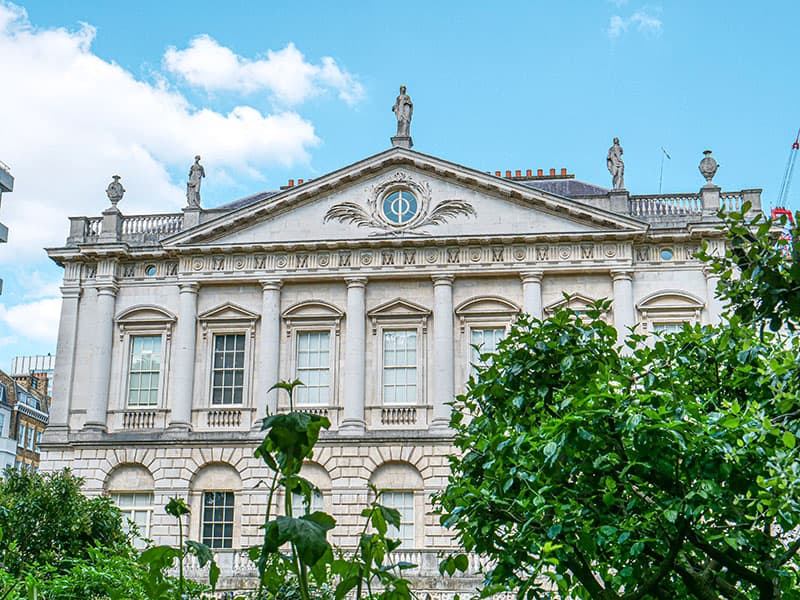
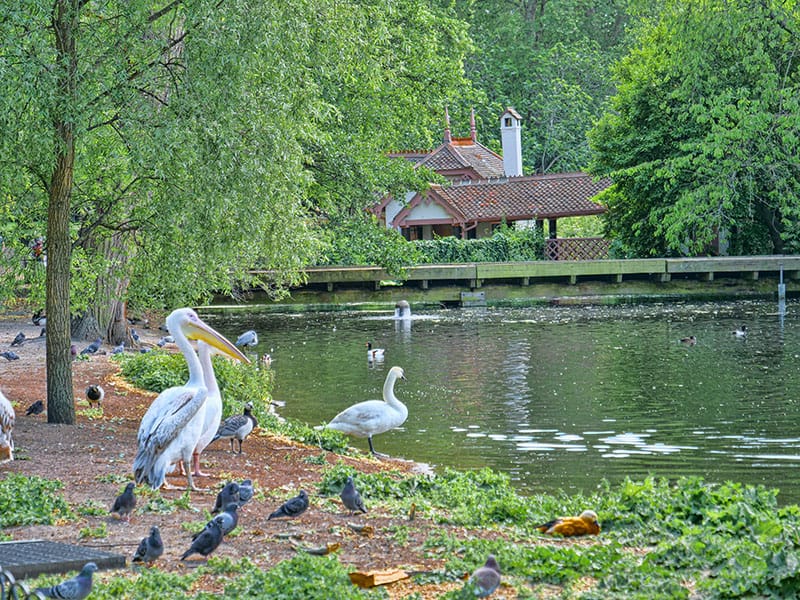
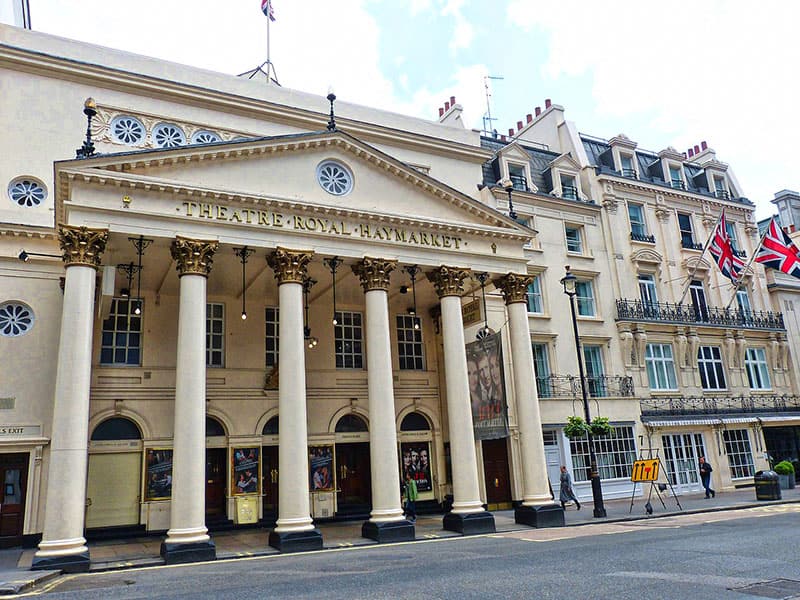
    There are some luxurious villas for sale in Villefranche sur Mer. This beautiful town has a good mix of locals and expats, drawn to the mild climate and spectacular scenery.

    11.Menton

    Menton is one of the most beautiful towns on the French Riviera, known for its charming cobblestone streets, picturesque beaches, and mild micro-climate. The Old Town (Vieux Menton) is full of pastel-colored buildings and lively squares such as the Place aux Herbes. The architecture has an Italian influence, given Menton’s proximity to Italy.

    This seaside town has both pebble beaches and sandy beaches like the Plage des Sablettes. Don’t miss the famous covered market, Marché de la Bastide, selling fresh local produce, flowers, and Provencal products.

    The Jean Cocteau Museum celebrates the work of the poet and artist.

    12.Beaulieu-sur-Mer

    Located between Nice and Monaco, Beaulieu-sur-Mer lives up to its name, which translates to “beautiful place by the sea.” This elegant Belle Époque resort town offers a more relaxed atmosphere compared to its glamorous neighbors while maintaining quintessential Riviera charm.

    The town is home to magnificent architectural gems, including the striking Villa Kerylos, a faithful recreation of an ancient Greek villa built in the early 1900s by archaeologist Theodore Reinach. Beaulieu’s picturesque harbor and beautiful beaches make it perfect for swimming and water activities.

    The sheltered Baie des Fourmis (Bay of Ants) offers calm waters ideal for families, while Petite Afrique beach is known for its fine sand – a rarity on the predominantly pebbly Riviera coastline. Gastronomic enthusiasts will appreciate the renowned African Queen restaurant on the port, which has attracted celebrities since the 1950s.

    13.Èze

    Perched dramatically on a rocky peak 1,400 feet above the Mediterranean, Èze is one of the most breathtaking medieval villages on the French Riviera. The journey through Èze’s perfectly preserved medieval streets leads to the crowning jewel of the village – the Exotic Garden (Jardin Exotique d’Èze). This botanical wonderland features an impressive collection of cacti, succulents, and Mediterranean plants against the backdrop of one of the coast’s most stunning vistas.

    Art enthusiasts will appreciate the numerous galleries and artisan workshops tucked into the stone facades, showcasing everything from traditional crafts to contemporary art. The 12th-century ruins of the ancient castle add another layer of historical intrigue to this already enchanting village.

    For those seeking luxury, Èze is home to the renowned La Chèvre d’Or, a five-star hotel and two-Michelin-starred restaurant offering a truly exceptional dining experience with incomparable views. The village is also known for the famous Nietzsche Path (Le Chemin de Nietzsche), a hiking trail connecting Èze Village to Èze-sur-Mer, named after the philosopher who found inspiration hiking this route.

    14.Théoule-sur-Mer

    Situated at the foot of the Esterel Mountains this small, unspoiled resort town is characterized by its striking contrast of vivid red porphyry cliffs against the deep blue sea – a landscape that has inspired countless artists and photographers.

    Unlike many of its more developed neighbors, Théoule-sur-Mer maintains a relaxed, family-friendly atmosphere with several small, pristine beaches. The clear waters here are perfect for swimming, snorkeling, and diving, while the surrounding Esterel Massif offers exceptional hiking and mountain biking opportunities on trails that afford spectacular coastal views.

    The town’s small marina adds a touch of Riviera glamour with its collection of yachts, complemented by waterfront restaurants serving fresh seafood and Rosé de Provence wine.

    How to Get to the French Riviera

    By plane – Nice Côte d’Azur International Airport serves 100 destinations in 32 countries and is close to the centre of Nice, a luxurious destination it its own right.
    By train – There are high speed trains linking to all French regions and most major European cities.
    By car – It’s wise to hire a car to see as much of the area as possible, and you can hire one at Nice Airport or in most of the towns.

    Where to Stay on the French Riviera

    From the glamour of the Cap d’Antibes Beach Hotel and Villa Belrose, to a French fortress in Vence, to Chateau de Berne winery in Lorgues, there are some beautiful places to stay in the South of France that we would recommend.

    In Conclusion: Luxurious French Riviera Towns

    The French Riviera is one of the most beautiful places in the world. If you’re looking for a relaxing vacation with plenty of sun, luxurious restaurants and sandy beaches, look no further than these posh places in France.

    This coastal region is perfect for anyone looking to escape the hustle and bustle of everyday life. From beautiful villages to upscale resorts, there’s something for everyone on the French Riviera. So pack your bags and get ready to relax in style.

  • Luxury Marseille One Day Itinerary with Map (2025)

    Luxury Marseille One Day Itinerary with Map (2025)

    Looking to experience the best of Marseille in just one day? This carefully curated Marseille one day itinerary will help you make the most of your time in France’s oldest city, combining historical sites, culinary delights, and breathtaking views for an unforgettable luxury experience.

    Morning: Breakfast with a View

    Start your day with a gourmet breakfast at one of the upscale cafés near the Vieux Port. Grab a table at Deïa Coffee & Kitchen or buy take away biscuits such as the traditional Navette (orange blossom cookie) at Les Navettes des Accoules. Take them to the Old Port to enjoy with a view of the bobbing boats.

    Mid-Morning: Explore Le Panier

    After breakfast, take a short walk to Le Panier, Marseille’s oldest district. Wander through the narrow, winding streets lined with colorful buildings, artisan shops, and street art.

    Don’t miss the Centre de la Vieille Charité, a stunning baroque architectural complex that now houses museums and exhibition spaces. A private guided tour can provide fascinating insights into the area’s 2,600-year history.

    We also recommend Glace Vanille Noire for artisanal ice cream. Their signature black vanilla ice cream has a secret ingredient – we have no idea what it is but it tastes good!

    Late Morning: Cathédrale La Major

    Make your way to Cathédrale La Major, Marseille’s impressive Byzantine-inspired cathedral with its striking green and white striped façade. This 19th-century architectural masterpiece is one of France’s largest cathedrals and features stunning mosaics, marble columns, and a magnificent dome.

    Take a moment to admire the interior’s grandeur and the sweeping views of the Mediterranean from the cathedral steps.

    Lunch: Seafood at a Michelin-Starred Restaurant

    For lunch, treat yourself to the city’s famous bouillabaisse at a Michelin-starred restaurant. AM Par Alexandre Mazzia (three Michelin stars) offers innovative cuisine, or try Une Table au Sud for sophisticated seafood with port views. Reserve well in advance for these exclusive dining experiences.

    Early Afternoon: Palais Longchamp

    After lunch, visit the majestic Palais Longchamp, an elegant 19th-century monument built to celebrate the completion of the Canal de Marseille. This architectural gem features a spectacular fountain cascade, ornate colonnades, and beautifully landscaped gardens.

    The palace houses the Museum of Fine Arts and the Natural History Museum, both worth exploring if time permits. The surrounding park provides a serene respite from the city’s bustling energy.

    Mid Afternoon: Notre-Dame de la Garde

    Take a private car service up to Notre-Dame de la Garde, the iconic basilica perched high above the city. This 19th-century Romano-Byzantine church offers the most spectacular panoramic views of Marseille, the surrounding coastline, and the sparkling Mediterranean.

    The interior’s ornate mosaics and the golden Madonna statue atop the bell tower are must-sees.

    Late Afternoon: Corniche Kennedy

    Take a private car along the scenic Corniche Kennedy, a picturesque coastal road offering breathtaking views of the Mediterranean and Marseille’s rugged coastline. This three-kilometer stretch follows the contours of the bay with panoramic vistas of the sea and the Frioul archipelago.

    Stop at the Vallon des Auffes, a tiny traditional fishing port tucked beneath the road, for photo opportunities and perhaps a quick espresso at one of the waterfront cafés.

    Evening: Gourmet Dinner

    Return to the city for an unforgettable dinner at 3 Michelin starred Le Petit Nice Passedat restaurant, located at Anse de Maldormé on Corniche JF Kennedy. Here, you can enjoy refined Mediterranean cuisine and signature dishes such as their bouillabaisse and Lucie Passedat’s Sea Bass.

    The glass-walled dining room offers a magical nighttime panorama of the sea.

    Night Cap: Rooftop Lounge

    End your luxury day with a nightcap at one of Marseille’s sophisticated rooftop bars. Bar Le Capian at the InterContinental Marseille – Hotel Dieu offers craft cocktails and breathtaking nighttime views of the Vieux Port and Notre-Dame de la Garde lit up against the night sky – a perfect finale to your day of Marseille luxury.

    Ciel Rooftop on Rue Haxo is another great option, located in one of the highest buildings in the city. Reservations are not required for drinks from 3pm onwards.

    Another option for the young at heart is Place des Canailles in Les Docks Village. This covered courtyard bar has quite loud music and a lively vibe, with salsa dancing on Wednesdays.

    Additional Recommendations for Marseille

    With a little more time in Marseille, we recommend a private boat tour to the Calanques National Park. These stunning limestone cliffs and turquoise inlets are best appreciated from the water.

    Several luxury yacht services offer cruises with a private skipper, allowing you to swim and snorkel in the Mediterranean at your own pace.

    Back in town, the striking modern museum complex MUCEM (Museum of European and Mediterranean Civilisations) has views over Fort Saint-Jean and the harbour. Grab a selfie with the giant orange Teddy Bear Statue by Jayet.

    Luxury Shopping in Marseille

    Head to the Rue Paradis and Rue Grignan area for some high-end shopping. These streets are home to luxury brands, designer boutiques, and elegant jewelry stores.

    Pick up some local specialties like Marseille soap from La Compagnie de Provence or the Savonnerie de Marseille or unique fragrances from Maison Empereur, France’s oldest hardware store that now sells beautiful home goods.

    Where to Stay in Marseille

    For the ultimate luxury experience in Marseille, choose from these exceptional accommodations:

    InterContinental Marseille – Hotel Dieu: A five-star hotel housed in an 18th-century historic landmark overlooking the Vieux Port. This former hospital has been transformed into an opulent retreat with elegant rooms, a spa, and the acclaimed Alcyone restaurant.

    Sofitel Marseille Vieux Port: Perched on a hill with panoramic views of the harbor, this five-star property offers sophisticated rooms, a luxurious spa, and excellent dining options including Les Trois Forts restaurant with its spectacular terrace.

    C2 Hôtel: A boutique five-star hotel in a converted 19th-century mansion near the Vieux Port. C2 combines historic architecture with contemporary design, featuring a spa with an indoor pool, a cozy bar, and a peaceful garden.

    Le Petit Nice Passédat: This Relais & Châteaux property sits directly on the rocky coastline with incredible sea views. The hotel houses the three-Michelin-starred restaurant of chef Gérald Passédat and offers exclusive access to the Mediterranean.

    In Conclusion: Marseille One Day Itinerary

    This one-day itinerary gives you a taste of the best Marseille has to offer, combining historical exploration, gastronomic excellence, and stunning Mediterranean vistas in a perfectly balanced luxury experience.