Category: Europe

  • 21 Favorite Hidden Gems In Venice, Italy That You Must See

    21 Favorite Hidden Gems In Venice, Italy That You Must See

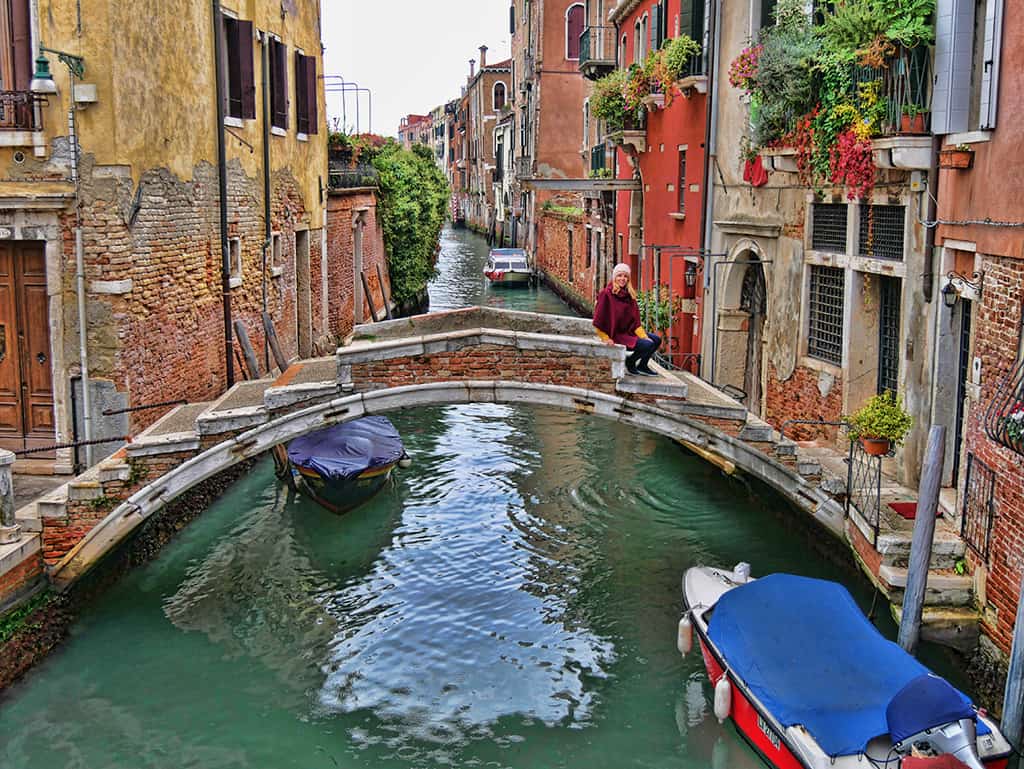
    Venice is one of the world’s most iconic cities and its attractions are visited by 20 million people every year. Yet if you know where to look, there are some lesser known sights that are well worth seeking out. Here are the top hidden gems in Venice to inspire your wanderlust as you walk around the city.

    Best Hidden Gems in Venice, Italy You Need to Visit

    While Venice may be known for St Mark’s Square, canals and gondolas, there is so much more to this incredible floating city. From hidden alleyways to underground passageways, there are countless ways to explore Venice off the beaten path. If you’re looking for a unique travel experience, check out these hidden gems in Venice.

    1.Libreria Acqua Alta

    This incredible Venice book shop is tucked away on Calle Longa S. Maria Formosa. The name translates as the library of high water and many of the books are stored in gondolas.

    There are many vintage books in the courtyard and inside the store. It’s one of the most Instagrammable places in Venice.

    The area of Venice in which Acqua Alta is located, Castello, is actually the largest in Venice. There are some other interesting Venice sights like the Naval History Museum, inside the Arsenale.

    2.All’Arco Cicchetti

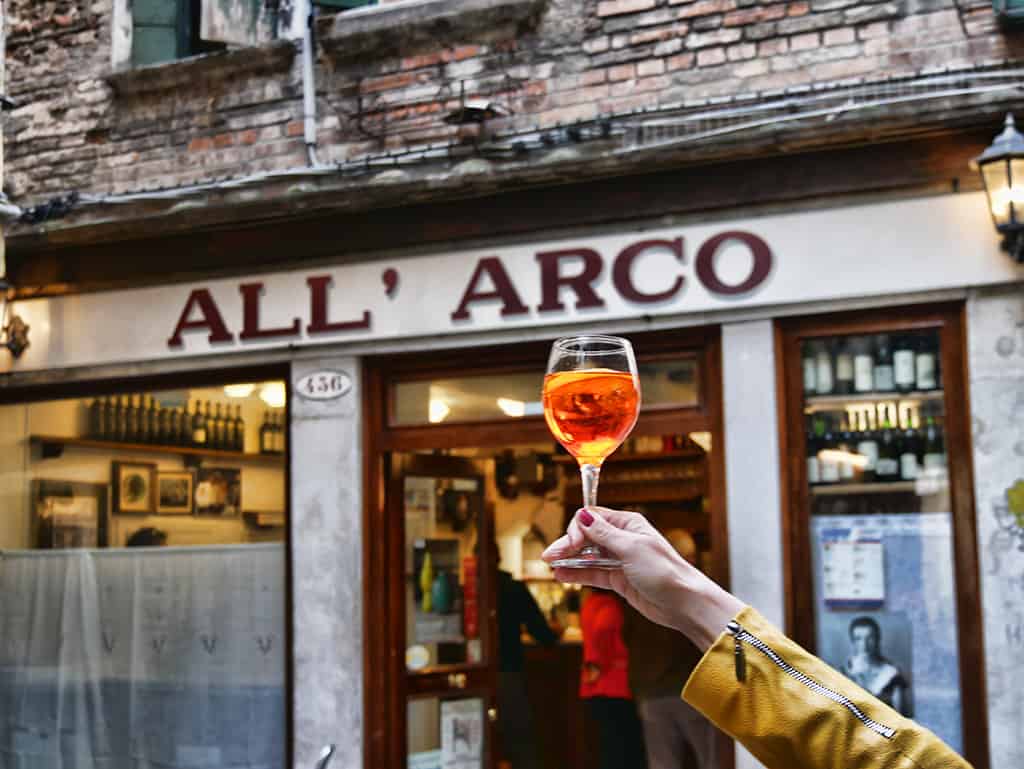
    We recommend stopping for cicchetti at one of the best secret bars in Rome – All’Arco. This unpretentious Venice bacaro bar in the quiet area of San Polo is so named because it’s located under a historic arch on a quiet back street.

    Cicchetti are Venetian tapas and the ones here are among the best you will find. The tramezzini, aka Venice small bites, vary daily depending on what is fresh and seasonal.

    Try the calamari, shrimp or the anchovies with Gorgonzola if they are available. Wash them down with a refreshing Aperol spritz or a glass of wine. You can either stand at the counter or sit at one of the tables outside.
    3.The Flooded Crypt of San Zaccaria

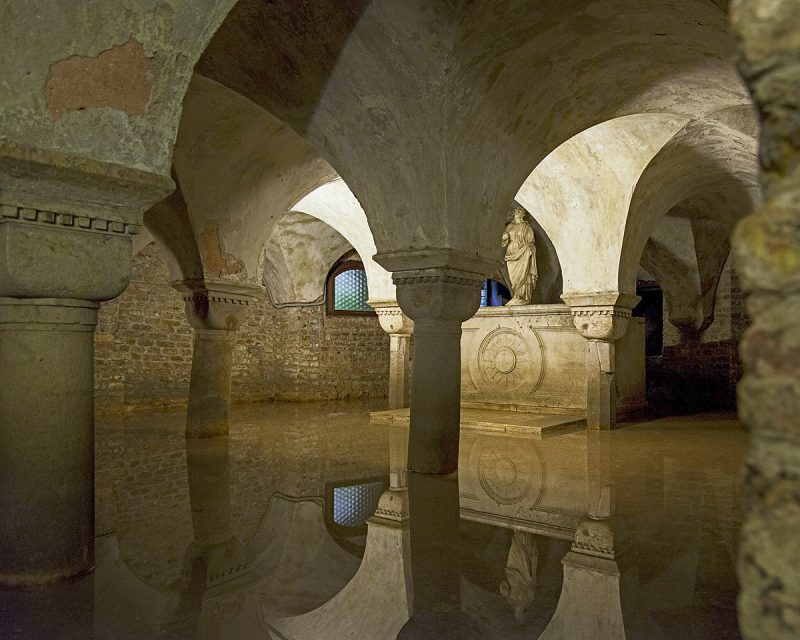
    The crypt of San Zaccaria Church is one of Venice’s most atmospheric hidden gems, located just a short walk from St. Mark’s Square. Dating back to the 10th-11th century, it’s the oldest surviving part of the church and houses the tombs of eight early Venetian doges (city leaders).

    What makes this crypt extraordinary is that it’s permanently flooded due to Venice’s rising water levels, creating an eerie, otherworldly atmosphere where the water acts as a mirror pool, making the columns appear twice their actual length. Visitors can access the crypt for a small fee (around €1.50) through a door marked “please close door behind you” in the chapel of San Tarasio. During high tide (acqua alta), the crypt may be completely flooded and viewable only from the staircase.
    4.Torcello Island, Venetian Lagoon

    Torcello is a small island in the Venetian Lagoon that features an unspoiled, rustic landscape. It has an important history as one of the first settled islands in the lagoon over a thousand years ago, even preceding Venice itself.

    Some of Torcello’s churches, like the striking Santa Fosca, date back to the 7th century AD. Yet despite this long history and its picturesque canals, Torcello receives just a tiny fraction of visitors compared to Venice.

    This isolation means its historic cathedral, mosaics, and sleepy ambience remain wonderfully preserved. Torcello offers a rare glimpse into what the city of Venice and its islands might have felt like before becoming a major commercial and political power.
    5.Scuola Grande di San Marco

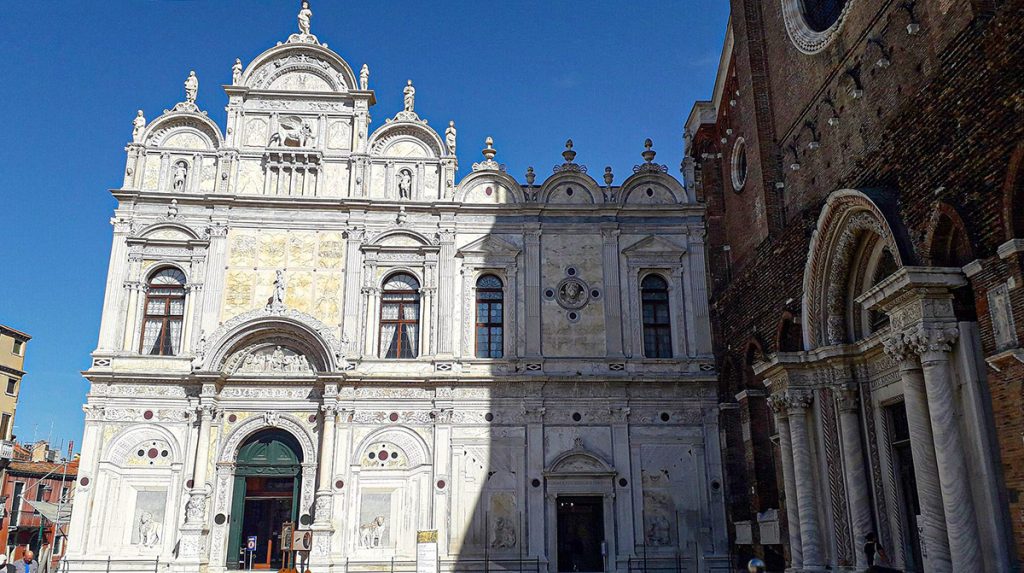
    Scuola Grande di San Marco is is less famous and crowded than other major Venetian landmarks like St Mark’s Basilica or the Rialto Bridge. However, its façade and interior decorations are very impressive, mixing Byzantine, Gothic, and Renaissance elements.

    Originally built as a meeting hall for one of Venice’s scuole grandi (great guilds), it contains many notable artworks. These include ceiling decorations and sculptures as well as large paintings by famous Venetian artists like Tintoretto. His enormous oil painting “The Crucifixion” is seen as one of his finest works there.

    Construction began in the late 15th century and took over a century to complete. After Napoleon suppressed the Venetian confraternities in the early 19th century, the Scuola Grande was used for a variety of purposes. Currently it serves as the main seat of Venice’s civic museum and cultural institute.
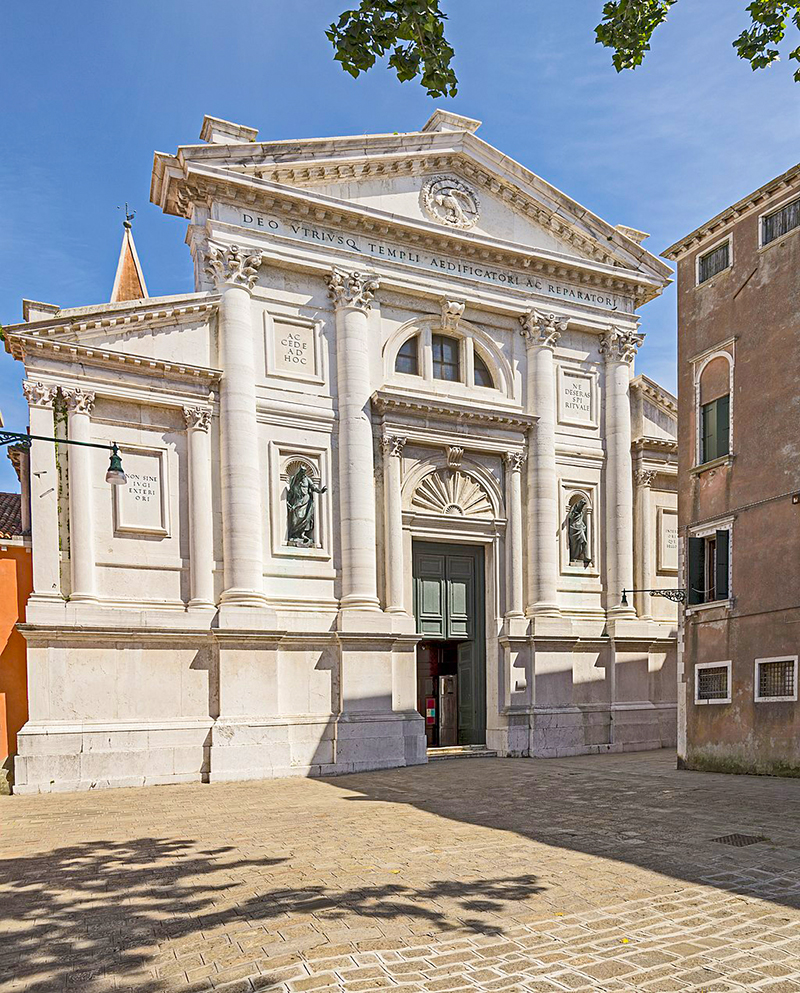
    6.San Francesco della Vigna

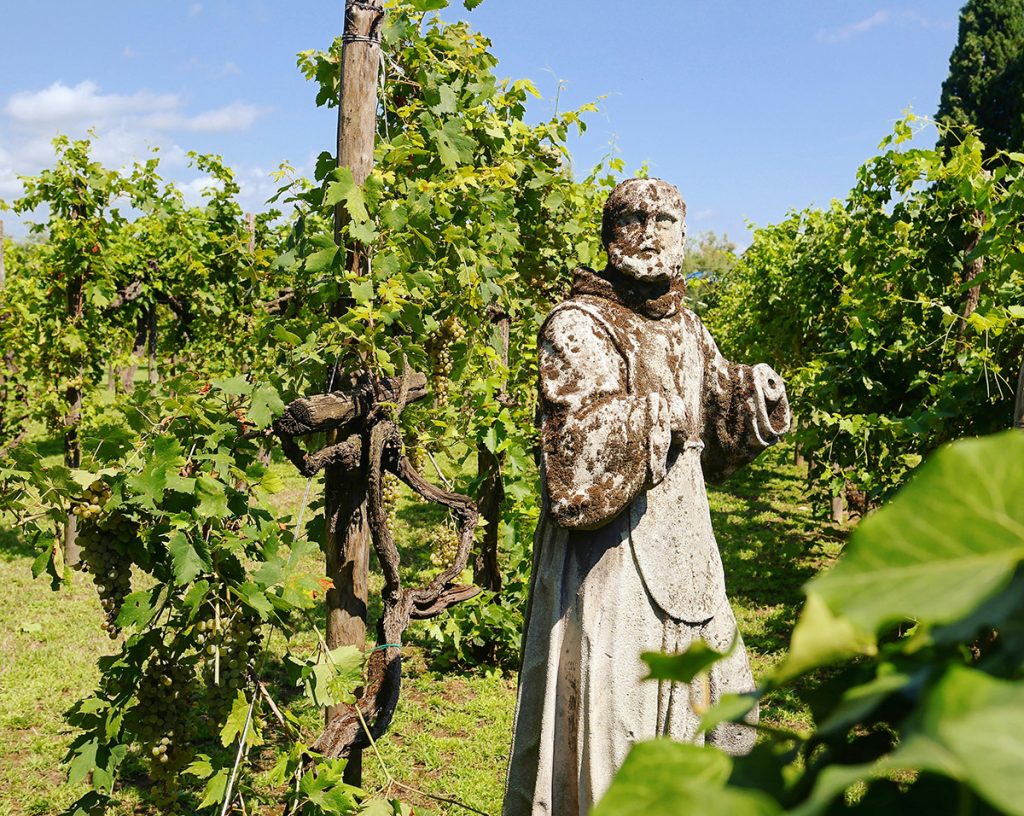
    This Roman Catholic church in the Castello district of Venice was built on the site of a former vineyard. Designed by Jacopo Sansovino, it features an elegant Renaissance facade by Palladio.

    The church’s bell tower is one of the tallest in Venice, at 69 meters high. Inside the church, you’ll find the Enthroned Madonna and Saints, painted by Bellini in 1507, in the Cappella Santa.
    7.Campo San Maurizio

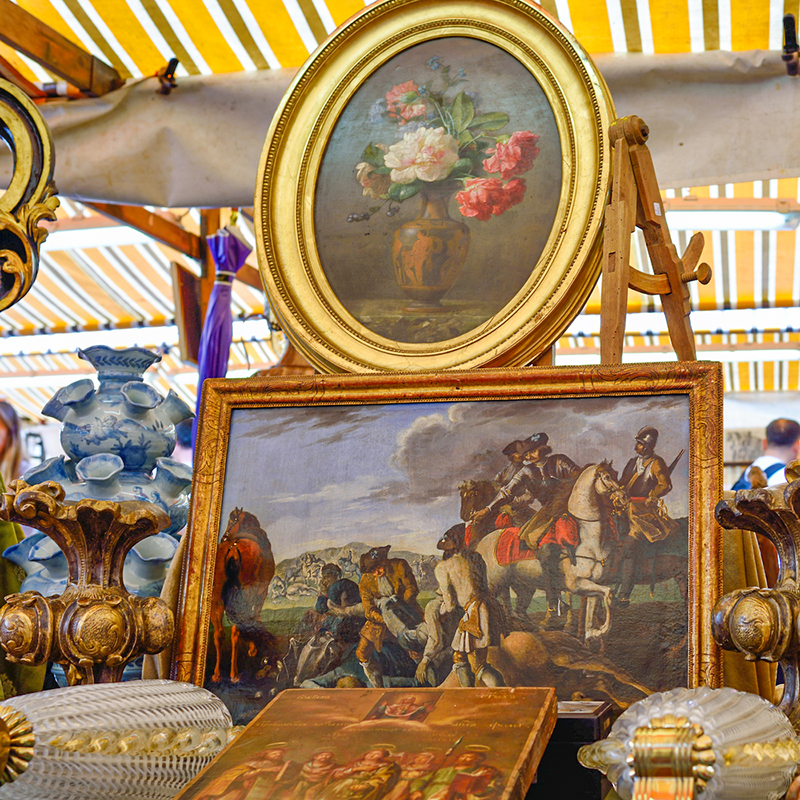
    A picturesque square in the San Marco district, Campo San Maurizio is known for its basilica of the same name. This Neoclassical church now houses the Museo della Musica, focusing on Baroque music.

    Five times a year, an antiques market is held in the square. With the rather long-winded name of Mercatino dell’Antiquariato Campo San Maurizio, thisb Venice flea market is a charming place to browse for various goods such as pocket watches and old postcards.
    8.Palazzo Contarini del Bovolo

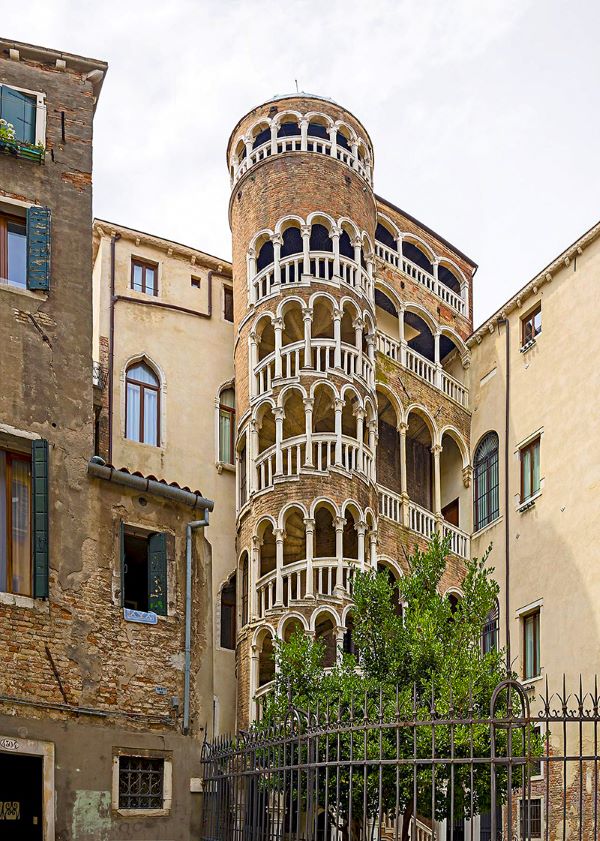
    This elegant Venetian palace has an incredible external staircase, the Scala Contarini del Bovolo. Meaning “of the snail” this spiral walkway dates from the 15th century.

    Fans of Orson Welles will recognize this ornate stairwell, as it features in his 1952 film Othello.
    9.Gelatoteca SuSo

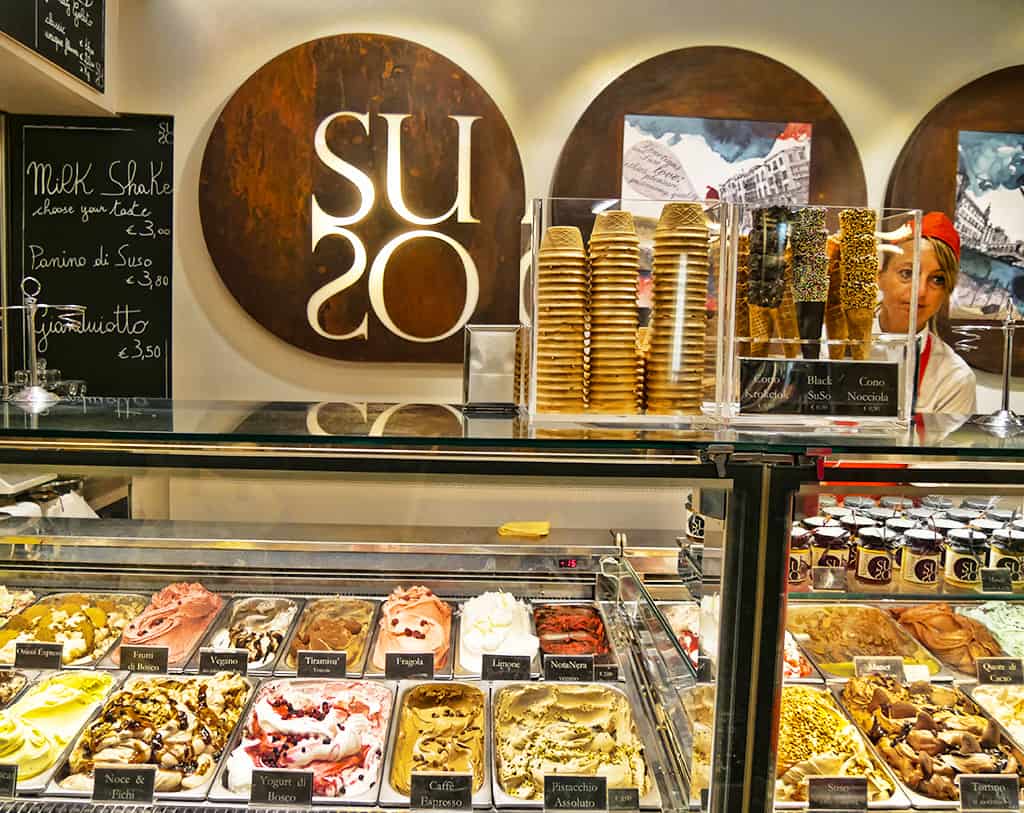
    It would be rude to come to Venice and not eat a gelato. Our favorite place is Gelatoteca SuSo on Calle della Bissa.

    It’s a short walk from the Rialto Bridge, but tucked away on a quiet backstreet. Not only is the lady working there really friendly, but their artisanal gelato are out of this world.

    This Venice gelateria sources the best ingredients without artificial colorants. They make their own cones and have some amazing flavours such as chocolate mixed with mango sorbet.
    10.Dorsoduro Area

    One of the six sestiere, or districts of Venice, Dorsoduro gives you a taste of local life. With the recent opening of new luxury hotels it will no doubt rise in popularity. Crossing over the Ponte dell’Academia you come across some charming independent souvenir shops along Piscina Former.

    The waterside Peggy Guggenheim Collection is one of the best cultural attractions in Venice. The museum focuses on modern European and American art. The nearby Gallerie dell’Accademia boasts an important collection of 19th century art spread over 3 buildings.

    There are several interesting churches in Dorsoduro, including the Basilica di Santa Maria della Salute and San Sebastiano. If you fancy a gelato, Nico at Fondamenta Zattere al Ponte Longo, on the waterfront is a great place for a chocolate hazelnut Gianduiotto.
    11.San Giorgio Maggiore

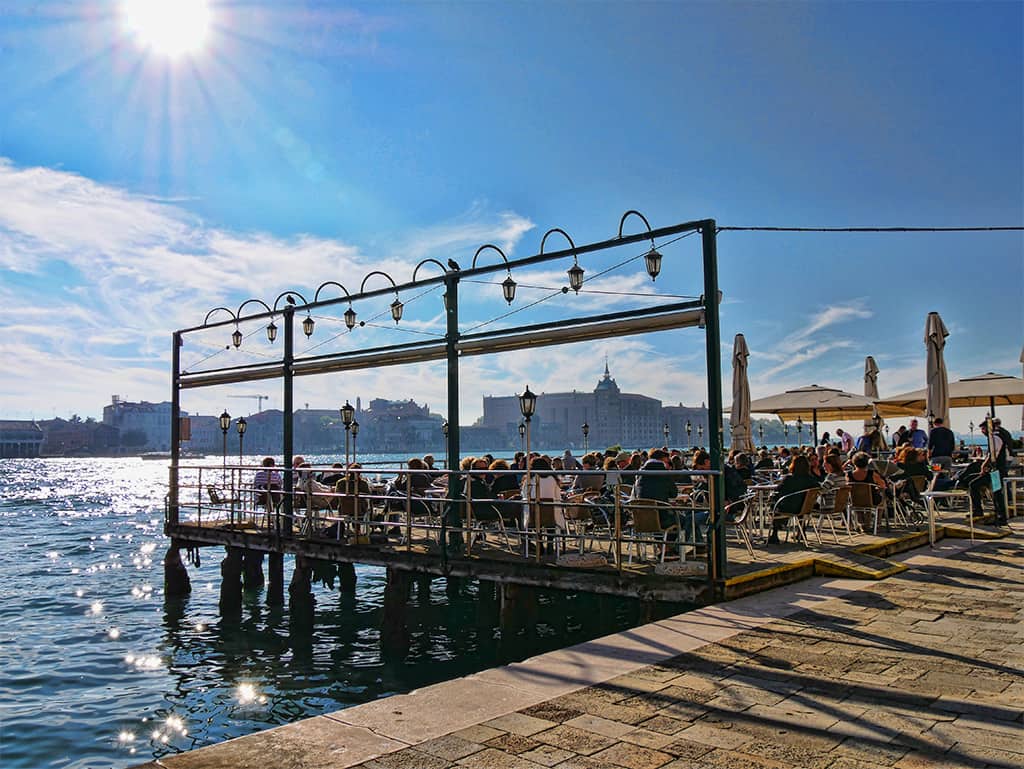
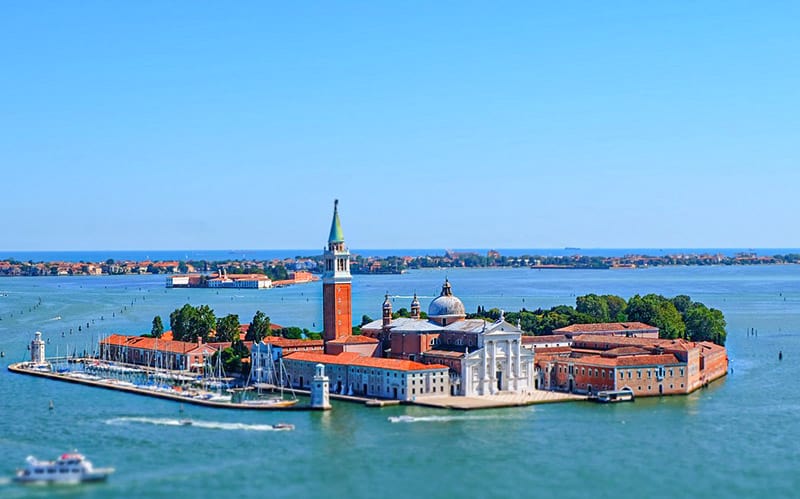
    Another Venice secret is the island of San Giorgio Maggiore, known for its 16th century church painted by Monet. Built in the Palladian style in 1566, this picturesque Venice landmark now houses the Giorgio Cini Foundation.

    Another interesting attraction is the Borges Labyrinth. Opened in June 2021, this boxwood maze is a tribute to Argentinian writer Jorge Luis Borges. This special place makes a great day trip from Venice.
    12.Ca’Macana

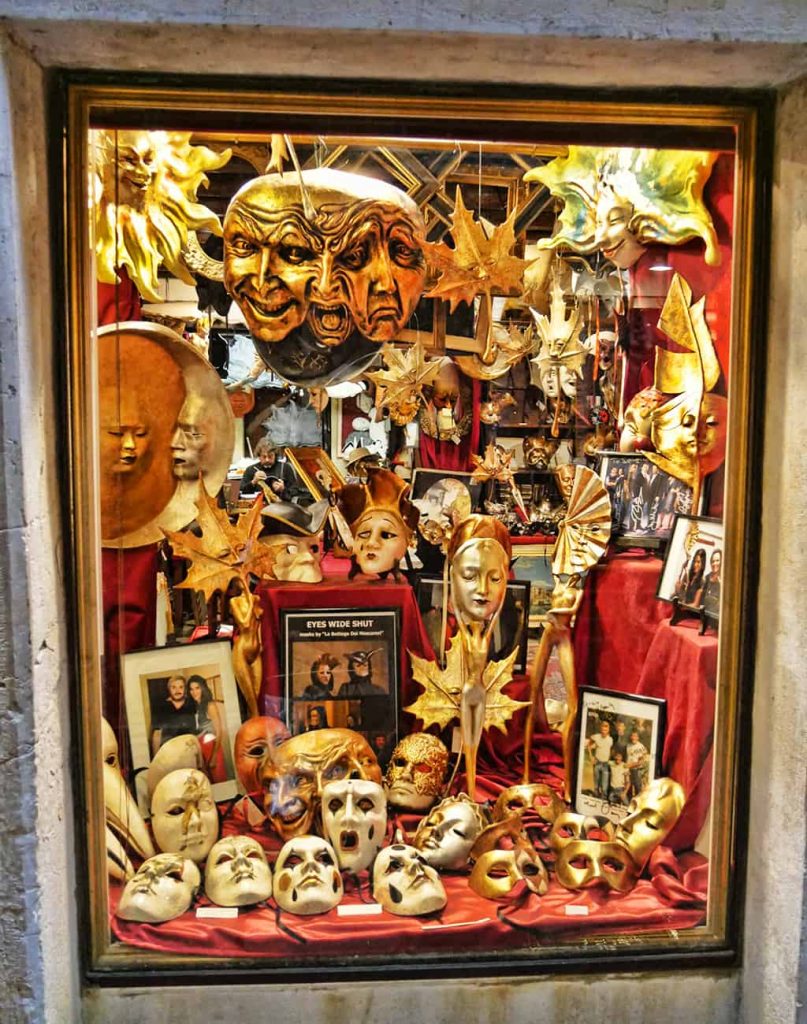
    One of the nicknames of Venice is the City of Masks. Popular during Venice Carnival, the papier maché masks enabled the wearer to hide their social status and identity. This 800 year old tradition is alive and well in Venice today.

    Also in the narrow streets of Dorsoduro, you’ll find the secret Venice mask shop famous for having created the masks for the Stanley Kubrick film Eyes Wide Shut. Theaters such as the Vienna Opera House also use their masks regularly.

    There are quite a few mask shops in the area but Ca’Macana stands out for the quality of its hand made creations. Each mask is unique, and they never make the same design twice. Ca’Macana run one and two hour mask-making courses for groups and corporates which are a lot of fun.
    13.Doge’s Palace Secret Itineraries Tour

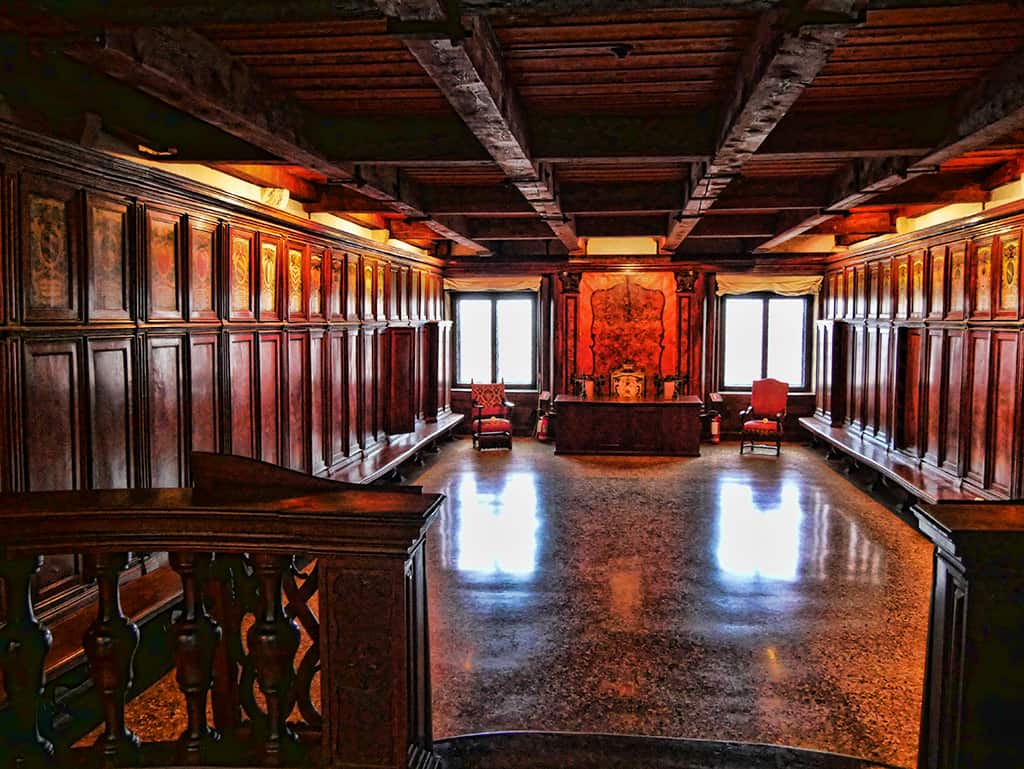
    The Doge’s Palace Secret Itineraries: Skip the Line Tour certainly qualifies as one of the best hidden gems in Venice. Although the Doge’s Palace itself is famous, many visitors to Venice don’t realize that there are special rooms that you can only see on this tour.

    You’ll find it fascinating to explore rooms such as the Chamber of the Secret Chancellery. Here you will see the cabinets that used to contain top-secret documents. They are adorned with the coats-of-arms of the chancellors from 1268 onwards.

    The Chamber of the Inquisitors has a ceiling decorated with paintings by Tintoretto, while the Chamber of the Three Head Magistrates has a secret passageway leading to the Chamber of the Council of Ten. However, the highlight of the Doge’s Palace tour for us is the visit to the two cells where Casanova was imprisoned.
    14.GLAM at Palazzo Venart

    Venice has been somewhat lacking in world-class restaurants but that has changed with the arrival of GLAM at Palazzo Venart. Tucked away down an unassuming pathway, this hidden Venice restaurant is not to be missed.

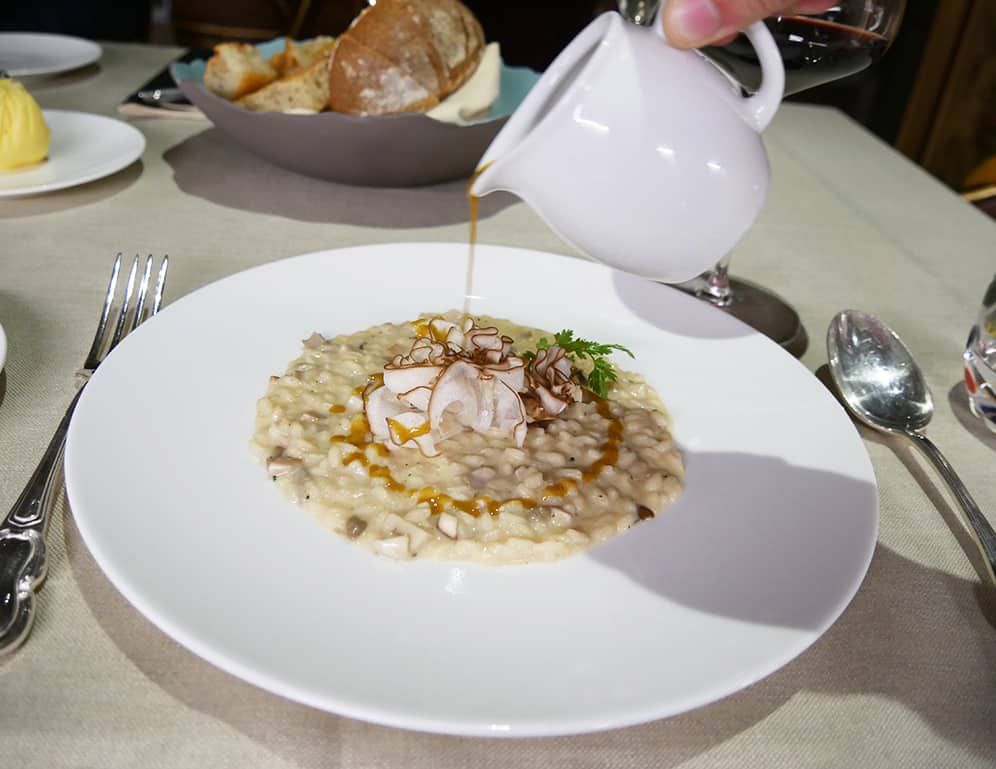
    Housed inside a stunning Venetian palace, now a 5 star luxury hotel, the delicious food is as refined as the surroundings at Ristorante Glam. This is the first Venice restaurant of Italy’s youngest two Michelin starred chef Enrico Bartolini. Since 2017, Enrico Bartolini and resident chef Donato Ascani have held a Michelin start at GLAM too.

    There’s a charming patio for dining al fresco, as well as a stylish interior dining room. Enjoy a classic risotto and typical Venetian dishes before strolling in the hotel’s garden overlooking the Grand Canal.
    15.Enrica Rocca Cookery School

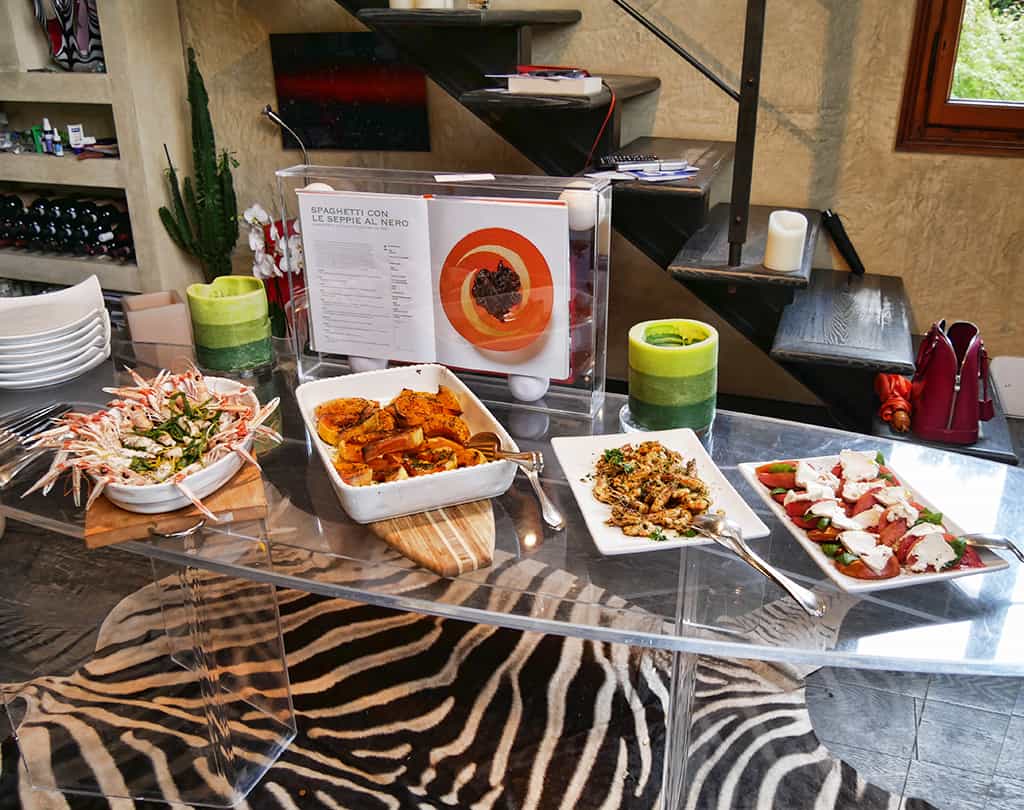
    If you’re looking for something a bit different to do in Venice, consider a cooking class. Enrica Rocca knows Venice like the back of her hand and is a skilled cook. When not catering for the most luxurious corporate and private events, she runs cookery classes from her colourful home.

    You’ll visit Rialto Food Market with her before rustling up some delicious dishes with real Italian flair. From antipasti to cicchetti and meatballs, there’s lots to learn in a fun and friendly environment. You can also learn how to make tiramisu, which was invented in the Veneto region.

    Then you’ll tuck into a delicious meal, accompanied by generous servings of Enrica’s very own Prosecco wine. Enrica’s two daughters also teach you Italian cooking skills in Notting Hill, London.
    16.Ponte de Chiodo – The Bridge with No Parapet

    Feeling adventurous? If so then a walk over a bridge with no parapet could be right up your street.

    There used to be quite a few of these bridges. However these days there are only two left out of over 400 bridges in Venice.

    Ponte de Chiodo is located in the quiet Cannaregio area. You can easily get photos on the bridge without the usual Venice crowds. The word chiodo means Nail and the bridge takes its name from the Nail family who used to own it.

    Ponte del Diavolo is the other bridge with no parapet on the nearby island of Torcello.

    17.VizioVirtù Cioccolatieri

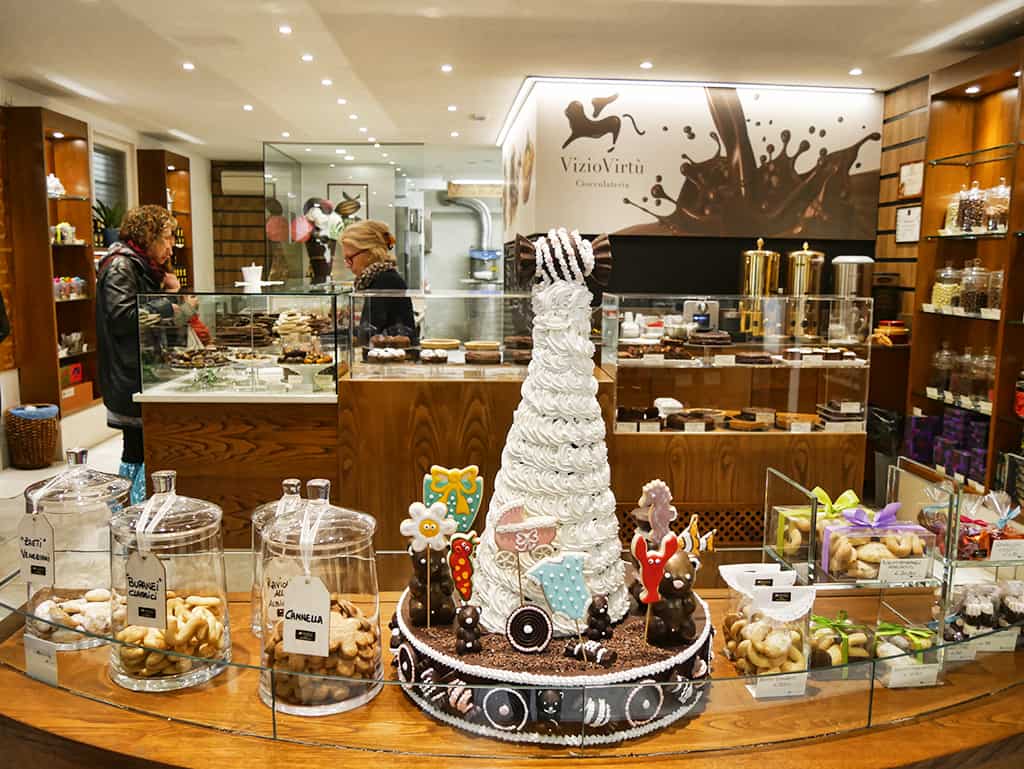
    VizioVirtu Cioccolatieri is an amazing place for art creations such as mini masks and spoons, all made from the finest chocolate.

    This spacious Venice chocolate shop is located close to where famous spice merchant Marco Polo used to live. Since 2005, owner Mariangela Penzo uses chocolate combined with spices and fruit to great effect. Try their Goldoni hot chocolate drink, with no milk or sugar.
    18.Venice Rooftop Panoramic View

    Venice has a spectacular luxury department store, housed in a 13th century building that was the headquarters of the city’s German merchants. T Fondaco dei Tedeschi has secured many exclusive collaborations with leading Italian luxury brands.

    This elegant Venice building part of the DFS luxury retail group and their first European store. It has been sympathetically redesigned by award-winning architect Rem Koolhaas to respect the original features.

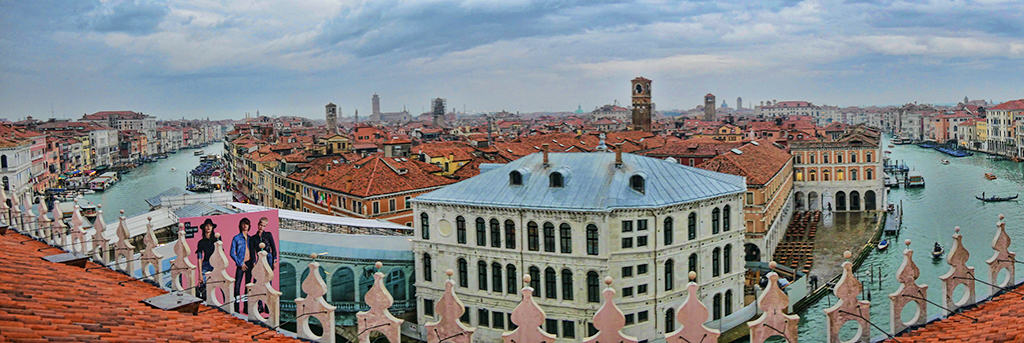
    One of the best secret gems of Venice is the panoramic view of Venice canal from the top floor rooftop terrace. The viewpoint can be accessed by pre-booking with the in-store concierge.
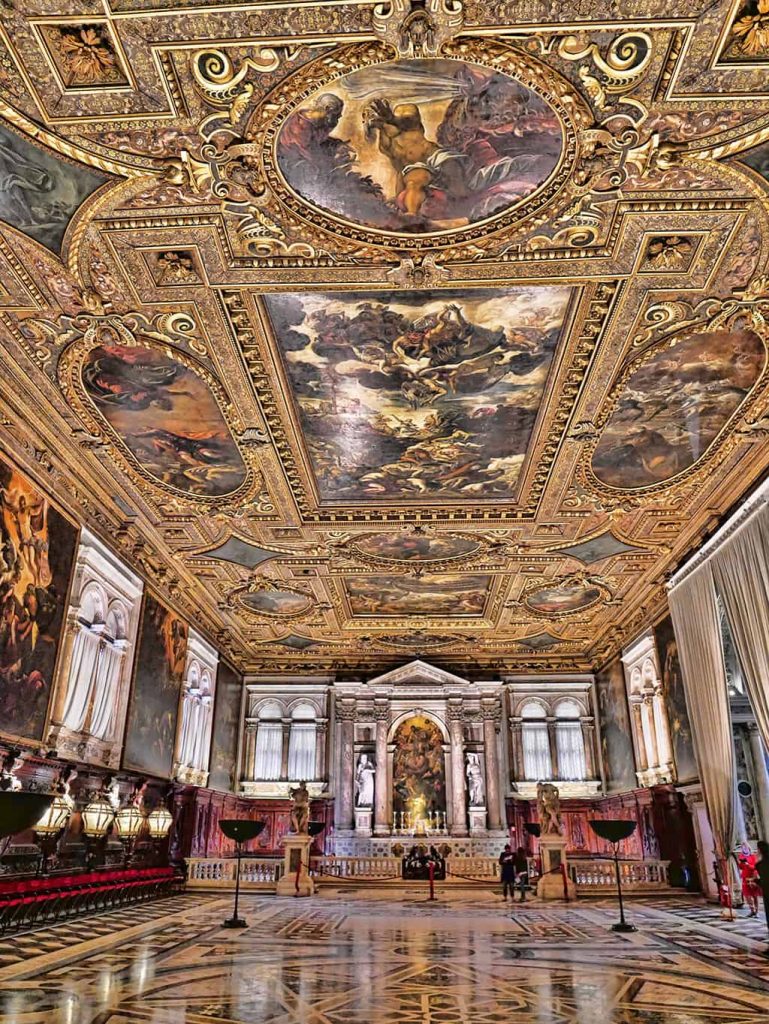
    19.Scuola Grande di San Rocco

    The Scuola Grande di San Rocco, located in the San Polo district, is one of Venice’s most magnificent yet often overlooked treasures. Founded in 1478 as a charitable confraternity dedicated to Saint Roch, this building houses one of the most impressive collection of Tintoretto paintings in the world.

    For over 20 years (1564-1587), Tintoretto dedicated himself to decorating the Scuola with more than 50 spectacular canvases depicting scenes from the New and Old Testaments. His masterpiece, “The Crucifixion,” is considered one of his greatest works. The building itself is remarkable, featuring a grand staircase, a magnificent Chapter Room, and the Sala dell’Albergo with its ornate wooden panels carved by Francesco Pianta in the 17th century.

    Admission costs around €10, and visitors are provided with mirrors to better view the intricate ceiling paintings without straining their necks. As this site isn’t as well-known as many other historical attractions in Venice, it’s rarely crowded, allowing visitors to appreciate the extraordinary art in relative peace.
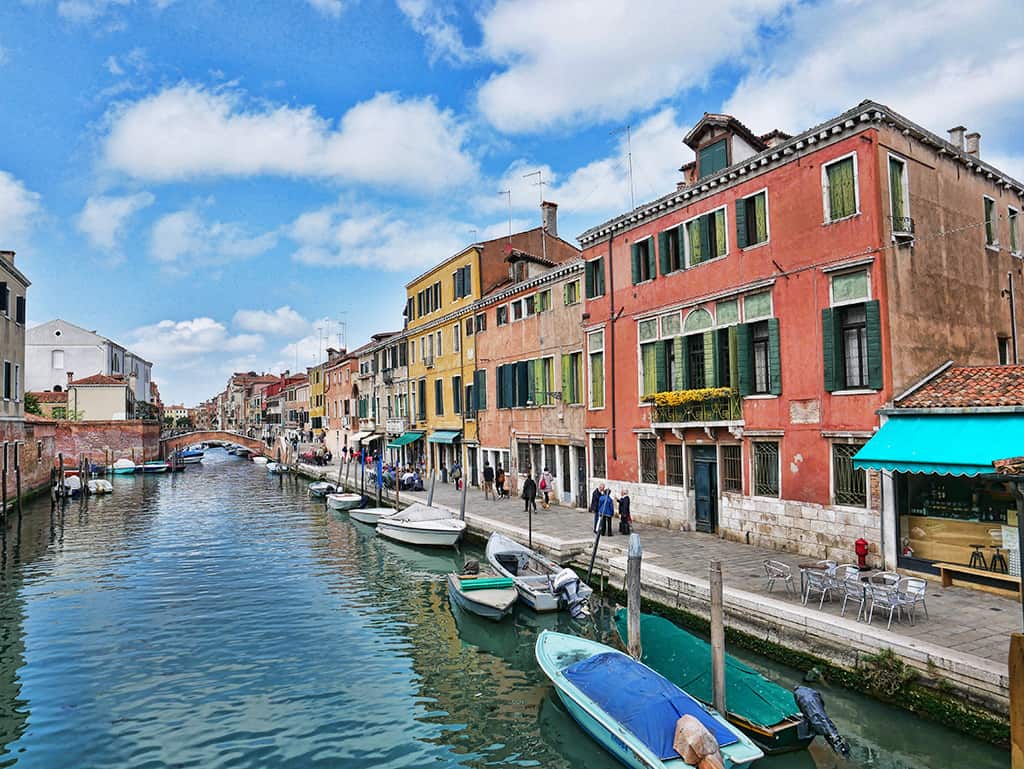
    20.Cannaregio District

    The Cannaregio district in northern Venice offers one of the most authentic experiences of local Venetian life. Less touristy than central areas, it features picturesque canals, local shops, traditional osterias, and hidden courtyards. The main street, Strada Nova, is lined with shops and restaurants, while the back alleys reveal the everyday life of Venetians.

    Located just minutes from busy St. Mark’s Square and the Rialto Bridge, Cannaregio is best experienced early in the morning or in the evening when locals are out and about. Notable attractions in the area include the Church of Madonna dell’Orto (containing works by Tintoretto) and the Jewish Ghetto.
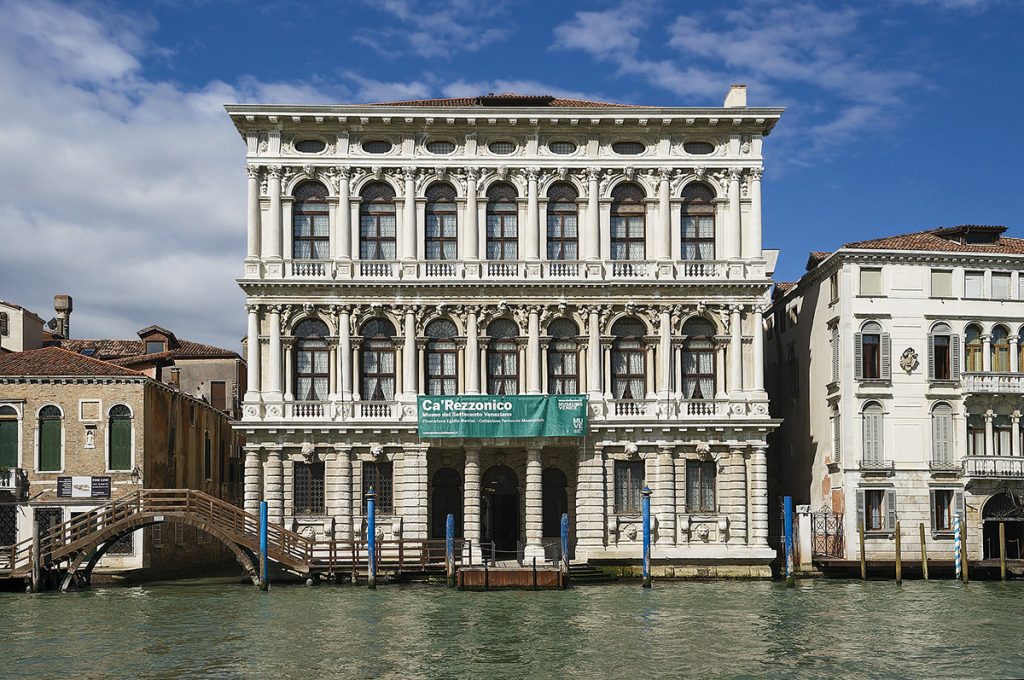
    21.Ca’ Rezzonico (Museum of 18th Century Venice)

    Located along the Grand Canal in Dorsoduro, Ca’ Rezzonico is a stunning Venetian palace that now houses the Museum of 18th Century Venice. Despite its magnificent frescoes, furnishings, and paintings that provide a glimpse into Venetian aristocratic life during the city’s twilight years as a republic, the museum attracts far fewer visitors than the more famous galleries.
    In Conclusion: Venice Hidden Gems

    If you’re looking for a unique and beautiful Italian city to explore, look no further than the Queen of the Adriatic. While it can often be crowded and touristy, there are still plenty of hidden gems to be found during a trip to Venice.

    We hope our guide has helped give you a few ideas about how to find the real Venice without the crowds.
    Which of these secret things to do in Venice do you like best?

  • Lustica Bay Review – An Unspoiled Luxury Retreat in Montenegro

    Lustica Bay Review – An Unspoiled Luxury Retreat in Montenegro

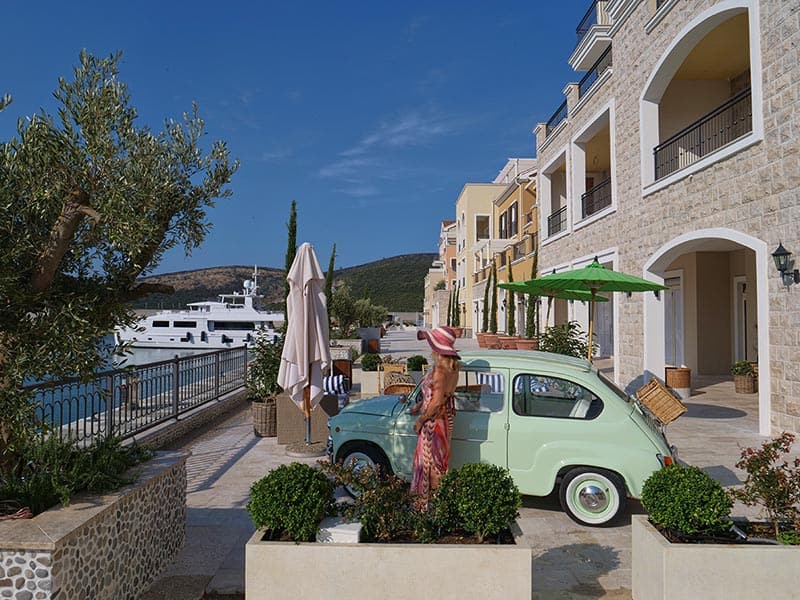
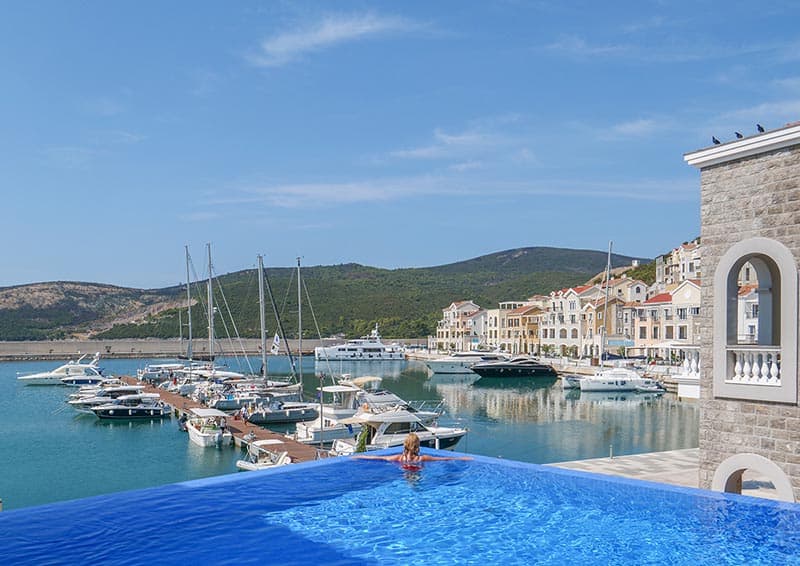
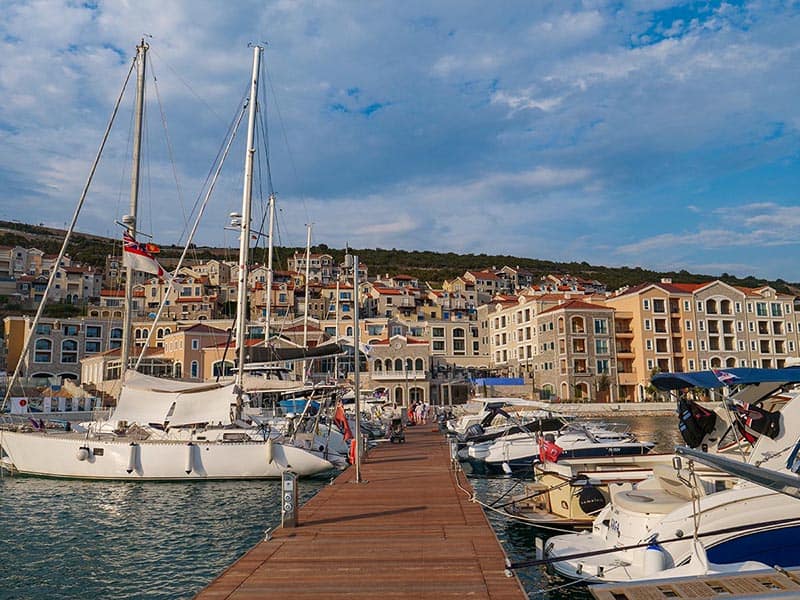
    Nestled on a secluded area of the coast in Montenegro, you’ll find Lustica Bay. This former military base has been re-imagined as a luxurious haven of Montenegrin hospitality. From the harbour, there are spectacular views of the Adriatic Sea.

    Lustica Bay Review – A Montenegro Hidden Gem

    The team behind the El Gouna leisure development in Egypt are transforming the old military base into a superb coastal retreat. There are 176 berths in the marina, with a second marina already being planned. The only 18 hole championship golf course in Montenegro, designed by Gary Player is being created here. It will have unparalleled views of Boka Bay and the Adriatic from all its holes.

    A wide range of public facilities will be built inland, with the name Centrale. These will include a school, park and a clinic as well as shops and a market.

    There are also plans to open seven hotels here. The first of these, The Chedi hotel opened in August 2018, together with several independent restaurants and shops along the waterfront.

    The Chedi Lustica Bay

    At the launch of The Chedi Lustica Bay, the Prime Minister of Montenegro gave a speech emphasizing the importance of this new development to tourism in Montenegro. The legendary Nile Rodgers and Chic then performed on a floating stage, with the event culminating in a spectacular fireworks display.

    The Chedi Lustica Bay has been designed to fit in with the local area. It’s a low rise development with an emphasis on barefoot luxury, and stone facades that are typical in Montenegro. The focus on sustainability includes electric charging points for cars.

    Guests can walk along the old military fortifications for a great sea view. The word “chedi” means a place to meditate and the intention with The Chedi Lustica Bay is to create a tranquil space where guests can relax and feel rejuvenated.

    Leisure Facilities in Lustica Bay

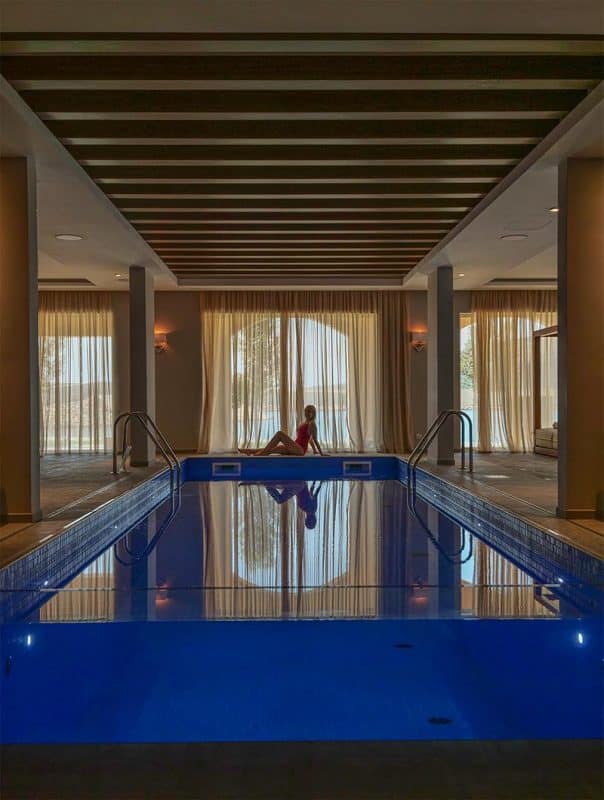
    One of the highlights of a stay in Lustica Bay is The Spa. There’s a stunning indoor pòol with a glass panel, surrounded by comfortable day beds. You’ll also find a rain shower and steam room as well as a fully equipped gym. The Spa use luxury organic products by VOYA for their Asian inspired treatments.

    Next to the health centre there’s the heated outdoor infinity pool – the perfect place to lounge around.

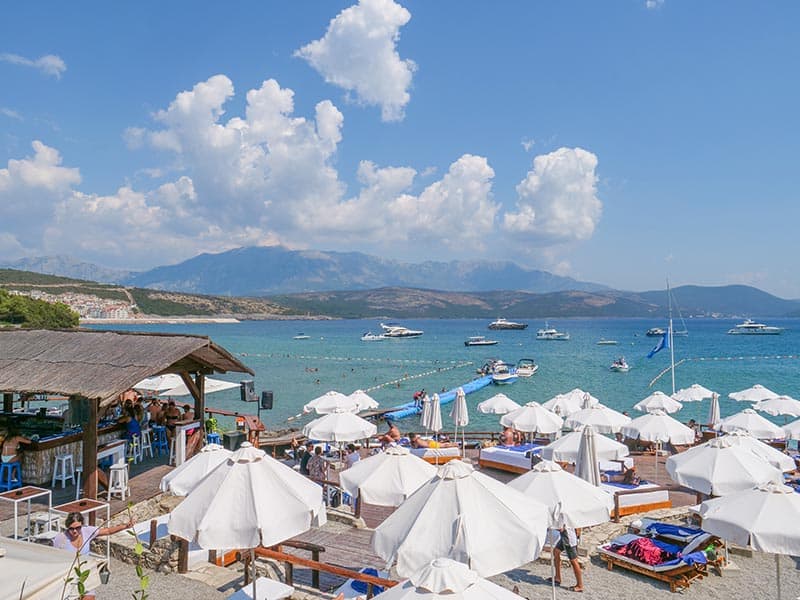
    A few minutes walk from here, you’ll come to the beach. It has a relaxation area with colourful bean bags as well as The Rok beach bar. The sea is generally quite warm however we’d advise you to bring swim shoes as the beach is pebbly, although there is a floating pontoon from which you can enter the water directly. There are also paddle boards available for guests to use.

    A driving range and the first few holes of the 18 hole championship golf course are scheduled to open in 2018. A golf village will include a 300 room golf hotel and spa.

    Accommodation at Lustica Bay

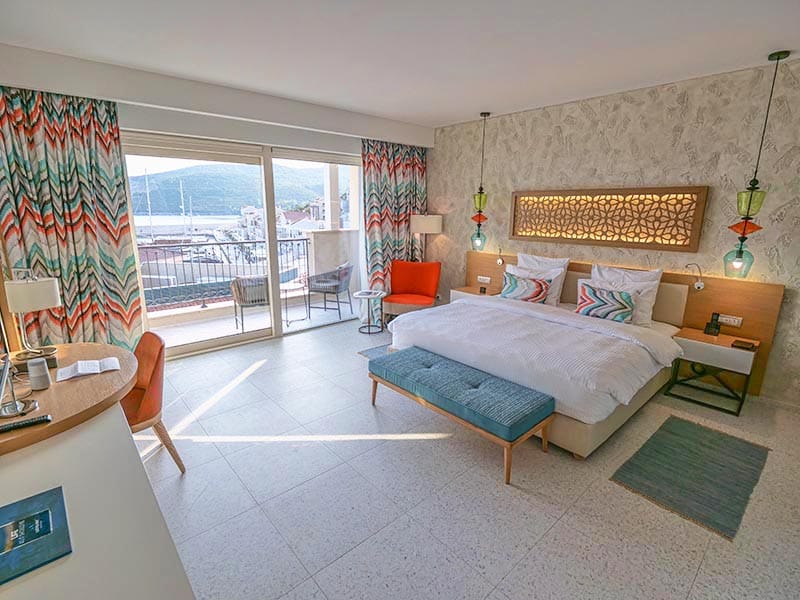
    The Chedi Lustica Bay has 111 rooms and suites, most with sea views. They’re designed by GG & Grace and stylishly decorated in tones of teal blue and orange, with striking light fittings. They’re also well equipped, with USB phone chargers next to the beds, air conditioning and a safe. The bathrooms have double sinks and Aqua di Parma toiletries.

    There are also several apartments and private villas available, The Chedi Residences

    Where to Eat in Lustica Bay

    • The Restaurant, Chedi Lustica Bay – this chic restaurant serves a full buffet breakfast and a la carte dinner
    • The Lobby Bar – for cocktails and afternoon tea
    • The Rok – this informal beach bar serves light bites all day
    • The Spot – has a charming outdoor terrace that is popular in the evenings. It specializes in healthy Asian food.

    There are also several independent waterfront restaurants including Sea Forest and “21” restaurant.

    Things to do near Lustica Bay

    • Day trip to Kotor – this UNESCO World Heritage Site is not to be missed. Walk up 1350 steps to San Giovanni Castle or stroll along the old town walls.
    • Lunch at Restaurant Galion – fine dining overlooking the Bay of Kotor.
    • Boka Bay boat tour – The bay resembles a Norweigan fjord and the catamaran will take you past Mamula, a former WWII concentration camp which is not visitable. You will however be able to visit Our Lady of the Rocks, a picturesque islet with a church containing some interesting relics in its museum.
    • Almara Beach Club on Oblatno Beach – renowned for its early-evening beach parties. They also have a restaurant that serves tasty seafood. Service can be slow so you may prefer instead to head to their beach bar where a hipster bartender will rustle you up a cocktail in no time.

    If you’re visiting Montenegro, it’s definitely worth exploring Lustica Bay. The unusual setting and magnificent sea views make the peninsula particularly enticing. It’s also quite easy to get there, being 46 kilometres from Dubrovnik airport, 90 kilometres from Podgorica and just 10 kilometres from Tivat international airport.

    Do you have plans to visit Montenegro or the Balkans?

  • Slow Travel Around Historic Via Francigena, Tuscany

    Slow Travel Around Historic Via Francigena, Tuscany

    The art of slow travel is one that we should all celebrate. Taking the time to appreciate local culture and to meet new people is what travel is all about. Slow Travel Fest is a collection of festivals focusing on outdoor experiences and slow travel, along and around the iconic Via Francigena in Tuscany, Italy.

    Slow Travel around Via Francigena in Tuscany

    There are three annual editions of Slow Travel Fest in different parts of Tuscany:

    • Lunigiana Folks and Family, in June
    • Camaiore Hike & Climb in September
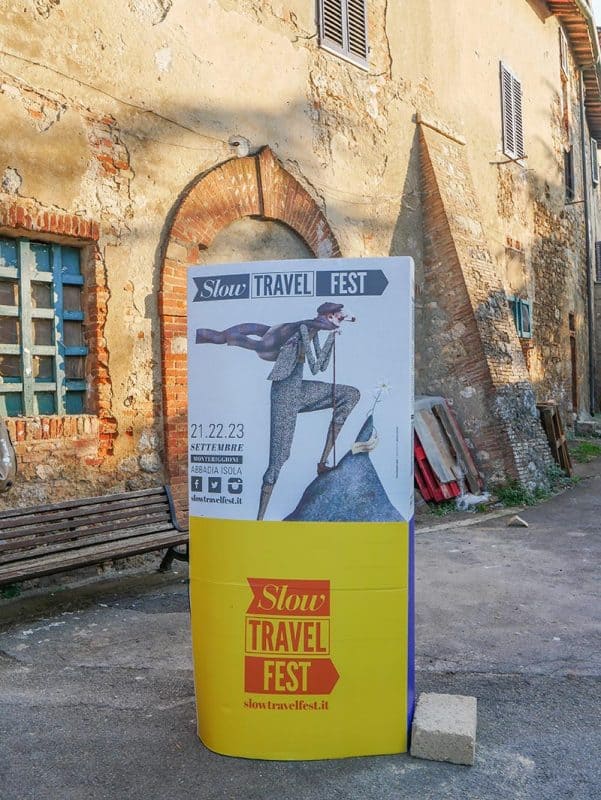
    • Monteriggioni Walks & Talks in September

    What they all have in common is a great range of events to encourage people to get outdoors and experience travel in a different way. Slow travel is all about sampling local food specialties and trying new activities.

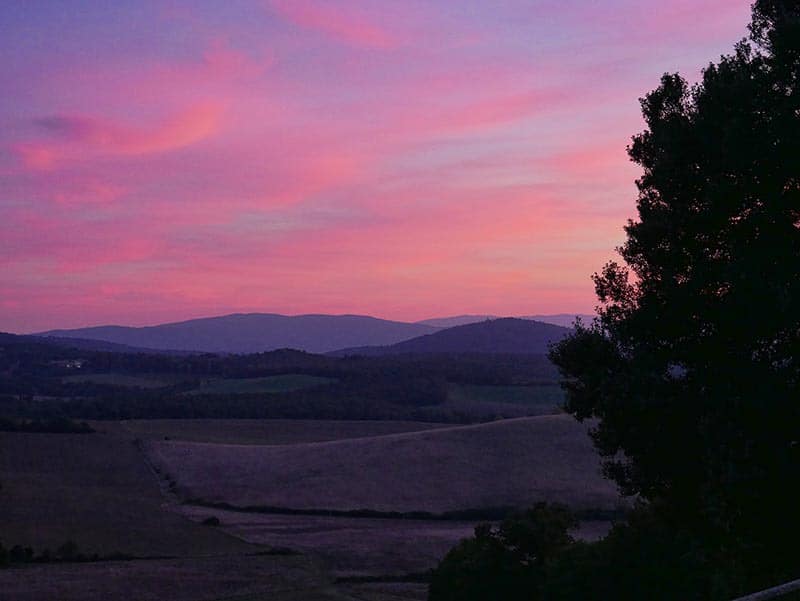
    Closely connected with the Slow Food movement, it enables you to experience immersive travel. It’s also a way of reconvening with nature, and admiring the simple beauty of the sun setting over the Tuscan hills.

    Via Francigena, Tuscany

    An ancient pilgrims route leading from Canterbury, England via France and Switzerland to Rome, Via Francigena is a popular walking trail. It was designated a Major Cultural Route by the Council of Europe in 2004.

    In recent times, the pathway has enjoyed a resurgence of popularity, particularly in Italy. You can travel on foot, by bike or on horseback.

    Whether your journey is a religious one or more of a spiritual way of enjoying nature, we recommend picking up a Pilgrim’s Passport. It’s a memento of each stage of your time along the Via Francigena, as local churches and municipalities stamp your passport.

    The form can be ordered online from the European Association of the Via Francigena or collected from the Tourist Office of the City of Monteriggioni. The Region of Tuscany has encouraged an initiative to restore the path and increase signage, as well as developing low impact infrastructure for those travelling along it.

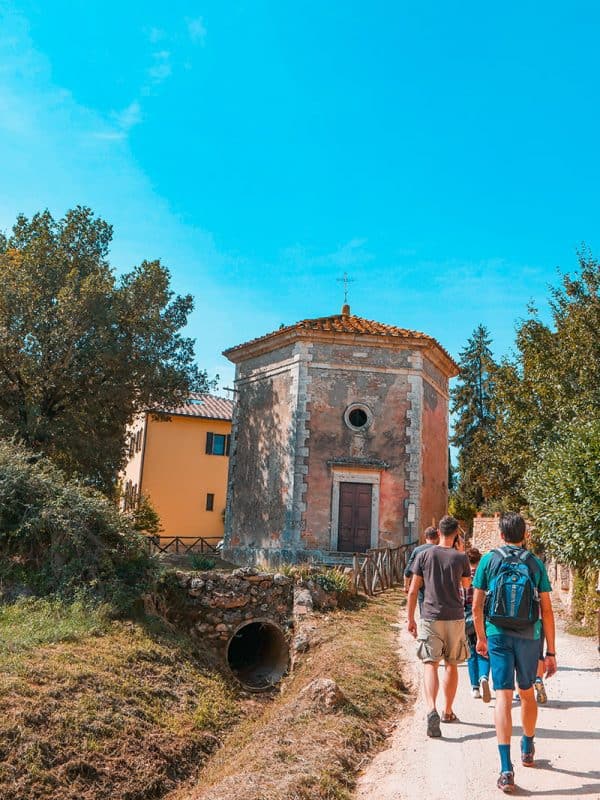
    In Tuscany, the Via Francigena covers 354 kilometres from Pontremoli to Radicofani. One of the most beautiful sections of the route is from San Gimignano to Monteriggioni. It passes by the charming hamlet of Abbadia a Isola, with its medieval cloisters, and Monteriggioni, a picturesque walled town.

    Slow Travel Fest in Monteriggioni

    The Monteriggioni edition of Slow Travel Fest is organized by Ciclica. It’s sponsored by Comune di Monteriggioni and Regione Toscana with the help of Toscana Promozione Turistica.

    This three day festival features a range of activities suitable for all the family and all levels of physical ability.

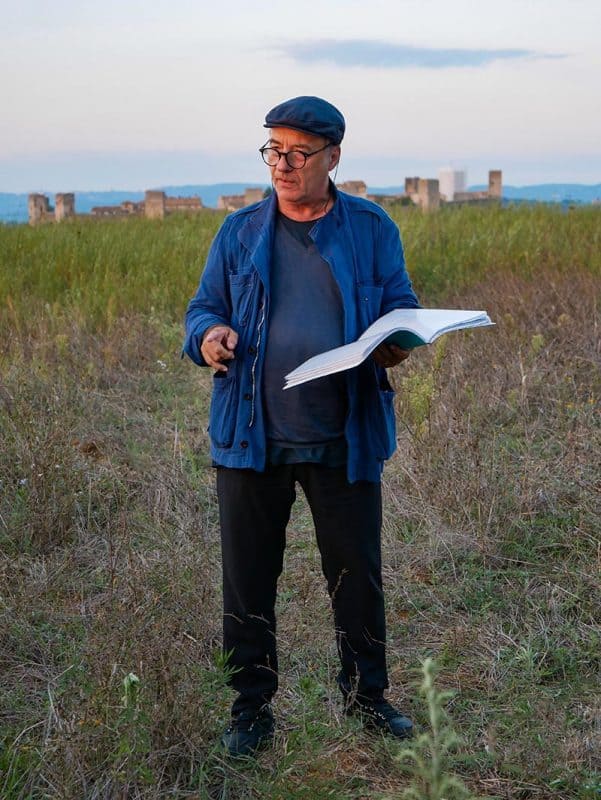
    The 4th edition was held recently, with fun experiences such as cycling tours, orienteering and travel writing workshops. An entertaining performance by the clown Ugo Sanchez Jr. was held in the church garden at Abbadia a Isola.

    There was also a fascinating initiation to wilderness and bushcraft survival techniques by Andrew T. Price. One of our personal highlights was rafting on the Elsa River. Working as a team, you pass by Diborrato waterfall and through the sparkling turquoise water.
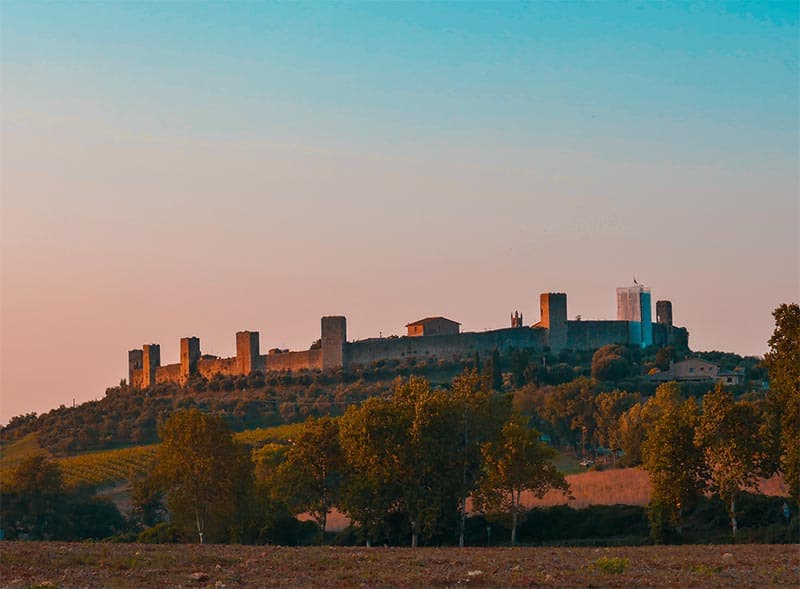
    If you’re attending Slow Travel Fest in Monteriggioni, don’t miss the opening walk along the Via Francigena to Abbadia Isola. You get a lovely view of Monteriggioni Castle from a distance as the sun sets.

    Another interesting excursion is the guided walk around the Montagnola Senese, a hillside area with rich vegetation and abundant wildlife.

    San Salvatore Abbey

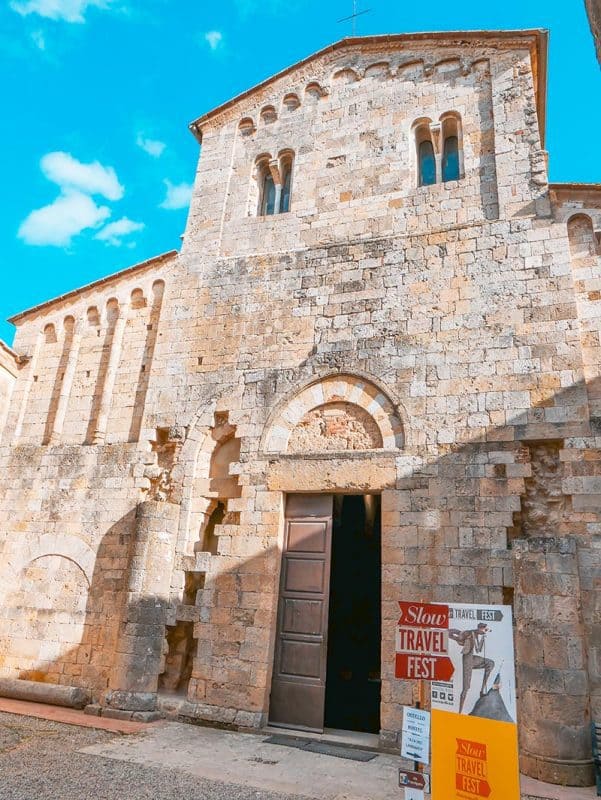
    Many of the Slow Travel Fest Monteriggioni activities depart from Abbadia a Isola, known for its medieval abbey. Founded in the 10th century, San Salvatore Abbey was a popular place for pilgrims to stop along the Via Francigena in Tuscany.

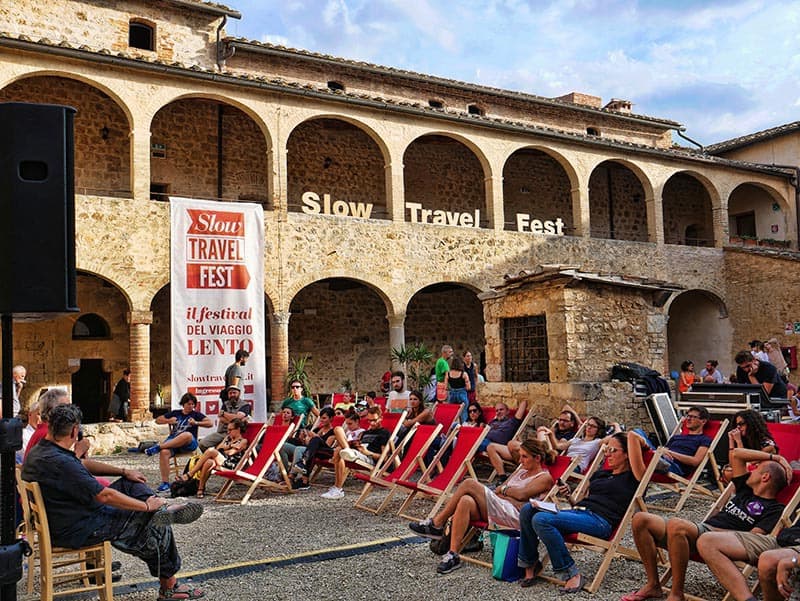
    The interior is impressive, with a high timbered ceiling and a marble baptismal font. At the adjacent cloisters, visitors to Slow Travel Fest can relax in the deckchairs whilst listening to talks.

    There’s local food, beer and wine to enjoy, as well as artisanal products such as organic toiletries to purchase. In the evening, the illuminated cloisters look magical.

    They’re the perfect backdrop for the evening entertainment, with DJ sets and live bands playing while the crowds dance and party.

    Monteriggioni Walled Town

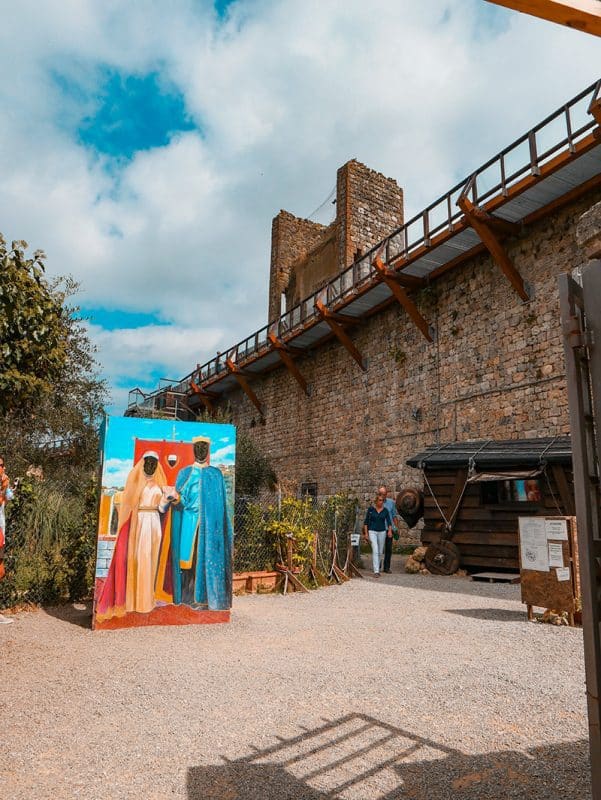
    While you’re in the area, don’t miss the nearby town of Monteriggioni. Lesser known than San Gimignano but equally charming, it dates from the 13th century.

    Considered to be one of the best preserved walled towns in Italy, it was built to defend the people of Siena from the Florentines.

    There are 14 watchtowers dotted along the ten metre high walls and you can walk along several sections. Monteriggioni features in the Assassin’s Creed video games and was mentioned by Dante in his Divine Comedy.

    ‘Because on its circular parapets
    Monteriggioni crowns itself with towers‘

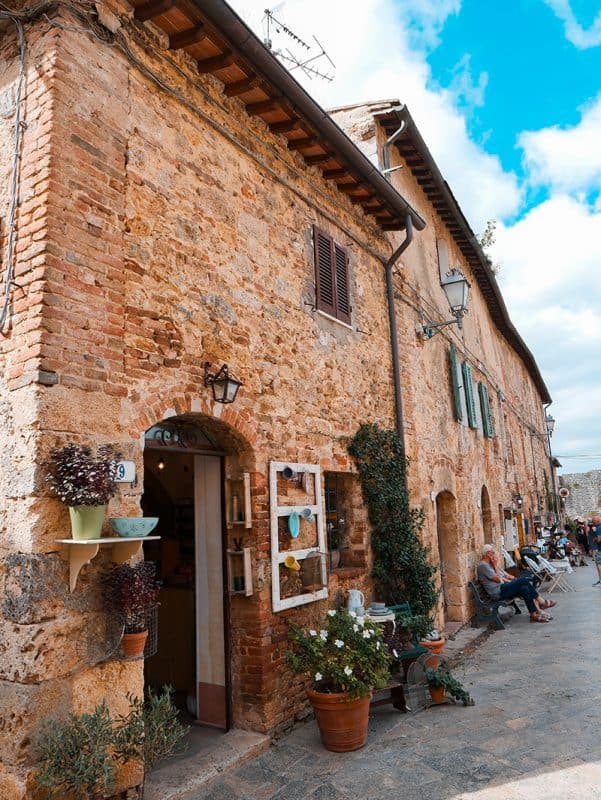
    It has a lovely main square, Piazza Roma, where you’ll find the Church of Santa Maria Assunta. At the Museum of Weaponry and Armour, you’ll learn how the locals defended themselves against attacks. What makes this museum unusual is that visitors can try on some of the armour and also wield the weapons.

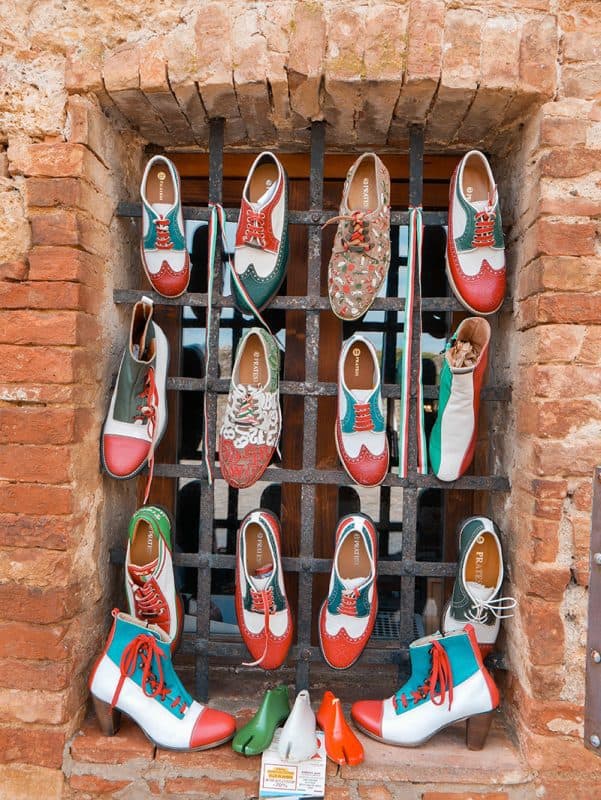
    There are many restaurants in Monteriggioni, as well as boutiques selling handmade items such as these colourful shoes. You can also see artisans making clothing on hand looms and creating jewellery.

    The area is known for its vineyards and there are several shops where you can taste and purchase the local wine and olive oil. Sienese pork from wild pigs, pecorino cheese and porcini mushrooms are also well worth trying.

    Where to Stay for Slow Travel Fest

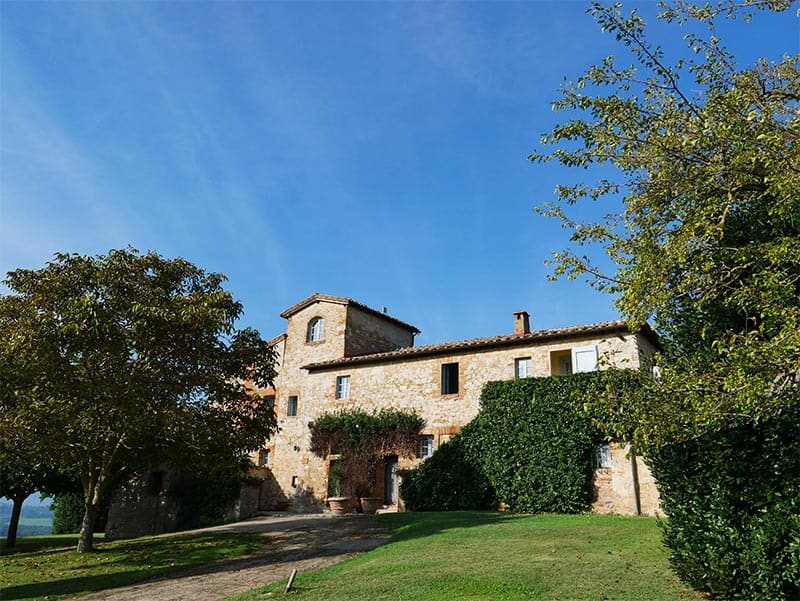
    There are some lovely places to stay near Abbadia a Isola and Monteriggioni. One of our favourites is the Relais Castel Bigozzi. This luxurious hotel is set in a medieval castle dating from 1000.

    There’s a gorgeous Travertine marble swimming pool, a wellness centre with sauna and treatment rooms and a cosy lounge bar. Guests take their breakfast overlooking the olive groves and there’s also a barbecue area within the hotel grounds.

    The staff are very friendly and make your stay here very enjoyable.

    It’s easy to get to Monteriggioni from Florence or Pisa airport and once you’re there, you may well not want to leave. Slow travel is becoming increasingly popular and Slow Travel Fest is the perfect introduction to this new movement.

    Have you ever been to Tuscany? What does slow travel mean to you?

  • 3 Day Malta Trip Itinerary For First Time Visitors

    3 Day Malta Trip Itinerary For First Time Visitors

    Malta may be one of Europe’s smallest countries, but this Mediterranean archipelago packs an extraordinary amount of history, culture, and natural beauty into its landmass. This comprehensive 3 day Malta trip itinerary is designed to help you experience the best of the island.

    From the golden-hued capital of Valletta to the rugged landscapes of Gozo and the medieval streets of Mdina, this guide covers the essential destinations that make Malta a unique European destination. Whether you’re a history buff, a foodie, or simply seeking Mediterranean sunshine, this luxury Malta guide will ensure you make the most of your time on this enchanting island.

    Day 1: Valletta and Sliema

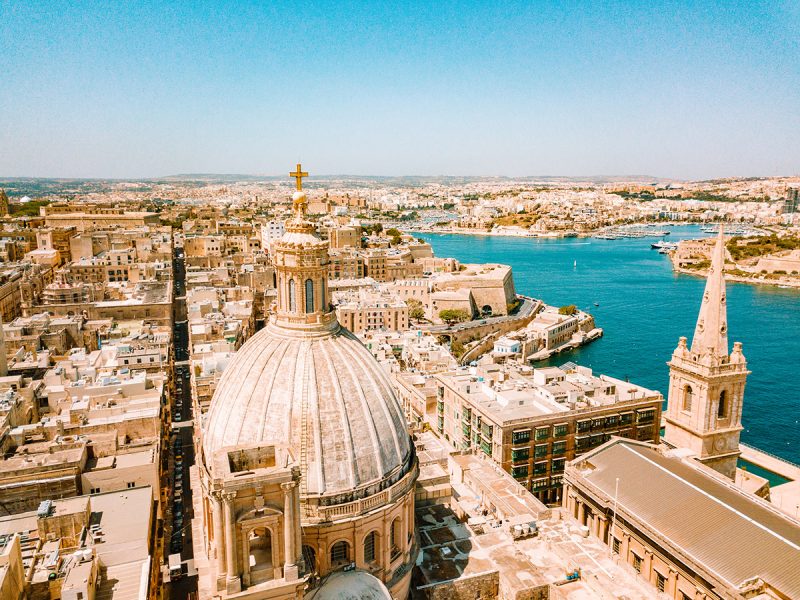
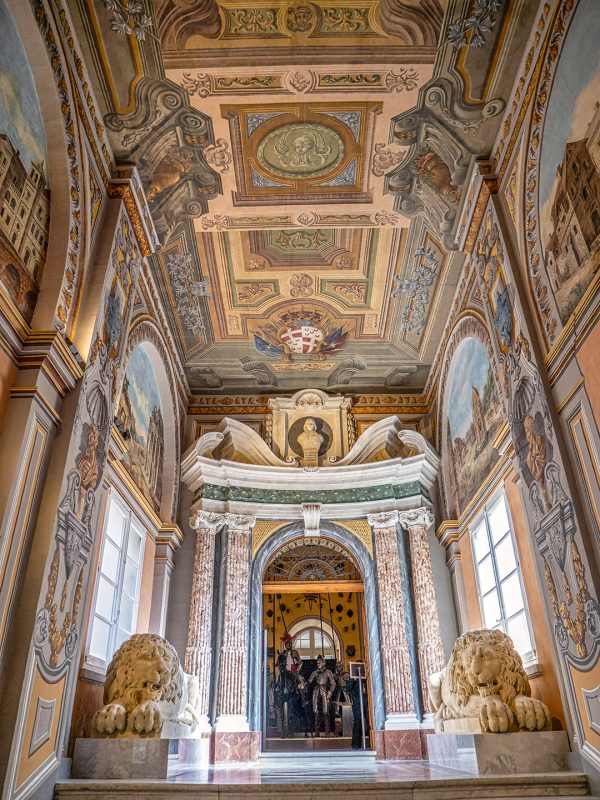
    Morning: Begin your Malta adventure in Valletta, the UNESCO World Heritage-listed capital. Start at Upper Barrakka Gardens for spectacular views of the Grand Harbour. Explore St. John’s Co-Cathedral to admire its ornate Baroque interior and Caravaggio masterpieces.

    Afternoon: Walk down Republic Street (recognizable from the film “World War Z”) to discover the Grand Master’s Palace and its impressive armoury collection. Have lunch at Caffe Cordina or one of the charming restaurants along Strait Street. Afterward, visit the National Museum of Archaeology to learn about Malta’s prehistoric past.

    Evening: Take the ferry across Marsamxett Harbor to Sliema (a 10-minute ride). Enjoy a leisurely stroll along the promenade, watching locals fish from the rocky shores.

    If you’re interested in shopping, visit The Point Shopping Mall before dinner. Dine at one of the waterfront restaurants such as Manta or Tora, with views of Valletta’s illuminated fortifications.

    Day 2: Mdina and Naxxar

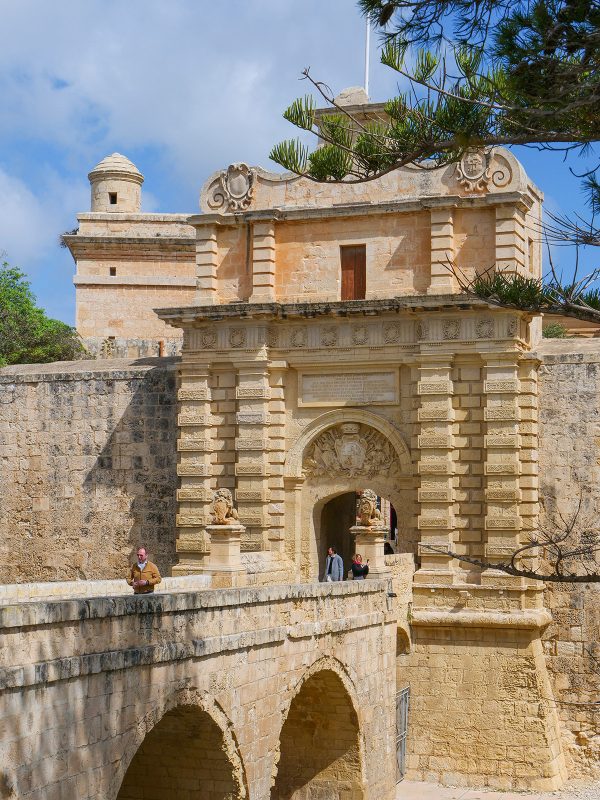
    Morning: Head to Mdina, Malta’s ancient walled capital and a prominent Game of Thrones filming location. Enter through the iconic Mdina Gate (King’s Landing’s gate in the series) and explore the “Silent City’s” narrow, car-free streets. Visit the impressive St. Paul’s Cathedral and look over the city walls for panoramic views of central Malta.

    Afternoon: Just a short drive from Mdina, head to the charming nearby town of Naxxar. Enjoy lunch at The Village Kitchen Restaurant and a relaxing treatment at The Village Spa – make sure to book in advance.

    Evening: Return to your accommodation area for dinner.

    Day 3: Gozo Island

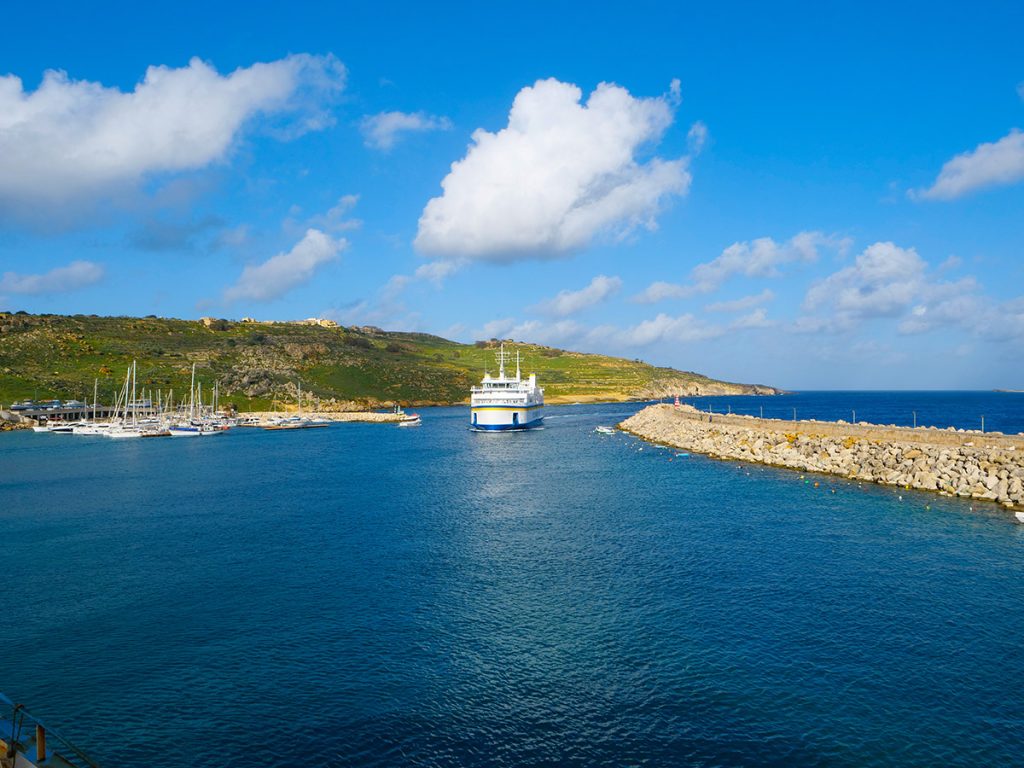
    Morning: Catch an early ferry from Ċirkewwa or Sliema to Gozo Island. Head straight to Victoria (Rabat), Gozo’s capital, to explore the imposing Citadel fortress with its medieval walls and magnificent cathedral.

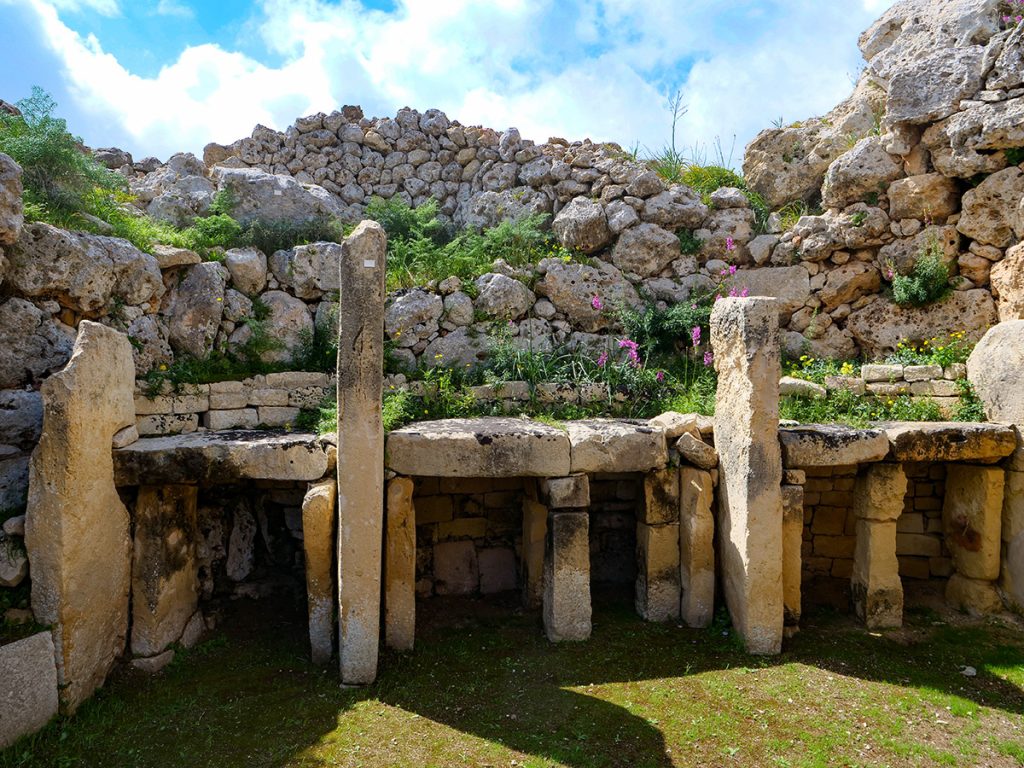
    Afternoon: Visit the prehistoric Ġgantija Temples, some of the world’s oldest freestanding structures dating back to 3600 BC. Afterward, head to Dwejra to see where the famous Azure Window once stood (the backdrop for the Dothraki wedding scene in Game of Thrones) and take a boat ride through the nearby Blue Hole if weather permits.

    Evening: Before catching the return ferry, stop at Marsalforn or Xlendi Bay for a seafood dinner overlooking the Mediterranean. If time allows, visit Ta’ Pinu Basilica, an important pilgrimage site with stunning countryside views.

    Return to your accommodation for your final night in Malta, enjoying a nightcap while reflecting on your whirlwind tour of this historic Mediterranean archipelago.

    Where to Stay in Malta

    Sliema is the ideal base for your 3-day Malta trip. It provides modern amenities and shopping, while being close to Valletta and St. Julian’s.

    Best View: Fortina Luxury Suites

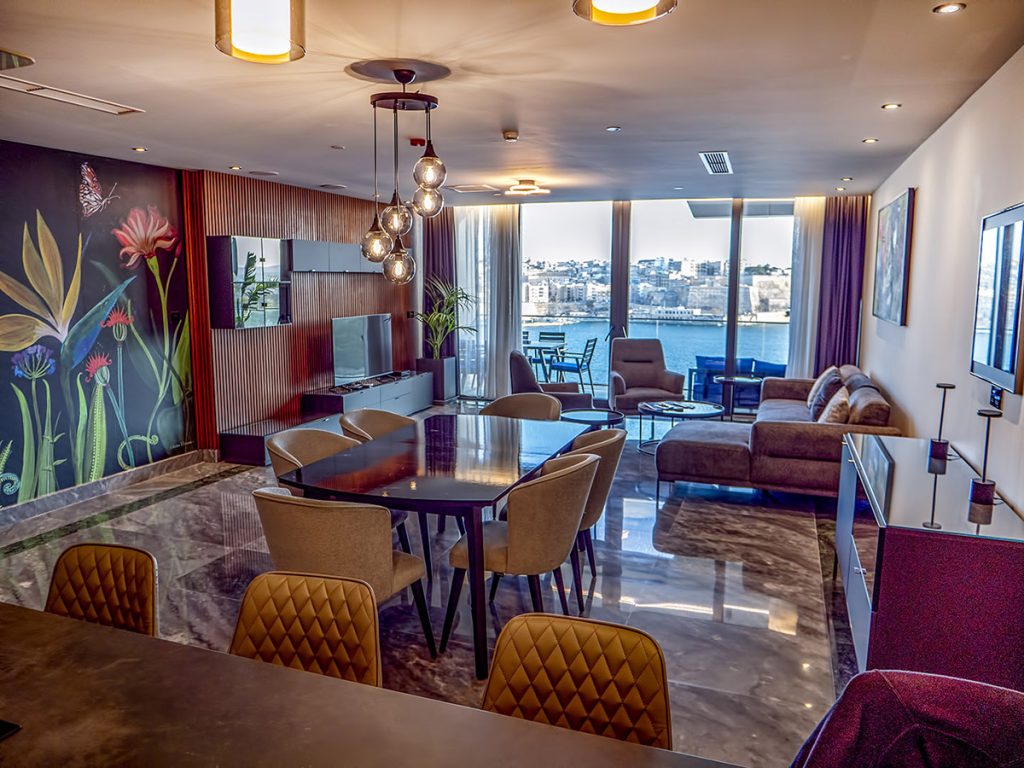
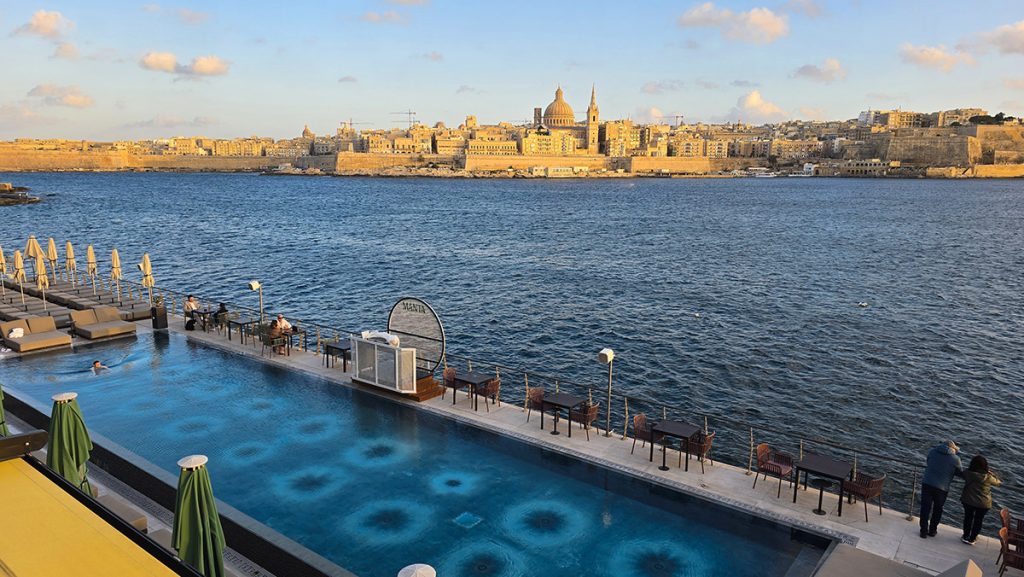
    For breathtaking harbour views and stylish interiors, Best View Fortina Luxury Suites in Sliema stand out as an exceptional choice. These suites offer panoramic vistas of Valletta’s skyline across Marsamxett Harbour, especially magical at sunset and sunrise.

    Choose from one, two and three bedroom apartments, accommodating groups of up to seven. Each bedroom has its own en-suite bathroom.

    Guests benefit from well equipped kitchens with air-fryers and ice makers, laundry rooms and access to a luxurious spa, gym, indoor pool and outdoor lido, as well as dining discounts in nearby restaurants.

    Prices start at £310 per night for a one-bedroom apartment to £505 per night for a three-bedroom suite, with a minimum two-night stay.

    If you prefer a hotel experience, we recommend The Village Boutique and Spa in Naxxar, which offers beautifully appointed rooms and suites in a converted Maltese farmhouse.

    Where to Eat in Malta

    Malta’s cuisine reflects its rich history, blending Mediterranean flavours with influences from Italy, North Africa, and Britain. Here are some standout dining options across the island:

    Manta (Sliema)

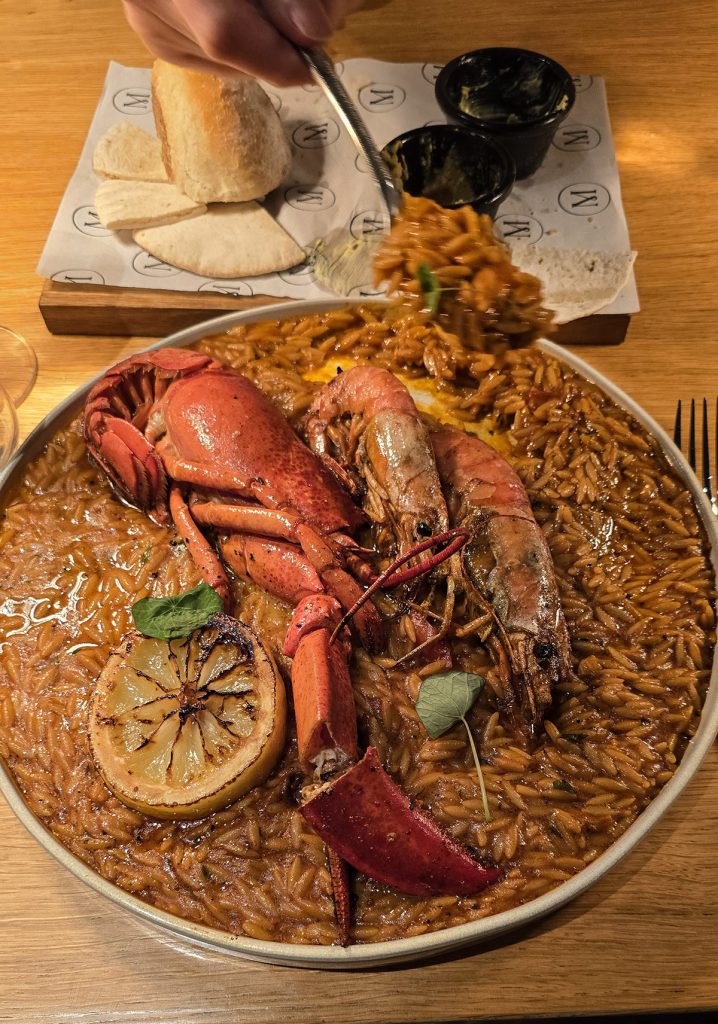
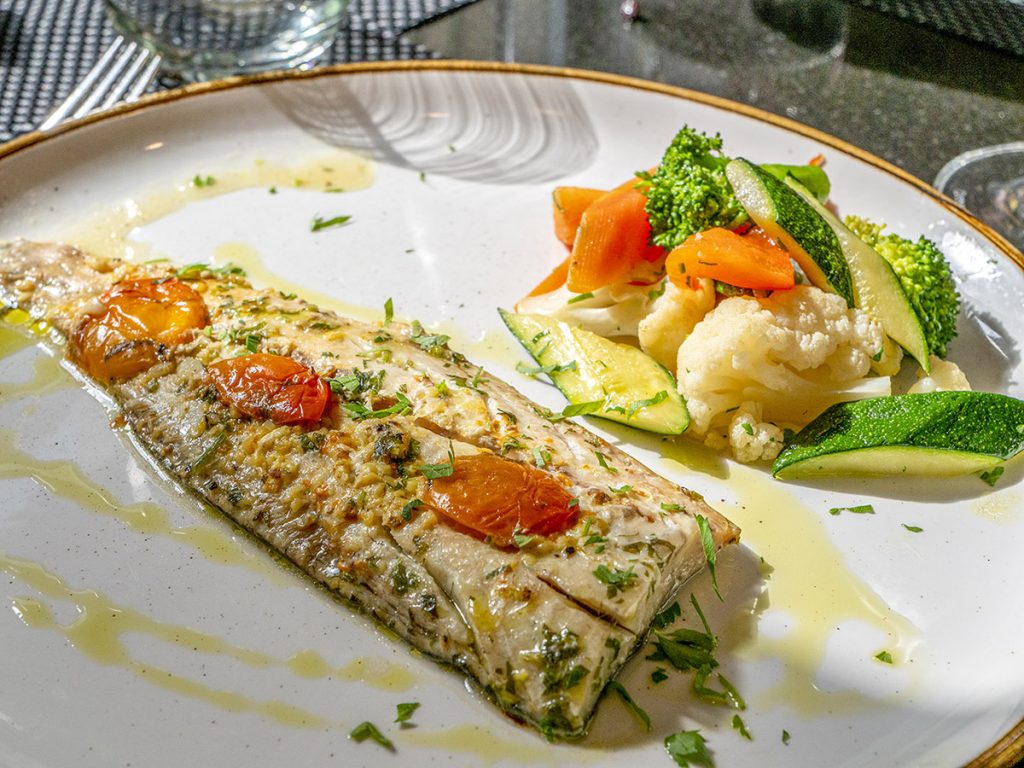
    Located on Sliema’s waterfront with spectacular views of Valletta across the harbour, Manta specializes in fresh seafood and Mediterranean cuisine. The restaurant’s contemporary design complements its innovative menu, featuring dishes like octopus carpaccio, prawn risotto, and locally caught sea bass.

    Manta’s sunset cocktails are particularly popular, best enjoyed on the terrace watching the golden light illuminate Valletta’s bastions.

    Caffe Cordina (Valletta)

    A Valletta institution since 1837, Caffe Cordina is located in a historic palazzo on Republic Street. The ornate interior features beautiful frescoed ceilings, while the outdoor seating offers perfect people-watching opportunities.

    They’re famous for their pastizzi (savory pastries filled with ricotta or mushy peas), traditional Maltese sweets, and excellent coffee. Their ftira (Maltese bread) sandwiches make an ideal quick lunch while exploring the capital.

    The Village Kitchen Restaurant (Naxxar)

    Tucked away in the heart of Naxxar, The Village Kitchen offers authentic Maltese cuisine in a charming setting. Family-run and beloved by locals, this stylish restaurant, hotel and spa serves a great range of dishes.

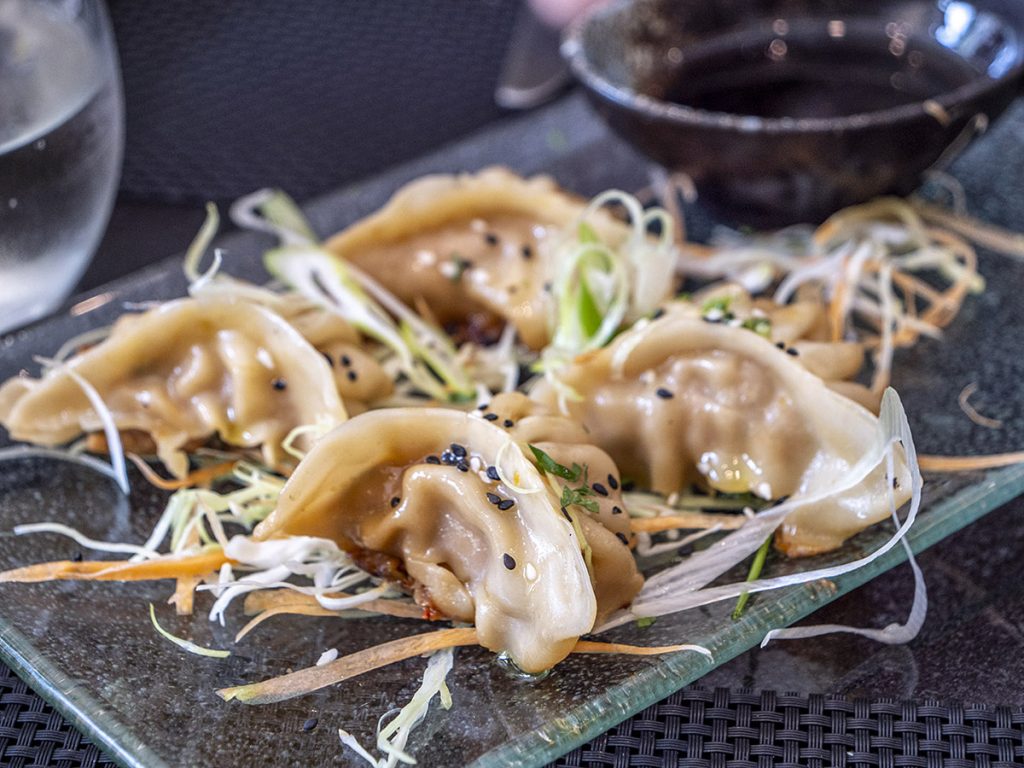
    Enjoy Garganelli Maltese sausage pasta and truffle, chicken and vegan gyozas and fresh fish of the day. Make sure to save room for their homemade desserts.

    La Pira Maltese Kitchen (Valletta)

    In the heart of Valletta on Old Theatre Street, La Pira Maltese Kitchen offers an authentic culinary journey through traditional Maltese cuisine. The restaurant prides itself on using locally-sourced ingredients and time-honored recipes passed down through generations.

    Their menu showcases classic dishes like slow-cooked rabbit stew, bragioli (beef olives), and fresh lampuki (dorado) when in season. La Pira also offers a thoughtfully curated selection of Maltese wines from small local vineyards, providing the perfect opportunity to sample the island’s viticultural heritage.

    TORA (Sliema)

    For those seeking international flavors, TORA delivers exceptional Japanese cuisine in an elegant setting. With a fantastic view of Marsamxett Harbour and Valletta, this restaurant offers meticulously prepared sushi, sashimi, and robatayaki (Japanese barbecue).

    The tasting menu provides an excellent introduction to their culinary philosophy, while the wine and sake selection complements the dining experience perfectly.

    Queen Elizabeth II Pub (Sliema)

    Located along Sliema’s bustling waterfront promenade, the Queen Elizabeth II Pub offers a delightful blend of British pub atmosphere with Maltese hospitality. This establishment pays homage to Malta’s historical British connections while serving hearty pub classics alongside Mediterranean favourites.

    Queen Elizabeth II Pub is popular for its traditional Sunday roasts, fish and chips, and selection of British and local beers on tap. The pub also features live sports screenings, creating a vibrant atmosphere that attracts both tourists and expats.

    How to Get to Malta

    Malta is served by Malta International Airport (MLA), located near the town of Luqa. Major airlines like Air Malta, British Airways, Ryanair, EasyJet, and Lufthansa offer regular flights from various European cities. Flight times from major European hubs range from 2-4 hours, making Malta easily accessible for a weekend getaway.

    For travellers coming from further away, connecting flights through major European airports like London, Frankfurt, or Rome are common options. During Summer months, some cruise lines also include Malta as a port of call, offering another way to visit the island.

    How to Get Around Malta

    Malta’s compact size makes it relatively easy to explore, with several transportation options available:

    Ferry Services: Regular ferries connect Valletta to Sliema and the Three Cities, providing a scenic alternative to road transport. Gozo island can be reached via the Gozo Channel ferry.

    Taxis and Ride-sharing: Traditional taxis and ride-sharing services like Bolt are readily available. They offer convenience for shorter trips or when travelling with luggage.

    Car Rental: Renting a car gives you flexibility, especially for reaching remote beaches and villages. Remember that Maltese drive on the left side of the road, and parking in popular areas can be challenging.

    Public Buses: Malta’s extensive bus network connects most towns and attractions. A single journey ticket costs €2.50 in Summer (€2 in Winter), while a 7-day unlimited travel card costs €25 (€7 for children). Buses can get crowded during peak tourist season.

    3 Days in Malta Trip Itinerary

    While three days in Malta may seem brief, this 3 day Malta trip itinerary allows you to experience the essence of this captivating Mediterranean destination. Malta’s compact size works to the advantage of short-term visitors, making it possible to cover significant ground without feeling rushed.

    The combination of remarkable history spanning 7,000 years, stunning coastal scenery, delicious cuisine, and warm Maltese hospitality creates an unforgettable experience.

  • Top Places For Cherry Blossom in London, UK

    Top Places For Cherry Blossom in London, UK

    Each spring, the capital of the UK transforms with bursts of delicate pink and white blooms. From late March through April, these stunning trees create magical canopies throughout the city’s parks, gardens, and even residential streets.

    Whether you’re a photographer, nature enthusiast, or simply looking for a beautiful spring day out, here’s your comprehensive guide to finding the best cherry blossom in London.

    1.Cherry Tree Avenue in Battersea Park

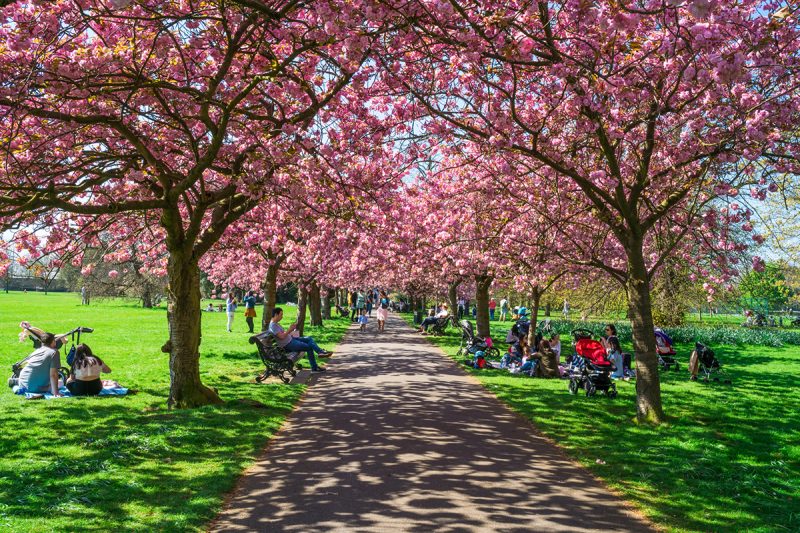
    Located in southwest London, Battersea Park’s aptly named Cherry Tree Avenue offers one of the most spectacular cherry blossom displays in the city. The avenue, running near the Peace Pagoda, creates a stunning pink tunnel when in full bloom.

    The contrast of the delicate blossoms against the park’s open spaces makes for perfect photo opportunities. Visit early in the morning to avoid crowds and catch the morning light filtering through the petals.

    2.London Blossom Garden at Queen Elizabeth Olympic Park

    Created as a living memorial to those affected by the COVID-19 pandemic, this thoughtfully designed garden in Stratford features 33 blossoming trees representing London’s boroughs and the City of London. The garden includes cherry, plum, and pear trees, creating a succession of blooms throughout spring.
    The symbolic nature of this space adds poignancy to its beauty.

    3.Yalta Memorial Garden in Knightsbridge

    This small but charming garden near Brompton Road in Knightsbridge offers a secluded spot to enjoy cherry blossoms in central London. Commemorating victims of the post-WWII Yalta Agreement, the garden features several cherry trees that create a contemplative pink canopy each spring.

    Its central location opposite the V&A museum makes it perfect for a quick blossom break during a day of shopping or sightseeing.

    4.St Paul’s Cathedral

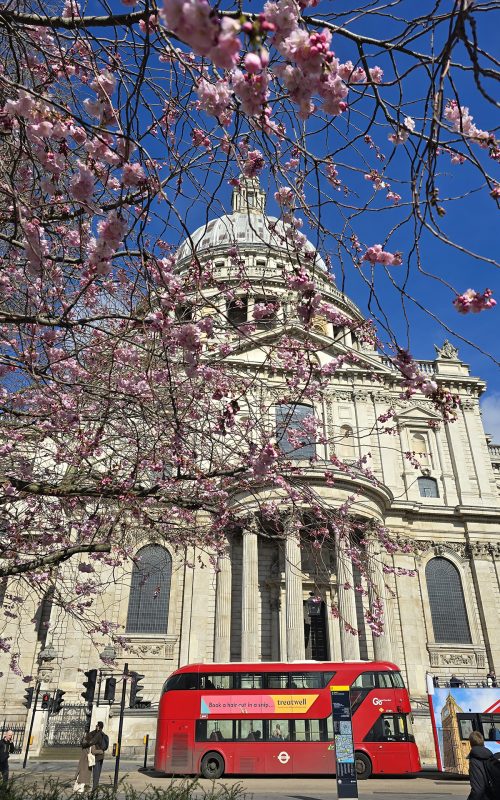
    The grounds surrounding this iconic London landmark are home to several cherry trees, creating a stunning juxtaposition of historic architecture and natural beauty. The sight of delicate pink blossoms framing the cathedral’s dome offers one of London’s most photogenic spring scenes and a unique perspective on this famous monument.

    5.Colebrook Row Gardens in Islington

    This charming residential street in Islington is transformed each spring as its cherry trees burst into bloom. The blossoms create a picturesque tunnel effect over the pathway, making it a favorite spot for locals and photographers alike.

    The quiet neighborhood setting offers a more intimate cherry blossom experience away from the busier parks.

    6.Blithfield Street in Kensington

    This residential gem in Kensington becomes a pink paradise during blossom season. The carefully maintained cherry trees lining this upscale street create a spectacular canopy effect.

    Walking beneath the blossoms here offers a glimpse into London’s residential beauty and makes for stunning photographs.

    7.Sussex Gardens in Paddington

    Despite its central location near Paddington Station, Sussex Gardens offers a surprisingly serene cherry blossom experience. The long stretch of road is lined with cherry trees that create a pink corridor in spring.

    This spot is perfect for travelers arriving or departing from Paddington who want to experience London’s blossoms without venturing far from transport links.

    8.Greenwich Park

    With its sweeping views of London’s skyline, Greenwich Park offers a magnificent setting for cherry blossom viewing. The trees are scattered throughout the park, with particularly beautiful specimens near the Rose Garden and the National Maritime Museum.

    The combination of blossoms, historic buildings, and panoramic vistas makes this a must-visit location.

    9.The Hill Garden and Pergola in Hampstead

    This hidden gem on Hampstead Heath features an Edwardian pergola intertwined with various climbing plants and surrounded by cherry trees. When the blossoms are in full bloom, the combination of the historic pergola structure and delicate flowers creates a romantic, fairytale-like atmosphere that feels worlds away from the city.

    10.Ravenscourt Park in Hammersmith

    This west London park transforms each spring with impressive cherry blossom displays. The trees are concentrated in several areas of the park, creating pink clouds that reflect beautifully in the park’s small lake.

    The children’s play area is surrounded by cherry trees, making it a magical spot for families during blossom season.

    11.Stradella Road in Herne Hill

    This residential street in south London has become increasingly famous for its stunning cherry blossom display. The trees create a perfect arch of pink flowers over the road, making it one of the most photographed blossom spots in London in recent years.

    Visit on a weekday to avoid the weekend crowds of photographers and influencers.

    12.Kensington Gardens

    Adjacent to Hyde Park, Kensington Gardens offers several beautiful cherry blossom spots. The trees near the Albert Memorial and the Italian Gardens are particularly spectacular.

    The formal garden setting provides a structured backdrop to the natural beauty of the blossoms, creating a pleasant contrast of ordered design and wild flowering.

    13.Regent’s Park

    Home to Queen Mary’s Gardens and the famous Avenue Gardens, Regent’s Park offers an abundance of cherry blossoms in various locations. The Chester Road entrance features some spectacular specimens, while other trees are scattered throughout this expansive royal park.

    Combine your blossom viewing with a stroll along Regent’s Canal.

    14.Courtfield Gardens in South Kensington

    This private garden square (visible from the surrounding streets) bursts into bloom each spring with magnificent cherry trees. While the gardens themselves are only accessible to residents, the cherry blossom display is visible from the perimeter and offers a glimpse into London’s exclusive garden squares.

    15.Redcliffe Road in Chelsea

    This residential street in upscale Chelsea offers one of the most concentrated cherry blossom displays in London. The trees form a continuous canopy of pink flowers that transform this already charming street into something truly special during blossom season.

    16.Alexandra Palace

    The grounds surrounding this iconic north London venue feature numerous cherry trees, with the added bonus of panoramic views across London. The combination of blossoms in the foreground and the city skyline in the background creates unique photographic opportunities not found elsewhere in London.

    17.Stanley Crescent in Kensington

    This elegant curved street in Notting Hill features a row of cherry trees that create a stunning pink archway in spring. The white stucco-fronted houses provide a perfect backdrop for the vibrant blossoms, creating a quintessentially London scene that attracts photographers from across the city.

    18.St Mark’s Church in Primrose Hill

    The churchyard of St Mark’s becomes a pink haven each spring as its cherry trees bloom. The contrast of the blossoms against the historic church building creates a picturesque scene.

    The surrounding Primrose Hill neighborhood offers plenty of charming cafes perfect for a post-blossom-viewing refreshment.

    19.Kew Gardens

    The Royal Botanic Gardens at Kew offer perhaps the most diverse cherry blossom experience in London. With over 50 different varieties of ornamental cherry, the blossoms here appear at different times throughout spring.

    Cherry Walk near the Rose Garden and the area around the Temperate House are particularly noteworthy. The scientific approach at Kew means trees are labeled with their specific varieties, making it educational as well as beautiful.

    20.St James’s Park

    One of London’s most central royal parks, St James’s offers beautiful cherry blossom displays with the added bonus of potential pelican sightings by the lake. The trees near Buckingham Palace and along the Blue Bridge provide classic London views enhanced by delicate pink flowers.

    Its central location makes it perfect for combining with other sightseeing.

    21.Kyoto Garden in Holland Park

    This Japanese-style garden in Holland Park offers perhaps the most authentic cherry blossom viewing experience in London. Designed to celebrate the friendship between Japan and Great Britain, the garden features traditional Japanese elements alongside several cherry trees.

    The cultural context adds depth to the blossom viewing experience, connecting London’s trees to the Japanese tradition of hanami (flower viewing).

    22.Kenwood House on Hampstead Heath

    The grounds of this stunning stately home feature several mature cherry trees that create magnificent displays each spring. The formal gardens and surrounding woodland offer various blossom viewing opportunities, with the added attraction of the historic house as a backdrop.

    The elevated position on Hampstead Heath also provides beautiful views across London.

    23.Swiss Cottage Open Space in Camden

    This year, the cherry trees outside Swiss Cottage Leisure Centre and Library won’t be accessible for photos. Metal fencing surrounds building works in the area, so you can’t get up close to the sakura blossoms.

    24.Southwark Cathedral

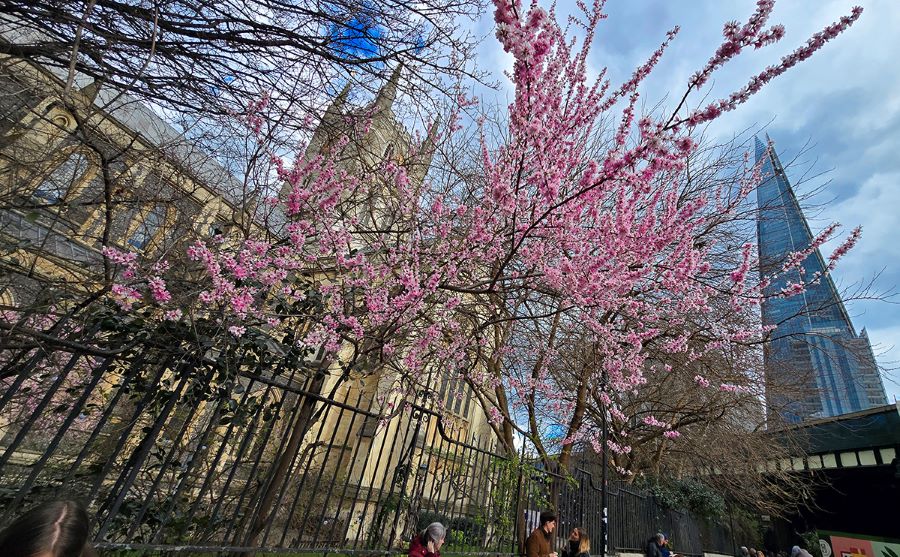
    This historic cathedral near London Bridge houses two stunning pink cherry blossom trees within its peaceful garden. What makes this spot particularly special is that one of the trees can be perfectly framed with The Shard and the Cathedral in the background when photographed from Borough Market.

    This creates one of London’s most iconic cherry blossom compositions – ancient architecture, modern skyscraper, and delicate pink blossoms all in one frame. The cathedral garden offers a tranquil oasis amid the bustling market area, making it ideal for a moment of quiet contemplation surrounded by spring beauty.

    In Conclusion: Cherry Blossom in London Hotspots

    Cherry blossom season in London is a fleeting but magical time that transforms the city. From royal parks to hidden residential streets, these beautiful trees offer moments of natural wonder amid the urban landscape.

    The season typically runs from late March through April, with different varieties blooming at slightly different times, but is highly dependent on weather conditions each year. For the best experience, aim to visit on a weekday morning when sites are quieter, and bring a camera to capture these ephemeral blossoms.

    Whether you’re a longtime Londoner or just visiting, taking time to appreciate the city’s cherry blossoms connects you to both a global springtime tradition and London’s own unique natural heritage.

  • 31 Best Luxury Weekend Breaks in Ireland

    31 Best Luxury Weekend Breaks in Ireland

    Ireland offers a myriad of opulent experiences for those seeking a luxurious weekend break. With its lush landscapes, historical castles, and exclusive resorts, visitors can indulge in a tranquil retreat from the hustle and bustle of daily life.

    The country’s rich heritage and warm hospitality serve as the perfect backdrop to a lavish getaway. From the rugged beauty of the Wild Atlantic Way to the serene elegance of its stately manors, the Emerald Isle has a unique ability to blend stunning natural beauty with upscale comforts.

    Renowned for its world-class accommodation, Ireland boasts a selection of five-star hotels, private castles, and boutique guesthouses that cater to the most discerning traveler. These establishments often feature gourmet dining experiences, sumptuous spas, and personalized services, ensuring every aspect of the weekend is steeped in luxury.

    Activities for a luxury weekend in Ireland are plentiful, ranging from private golf sessions on championship courses to guided tours of historic landmarks. Visitors can explore the picturesque countryside on a bespoke horseback ride or taste the finest Irish whiskeys during a VIP distillery tour.

    1.Dublin

    Dublin, Ireland’s capital city, is a great place for a luxury city break. The city center is perfect for enjoying local cuisine and a vibrant nightlife.

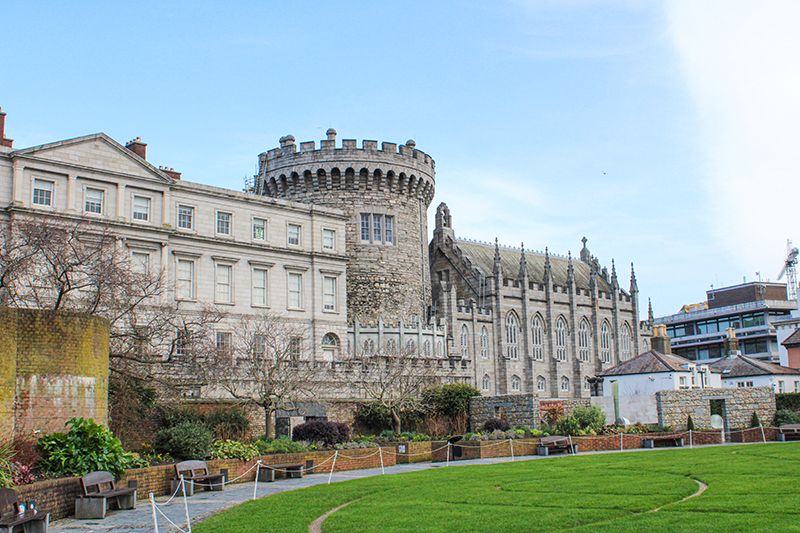
    St. Patrick’s Cathedral offers a deep dive into Irish history. History buffs will love Dublin Castle, a magnificent Gothic Revival structure that dates back to the 13th century.

    Take a stroll through Phoenix Park, the largest enclosed park in Europe, and soak in the beauty of its lush greenery. There is also an array of hidden gems in Dublin, such as quaint cafes, boutique stores, and charming streets that are perfect for ambling.

    2.Kilkenny

    If you’re looking for a weekend getaway in Ireland that combines historic charm with natural beauty, look no further than Kilkenny. Located on the banks of the River Nore in Ireland’s Ancient East, Kilkenny is a medieval city rich in history and culture.

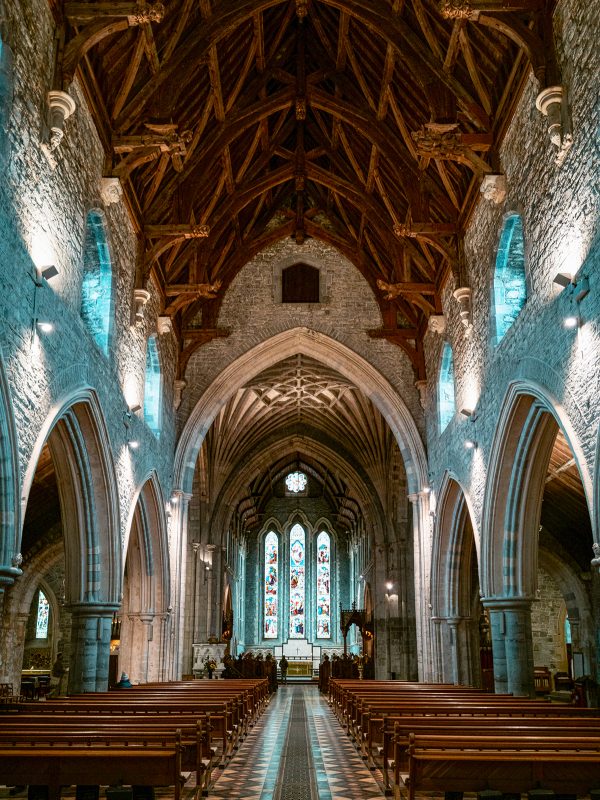
    Kilkenny boasts an abundance of historical sites, including Kilkenny Castle and St. Canice’s Cathedral. Visitors can wander through the cobbled streets, taking in the stunning medieval architecture and quaint boutiques.

    3.County Clare

    County Clare boasts some of the most stunning scenery and charming streets in Ireland, making it a top destination for a weekend getaway. From the rugged coastline to the rolling hills of the countryside, there is no shortage of breathtaking landscapes in this picturesque region.

    Take a relaxing stroll through the historic town of Ennis, where you’ll find traditional music sessions in local pubs and cozy cafes lining the narrow streets. Or, head to the stunning Cliffs of Moher for breathtaking views of the Atlantic Ocean.

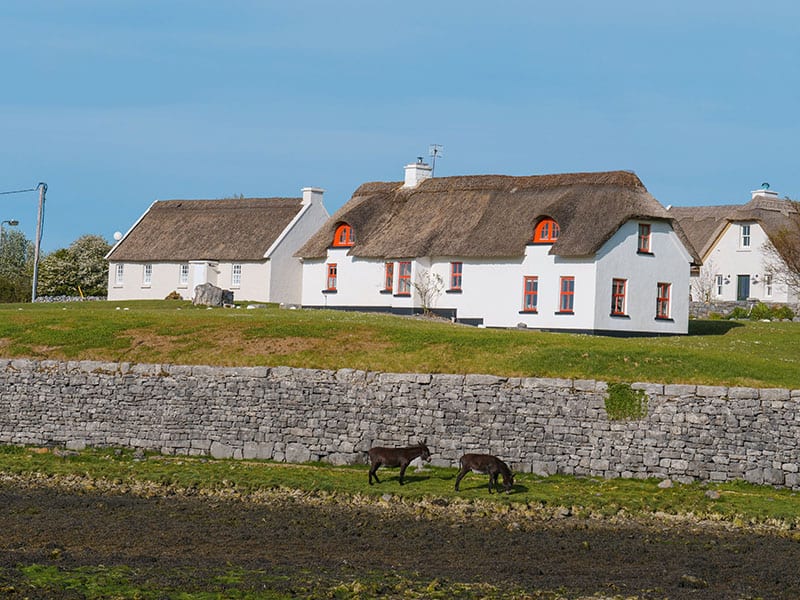
    County Clare has some fine examples of traditional Irish architecture, including quaint farmhouses, thatched cottages, and stunning medieval castles. And for those who love the great outdoors, this idyllic county offers an array of scenic walking trails, cycling routes, and water-based activities, such as surfing and kayaking.

    4.Horse Country

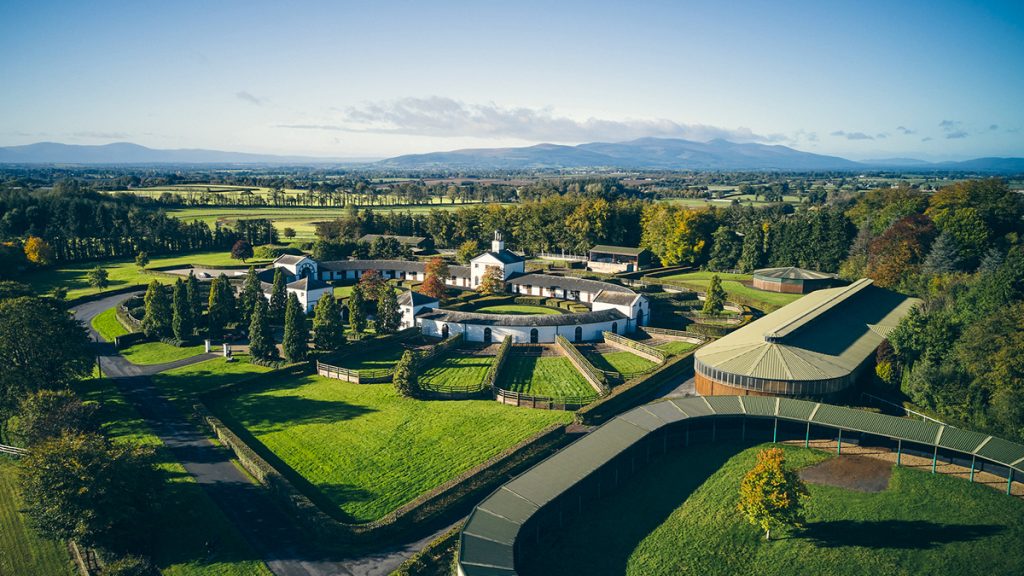
    Horse Country represents a groundbreaking collaboration between Fáilte Ireland and the equestrian community, centered in the prestigious horse-breeding regions of Kildare and Tipperary. This ambitious tourism initiative offers visitors unprecedented access to Irish horse riding culture.

    Guests can experience intimate encounters with thoroughbred champions, engage with legendary trainers like Aidan O’Brien, Jessica Harrington, and Johnny Murtagh, and gain exclusive behind-the-scenes insights at some of Ireland’s most renowned stud farms and training facilities.

    From watching morning gallops at world-class training yards to visiting historic stud farms that have produced generations of champions, Horse Country provides an authentic immersion into Ireland’s deep-rooted horse racing tradition.

    5.Dingle Peninsula

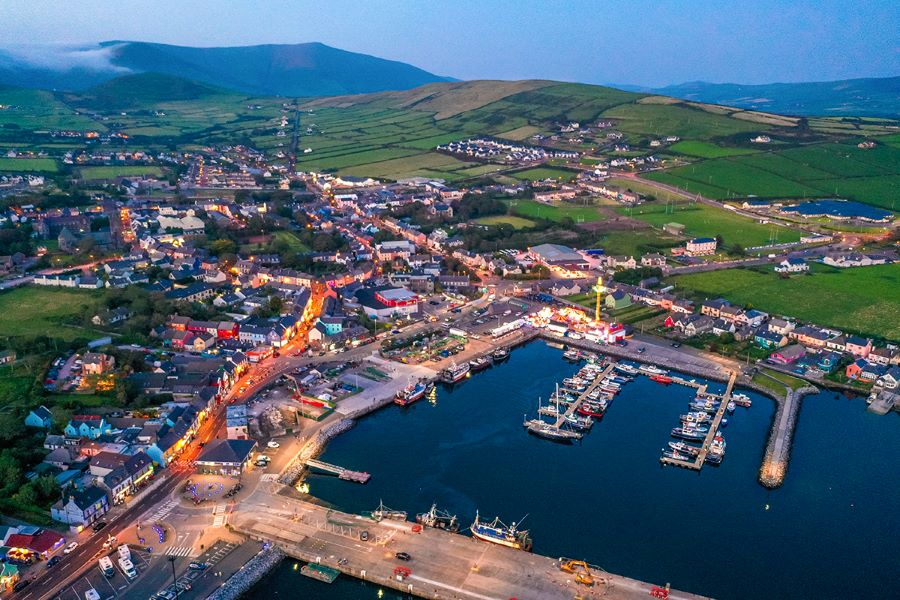
    With its rugged coastline and picturesque landscapes, the Dingle Peninsula is a must-visit destination on any Ireland bucket list. This stunning peninsula offers the ultimate weekend break for those seeking a romantic getaway or a solo escape.

    Slea Head Drive offers breathtaking views at every turn, showcasing Irish nature at its best. Visitors can also enjoy the peninsula’s beautiful beaches and crystal-clear waters.

    6.Ring of Kerry

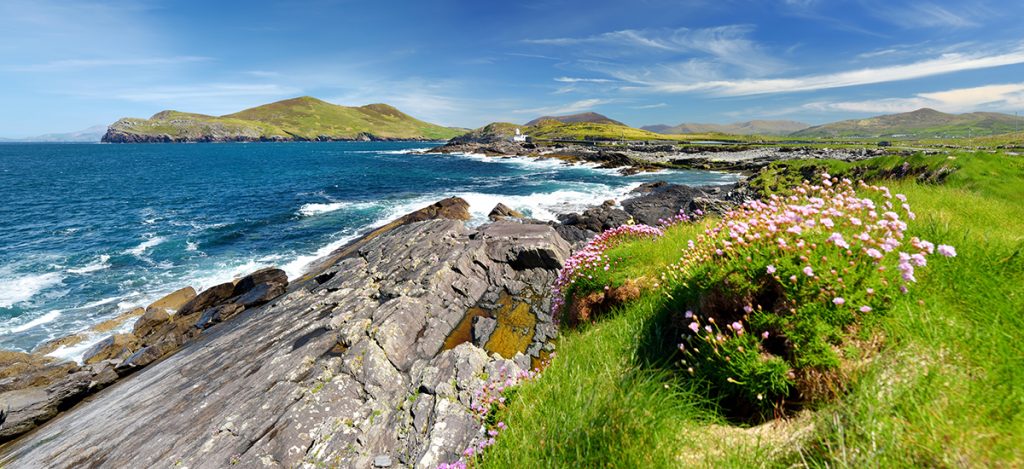
    Ireland’s Ring of Kerry is a destination that seasoned travelers will want to add to their bucket list. The stunning route takes visitors through coastal villages, jagged cliffs, and serene valleys.

    The breathtaking views alone make the Ring of Kerry an unforgettable experience. However, it’s the charm and character of the local towns and villages that sets it apart.

    The ideal weekend retreat, the Ring of Kerry offers a unique combination of natural beauty, rich history, and local hospitality. This area of County Kerry is dotted with luxury accommodations, set against a backdrop of natural beauty and historical sites.

    7.Killarney National Park

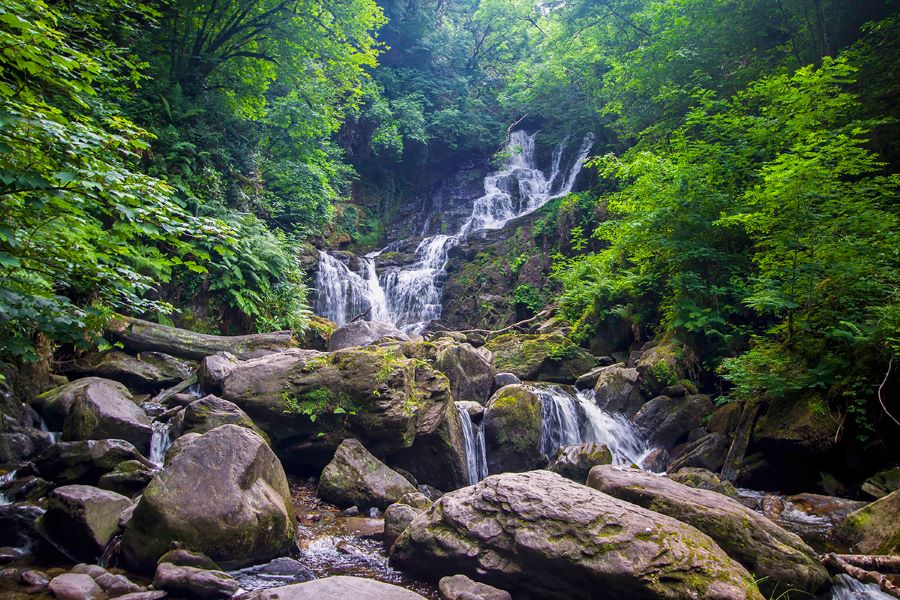
    For those looking to escape the hustle and bustle of everyday life, Killarney National Park is both serene and breathtaking. Located in the heart of County Kerry, this magnificent park boasts more than 25,000 acres of rolling hills and lush forests.

    Bask in the beauty of the park’s glacial lakes or explore historic Muckross House and Gardens. Whatever your preferences, Killarney is the perfect destination for a luxurious and rejuvenating weekend break in Ireland.

    8.County Galway

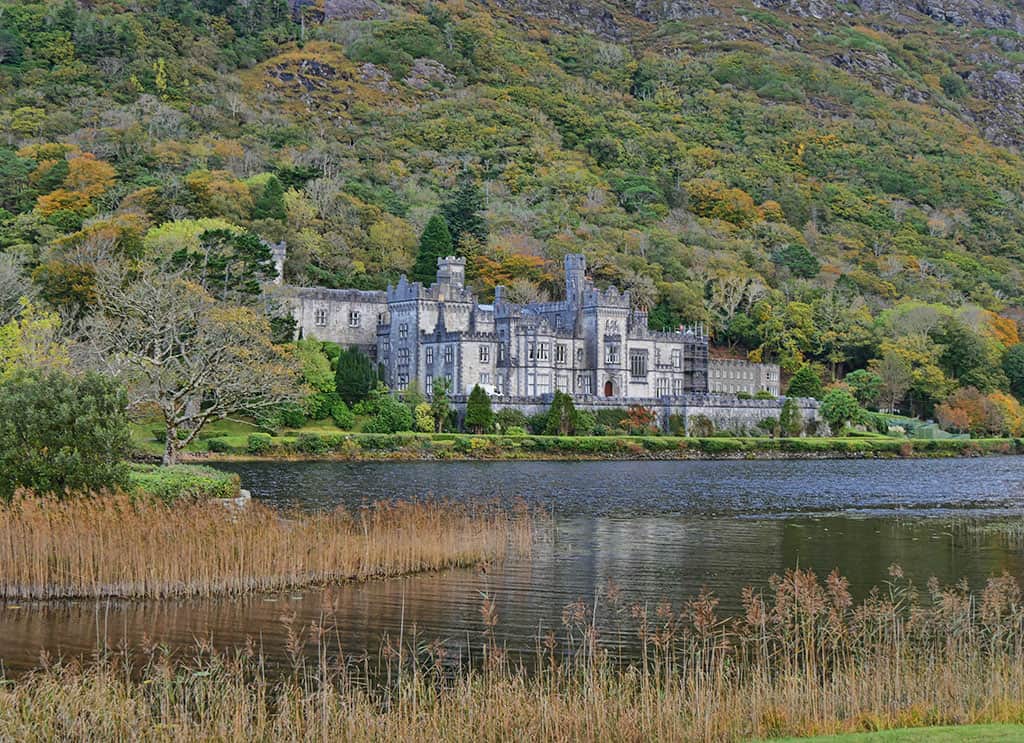
    Known as the gateway to the Wild Atlantic Way, Galway boasts some of the most spectacular coastal views in the country. One must-see landmark is the iconic Kylemore Abbey, a stunning 19th-century castle surrounded by tranquil gardens and breathtaking mountain scenery.

    Galway itself is one of Ireland’s most charming cities, making it an ideal destination for a weekend break. Situated on the rugged west coast of the Emerald Isle, Galway is known for its vibrant arts scene, traditional music, and rich history.

    From the iconic Spanish Arch to the gorgeous Galway Bay, there’s no shortage of fascinating sights to explore. You’ll also find a plethora of elegant boutiques, stylish restaurants, and artisanal shops.

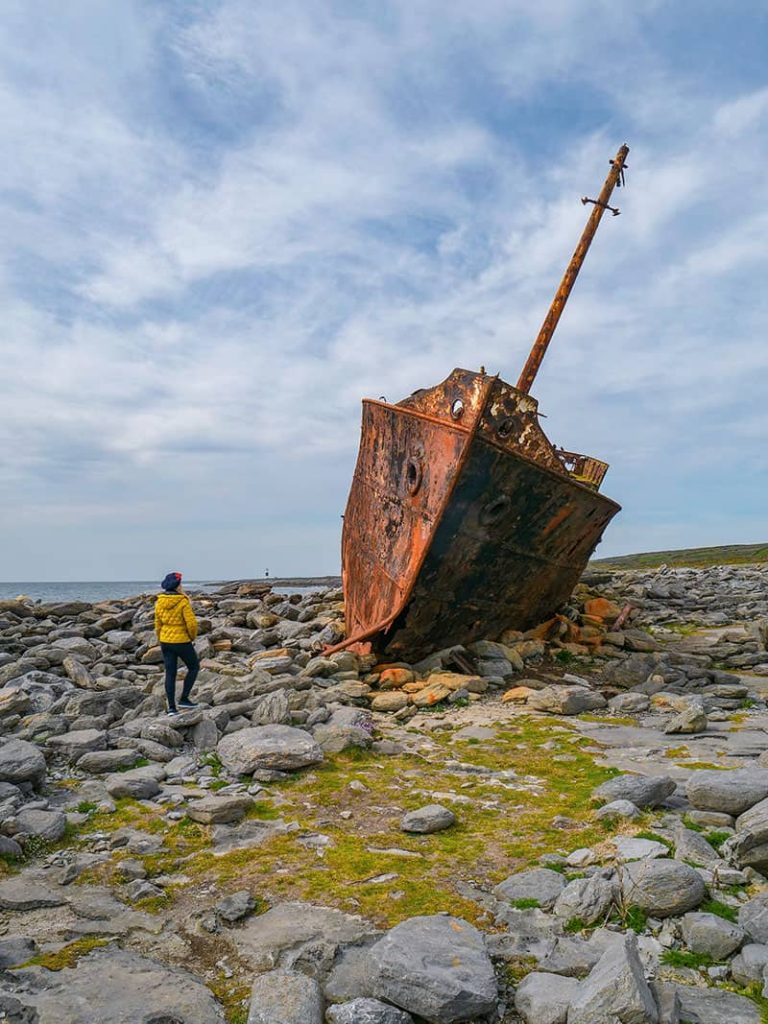
    9.Aran Islands

    The Aran Islands offer a chance to step back in time to a simpler, more authentic existence. This trio of islands is steeped in centuries of history and tradition.

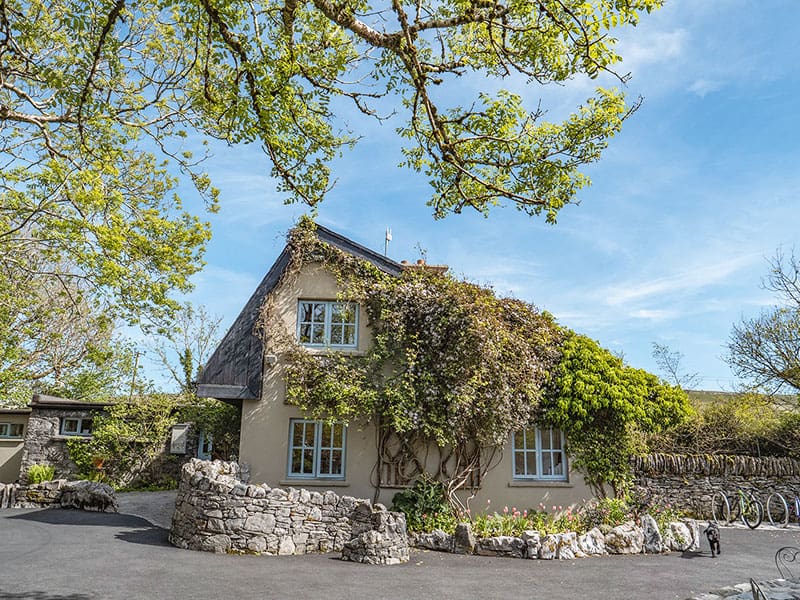
    There are charming whitewashed cottages and winding stone walls dotting the rugged landscapes. A weekend break on the Aran Islands promises to be an unforgettable experience.

    You can admire breathtaking coastal vistas, and immerse yourself in the vibrant culture of Ireland’s Gaeltacht communities – an area where Irish Gaelic is the most commonly spoken language.

    10.County Cork

    Located on the southwestern coast of Ireland, County Cork is a place of indisputable beauty and elegance. With its stunning landscapes, historic sites, and cultural richness, County Cork is the quintessential destination for those seeking an idyllic getaway.

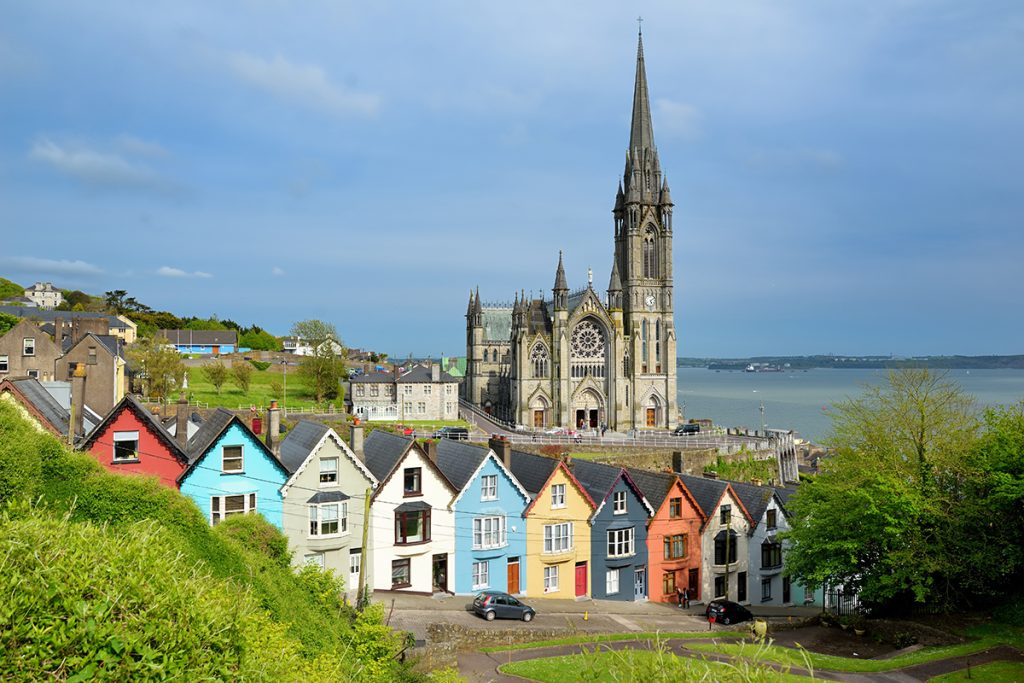
    Perhaps most iconic is the charming city of Cork, with its mix of traditional Irish heritage and cosmopolitan charm. And from the picturesque harbor town of Cobh to the majestic Blarney Castle, there’s no shortage of other attractions to explore in County Cork.

    11.The Burren

    The Burren is a majestic landscape that demands respect and admiration. Its unique mix of rugged terrain, ancient monuments, and rare flora and fauna make it unlike any other place on earth.

    The area’s unusual geological formations provide an opportunity for geological study and exploration. It is home to an abundance of wildlife, including the endangered Irish hare and the rare Burren orchid.

    Luxury destinations along this route offer exceptional experiences and Irish hospitality. Gregans Castle is a charming hotel that inspired the writers C. S. Lewis and J.R.R. Tolkein, where you’ll awake to panoramic views of The Burren.

    12.County Mayo

    County Mayo, a picturesque region on Ireland’s West Coast, is the perfect destination for your next weekend break. From the rugged coastline to the majestic mountains, the stunning scenery will take your breath away.

    This county boasts a host of must-see attractions, from the rugged wilds of Achill Island to the serene shores of Lough Conn. History buffs will relish the opportunity to explore Ireland’s holy mountain, Croagh Patrick.

    Foodies can indulge in the county’s traditional Irish cuisine, which features the freshest local produce and seafood delicacies.

    13.Waterford

    A weekend break in County Waterford offers the perfect mix of history, scenery, and indulgence. Stay at the Waterford Castle Hotel for unparalleled views of the River Suir.

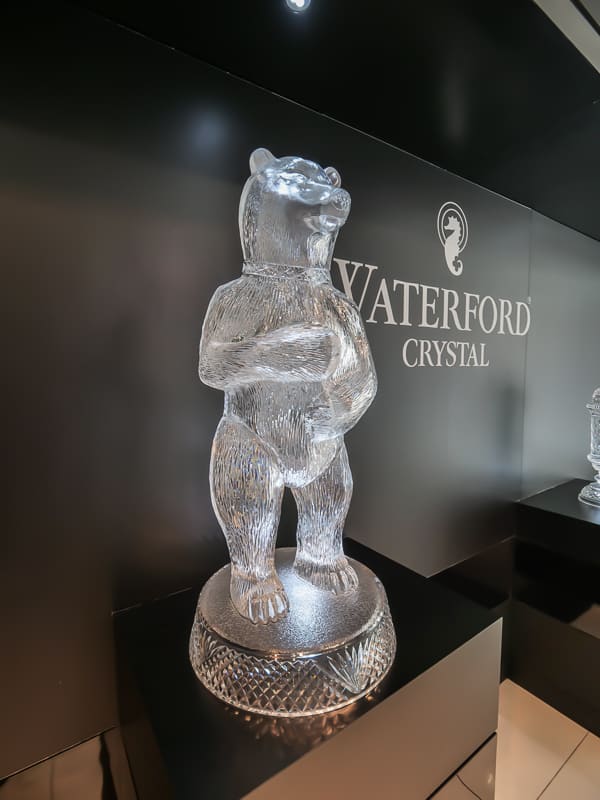
    Ireland’s oldest city, Waterford was founded by the Vikings in 914 AD. Start your trip with a behind-the-scenes tour of the world-famous Waterford Crystal factory to marvel at master craftsmen shaping molten crystal. After browsing the luxury boutiques that line the medieval streets, relax over a long lunch at The Granary Café.

    In the evening, indulge in delicious steak and seafood at McLeary’s. End your day with a pint at historic Geoff’s Cafe Bar. With its famous crystal, castles, fine dining, and historic pubs, Waterford delivers luxury and charm.

    14.Cliffs of Moher

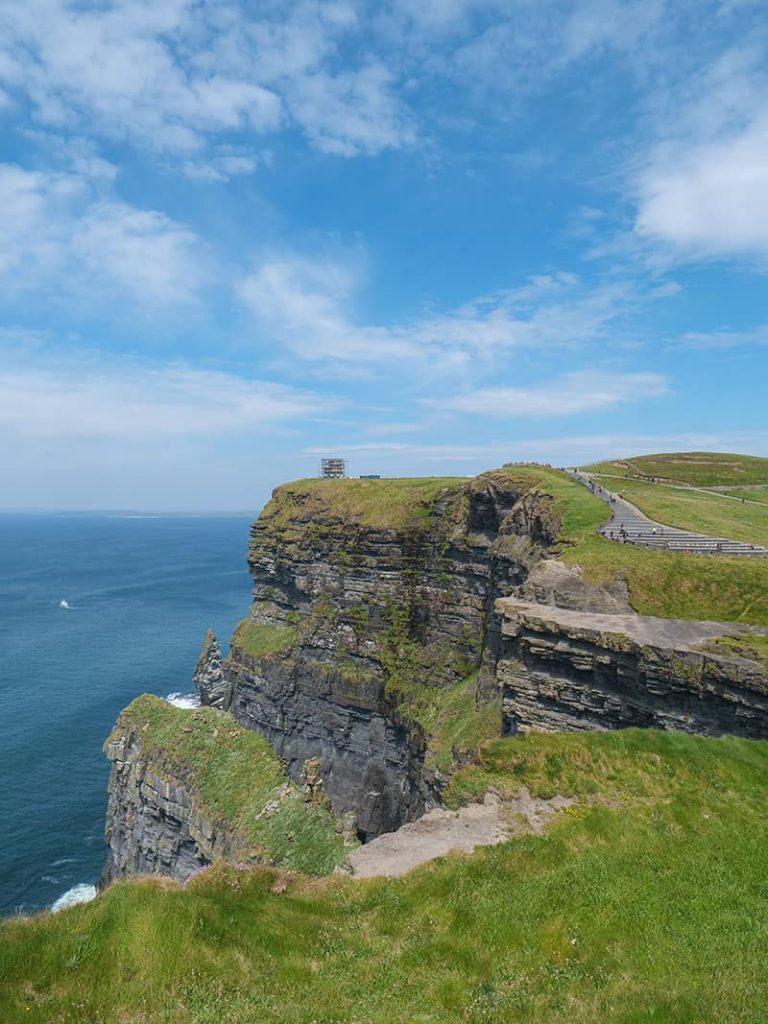
    With their awe-inspiring ocean vistas, the Cliffs of Moher make for an unforgettable luxury weekend getaway in Ireland. Spend a day exploring the iconic 700-foot sea cliffs on foot, snapping photos of the dazzling emerald waters and dolphins frolicking below.

    Base yourself at Moy House overlooking Liscannor Bay and wind down with a gourmet dinner at the hotel restaurant, crafted from locally-sourced ingredients. On your second day, take a boat tour or private guided hike along the less-traveled northern trails for stunning cliff views without the crowds.
    15.Belfast

    Combining history, culture, and retail therapy, Belfast delivers an unforgettable luxury weekend break. Stay at The Merchant Hotel for 5 star pampering. This boutique hotel is set in a former Victorian banking hall.

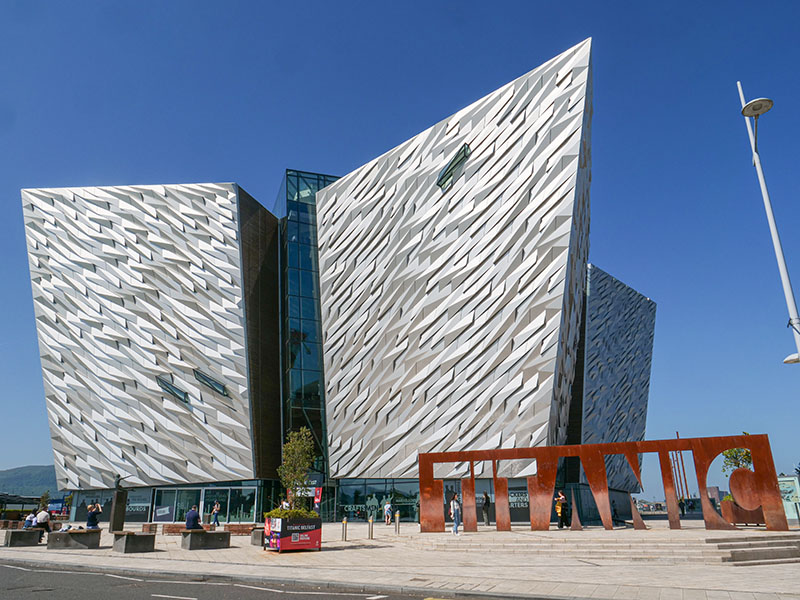
    Start your weekend with a tour of the Titanic Museum before grabbing lunch at Drawing Office Two in the Titanic Hotel. Spend the afternoon browsing designer boutiques in the Queen’s Arcade, taking a tour of Belfast City Hall or visiting Belfast Castle in Cave Hill Country Park.

    In the evening, unwind over cocktails at the plush Bert’s Jazz Bar. Belfast has a rich tapestry of history and modernity, with luxury hospitality that caters to discerning guests looking for an urban experience in Northern Ireland.

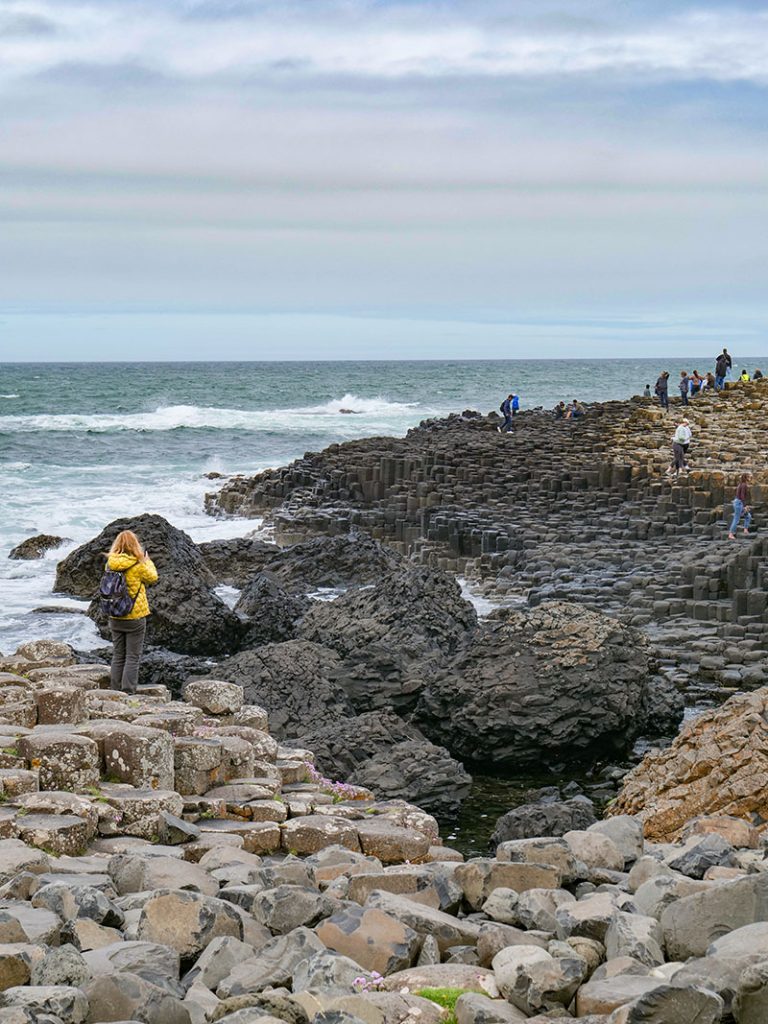
    16.Giant’s Causeway

    With its captivating volcanic landscape, a weekend exploring the Giant’s Causeway provides an unforgettable getaway. This natural wonder located on the coast of Northern Ireland is a testament to the power and beauty of nature.

    Made up of over 40,000 interlocking basalt columns, this geological formation has fascinated visitors for centuries. The unique hexagonal shape of the columns is a result of a volcanic eruption that occurred over 60 million years ago.

    It’s no wonder that this site has been designated as a UNESCO World Heritage Site. Allow at few hours for wandering around the unique hexagonal columns of the Giant’s Causeway, hiking along the clifftop trails, and marveling at the ocean vistas.

    Then grab a hearty dinner at the distinguished Coach’s Inn in Bushmills village. We also recommend a visit to Dunluce Castle ruins, which are perched dramatically above the sea.

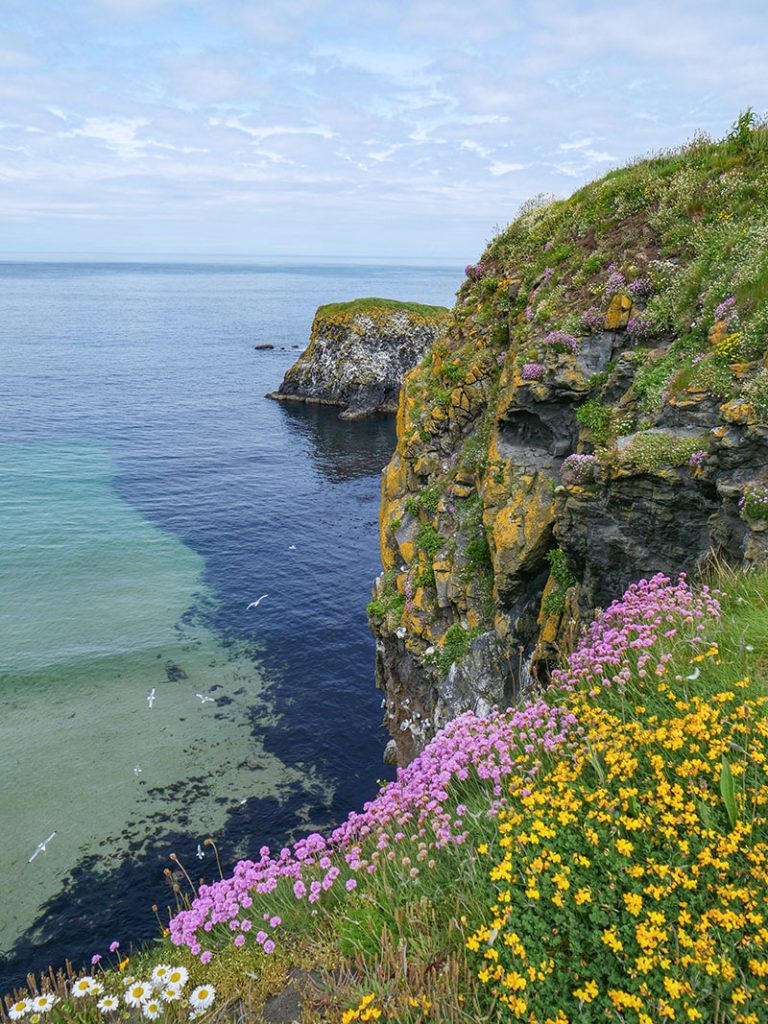
    17.Causeway Coastal Route

    The Causeway Coastal Route is a true marvel of nature, offering breathtaking scenery that will leave visitors in awe. This stunning coastal road winds along the coast of Northern Ireland, taking travelers through a landscape unlike any other.

    From dramatic seascapes to sprawling beaches and lush green countryside, the Causeway Coastal Route is a testament to the power and beauty of the natural world. The route is perfect for those seeking outdoor adventure, with opportunities for hiking, biking, and other recreational activities along the way.

    18.County Down

    County Down is a hidden gem in Northern Ireland that embodies elegance and sophistication. It’s the perfect place to escape the hustle and bustle of city life and indulge in a romantic break with your significant other.

    One of the top attractions in County Down is Hillsborough Castle and Gardens. This stunning Georgian mansion boasts breathtaking gardens, transporting you to a world of tranquility.

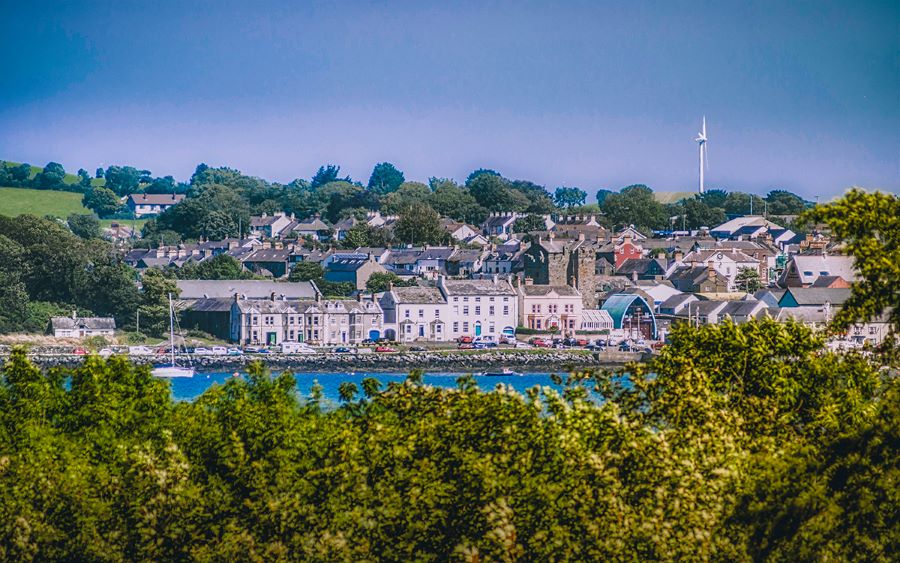
    The Mourne Mountains attract luxury travelers with a love for the outdoors and high-end retreats amidst stunning scenery. Another treasure of County Down is the charming village of Portaferry, where visitors can stroll along the harbor admiring the colorful fishing boats and quaint, historic architecture. Steeped in rich history, Portaferry is home to the stunning Portaferry Castle, a 16th-century tower house that has stood watch over the town for centuries.

    19.Game of Thrones Sites

    Fans of the series can immerse themselves in the real-life locations with a luxury flair across Ireland and Northern Ireland. Here are some Game of Thrones filming locations in Ireland and Northern Ireland that fans can visit:

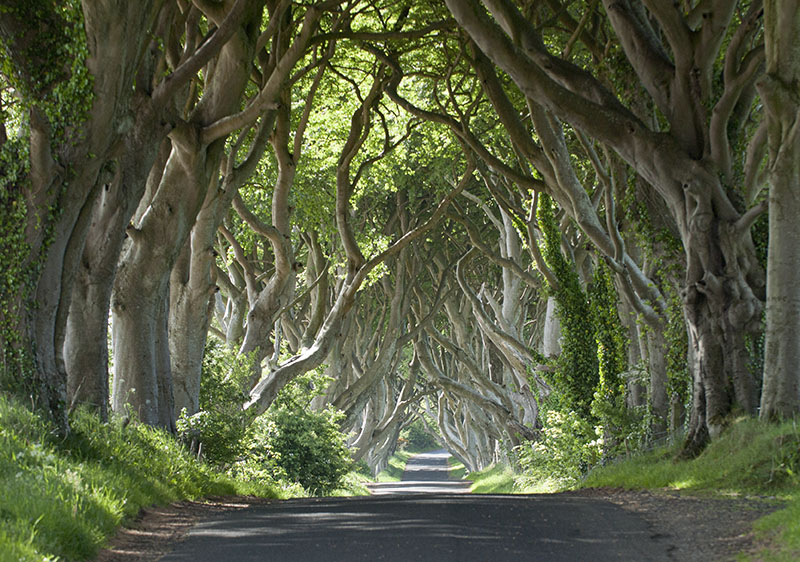
    The Dark Hedges (King’s Road) – This beautiful avenue of beech trees in County Antrim was used as the King’s Road in Season 2.
    Tollymore Forest (Haunted Forest) – Several Season 1 scenes were filmed in this Northern Ireland forest, including when the Starks find the direwolves.
    Downhill Beach – The fiery Dragonstone scenes were shot on this windswept beach in County Londonderry.
    Murlough Bay – The stunning views of Rathlin Island and the Irish Sea here stood in for the Stormlands in Season 2.
    Cushendun Caves – The caves featured as the spot where Melisandre gives birth to the shadow creature.
    Ballintoy Harbour – The quaint port is instantly recognizable as the Iron Islands capital Lordsport.
    Castle Ward (Winterfell) – The stately 18th-century mansion and surrounding lands posed as the Stark stronghold.
    Saintfield Estates (Winterfell Forest) – Arya’s archery practice and other key scenes happened in this private woodland area in County Down.

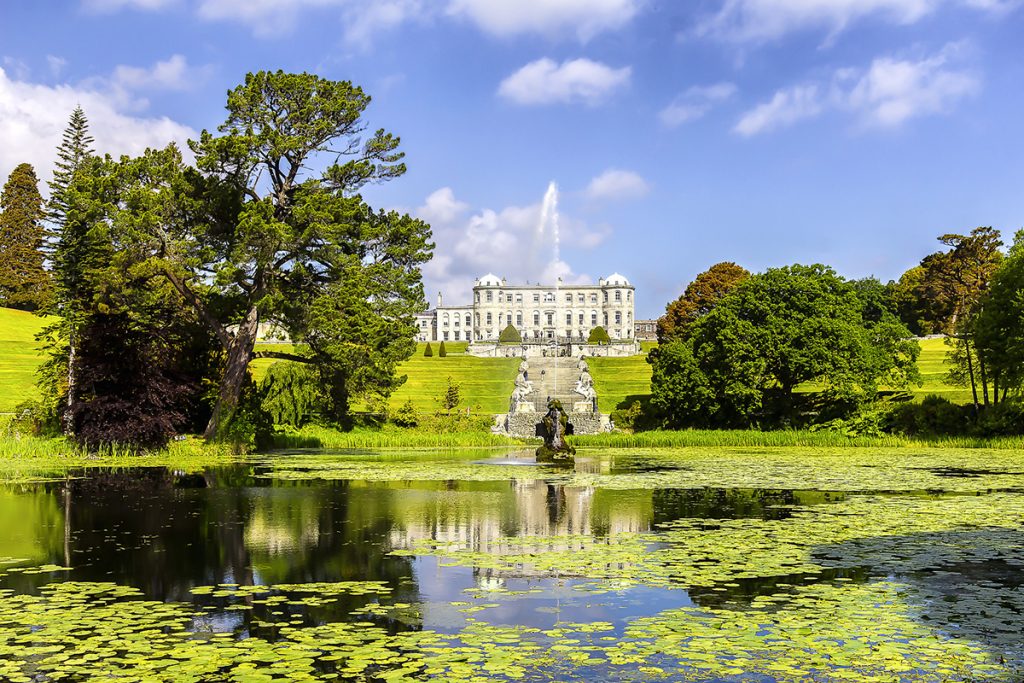
    20.Powerscourt House & Gardens

    Hidden away amongst the rolling hills of County Wicklow sits a true gem of Ireland’s historical legacy – Powerscourt House & Gardens. The grandeur of this estate is unrivaled, with a rich history dating back to the 13th century.

    This is without doubt one of the most beautiful gardens in the world. Strolling through the meticulously landscaped grounds, it’s easy to see why Powerscourt has won numerous awards and accolades.

    From the Italian Garden to the Japanese Garden, every carefully crafted corner of the estate tells a story of Ireland’s past, present, and future. Have a light lunch of organic fare at the Avoca Terrace Cafe or indulge in afternoon tea and homemade scones.

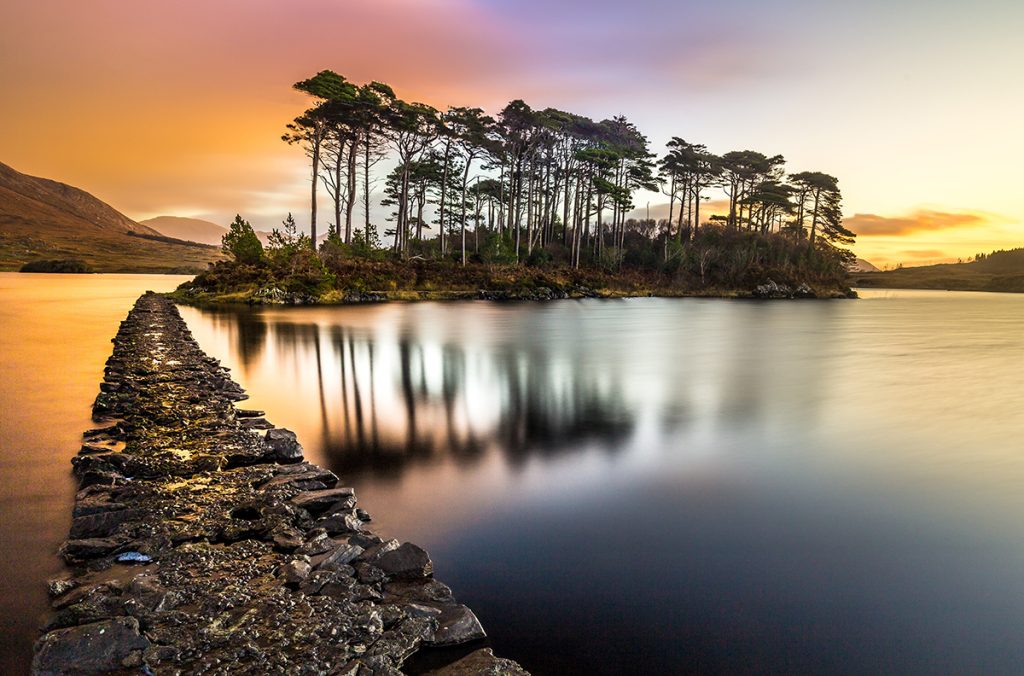
    21.Connemara

    Escape to the rugged beauty of Connemara National Park for a weekend of indulgence. Base yourself at the luxurious Abbeyglen Castle Hotel to enjoy panoramic views of the surrounding mountains.

    Spend a day driving the scenic Sky Road, stopping to take in the ocean vistas and sample freshly caught seafood in Clifden. In the evening, return to your hotel for a gourmet meal featuring local ingredients.

    On your second day, take a cruise of Killary Fjord, watching for dolphins and resting seals. Reward yourself after with a relaxing massage at Abbeyglen’s spa before toasting your getaway at the castle’s cozy bar.

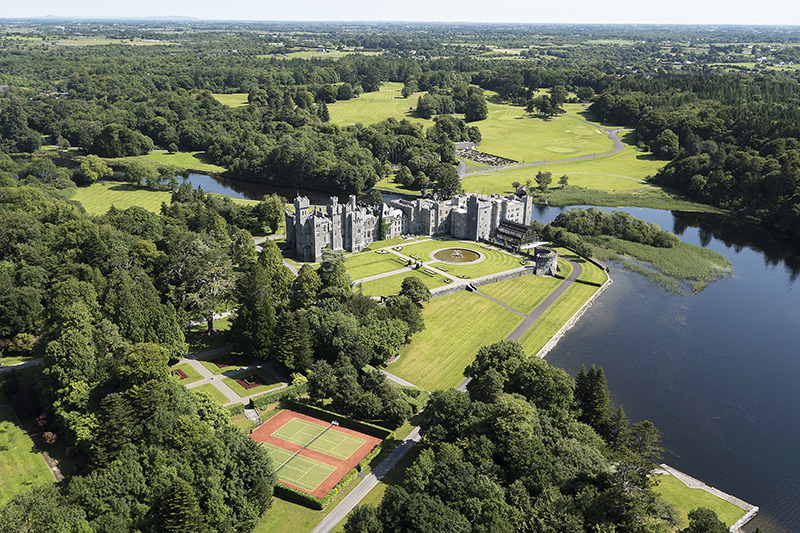
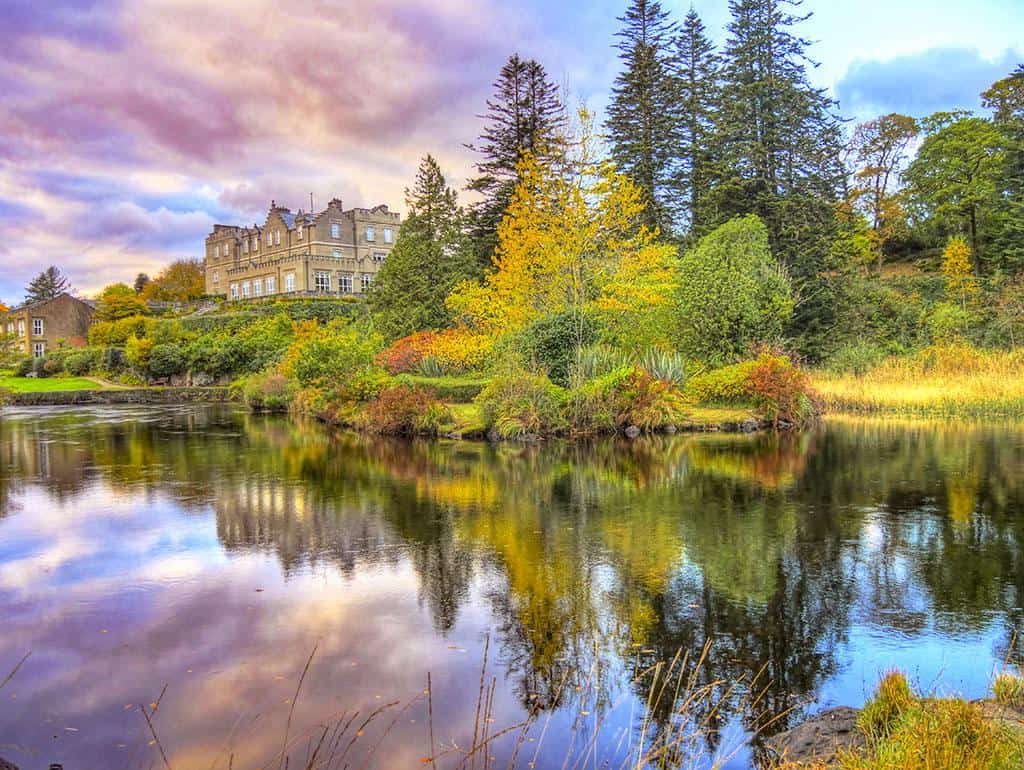
    22.Ashford Castle

    Experience the height of luxury with a weekend escape to majestic Ashford Castle. Begin your stay by settling into your lavishly appointed room before indulging in afternoon tea in the elegant drawing room. In the evening, feast on fine dining at the George V Restaurant, known for its seasonal Irish cuisine.

    On your second day, enjoy a private cruise on Lough Corrib, taking in the tranquil lakeside scenery. Afterwards, unwind with a treatment at the castle’s state-of-the-art spa and retire to the Prince of Wales Bar for a nightcap.

    On your final morning, savor an Irish breakfast before a falconry session with Ashford’s regal birds of prey. Ashford Castle promises old world elegance and modern amenities for an unforgettable getaway.

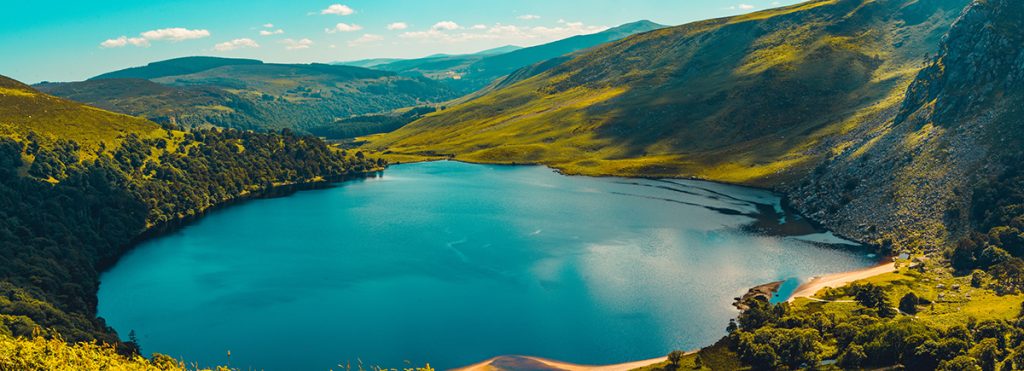
    23.Wicklow Mountains

    For those looking for a luxurious weekend getaway, the Wicklow Mountains National Park offers a perfect blend of nature and indulgence. Venture into the mountains to The Glenview Hotel & Leisure Club, where you can unwind in their serene spa or enjoy a taste of Irish cuisine in their award-winning restaurant.

    For a bit of adventure, take a hike up the Wicklow Way or explore the ancient ruins of Glendalough. Head straight to the Upper Lake at Glendalough to see the round tower rising over the tranquil waters.

    24.County Tipperary

    County Tipperary, with its rolling hills and charming historic towns, is the perfect destination for a weekend getaway. Whether you’re looking to unwind and relax or explore the area’s rich cultural heritage, there’s no shortage of things to do.

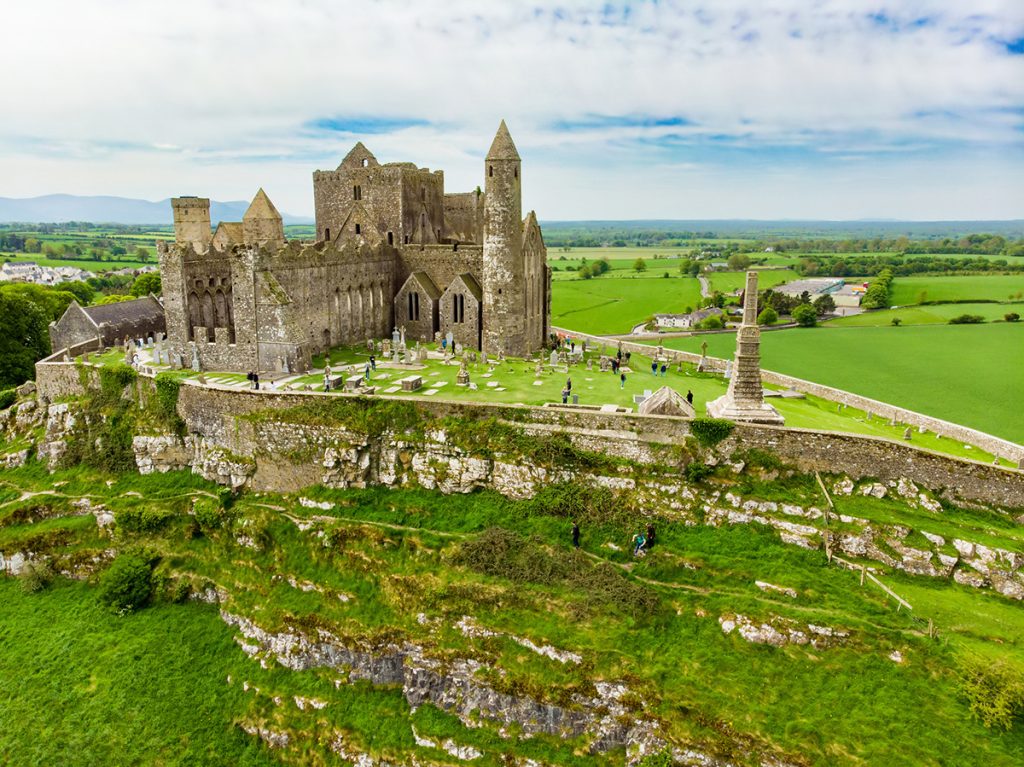
    Take a stroll through the picturesque streets of Clonmel, visit the lavish Georgian mansion of Dromoland Castle, or explore the ancient ruins at the Rock of Cashel. For the more active traveler, the nearby River Suir offers a range of outdoor activities including fishing, kayaking, and hiking.

    And at the end of a long day, indulge in the county’s delicious cuisine, with traditional Irish dishes like slow-cooked lamb, fresh seafood, and creamy cheeses. Whatever your interests, County Tipperary is sure to enchant and impress even the most discerning of travelers.

    25.Limerick

    Located on the banks of the River Shannon, the city of Limerick is an ideal destination for a weekend getaway. With its rich blend of history, culture, and natural beauty, visitors can find many exciting activities to fill their itinerary.

    Wander through the compact and walkable city center, taking in Georgian architecture on Pery Square. Visit the 800-year-old King John’s Castle on the River Shannon and tour its medieval halls and exhibits.

    Browse the Hunt Museum’s expansive collection of art and antiquities from Ireland and beyond. Enjoy live music at one of the vibrant local pubs overflowing with live music and friendly banter. On Sunday, head to the Milk Market for delicious brunch and to browse arts and crafts stalls.

    With castle tours, river views, markets, and music, Limerick packs plenty of diversions for an enjoyable weekend visit.

    26.County Donegal

    Planning a weekend getaway to County Donegal? Stay in the colorful town of Donegal and tour the 15th century Donegal Castle.

    If you’re looking for a blend of adventure and relaxation, take a scenic drive along the stunning Wild Atlantic Way or walk around the majestic Glenveagh National Park. Make your way to Slieve League Cliff for breathtaking views of the Atlantic from 600 meters above sea level.

    Do you love water? Enjoy the surfing on the beaches of Rossnowlagh or Portsalon. For those interested in history and culture, make sure you visit the Grianán of Aileach, an ancient stone fort that dates back to 1700 BC.

    With rocky shores, verdant valleys, and spirited towns, County Donegal offers natural beauty and charm ideal for a revitalizing weekend escape.

    27.Killykeen Forest Park

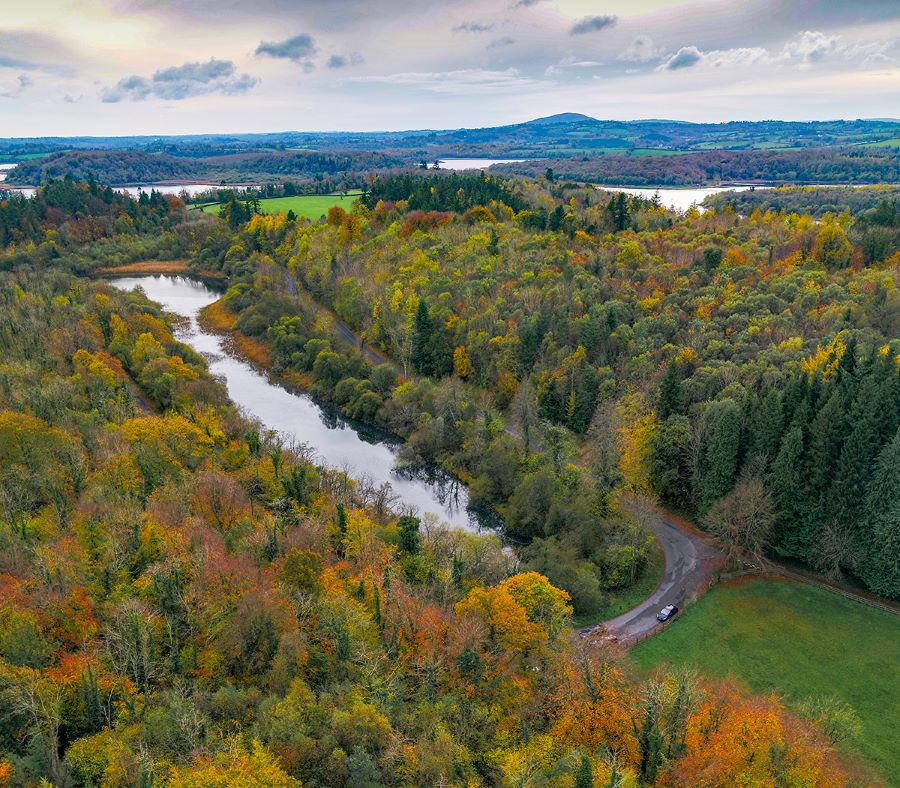
    Killykeen Forest Park is a perfect place for those seeking outdoor activities combined with the comfort of luxury accommodations in a wooded wonderland. Tucked away in the Cavan countryside, it promises a tranquil, rejuvenating getaway surrounded by nature.

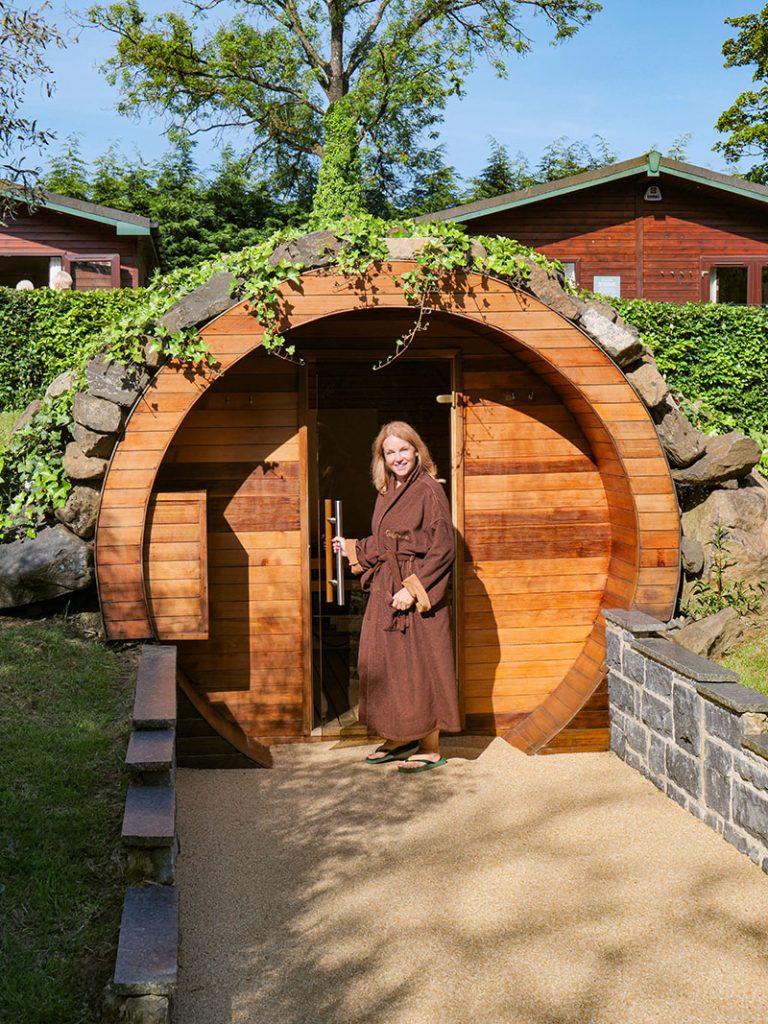
    Stay in one of the cozy log cabins on the grounds of the park with your own kitchen, hot tub, and grill for private BBQs. Spend your days exploring the lush forests and gardens via the walking trails, stopping to appreciate the colorful flowers and serene lake views.

    28.Cooley Mountains

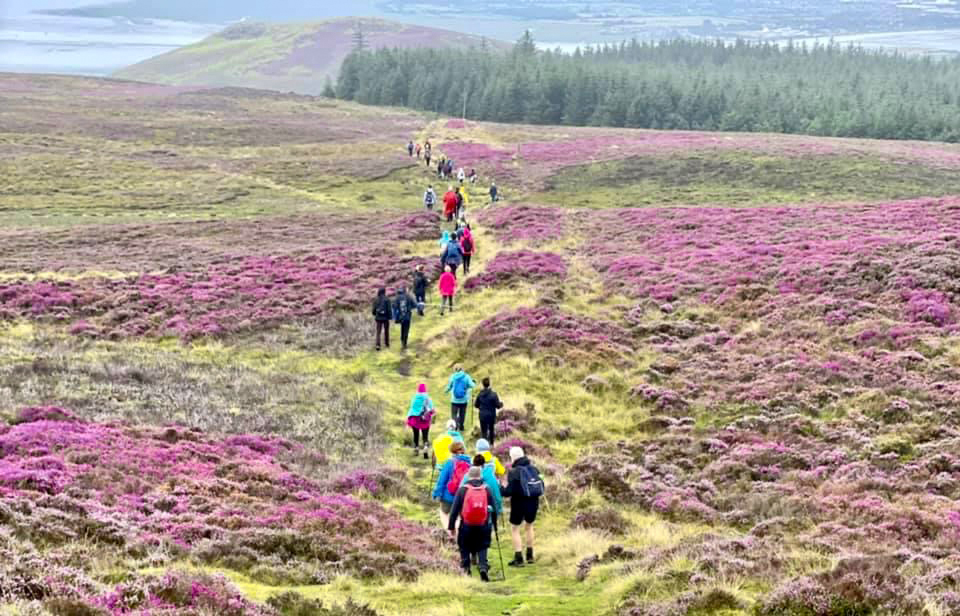
    With their heather-covered peaks and breathtaking coastal views, the Cooley Mountains in County Louth provide a stunning setting for a weekend getaway. Base yourself in the village of Carlingford, known for its medieval castle and traditional Irish pubs.

    Head into the mountains each day for hiking excursions. Tackle the rugged yet rewarding Carrickabraghy Loop Trail for incredible vistas of Carlingford Lough and the Mourne Mountains. After a day of trekking, unwind over a hearty meal at the award-winning PJ O’Hares pub.

    A weekend spent taking in the fresh air, sweeping vistas, and welcoming pubs of this unspoiled area promises a rejuvenating break from bustling city life.

    29.Golfing at Premier Irish Courses

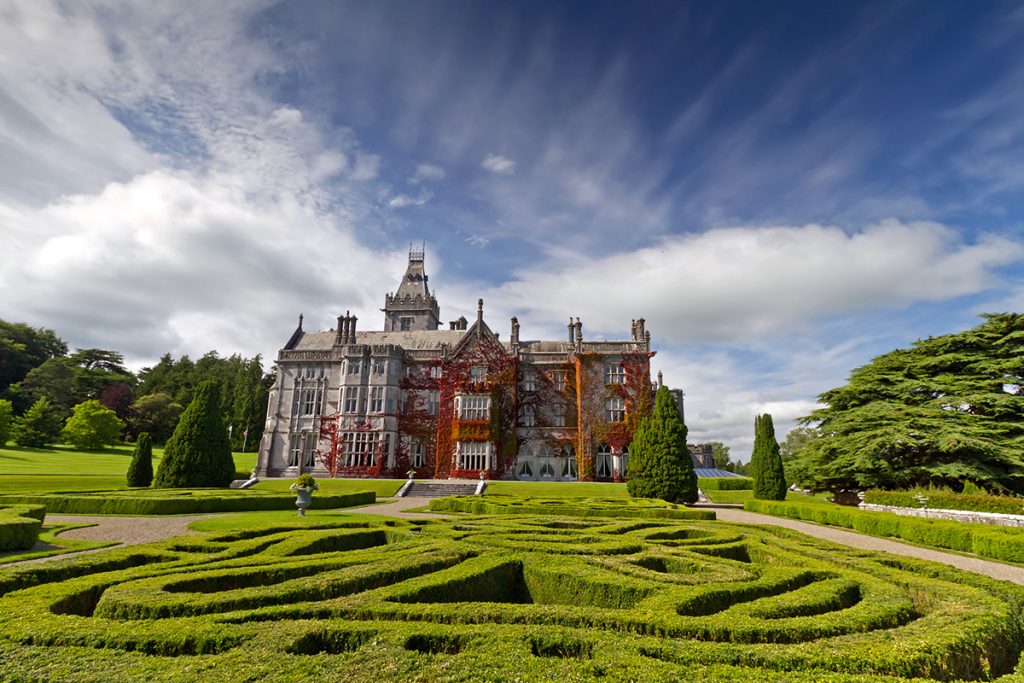
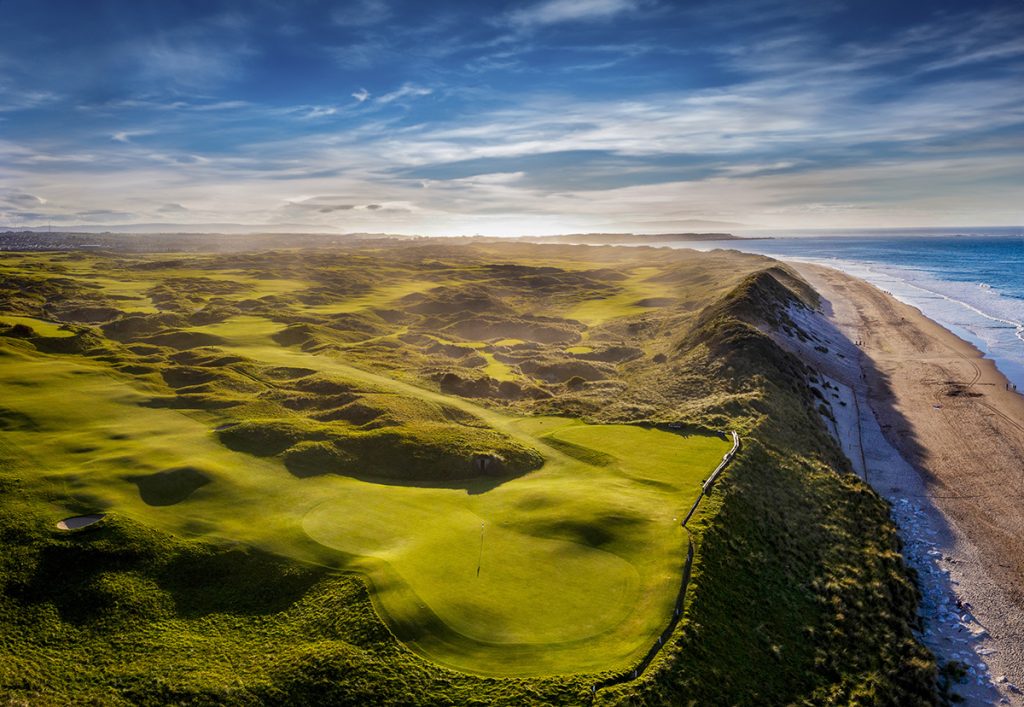
    For an indulgent golf getaway, Ireland delivers world-class courses and five-star hospitality. Stay at the historic Adare Manor in County Limerick and play a round on its challenging championship course.

    Next, head north to County Clare and tee off at Lahinch Golf Club, renowned for its natural beauty and tricky greens. Spend your last day at the premier Waterville Golf Links nestled against the Atlantic Ocean.

    Retire in the evenings to your luxurious manor or hotel to dine on gourmet cuisine and rejuvenate in the spa. With every detail attended to and access to celebrated courses like Adare, Lahinch, and Waterville, a long weekend of golfing in Ireland promises a trip of a lifetime.

    30.Galgorm

    A luxury weekend break at Galgorm in Northern Ireland promises an extravagant escape from the mundane. From the moment you step foot into this picturesque estate, you are enveloped in an atmosphere of luxury and elegance.

    The serene surroundings of this luxury spa hotel, combined with excellent service, ensure a truly sophisticated experience. Indulge in relaxation at the Thermal Spa Village, with its soothing facilities and stunning views of the River Maine.

    Dining at Galgorm is equally impressive, with a range of culinary options to suit all tastes. With every detail taken care of by the attentive staff, a weekend break at Galgorm is the ultimate indulgence.

    31.Irish Whiskey Distilleries

    Take your tastebuds on a decadent tour of Ireland’s top whiskey distilleries for a truly indulgent weekend. Stay at the historic Slane Castle and tour the estate’s distillery, learning the craft behind their triple casked blend.

    Next visit Bushmills, the oldest licensed distillery in the world, and savor the smooth flavor of their single malt. Don’t miss the Jameson Experience at the iconic Midleton Distillery, where you can indulge in premium whiskey tastings and dine on locally-sourced fare.

    Luxury Accommodation in Ireland

    Ireland offers an array of top luxury hotels for those seeking a premium experience. From grand 5-star hotels to intimate guesthouses, each venue provides a perfect backdrop for a weekend of relaxation, good food, and quality time.

    5-Star Hotels and Original Irish Hotels

    Ireland’s luxury hotel sector is defined by its 5-star hotels and original Irish hotels that blend opulence with heritage. Guests can expect luxurious rooms boasting splendid décor and comfort.

    The Merrion Hotel in Dublin, for instance, is a quintessential 5-star establishment known for its Georgian architecture and an art collection that rivals national galleries. Equipped with a steam room, hot tub, and gourmet dining facilities, it offers a perfect getaway for those seeking the best.

    • Ashford Castle, Co. Mayo: recently refurbished guest rooms, award-winning dining, lake views
    • Adare Manor, Co. Limerick: championship golf course, La Mer Spa, Michelin-starred dining
    • Ballynahinch Castle, Co. Galway: 16 kilometers of trails, fly fishing and a beautiful walled garden.

    Exclusive Guesthouses and B&Bs

    For a more private and personalized stay, Ireland’s exclusive guesthouses and B&Bs present a fantastic alternative. These accommodations typically offer a smaller number of guest rooms, each with a unique character, often located in picturesque settings perfect for those seeking a tranquil retreat.

    Ballyfin Demesne in Co. Laois exemplifies luxury with its antique-filled rooms and attentive service, ensuring guests enjoy their Ireland vacation to the fullest.

    • Castlewood House, Co. Kerry: sumptuous breakfast, scenic views, proximity to Dingle town
    • The Wilder Townhouse, Dublin: historic building, boutique service, artisan breakfast

    Private Rentals for Group Getaways

    For groups looking for an exclusive space to spend quality time together, private rentals offer the ideal solution. Ireland boasts a variety of high-end homes and estates available for short-term rental. These properties often come with full-service staff, luxury amenities, and are situated in the perfect location to explore the surrounding countryside or enjoy a secluded hotel break.

    • Lisheen Castle, Co. Tipperary: fully restored 19th-century castle, available for exclusive hire
    • Inchydoney Island Lodge, Co. Cork: beachfront villas, renowned spa facilities, excellent gastronomy

    Planning Your Trip to Ireland

    When planning luxury weekend breaks in Ireland, considering the time of year and transportation options is crucial to creating an unforgettable experience. The following subsections provide essential information about the best times to visit, how to get around, and the attractions that should not be missed.

    Best Time to Visit Ireland and Seasonal Tips

    The best time to visit Ireland for a luxury weekend break is during the Summer months, typically from May through August, when the weather is more likely to be warm and pleasant. This season offers longer daylight hours for sightseeing and the vibrant green landscapes Ireland is famous for.

    • Top Tips:
      • Check for local festivals, which often feature traditional Irish music and dance.
      • The Aran Islands are particularly beautiful in the summer, offering a genuine slice of Irish culture.

    Transportation and Accessibility in Ireland

    Ireland’s infrastructure makes it highly accessible, with various options to suit every traveler’s preferences.

    • Airports: Shannon Airport is an excellent choice, being the closest airport to many key destinations in Ireland’s west.
      • City Centre Proximity: It is about one and a half hours from major city centers by car.
    • Best Way to Get Around:
      • Rental Car: Recommended for flexibility and convenience, especially when exploring rural areas.
      • Public Transport: Efficient networks of buses and trains connect major towns and cities.

    Weekend Itineraries and Must-See Attractions

    A well-planned itinerary can ensure that travelers experience the best weekend breaks in Ireland.

    • Day 1:
      • Visit a famous name in luxury accommodation, like Ashford Castle, for world-class service.
      • Explore the nearby countryside or participate in an on-site activity like falconry.
    • Day 2:
      • Continue to some of the best places in Ireland, such as the Cliffs of Moher or the Burren, embracing the rugged beauty of the landscape.
      • Concluding with an evening of fine dining and traditional Irish music can be one of the best things about a weekend in Ireland.

    By incorporating these tips into their planning, travelers can ensure a memorable luxury getaway in Ireland.

    Conclusion: The Best Luxury Weekend Breaks in Ireland

    When travelers seek a luxury weekend in Ireland, they anticipate a perfect getaway that blends relaxation with the unique allure of the Emerald Isle. To maximize this experience, guests should consider their preferences for leisure and adventure.

    Crafting quality time with thoughtful activities is key, whether that involves a serene spa day, a private tour of historical sites, or a gourmet dining experience with Ireland’s finest cuisine. Some suggested activities include:

    • Golfing on world-class courses
    • Horseback riding on the beach
    • Sailing along the scenic coast
    • Visiting boutique shops for unique souvenirs
    • Local events or festivals
    • Ancient castles and estates
    • Traditional music performances

    In summary, travelers will find that by combining relaxation with exploration, they not only rest but also connect deeply with the essence of Ireland. This dual approach promises a luxury break that is both refreshing and resonant with the spirit of discovery.

  • The 10 Most Impressive Lake Como Gardens and Villas

    The 10 Most Impressive Lake Como Gardens and Villas

    Lake Como’s stunning shoreline is adorned with magnificent buildings and breathtaking gardens that have captivated visitors for centuries. Here’s a journey through the most remarkable Lake Como gardens and villas that dot this Italian paradise.

    1.Villa Carlotta, Tremezzo

    A masterpiece of architecture and botanical artistry, Villa Carlotta showcases 17th-century grandeur alongside 20 acres of manicured gardens. The villa is particularly famous for its spring rhododendron and azalea blooms, creating a spectacular display of over 150 varieties.

      Inside, visitors can admire masterpieces of neoclassical art, including works by Antonio Canova.

      2.Villa Melzi, Bellagio

      Built in the early 19th century, Villa Melzi’s English-style gardens are a harmonious blend of art and nature. The pristine waterfront grounds feature Egyptian statues, Japanese maples, and a stunning orangery.

      The garden’s carefully planned layout offers breathtaking views across Lake Como, making it particularly enchanting during spring when camellias and azaleas bloom.

      3.Villa del Balbianello, Lenno

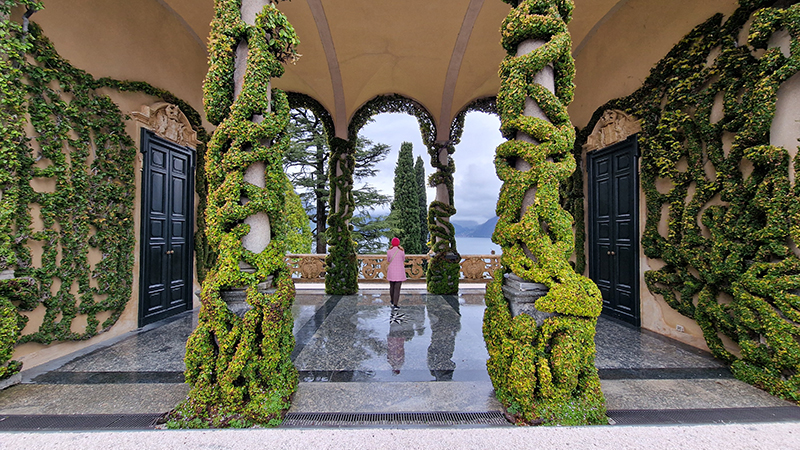
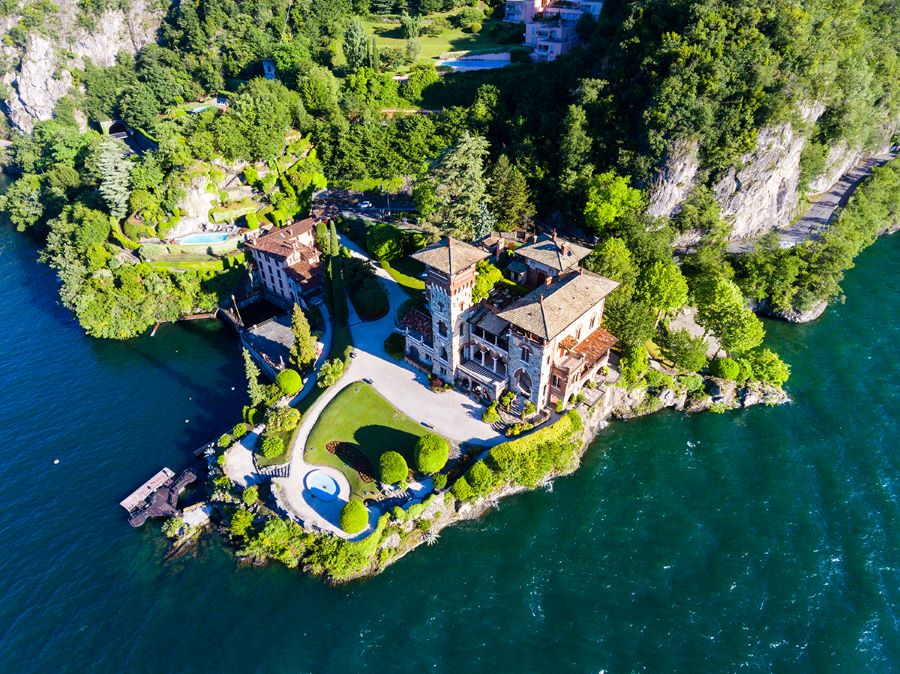
      Perhaps the most dramatically positioned villa on Lake Como, Villa del Balbianello sits atop a wooded peninsula. Its perfectly manicured terraced gardens feature elaborate topiary and unparalleled lake views.

      The villa’s distinctive loggia has made it a favorite filming location, appearing in Star Wars: Episode II and Casino Royale. It’s a must-see on any Lake Como itinerary.

      4.Villa Serbelloni Gardens, Bellagio

      Perched high above Bellagio, these terraced gardens offer panoramic views of Lake Como’s three branches. The vast park features centuries-old trees, exotic plants, and miles of walking paths through meticulously maintained gardens.

      While the villa itself serves as a private conference center, the gardens remain open to the public from mid March to the beginning of November through guided tours. It should not be confused with the Grand Hotel Villa Serbelloni, a 5 minute walk away on Bellagio’s lakeside.

      5.Villa Monastero, Varenna

      Originally a 12th-century Cistercian monastery, Villa Monastero boasts over a mile of lakefront gardens combining Italian and English landscape styles. The botanical garden in the picturesque Lake Como town of Varenna features rare species from around the world.

      The elegant villa houses a museum showcasing elegant rooms with period furnishings.

      6.Villa d’Este, Cernobbio

      This Renaissance villa, now an exclusive luxury hotel, is renowned for its floating swimming pool on the lake and formal Italian gardens. The 25-acre park features statues, a double waterfall arcade, and the iconic mosaic wall.

      The beautiful gardens blend Renaissance symmetry with Baroque elements and romantic landscape features.

      7.Parco di Villa Olmo, Como

      This neoclassical villa is surrounded by vast English-style grounds that are open to the public. The garden features ancient trees, geometric flower beds, and a stunning temple-like greenhouse.

      This lesser known Italian villa occasionally hosts cultural events and exhibitions. Visitors cannot currently enter the villa itself due to renovations, however entrance to the park itself is free.

      8.Villa la Gaeta, San Siro

      Made famous as Mr. White’s hideout in Casino Royale, this Art Nouveau masterpiece combines medieval-style architecture with modern elegance. While the villa itself is private, its distinctive silhouette and waterfront position make it one of Lake Como’s most photographed buildings.

      9.Villa del Grumello, Como

      Dating from 1615, this historic villa offers a perfect blend of natural and cultivated beauty. Its romantic park features rare plants, a greenhouse, and meditation gardens.

      The restored villa now serves as a cultural center, hosting concerts and events while maintaining its historical charm. The gardens are open from April to November on Sundays and every day in August.

      10.Museo Villa Bernasconi, Cernobbio

      A unique example of Liberty style architecture, Villa Bernasconi stands out for its innovative design inspired by silkworm moths, honoring Como’s silk-making heritage. Now a museum, it tells the story of the villa and the region’s silk industry through interactive exhibits.

      The surrounding garden, though modest compared to other Lake Como parks, features original Liberty-style decorative elements.

    1. 20 Famous European Landmarks for your Bucket List

      20 Famous European Landmarks for your Bucket List

      From the Eiffel Tower in Paris to Hagia Sophia in Istanbul and the Colosseum in Rome, there are some incredible European landmarks. While many of these famous monuments are historical attractions, there are also some contemporary gems like the Guggenheim in Bilboa, Spain.

      The Best European Landmarks

      These landmarks in Europe have extremely distinctive appearances. However, they all share great design that has stood the test of time in common.

      Check out these beautiful places that should be on everyone’s bucket list.

      1.Eiffel Tower, Paris

      No list of the most famous European landmarks would be complete without the Eiffel Tower. Designed by Gustave Eiffel, this grande dame of architectural design was completed in 1889.

      Towering above the Paris skyline at 330 meters high, the Eiffel Tower was built for the World’s Fair. It was the tallest building in the world until the Chrysler building surpassed it. Now of course, the Burj Khalifa in Dubai is the world’s tallest building.

      On the second floor of the Eiffel Tower, there’s the luxurious Jules Verne restaurant. This is a lovely place to admire panoramic views of Paris by day or night.

      Surprisingly, it’s illegal to photograph the Eiffel Tower’s night time light display for professional use. That’s because it’s considered to be an artwork and subject to prior authorization by the Société d’Exploitation de la Tour Eiffel. In practice, holidaymakers taking photos or videos for personal use or on social media won’t have a problem.

      2.The Colosseum, Rome

      Rome is blessed with some of the most spectacular historical attractions in the world. The Colosseum is an enormous ampitheater which used to hold gladitorial battles in ancient Rome.

      Constructed during the reign of the Flavian emperors as a gift to the people of Rome, it’s also known as the Flavian Ampitheatre. At 50 meters tall and 189 meters long, this is the largest ampitheater in the world.

      Built between 72 AD and 80 AD, the Colosseum could hold over 50,000 spectators. They would watch the gruesome gladiator fights where animals including lions, bears and leopards were also pitted against men.

      3.Buckingham Palace, London

      The London residence of Queen Elizabeth II, Buckingham Palace is located next to Green Park and St James’s Park.

      Built in 1703, Buckingham Palace is an example of neoclassical architecture. One of the most famous London landmarks, the palace has 775 rooms including 19 State Rooms.

      The State Rooms are usually open to the public from late July to late September, when the Queen is not in residence. Buckingham Palace grounds are part of the tour. They are the largest private gardens in London, with a lake, tennis courts and helipad.

      Although extensively featured in the Netflix series The Crown, filming didn’t actually take place at the palace itself. Stand ins such as Lancaster House in London and Wilton House in Wiltshire were used for many scenes.

      4.Neuschwanstein Castle, Bavaria

      Germany is famous for its fairytale castles, particularly in the region of Bavaria. Neuschwanstein Castle is perched on a hill above the village of Hohenschwangau.

      Originally commissioned by King Ludwig II of Bavaria in honor of the composer Richard Wagner, it is one of the largest castles and most visited tourist attractions in Europe. If Neuschwanstein Castle looks familiar, that’s because Walt Disney based Sleeping Beauty Castle in Disneyland on it.

      Designed in the Romanesque Revival style, Neuschwanstein translates as New Swan Stone. This comes from the Richard Wagner opera character, the Swan Knight.

      5.Belem Tower, Lisbon

      When visiting Portugal, a trip to Lisbon is a must. Belem Tower is a 16th century fortification, from where Portugese explorers set sail.

      Known alternatively as the Tower of Saint Vincent and also as the Torre de Belem, it was added as a UNESCO World Heritage Site in 1983.

      Dating from 1514, Belem Tower is surrounded by the Tagus River at high tide. The tower is decorated with elaborate ornaments, balconies and turrets in a Moorish style.

      6.Hungarian Parliament Building, Budapest

      Located on the banks of the Danube river in Budapest, the Hungarian Parliament is the most expensive building in the country. It is also one of the two tallest monuments, together with Saint Stephen’s Basilica.

      The parliament has 691 rooms, 29 staircases and 10 courtyards. Over 700,000 people visit the Hungarian Parliament each year.

      Completed in 1904, the Parliament of Budapest was designed by the architect Imre Steindl. He sadly became blind before the building was finished.

      7.Sagrada Familia, Barcelona

      Possibly the most distinctive European landmark, the Sagrada Familia in Barcelona, Spain was designed by world famous architect Antoni Gaudi. This UNESCO World Heritage Site is surprisingly still unfinished, despite construction starting in 1882!

      Work on the Roman Catholic basilica is estimated to be completed in 2026. Gaudi was inspired by nature and you can spot various stone animals on the facade, including a dove, pelican, snail and chameleon.

      There will be 18 spires once La Sagrada Familia is complete, with the tallest representing Jesus Christ. Gaudi is buried under the basilica and his tomb can be visited by the public.

      8.Mont Saint-Michel, Normandy

      Nestled one kilometer off the North West coast of France, Mont Saint-Michel is a charming medieval village. One of the most famous historical sites in France, this incredible European landmark is spread over 240 acres.

      Perched on the highest point, there’s an impressive Gothic Benedictine abbey. During the Middle Ages, Mont Saint-Michel was an important place for pilgrimage.

      Reaching the island had its challenges, as the tide comes in very quickly. In 2014, the 2,500 foot long Mont Saint-Michel bridge was opened, connecting the island permanently with the mainland.

      Although only 50 people live on the island, over 3 million people visit each year. It can get extremely busy in Summer.

      9.Brandenburg Gate, Berlin

      One of the most famous landmarks in Berlin, the Brandenburg Gate was built by King Frederick William II as a city entry point. The gate was modelled on the Propylaeum in the Acropolis, Athens.

      Inaugurated in 1791, this military monument was designed by Carl Gotthard Langhans. The sculpture of a horse-drawn chariot on top of the gate was removed by Napoleon’s soldiers in 1806. Known as the Quadriga, it was returned to the gate after Napoleon’s defeat.

      On this spot, hundreds of thousand of people celebrated the fall of the Berlin Wall in 1989. Today, the Brandenburg Gate is a powerful symbol of unity and peace.

      10.Leaning Tower of Pisa, Italy

      Famous for its unique tilt, the Leaning Tower of Pisa is actually the result of a design flaw. Built on soft soil and shallow foundations, the tower began to lean as soon as a second story was added.

      Originally meant to be a bell tower, this iconic Italian landmark became a German military base during World War II. In 1944, the advancing US Army were instructed to destroy all enemy buildings. However, they spared the Leaning Tower of Pisa due to its beauty.

      Over the course of its history, several attempts have been made to straighten the leaning tower. Mussolini hated the tilt and ordered holes to be drilled in the base then filled with mortar. However, this made the tower lean even more.

      There are actually several leaning buildings in Pisa, including the churches of San Nicola and San Michele degli Scalzi.

      11.The Alhambra, Granada

      Known for its Moorish architecture, The Alhambra is a stunning fortress and palace in Granada, Spain. Built on a plateau overlooking the town, it was the royal residence during the reign of the Nasrid Kingdom.

      The name alhambra comes from the Arabic word for red castle. That’s appropriate as the building has a reddish glow at certain times of the day.

      The building complex is a fine example of the Mudejar architectural style. This is the combination of Western decorative elements with Islamic art.

      The Alhambra interiors are highly ornate, with intricate stucco and wood carvings. Don’t miss the Court of the Lions, with its white marble fountain adorned with 12 lions.

      12.Palace of Versailles, France

      The extravagant former home of the Sun King, the Palace of Versailles is one of the most famous European landmarks. Originally a hunting lodge, the Chateau de Versailles was later rebuilt as a palace.

      King Louis XIV made the palace his permanent residence and set about creating opulent interiors and stunning gardens. Designed by André Le Nôtre, the formal French gardens feature arabesque lawns and the Grand Canal, a symmetrical basin.

      Inside Versailles palace, the Hall of Mirrors is particularly impressive. With 357 mirrors of Venetian glass, it was completed in 1684.

      The Palace of Versailles is the second most visited monument in France, after the Louvre museum and ahead of the Eiffel Tower.

      13.The Acropolis of Athens, Greece

      Greece is not short of impressive landmarks, but The Acropolis is definitely one of the finest examples. Dating from the 5th century BCE, this ancient site in Athens is extremely well preserved.

      Standing around 150 meters above sea level, the word acropolis means highest point or extremity in Greek. The Acropolis itself is the hill that the Parthenon stands on.

      The Parthenon is a temple built between 447 and 432 B.C. Dedicated to Greek goddess Athena, The Parthenon is made of marble.

      14.Hagia Sophia, Istanbul

      The full name of this famous monument in Turkey is the Hagia Sophia Grand Mosque. Formerly the Church of Hagia Sophia, this Turkish landmark became a museum in 1934, following a decree by Ataturk’s cabinet.

      The UNESCO World Heritage Site is a mosque again since July 2020. Built in the 6th century AD, contains 8 columns from the abandoned Temple of Artemis in Ephesus. This was one of the Seven Wonders of the World.

      There are 104 columns in all, and a central dome that is 108 feet in diameter. This masterpiece of Byzantine architecture is supported by four pendentives which were unique at the time of construction.

      15.St Basil’s Cathedral, Moscow

      Famous for its onion shaped domes, St Basil’s Cathedral is also known as the Cathedral of Vasily the Blessed. Commissioned by Ivan Vasilyevich, the first Tsar of Russia to celebrate his military victories, it was originally painted white with gold domes.

      The exuberant colors that you see today were added from the 17th century onwards. With a prime location on Red Square in Moscow, St Basil’s has been a museum since 1929.

      Weekly Christian Orthodox services to Saint Basil are held in this UNESCO World Heritage Site. The cathedral is made up of 9 individual chapels.

      16.Guggenheim Museum Bilbao, Spain

      Designed by Canadian-American architect Frank Gehry, this unique building is located in Bilbao, Spain. Opened by King Juan Carlos I in October 1997, the Guggenheim Museum showcases contemporary art.

      Located on the banks of the Nervion river, the Guggenheim Bilbao attracts 20 million visitors each year. Made from glass, limestone and titanium, the building is considered by the World Architecture Survey to be one of the most important designs in the world.

      Housing 250 modern artworks, the Guggenheim boasts 19 galleries and 11,000 square meters of exhibition space. It has contributed significantly to the regeneration of the surrounding Bilbao port area.

      17.Pena Palace, Portugal

      Perched on a hilltop in the Sintra Mountains, Pena Palace is a colorful 19th century castle. Designed in the Romanticist style, Pena Palace was built by German architect Baron Wilhelm Ludwig von Schewge.

      This UNESCO World Heritage Site is one of the most visited landmarks in Portugal. Originally built as a Summer residence for King Ferdinand II and the Portugese royal family, it is now a museum.

      Over time, the original bright colors of Pena Palace faded to grey. However, this national monument was repainted in 1996 and restored to its former glory.

      18.Big Ben (Elizabeth Tower), London

      Standing tall at 316 feet above the Palace of Westminster, Big Ben is London’s most iconic clock tower and one of the world’s largest striking clocks. Strictly speaking, Big Ben refers only to the bell, which weighs 15.1 tons, though it’s commonly associated with the entire clock tower.

      The tower was renamed Elizabeth Tower in 2012 to mark the late Queen Elizabeth’s Diamond Jubilee, though everyone still calls it Big Ben. Completed in 1859, this Gothic Revival masterpiece chimes every hour and has become the ultimate symbol of British parliamentary democracy.

      Visitors can tour the Palace of Westminster to see Big Ben up close, though climbing the 334 steps to the top offers breathtaking views of London’s skyline.

      19.Notre-Dame Cathedral, Paris

      After five years of restoration following a devastating 2019 fire, Notre-Dame Cathedral reopened its doors to the public on December 8, 2024. This masterpiece of French Gothic architecture was originally constructed in 1163 in honor of the Virgin Mary and took over 180 years to complete.

      Located on the beautiful Île de la Cité island in the heart of Paris, the cathedral features elaborate sculptures, splendid stained glass windows, and soaring archways that have inspired visitors for centuries. Since reopening, the cathedral has welcomed an average of 35,000 visitors daily, with projections suggesting it could reach 12 million visitors by the end of 2025.

      The meticulous restoration involved over 1,000 artisans and cost nearly $930 million, bringing this iconic symbol of Paris back to its former glory with enhanced safety features including modern sprinkler systems. Entry to the cathedral remains free, though visitors should book in advance as tickets are in high demand.

      Having recently reopened following the fire, Notre-Dame remains a powerful symbol of Parisian resilience and Gothic architectural mastery.

      20.Stonehenge, England

      This prehistoric monument consists of a ring made of massive stone slabs, with some weighing 40 tons, mysteriously transported and erected around 3000 BC before the invention of metals or the wheel. Stonehenge is believed to be over 5,000 years old, built in several stages between 3000 and 1500 BC, and was likely used as a temple, burial ground, healing center, and astronomical calendar.

      Some scientists believe the stones align perfectly with solstice sunrise and sunset, suggesting it was an astronomical observatory, while others theorize it was a place of healing or ancestor worship. Located in Wiltshire, England, this UNESCO World Heritage Site continues to baffle archaeologists and visitors alike with its engineering marvel and mysterious purpose.

      The adjacent visitor center houses fascinating exhibits about Neolithic life and the monument’s construction, making it one of Britain’s most intriguing ancient landmarks.

      Which of these European landmarks is your favorite?

    2. 10 Amazing Things to Do in Menton, France

      10 Amazing Things to Do in Menton, France

      Located between Monaco and the Italian border, Menton is often called the “Pearl of France” and the undisputed lemon capital of the French Riviera. This charming coastal town offers a perfect blend of Mediterranean beauty, rich history, and authentic French culture.

      Whether you’re planning a day trip from Nice or Monaco, or considering a longer stay, here are the top things to do in Menton that will make your visit unforgettable.

      Top 10 Things to Do in Menton, France

      Having lived in France, we’re particularly fond of the Provence area in the South of the country. The food here is tasty and healthy, while the microclimate is one of the warmest on the Côte d’Azur.

      1.Climb Les Rampes Saint-Michel

      Start your Menton adventure with a climb up Les Rampes Saint-Michel, the iconic stepped streets that lead to the old town’s highest point. These historic stone steps, flanked by pastel-colored houses, offer increasingly spectacular views as you ascend.

      The climb is not challenging and worth it for the panoramic vistas of the Mediterranean Sea and the town’s terracotta rooftops below.

      2.Walk Along the Harbour Wall

      The Harbour Wall (Jetée) is perfect for a leisurely stroll with stunning sea views. This stone breakwater extends into the Mediterranean, offering a unique perspective of Menton’s colorful waterfront and the surrounding mountains.

      It’s particularly magical at sunset when the golden light reflects off the water and illuminates the town’s facades.

      3.Explore Le Marché des Halles

      Immerse yourself in local life at Le Marché des Halles, Menton’s vibrant covered market. Open every morning except Monday, this bustling market showcases the best of regional produce, including famous Menton lemons, fresh seafood, local cheeses, and Provençal specialties.

      The market is housed in a beautiful Belle Époque building and provides an authentic taste of French market culture.

      4.Wander Through Menton Old Town

      The medieval streets of Menton’s Old Town (Vieille Ville) are a maze of narrow cobblestone alleys, ancient staircases, and charming squares. The area is filled with boutique shops, art galleries, and traditional restaurants.

      Don’t miss the Place aux Herbes and Place de la Mairie, where you can admire the town’s distinctive architecture and soak in the Mediterranean atmosphere.

      5.Stroll the Promenade du Soleil

      True to its name, the Promenade du Soleil (Sun Promenade) is Menton’s palm-lined seafront walkway. This elegant promenade stretches along the pebble beaches and is perfect for morning jogs, evening walks, or simply relaxing on one of the many benches while watching the world go by.

      The promenade connects the old town to the more modern parts of Menton.

      6.Enjoy Fresh Lemonade at Au Pays du Citron

      No visit to Menton is complete without tasting products made from the town’s famous lemons. Au Pays du Citron is a must-visit shop and café where you can sample fresh lemonade, lemon-flavored pastries, limoncello, and other citrus-based delicacies.

      The shop also sells beautiful lemon-themed souvenirs and locally-made products.

      7.Visit Basilique Saint-Michel

      The Basilique Saint-Michel-Archange is Menton’s most important religious monument and a masterpiece of Baroque architecture. Located in the heart of the old town, this 17th-century basilica features stunning frescoes, ornate decorations, and beautiful stained glass windows.

      The church’s bell tower is visible from throughout the town and serves as a perfect landmark for navigation.

      8.Discover the Cemetery and Boulevard de Garavan Viewpoints

      For some of the most breathtaking views in Menton, head to the old cemetery and the viewpoint at Boulevard de Garavan. The cemetery itself is a fascinating place with elaborate tombs and monuments, while the surrounding area offers spectacular panoramic views of the Mediterranean coastline, the Italian Riviera, and on clear days, even Corsica.

      When you exit the cemetery, continue uphill via the Montée du Souvenir and you will quickly arrive on Boulevard de Garavan. This 3 kilometer long road is a great place to see the bay and rooftops of the old town of Menton.

      9.Explore Jardin Botanique Val-Rahmeh Menton

      Garden enthusiasts will love the Jardin Botanique Val-Rahmeh, a tropical and subtropical botanical garden that showcases over 1,700 plant species from around the world. This peaceful oasis features exotic plants, rare species, and themed sections including a medicinal plant garden.

      The garden’s microclimate allows tropical plants to thrive just steps from the Mediterranean.

      10.Visit Musée Jean Cocteau – Le Bastion

      Art lovers shouldn’t miss the Musée Jean Cocteau, housed in the historic Le Bastion fortress overlooking the sea. This museum is dedicated to the works of Jean Cocteau, the famous French artist, writer, and filmmaker who fell in love with Menton.

      The collection includes drawings, ceramics, and tapestries, all displayed in a stunning seaside setting.

      Where to Eat: Galettes & Galets

      After exploring Menton’s attractions, treat yourself to a meal at Galettes & Galets, a charming restaurant that perfectly captures the essence of French coastal dining. Located near the seafront, this popular eatery specializes in traditional galettes (savory buckwheat crepes) and offers fresh, locally-sourced ingredients.

      The restaurant’s terrace provides beautiful sea views, making it an ideal spot for lunch or dinner while watching the sunset over the Mediterranean.

      Getting to Menton, France

      Menton is easily accessible by various modes of transportation:

      By Train: Take the TER regional train along the scenic coastal route from Nice (45 minutes), Monaco (10 minutes), or even from Italy. The Menton train station is centrally located and within walking distance of most attractions.

      By Car: Drive along the stunning A8 autoroute or the coastal N98 road. Parking is available throughout the town, though it can be limited during peak season.

      By Bus: Regular bus services connect Menton to neighboring towns along the Côte d’Azur.

      By Air: The nearest airport is Nice Côte d’Azur Airport, approximately 45 minutes away by car or train.

      Best Time to Visit Menton

      Menton enjoys a mild Mediterranean climate year-round, making it an excellent destination in any season. The famous Lemon Festival (Fête du Citron) takes place in February, while summer offers perfect beach weather. Spring and fall provide pleasant temperatures with fewer crowds.
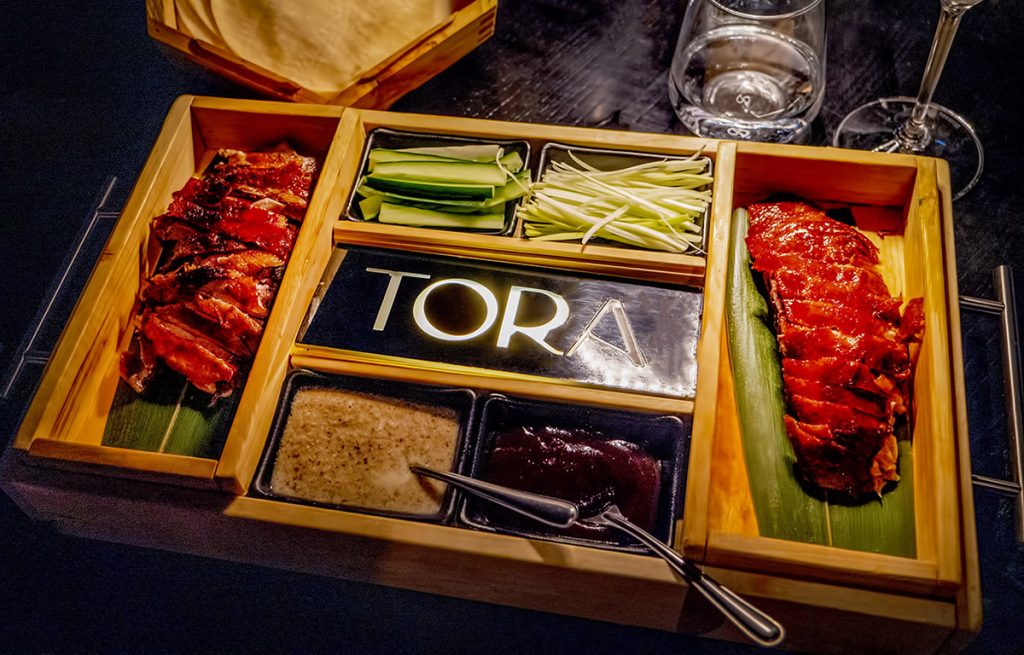
      Final Thoughts

      Menton offers an authentic French Riviera experience away from the crowds of Cannes and Nice. With its stunning natural beauty, rich cultural heritage, and welcoming atmosphere, this charming town provides the perfect blend of relaxation and exploration.

      Whether you’re interested in history, nature, cuisine, or simply soaking up the Mediterranean sun, Menton has something special to offer every visitor.

      Plan your visit to include these top attractions, and don’t forget to sample the local lemon specialties for the complete Menton experience. This hidden gem of the French Riviera is sure to capture your heart and leave you planning your return visit.

    3. Paros Explorer: Skippered Luxury Mediterranean Yacht Experience

      Paros Explorer: Skippered Luxury Mediterranean Yacht Experience

      Bottom Line: The Paros Explorer offers a week-long luxury Mediterranean yacht experience, sailing through the heart of the Cyclades. It combines excellent cuisine, and flexible itineraries that showcase the best of Greek island life. While the route may vary due to weather conditions, the overall experience delivers authentic Greek hospitality and unforgettable memories.

      Overview of the Paros Explorer Trip

      Ever wondered what it’s like to take a skippered sailing trip around the Greek isles? Read our full review to find out!

      The Paros Explorer is a 7-day luxury catamaran cruise by Yacht Getaways that takes guests through some of the most stunning islands in the Cyclades archipelago in Greece. Operating from Saturday to Friday, this fully inclusive sailing holiday accommodates 8-10 guests aboard modern catamarans ranging from 42-52 feet in length.

      Accommodation: Comfortable Cabins at Sea

      Cabin Configuration

      The luxurious catamarans accommodate 8-10 guests in a collection of comfortable cabin sizes, with four to six double cabins, each with their own ensuite. The fleet consists of modern vessels with thoughtful layouts designed for comfort and privacy.

      Cabin Features

      Each cabin serves as your “home away from home” for the week, featuring:

      • Private ensuite bathrooms in every cabin
      • Air conditioning throughout all accommodation
      • Individual cabin fans providing additional airflow and circulation
      • Towels and bedlinen provided for your stay
      • Adequate storage space with drawers and shelving for personal belongings
      • Blackout roof blinds that completely block morning sunlight, essential for comfortable sleep-ins after late nights exploring Greek nightlife
      • Mosquito blinds providing protection from insects while maintaining ventilation – particularly valuable when anchored near shore or in protected bays
      • Individual reading lights positioned perfectly for bedtime reading without disturbing your cabin mate
      • 12V charging points for electronic devices

      Cabin Size and Layout

      Cabins typically range from 8-12 square metres and come with ensuite shower rooms, air conditioning, sheets and blankets for comfort. The spaces are efficiently designed for maritime living and provide all necessary amenities for a comfortable week at sea.

      The catamaran design offers more stability and space compared to traditional monohull yachts, making it particularly suitable for those new to sailing holidays.

      Culinary Experience: Greek Flavours on the Water

      Included Meals

      The package includes daily breakfast and lunch provided onboard, one evening meal onboard your yacht, and wine or soft drinks served with your meals. The dining experience emphasizes fresh, local ingredients and traditional Greek flavours.

      Onboard Dining

      Your professional host takes care of meal preparation, ensuring guests enjoy quality cuisine without the hassle of cooking while on holiday. Breakfasts typically feature fresh fruits, bread, eggs, yogurt, pastries, and traditional Greek items, while lunches often include Mediterranean salads, grilled fish, and local specialties.

      Complimentary tea, coffee and drinking water are provided throughout the cruise, along with wine or soft drinks served with meals. A welcome drink kicks off the adventure, setting the tone for a week of Greek hospitality.

      Local Dining Opportunities

      While one dinner is included onboard, the itinerary provides ample opportunities to experience authentic Greek tavernas on shore. Each island offers unique culinary specialties, from fresh seafood in fishing villages to contemporary fare in coastal towns.

      The islands are dotted with traditional tavernas where the cuisine is exquisite, offering some of the finest dining in the Cyclades.

      Itinerary: Island-Hopping Through Paradise

      Flexible Route Planning

      Important Note: The itinerary and sailing route is subject to change dependent on weather and prevailing conditions. This flexibility ensures passenger safety and comfort, though it means some planned destinations may be substituted.

      For example, while Ios is typically included in many Cyclades itineraries, our particular sailing did not visit this island due to passenger preference.

      Day-by-Day Highlights

      Day 1 – Piso Livadi to Naoussa, Paros

      Your sailing adventure begins on Paros, an island that perfectly embodies the relaxed Greek island lifestyle. After meeting your crew at the picturesque port of Piso Livadi and settling into your cabin, you’ll embark on a gentle afternoon sail to the fishing village of Naoussa.

      This beautiful harbour town showcases classic Cycladic architecture with its cube-shaped white buildings, blue-domed churches, and narrow cobblestone streets. The port itself is particularly enchanting, lined with colourful fishing boats and waterfront tavernas that come alive as the sun sets.

      Day 2 – Naxos

      Naxos stands out as the largest island in the Cyclades, offering a diverse landscape that ranges from mountainous interior villages to expansive sandy coastlines. The island has a rich winemaking tradition rooted in ancient Greek mythology, making it an ideal place to experience local vintages at family-run wineries.

      Beyond its culinary offerings, Naxos rewards visitors with archaeological treasures, charming hilltop settlements, and some of the region’s most beautiful beaches – providing endless opportunities for both cultural discovery and relaxation.

      Day 3 – Koufonisia

      Your journey continues to Koufonisia, part of the smaller Cycladic islands that offer pristine waters and unspoiled natural beauty. This relaxed sailing day allows time to appreciate the dramatic coastlines and secluded anchorages that characterize these less-visited gems.

      The exceptionally clear waters around Koufonisia provide ideal conditions for swimming, while the unhurried pace gives you ample opportunity to soak in the serene island atmosphere.

      Day 4 – Schinoussa

      Schinoussa represents authentic Greek island living at its finest, with a peaceful atmosphere that feels worlds away from the busier tourist destinations. The island’s landscape features rolling hills dotted with traditional whitewashed buildings that cascade toward inviting beaches below.

      Whether you choose to explore the island’s walking paths or take a refreshing swim in the turquoise waters, Schinoussa offers the perfect setting for a restorative day.

      Day 5 – Ios

      Ios presents an intriguing contrast between serene natural beauty and vibrant nightlife. The island’s coastline features numerous pristine swimming spots and remnants of ancient civilizations waiting to be explored.

      A climb to one of the island’s elevated churches rewards visitors with sweeping views across the blue Aegean waters. When the sun sets, Ios transforms into a hub of nocturnal activity, with bustling tavernas and beach clubs.

      Day 6 – Antiparos

      Antiparos offers a refreshing change of pace with its spectacular underwater grottos perfect for swimming and snorkeling. The island’s village centre invites leisurely exploration along stone-paved streets lined with traditional Cycladic architecture.

      As your penultimate evening unfolds, gather with fellow travellers for an authentic Greek dinner featuring local specialties while sharing stories and memories from your week of island discoveries.

      Day 7 – Return to Paros

      The concluding day features a gentle return voyage with strategic stops at pristine locations. This unhurried final morning includes a farewell brunch and a cooling plunge into azure Mediterranean waters before the adventure draws to its natural close.

      Disembark at Piso Livadi with memories to last you a lifetime.

      Activities and Equipment

      The cruise includes 2 stand-up paddleboards and snorkelling equipment, allowing guests to actively explore the pristine waters around each anchorage. The professional crew is knowledgeable about the best swimming spots, hidden coves, and local attractions at each destination.

      One of the highlights of the Paros Explorer experience is the exceptional swimming opportunities both from the boat and from shore. The catamaran’s design makes it easy to slip directly into the crystal-clear Aegean waters from the stern platform, perfect for morning dips or cooling off during the heat of the day. Each anchorage is carefully selected for its swimming conditions, often in protected bays with stunning underwater visibility.

      For those like me who aren’t particularly strong swimmers, the boat is well-equipped with safety aids including pool noodles for buoyancy, life jackets for additional security, and a yellow floating safety line that is deployed when the current is strong. These thoughtful provisions ensure that guests of all swimming abilities can safely enjoy the magical experience of swimming in the Greek islands.

      Shore swimming offers a different but equally rewarding experience, with access to pristine beaches where you can swim from sandy shores or rocky outcrops. Many of the islands feature secluded coves and beaches accessible only by boat, providing an exclusive swimming experience away from crowds.
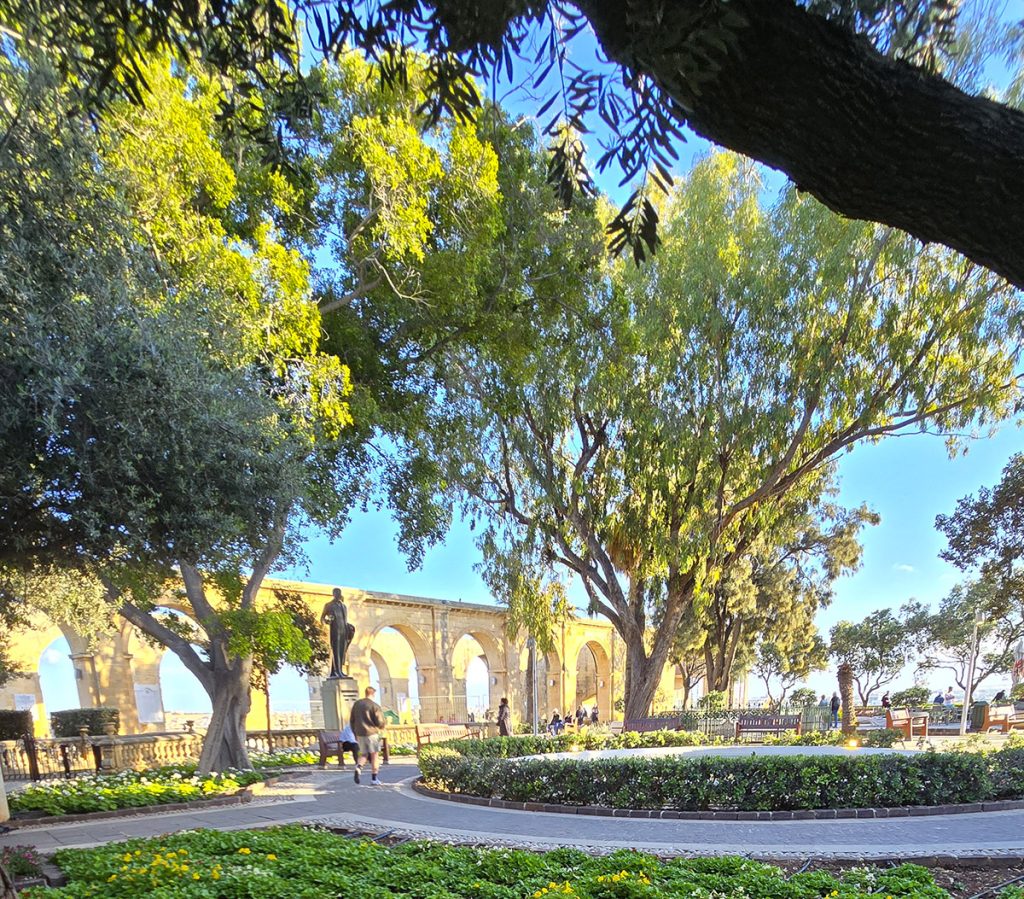
      Optional Island Activities

      One of the standout features of the Paros Explorer is the flexibility to enhance your experience with optional activities. You can either book activities in advance through the Yacht Getaways website during your reservation process, or decide closer to your travel date and have your host arrange everything for you – a convenient service that takes the stress out of planning.

      Our Koufonisia Adventure: All guests on our trip hired electric mountain bikes in Koufonisia, which proved to be an absolute highlight. The e-bikes allowed us to effortlessly explore the island’s rugged terrain, accessing uncrowded beaches that would have been difficult to reach on foot.

      The crown jewel of our cycling adventure was visiting the Devil’s Eye – a stunning natural pool formed by erosion that creates a perfectly circular swimming hole in the rocks. This unique geological formation, with its brilliant turquoise water surrounded by white limestone, provided some of the most Instagram-worthy moments of the entire trip.

      Available Activity Options Include:

      • Ios Cheese Tour – A culinary journey through local cheese-making traditions
      • Moraitis Winery in Naoussa – Wine tasting at one of Paros’s premier vineyards
      • Watersports in Ios – From jet skiing to parasailing for adrenaline seekers
      • Scooter hire on Antiparos – Perfect for exploring the island’s peaceful villages and hidden coves
      • St Anna Wine Tour on Naxos – Discover the island’s renowned wine-making heritage
      • Car hire on Ios – For those wanting to explore the island’s interior and remote beaches

      The beauty of this system is that your host can assess weather conditions, group interests, and available time to recommend the best activities for your specific itinerary, ensuring you make the most of each island stop.

      Weather Considerations and Route Flexibility

      One of the most important aspects to understand about the Paros Explorer is the route’s adaptability. While the standard itinerary includes specific islands, our experience highlighted how weather conditions and safety considerations can influence the actual destinations visited.

      For instance, we skipped Ios, which appeared in our original Cyclades sailing routes. Our fellow passengers preferred to spend more time in Paros and Antiparos.

      This flexibility ultimately enhances the safety and comfort of the experience. The professional skippers prioritize passenger well-being and optimal sailing conditions over rigid adherence to a predetermined route.

      As you’re sailing during the day, and there’s plenty of wind in the Cyclades, it doesn’t get too hot. By the time you go onshore in late afternoon or early evening, temperatures have cooled down making it much more pleasant to explore.

      Professional Crew Experience

      RYA-qualified Skipper & professional Host are included in every charter, ensuring both safety and hospitality throughout the journey. The crew’s local knowledge proves invaluable for discovering hidden gems, recommending the best local restaurants, and sharing insights into Greek culture.

      Our skipper Angus exemplified everything you could want in a sailing holiday captain. His RYA qualifications were evident not just in his seamless navigation through the Cyclades, but in his ability to read weather conditions and make smart routing decisions that prioritized both safety and guest experience.

      Angus possessed an encyclopedic knowledge of the local waters, knowing exactly which secluded bays offered the best swimming, where to find protection from afternoon winds, and which anchorages provided the most stunning sunset views. He was always happy to share sailing techniques with those interested in learning the ropes.

      His decision-making regarding our route changes due to weather was always clearly communicated and ultimately led us to discover hidden gems we might not have found on a more rigid itinerary.

      Georgia, our chef and host, brought a warm, engaging personality that made every guest feel welcome and included. Her culinary skills went far beyond the standard charter experience – each meal was thoughtfully prepared using fresh, local ingredients sourced from markets at each port of call.

      Georgia’s breakfasts featured perfectly ripe local fruits and tasty egg dishes that set the perfect tone for each day. Her lunches consistently impressed with dishes like fresh ceviche and traditional Greek salads with feta.

      Our host’s teamwork was evident during our evening onboard dinner, where Angus anchored us in a protected bay with stunning views of the full moon and Georgia prepared a feast that rivalled the best restaurants on the islands.
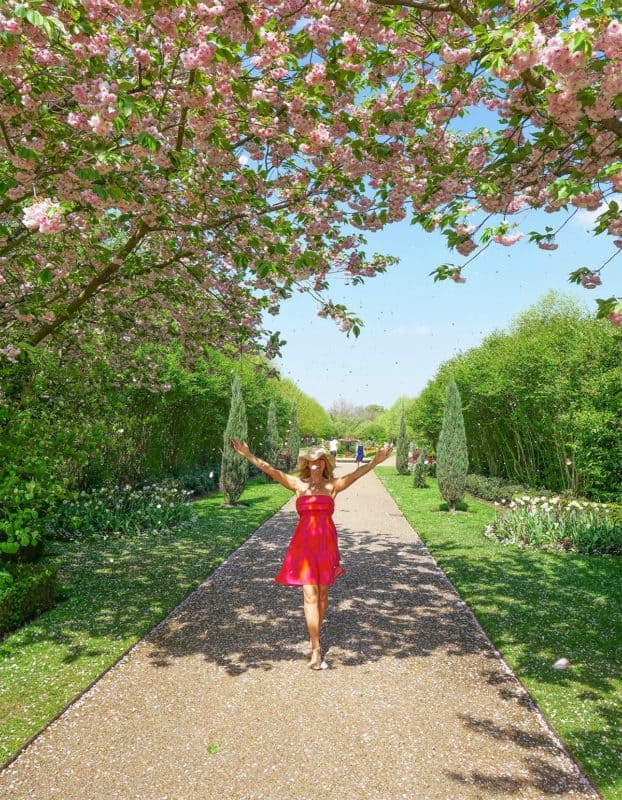
      Value and Inclusions of this Luxury Mediterranean Yacht Experience

      Starting from €1,963 per person, the Paros Explorer offers comprehensive value with 6 nights accommodation on your own Catamaran, daily breakfast and lunch provided onboard, one evening meal onboard your yacht, welcome drink, wine or soft drinks served with your meals, bath towels and fresh linen for the week.

      Additional costs include a local payment of €280 per person that covers all your yacht’s running costs, including marina fees, local taxes, fuel, the damage deposit waiver, and the charter pack.

      Packing Tips for Your Paros Explorer Adventure

      Water shoes are absolutely essential for this sailing holiday. The rocky coastlines and pebbly beaches of many Greek islands can be challenging to navigate barefoot, and water shoes provide protection and grip for exploring tide pools and rocky areas.
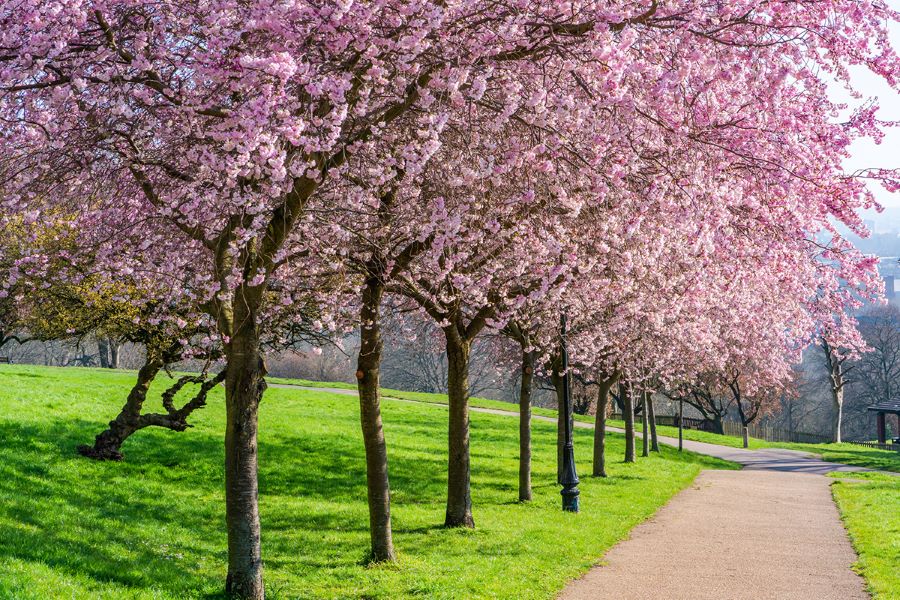
      Packing cubes are a game-changer for catamaran living. With limited cabin storage space, these organizational tools help maximize every inch of your luggage while keeping items easily accessible. Use different cubes for swimwear, evening clothes, and daywear to streamline your daily routine.
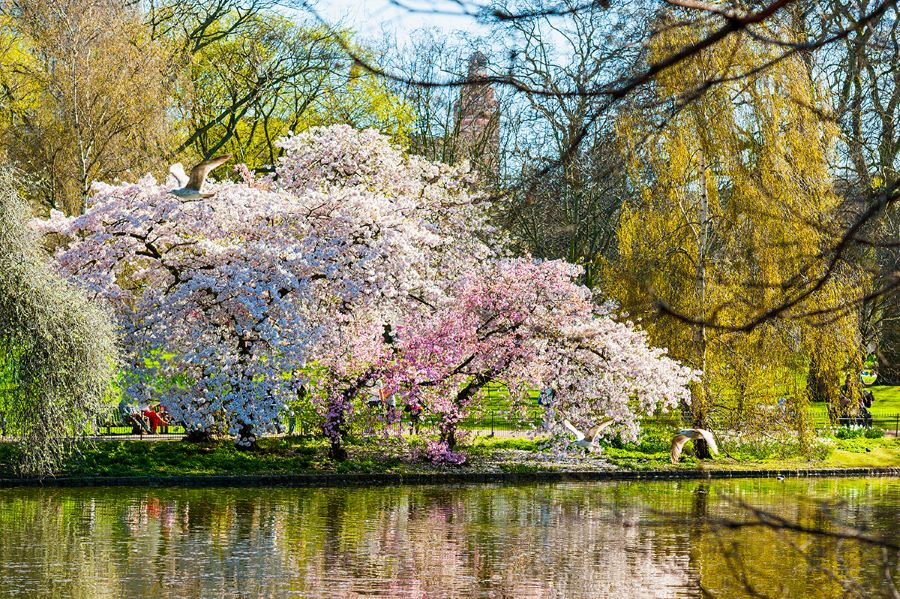
      Foldable duffel bags are highly recommended over hard-shell suitcases. Not only do they fit more easily into cabin storage areas, but they can be compressed when empty and are perfect for bringing home souvenirs and local purchases. The flexible nature of duffel bags makes them much more practical for the confined spaces of yacht cabins.

      Eco-friendly toiletries are not just environmentally responsible but practically important when swimming in pristine Greek waters. Biodegradable soaps, reef-safe sunscreen, and solid shampoo bars reduce your environmental impact while ensuring you can enjoy guilt-free swims in the crystal-clear Aegean.

      Additional Packing Essentials

      • Quick-dry towels in addition to the provided bath towels
      • Kaftan, coverup or t-shirts to avoid sunburn
      • Waterproof phone cases for capturing underwater memories
      • Light layers for cooler evening sailing
      • Seasickness remedies although we thankfully didn’t need them!
      • Reusable water bottles to stay hydrated throughout long sailing days

      How to Get to Paros

      Getting to Paros for your Yacht Getaways adventure is straightforward, with several convenient options to suit different travel preferences and schedules.

      Flight Options

      Athens to Paros: The most direct route is flying from Athens International Airport to Paros National Airport. These domestic flights operate regularly during the sailing season and take approximately 45 minutes, making it an efficient option for those wanting to maximize their time on the islands.
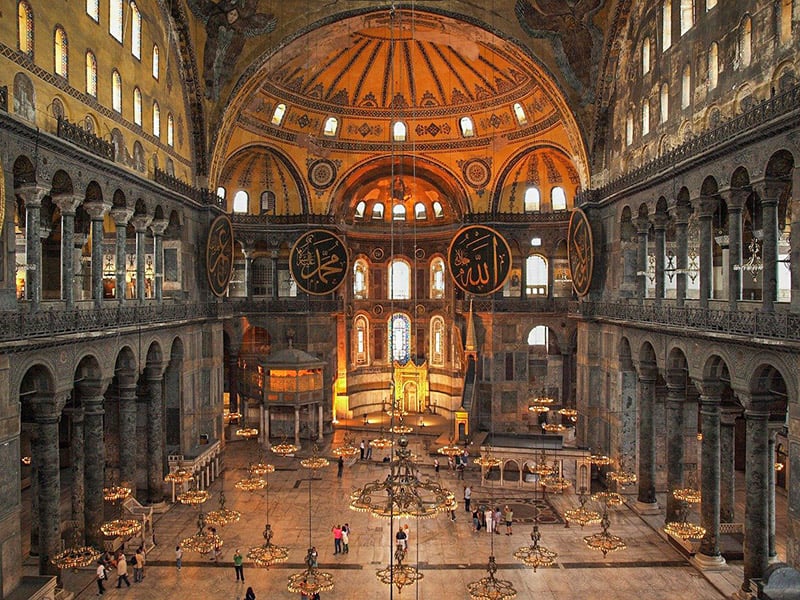
      Ferry Routes

      Athens to Paros: Ferry services operate from both Piraeus Port (Athens’ main port) and Rafina Port to Paros. The journey takes approximately 3-4 hours depending on the ferry type, with both conventional and high-speed catamaran services available. This option allows you to enjoy scenic views of the Aegean islands during your approach.
      Mykonos to Paros: This was our chosen route, and it proved to be an excellent decision. The ferry journey between Mykonos and Paros takes just 45 minutes to 1 hour, making it perfect for those who want to experience multiple Greek islands or are arriving via Mykonos’s well-connected international airport. The short crossing gives you a taste of island-hopping before your main sailing adventure begins, and the frequent daily services provide flexibility in your travel planning.

      Regardless of your chosen route, it’s advisable to book ferry tickets in advance during peak season (July-August) to secure your preferred departure times.

      Who Should Book This Experience

      The Paros Explorer is ideal for:

      • First-time sailing holiday guests seeking a guided introduction to Greek island life
      • Groups of friends or couples looking for a shared luxury experience. On our yachting trip, there was a family of four from Canada and a couple from New Zealand. Everyone was very friendly.
      • Travelers seeking authentic Greek culture away from the crowds of Santorini and Mykonos
      • Those who value flexibility and don’t mind itinerary changes based on optimal sailing conditions

      Final Verdict

      The Paros Explorer delivers an exceptional introduction to the Greek islands, combining the romance of sailing with the comfort of modern catamaran amenities. The overall experience of island-hopping through the Cyclades, enjoying traditional Greek hospitality, and relaxing aboard a luxury vessel creates memories that will last a lifetime.

      The combination of professional crew, quality accommodation, excellent food, and stunning destinations makes this a standout choice for those seeking an authentic Greek sailing holiday. Just remember that the journey itself – not just the destinations – is very much part of the magic.

      Yacht Getaways: Beyond the Paros Explorer

      For those inspired by the Paros Explorer experience, Yacht Getaways offers an extensive range of sailing holidays across multiple destinations. In Greece, you can also explore the Ionian islands with cruises departing from Corfu and Lefkada.

      Their Croatia program includes traditional sailing holidays, unique cycling cruises that combine island-hopping with onshore biking adventures, and family-specific cruises designed for travelling with children. For those wanting to extend their island experience, Yacht Getaways also offers Sail and Stay packages that combine your catamaran adventure with additional land-based accommodations.