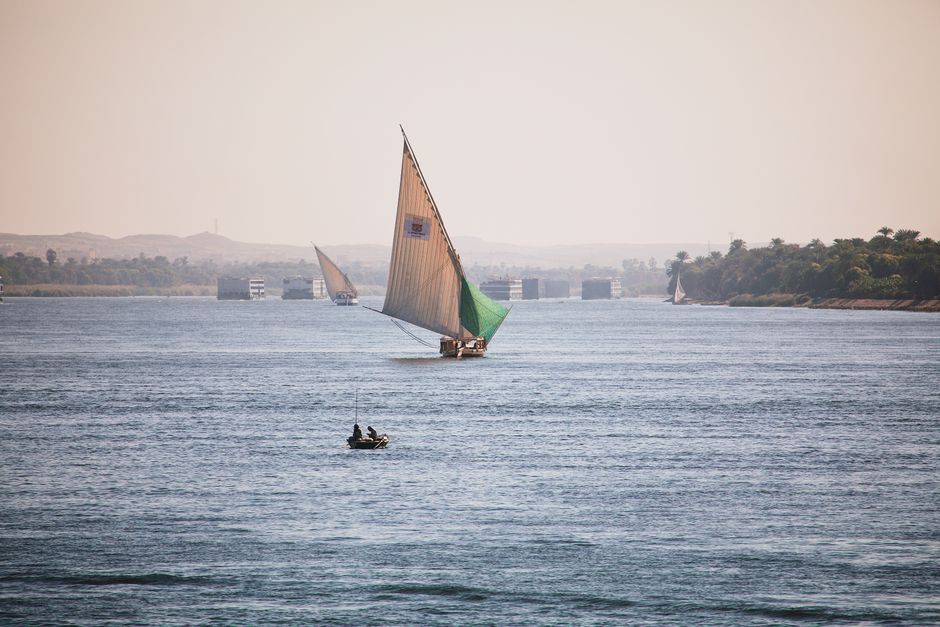
You arrive in Luxor before breakfast, the air still cool enough for a linen shirt, and find the Nile moving past the hotel terrace with almost no sound. Later, the temple stones will be hot, the light will turn honey-coloured, and a felucca will drift past as if the river has all the time in the world.
The journey between Luxor and Aswan works best when you stop treating it as a checklist. The temples matter, but so do the quiet hours between them: tea on a shaded deck, a village shoreline, a late sail, or a walk before the roads fill. The Nile rewards that pace.
How to Read the Nile Between Luxor and Aswan
Luxor feels expansive and layered, with temple complexes, tombs and two very different riverbanks. Aswan feels softer and more intimate, shaped by islands, granite, palms and Nubian culture. The route between them becomes memorable when you allow each place to keep its own character.
Luxor is the archaeological anchor
Begin in Luxor if ancient history is the main reason for the trip. The east bank gives you Karnak and Luxor Temple, along with easy access to restaurants, markets and evening walks beside the river. The west bank is quieter and more atmospheric.
Visit the west bank early. The tombs are more enjoyable before the strongest heat, and the scale of the landscape becomes easier to understand when you are not moving through it in a crowd. Leave room for a second morning rather than trying to see every site in one sweep. The best Luxor days have a deliberate pause between the first temple and the next stop.
Aswan is the graceful counterpoint
Aswan asks for a different mood. Its appeal lies less in a long list of monuments and more in the combination of water, rock, gardens and warm evening light. A stay near the river lets you watch boats cross the current and makes a felucca outing feel like part of daily life rather than a separate excursion.
Philae deserves a calm visit, especially if you can arrive when the light is gentle. The temple setting on an island gives the site a sense of theatre, but the boat journey is part of the experience.
A River Itinerary That Leaves Room for the River
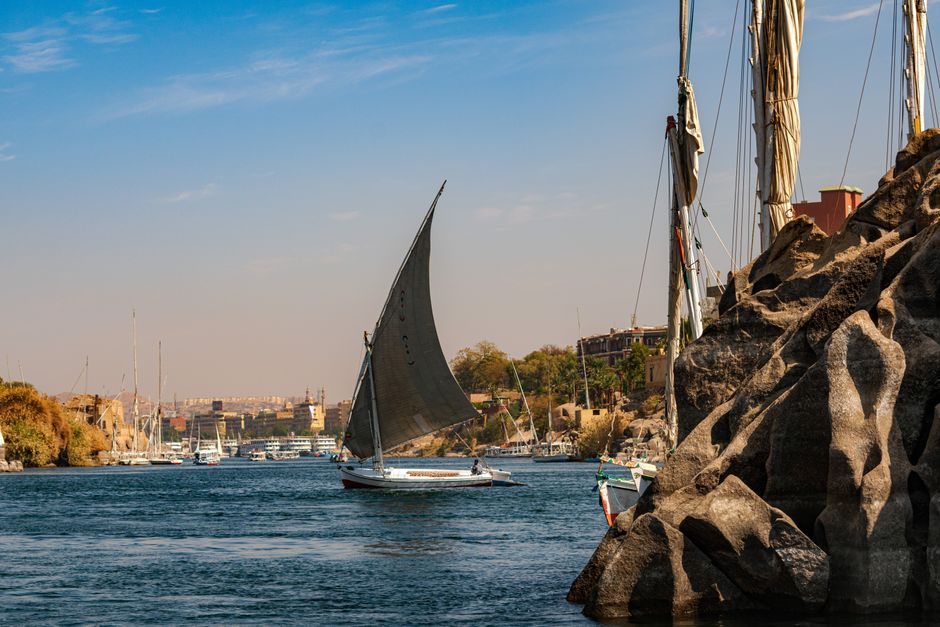
A good Nile itinerary has a visible structure, but it should not feel over-managed.
Build the route in this order
- Start with Luxor. Give yourself an arrival period before visiting the largest temple complex. A slow first evening helps you adjust to the heat, traffic and scale of the place.
- Visit the west bank early. Pair the Valley of the Kings with one nearby site rather than trying to complete every tomb and temple in a single morning. The quality of attention matters more than the number of entrances.
- Use a separate morning for Karnak. Its courtyards and columns need time. Rushing through it after several other visits turns a remarkable place into a blur of stone.
- Make the river crossing part of the day. A local boat, a felucca or a quiet riverside walk can give the itinerary a needed change of pace.
- Move south without overloading the transfer day. Keep the first evening in Aswan light. Arrive, settle in, find the river and let the city introduce itself.
- Place Philae on its own schedule. The island setting deserves more attention than a quick stop between other excursions.
- Finish with open time. Leave a final morning for a garden, a village visit, a market walk or another sail. The last unplanned hours often carry the strongest sense of place.
Use a daily rhythm that can survive real travel
Wear light layers, carry water and keep a scarf or overshirt for bright sun and more covered temple spaces. Comfortable sandals are fine for relaxed days, but proper walking shoes help around uneven stone and dusty paths.
Do not schedule a private guide, a boat, a temple transfer and a formal dinner with no space between them. That looks efficient on paper and feels exhausting on the ground. The Nile is not a destination where you need to fill every hour. A shaded hour beside the water can be more valuable than one more rushed stop.
Which Season Works Best for Temples and Feluccas?
The best season depends less on an abstract perfect month than on how you handle heat, crowds and light.
When are the temple days most comfortable?
Cooler months suit travellers who want to walk through large archaeological sites without building the entire day around shade. Mornings can feel crisp, so pack a light layer that you can remove later. The air often looks especially clear, and the low sun gives the stone a richer colour.
Warmer months still work for a river-focused trip, but the plan must change. Visit outdoor sites at first light, rest indoors during the brightest hours and save sails or gentle walks for late afternoon.
When does the river feel most inviting?
Felucca outings are usually most pleasant when the breeze is kind and the light is low. Bring a layer for the return journey, even after a warm day. The boat may be simple, and that is part of its charm: there is no need for a large programme when the shoreline, sails and changing sky provide the entertainment.
Wind can alter the feel of a sailing day, so keep one alternative ready. A garden visit, a quiet museum, a long lunch or a short island walk can replace a sail without damaging the itinerary. The best plans have a little flexibility built in because the river should set the pace occasionally.
Local Etiquette and Mistakes That Change the Experience
Small choices that make the days smoother
- Dress lightly but with respect at temples, villages and religious sites. Loose trousers, longer skirts and shoulders covered with a breathable layer make the day easier for everyone.
- Ask before photographing people, especially children, workers and anyone in a private setting. A friendly conversation is not automatic permission for a portrait.
- Carry small tissues and hand sanitiser because facilities vary between sites and boats.
- Keep temple visits focused. A local guide can explain the stories, symbols and changes that are easy to miss when you move alone.
- Learn a few polite Arabic greetings. Even a small attempt changes the tone of an exchange.
- Leave room for negotiation in markets and boat arrangements, but keep the tone warm. Firm does not need to become hostile.
