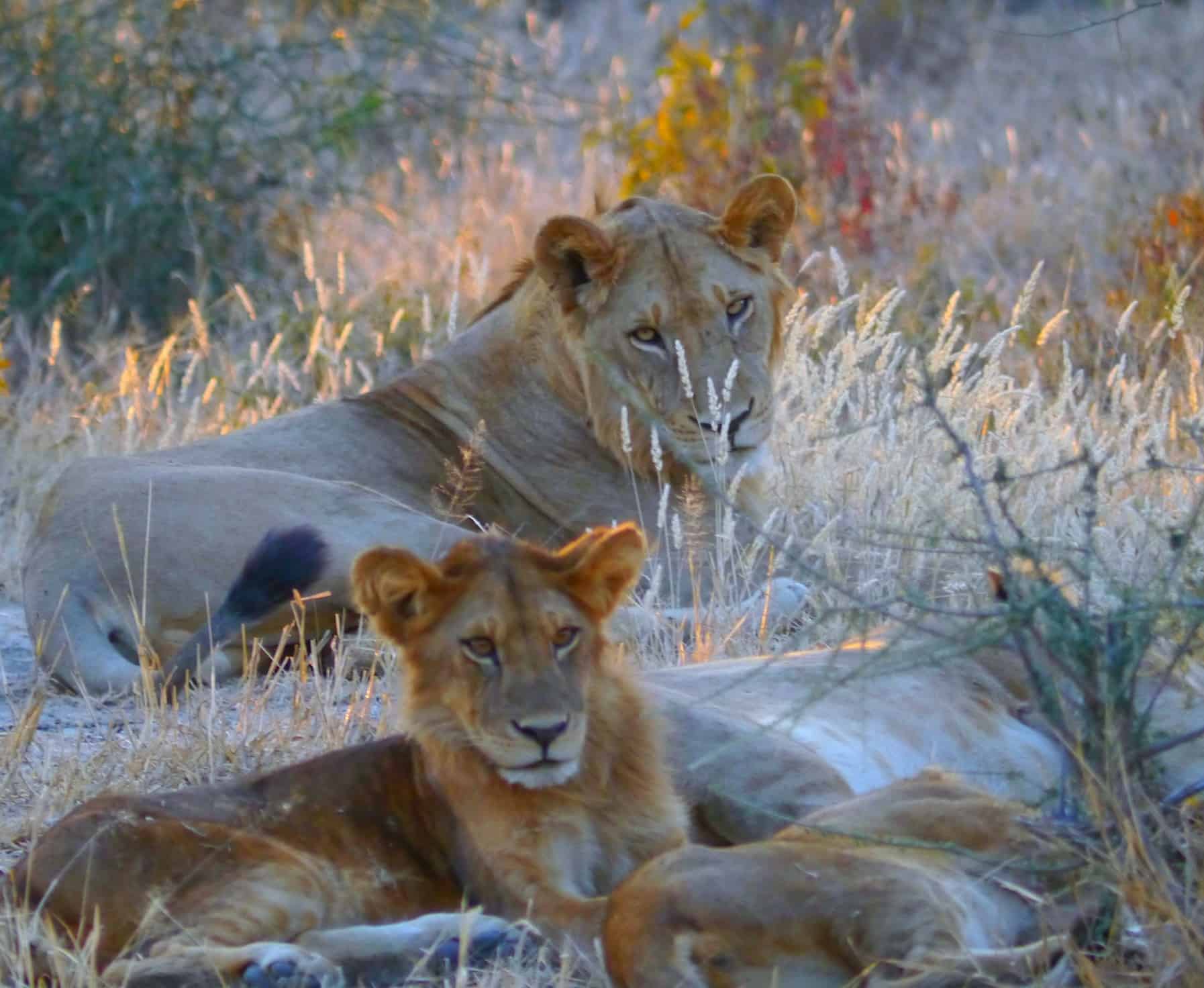
The False Choice Most Tanzania Travelers Make
Everyone assumes this is an either/or. Safari or beach. Wildlife or water. Pick one and miss the other.
That framing is wrong. Tanzania is one of the few places on earth where the combination isn’t a stretch — it’s just geography.
What the Map Actually Shows
The Serengeti sits in Tanzania’s northwest. Zanzibar floats off the east coast in the Indian Ocean. Coastal Aviation and Precision Air both operate scheduled flights connecting Arusha’s bush airstrips to Zanzibar International Airport in under two hours. You can watch a lion hunt at 6 AM and be sitting on a white-sand beach before sunset — same day, same trip, no exotic logistics. The parks and the island don’t compete. They complement each other in terms of pacing and energy in a way that feels deliberate.
The Real Question
The debate isn’t whether to combine safari and beach in Tanzania. The debate is how to sequence them so you don’t undercut either experience. Get the order wrong and both suffer. Get the timing wrong and you’re fighting weather on both ends. The framework matters more than people admit — and most online itineraries get it backwards from the start.
How to Build a Safari-Beach Itinerary That Actually Works
The rule is simple: safari first, beach second. Not the reverse.
Safari demands 5:30 AM wake-ups and full days outdoors in vehicles. After five or six days at that pace, Zanzibar’s beach rhythm feels like a genuine earned reward. Go beach-first and you’ll arrive at your first game drive slow and sun-lazy, already recalibrated to vacation mode. The early wildlife window — the hour just after dawn when predators are most active — gets wasted on people who stayed up too late the night before. That sounds minor. It costs real sightings.
The Northern Tanzania Safari Circuit
Fly into Kilimanjaro International Airport (JRO) near Arusha. The standard northern circuit hits three parks, each with a distinct character:
- Tarangire National Park: Tanzania’s best elephant watching. Herds of 50–200 animals move through baobab woodland year-round. Less crowded than the Serengeti and an excellent calibration point before the main event.
- Ngorongoro Conservation Area: A collapsed volcanic caldera containing one of earth’s densest predator populations. Roughly 50 wild black rhino live inside the crater — one of the only accessible places remaining to see them. High lion, leopard, hippo, and elephant concentrations in a compact area that allows close, sustained viewing.
- Serengeti National Park: 14,763 square kilometers of grassland, woodland, and river systems. Home to the Great Wildebeest Migration — 1.5 million animals in a continuous annual circuit. The northern section near the Mara River hosts the famous crossings July through October.
Budget reality: mid-range camps like Ubuntu Camp and Serengeti Under Canvas run $350–600 per person per night, including meals and two daily game drives. Serengeti park entrance fees add $70–85 per person per day on top. Luxury options — Singita Sasakwa Lodge and the Four Seasons Serengeti — start at $1,200–2,500 per person per night. There is no cheap way to stay inside the national park. Budget travelers need to factor this honestly or accept staying outside park boundaries with longer transit times to sighting areas.
Five or six game drive days minimum. Three feels rushed. Seven starts to feel repetitive unless you’re doing serious wildlife photography or tracking specific predator groups across multiple zones.
Getting from Safari to Zanzibar
Coastal Aviation operates scheduled flights from bush airstrips inside the Serengeti directly to Zanzibar International Airport (ZNZ). Journey time: under two hours. Cost: $220–350 one way depending on season and booking lead time. Precision Air offers connecting service via Julius Nyerere International Airport in Dar es Salaam — adds transit time but sometimes offers lower fares.
Skip the overland option. Getting from Arusha to Dar es Salaam and catching the Kilimanjaro Fast Ferry to Zanzibar takes the better part of two full days. The flight is worth every dollar.
Where to Stay in Zanzibar
Zanzibar’s main island (officially Unguja) has three distinct zones worth knowing before you book:
Nungwi (north coast): Calm, swimmable water year-round due to the tidal geography here — the only area of Zanzibar where you can reliably enter the ocean regardless of low tide. Zuri Zanzibar in nearby Kendwa runs $500–700 per night. Kilindi Zanzibar, set on a hillside with Indian Ocean-view bungalows, sits at $400–600.
Paje (east coast): Consistent southeast winds June through October make this the Indian Ocean’s top kitesurfing destination. Wide, photogenic beach with a younger, more casual crowd. Baraza Resort in neighboring Bwejuu: $250–400 per night, with access to a sheltered lagoon that works well for non-surfers.
Stone Town (west coast): UNESCO World Heritage Site. Narrow Swahili streets, the Darajani spice market, the Freddie Mercury birthplace museum, and the old slave market site. Worth half a day minimum — this is a genuinely distinct urban environment, not a beach add-on.
Safari vs Beach in Tanzania: Side-by-Side
What the Numbers Show
| Factor | Serengeti Safari | Zanzibar Beach |
|---|---|---|
| Best months | June–Oct (river crossings), Jan–Feb (calving season) | June–Oct, Dec–Feb |
| Daily rhythm | 5:30 AM starts, full days in vehicles | Self-directed, fully flexible |
| Minimum days needed | 5–6 days | 3–4 days |
| Mid-range nightly cost | $350–600/person (all-inclusive) | $150–300/night |
| Luxury ceiling | $1,200–2,500/person/night | $400–800/night |
| Signature experience | Mara River wildebeest crossings | Mnemba Atoll reef, Stone Town, Paje kite season |
| Physical demand | Moderate (rough tracks, early mornings) | Low |
| Flight from Arusha | Direct to bush airstrips in-park | ~2 hrs via Coastal Aviation |
What the Table Doesn’t Capture
Safari is harder to replicate elsewhere. Good beaches exist across Southeast Asia, the Mediterranean, and the Caribbean. The Serengeti ecosystem exists in East Africa and nowhere else. If time or budget genuinely forces a single choice, safari wins on irreplaceability — full stop.
But if you’re already making the trip to Tanzania, skipping Zanzibar entirely because you’re “not a beach person” misreads what the island actually is. Stone Town’s Swahili architecture, the intact coral reefs around Mnemba Atoll, the spice farms — none of it is about lying on a towel. It’s a distinct cultural and natural environment, accessible from safari in two hours, and it costs less per night than almost any comparable Indian Ocean destination.
The Best Timing for a Tanzania Safari-Beach Combo
Is June Through October the Right Window?
Yes. Both destinations peak simultaneously during Tanzania’s dry season. The Serengeti’s northern section near the Mara River sees wildebeest herds of 50,000+ pushing across crocodile-filled water July through October — arguably the most dramatic wildlife event on earth, and the one most people have in mind when they plan this trip. At the same time, Zanzibar’s southeast trade winds keep the island dry and breezy, with ideal conditions for swimming, snorkeling, and reef diving.
July and August are the busiest months on both ends. Book safari camps 6–9 months ahead for this window. Prices run 20–30% above shoulder rates. Popular crossing viewpoints in the northern Serengeti attract multiple vehicles during high season — still spectacular, but not private.
What About January and February?
Underrated, and often the better value. The southern Serengeti’s Ndutu plains host the wildebeest calving season January through March. Roughly 500,000 calves arrive in a six-week window. Predator concentration during calving is the highest it gets all year — lions, cheetahs, leopards, hyenas, and wild dogs all concentrate around the calving zone. Fewer vehicles than July–August. Lower camp prices across most properties.
Zanzibar in December through February is excellent on the north coast. The northeast monsoon (locally called kaskazi) brings warm, dry weather to Nungwi and Kendwa. Avoid the southeast coast in January — the southwest swell makes swimming rough on that side of the island specifically.
When to Avoid
March through May. Tanzania’s long rains make most Serengeti tracks genuinely impassable in places, wildlife disperses because water is available everywhere, and animal concentrations dissolve. Zanzibar gets sustained heavy rain and rough seas simultaneously. Prices fall, but they reflect the experience accurately. November (the short rains) is manageable — real deals available — but unpredictable: some travelers get clear weather, some get a week of daily afternoon storms. It’s a gamble with no upside that doesn’t exist in other windows.
Five Mistakes That Ruin Tanzania Combo Trips
The Planning Errors That Hurt Most
- Too few days on safari. Four days sounds like enough until you lose one to a bush airstrip delay and another to fog closing a morning game drive early. Book six days minimum. The fifth and sixth drives are often when patience pays off — predators reveal consistent behavior patterns once you’ve been stationary and quiet long enough. Three-day safaris mostly produce vehicle-window photographs, not genuine encounters with animal behavior.
- Beach before safari. Already addressed, but it keeps happening. Safari demands focus and early mornings. Arrive while you’re still sharp. Save the beach exhale for the end of the trip, where it actually functions as a reward rather than an obstacle.
- Skipping Ngorongoro Crater. The crater is a 30–45 minute detour off most Serengeti routes. It contains one of the densest wildlife concentrations in Africa and one of the only accessible wild black rhino populations remaining. Missing it to save driving time is a decision most travelers regret immediately after they hear what others saw inside. The rhino sighting alone is worth it.
- Booking Zanzibar accommodation based on price alone without checking the map. Several budget guesthouses in Stone Town sit 40–50 minutes from any swimmable beach. Open Google Maps before booking and verify the actual distance from ocean access — not just the town name listed in the property description.
- No buffer day before international departure. Domestic flight delays happen routinely in Tanzania. Missing a connection from Zanzibar to Nairobi, Doha, or Dubai because the Serengeti bush flight ran late is expensive and completely avoidable. One buffer day before your outbound international flight is non-negotiable risk management, not wasted time.
The Alternative Worth Knowing About
If diving matters more than beach relaxation, skip Zanzibar and go to Mafia Island instead. It sits south of Dar es Salaam inside a protected marine park. Whale shark encounters peak October through March. The reefs are largely untouched. Almost no other tourists, no resort infrastructure, no nightlife. Charter flights from Dar cost roughly $150–200 each way. Mafia Island beats Zanzibar on pure underwater experience — it’s the right call for serious divers who care more about what’s below the surface than above it.
How Many Days You Actually Need for Both
Seven days isn’t enough. That’s the honest answer most agents avoid because it complicates the sale.
The 10-Day Minimum
Six days for the northern circuit — Tarangire, Ngorongoro, and the central or northern Serengeti. Four days in Zanzibar. You get two full beach days, a half-day in Stone Town, and one excursion to Mnemba Atoll or a spice farm. Tight but functional. Don’t reduce this to nine days; the buffer-day requirement before international departure makes nine days genuinely risky if your outbound flight is on day nine.
The Better Version: 12 to 14 Days
Extend safari to seven or eight days and you can cover both the central Serengeti and the northern Mara River zone without rushing between them. In Zanzibar, splitting nights between Nungwi and Paje gives you the contrast between calm swimming water and the kitesurfing atmosphere. You can also add a day charter to Pemba Island (~$150–200 each way), which has some of the most pristine and uncrowded diving in the entire Indian Ocean and essentially no tourist infrastructure by design.
Tanzania rewards longer stays. The parks are large, the distances are real, and animals don’t compress their behavior into short windows. The shift in East African travel has been moving toward fewer camps and more days at each — and in Tanzania specifically, that approach returns far better experiences per dollar than rushing through three parks in four days. Two weeks is when this country starts revealing what it actually is.
