Category: Asia

  • 12 Luxurious Things to Do in Oita, Japan

    12 Luxurious Things to Do in Oita, Japan

    Japan is well known for its capital city, Tokyo and for Kyoto and Osaka yet it has many hidden gems that will surprise and delight visitors. One such gem is the island of Kyushu and the region of Oita Prefecture. With the most natural hot springs in Japan and stunning mountain ranges, there are some great things to do in Oita, Japan.

    The Best Things to Do in Oita, Japan

    Oita Prefecture hosted several of the Rugby World Cup 2019 matches, which helped to put this hidden gem firmly on the map. Oita Prefecture’s slogan is Japan’s best hot spring hot spot as it has 4,381 hot springs, together with the largest annual yield of hot spring water.

    1.Nakatsu City

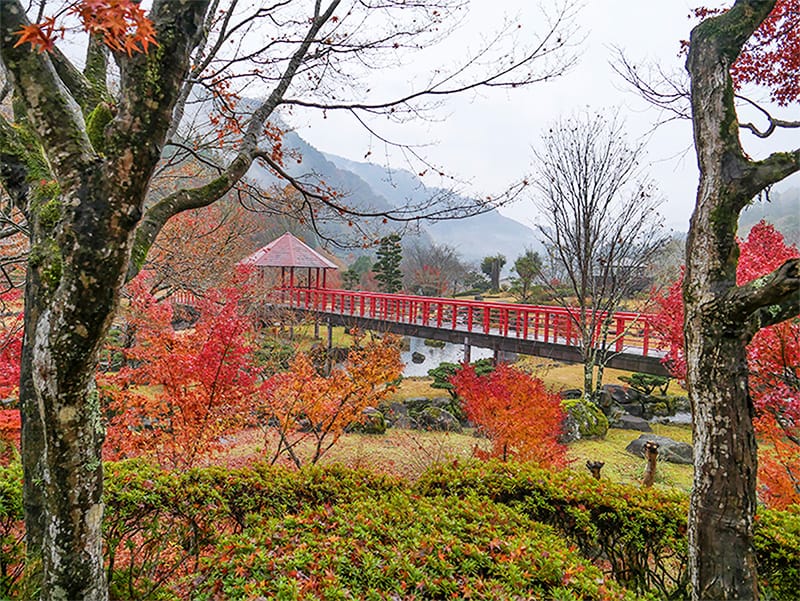
    Start your tour of Oita in Nakatsu City, which has a distinctive 8 arched bridge.
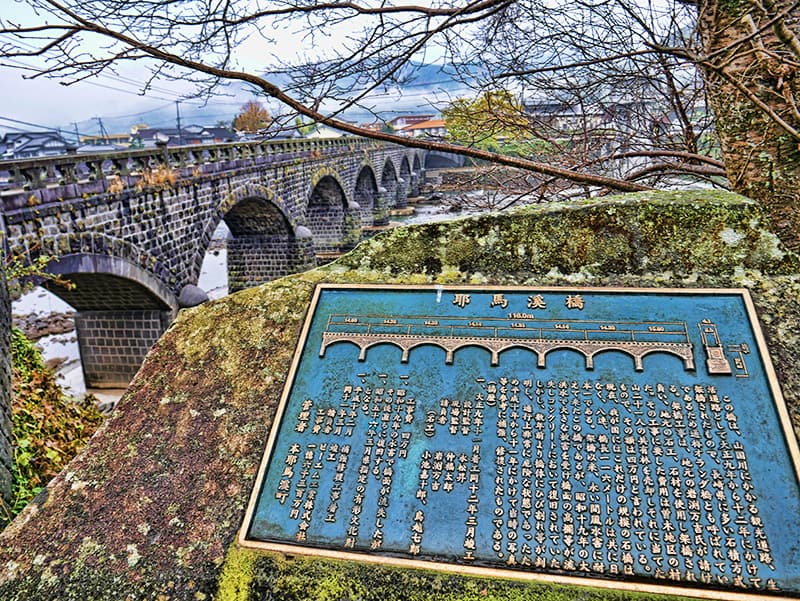
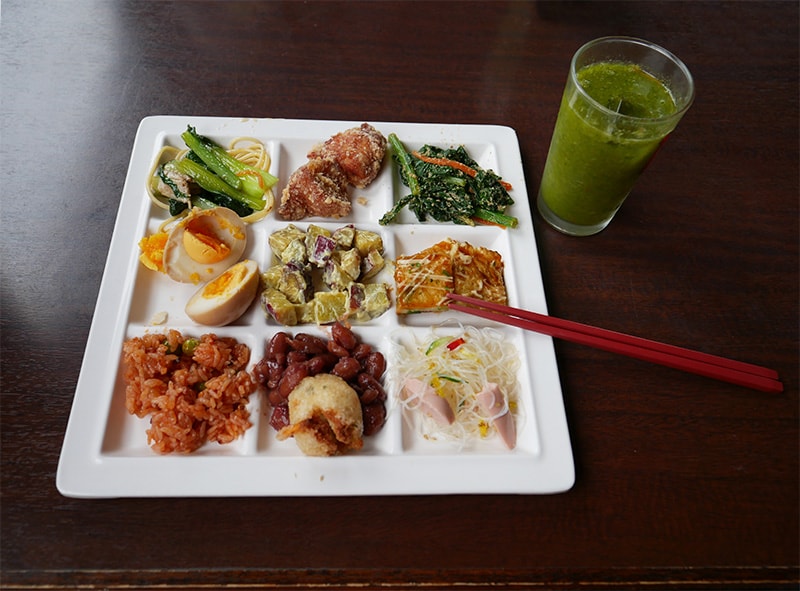
    Close by, Farmer’s Restaurant Domon Patio is a great place for lunch. It’s run by local women who have prepared delicious local dishes.

    Try the vegetable juice drink which was so tasty that I had 3 glasses! The dishes are all laid out buffet style and there’s an extensive choice. The cooks smile and said goodbye to you as you leave.
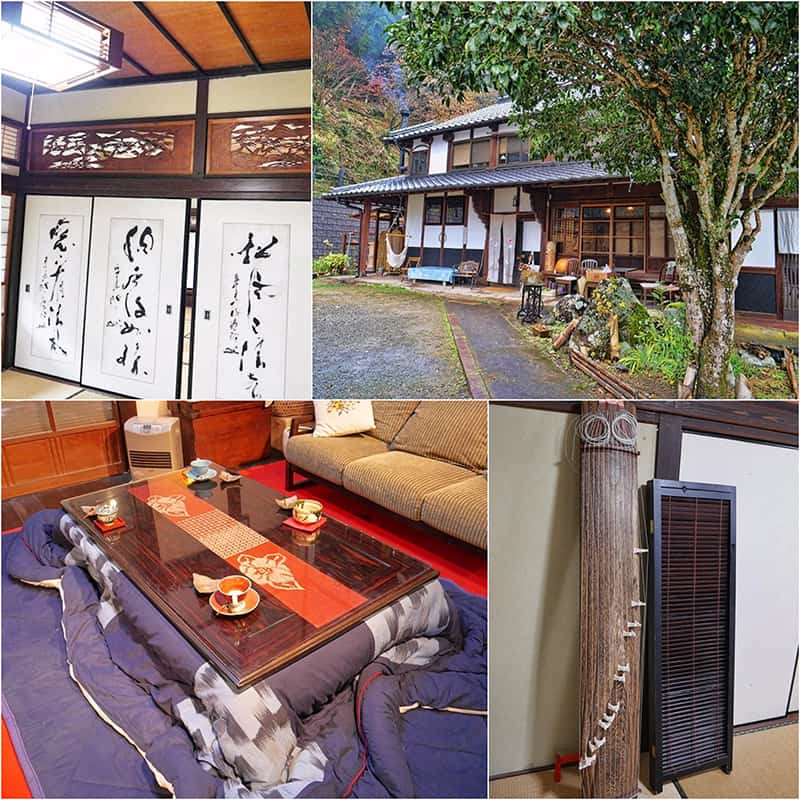
    After lunch, why not visit a traditional Japanese house, with it’s cosy kotatsu mattress table which has a heat source underneath and keeps your feet warm. In the one we visited, there was also a koto, a musical instrument that the daughter of the house played.
    2.Ao-no-domon Cycling Center

    Your next port of call is Ao-no-domon Cycling Center. One of the most fun activities in Oita, bicycling is popular with locals and tourists alike.

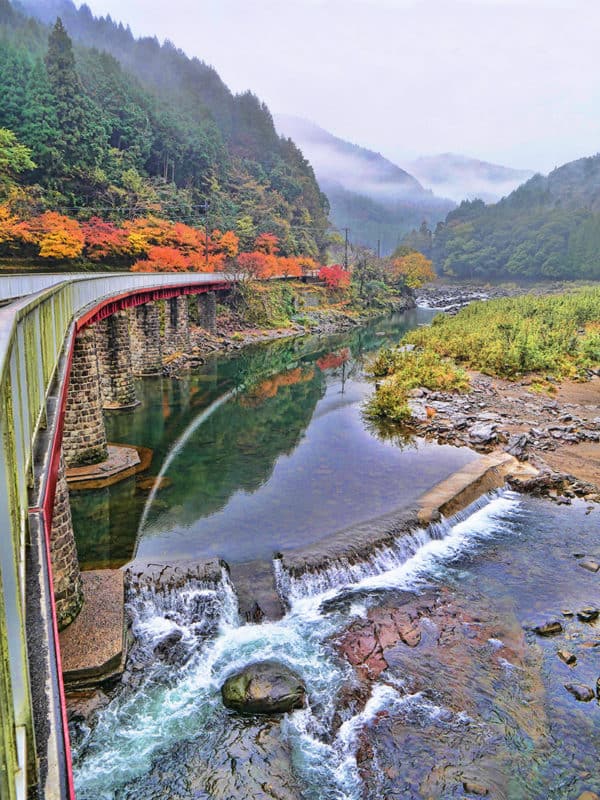
    They come to enjoy the Maple Yaba Cycling Road in Nakatsu-Yabakei Gorge. This 35 km track is reserved is built on an old rail track, reserved for bikes only and passes by scenic spots such as Yabakei Bridge.

    There are three places from which to rent bikes including Yabakei Cycling Terminal. It has a variety of bikes to choose from including all-terrain cycles and even a tandem.

    The bikes are great fun to ride, with low handlebars and a comfy padded leather seat. Thankfully there are plenty of gears to help tackle any inclines. Having said that, the cycling route is fairly pain free.

    For those who prefer to avoid any hills, you can cycle down one way and get a driver to pick you up at the other end rather than doing a loop. We’d definitely recommend this cycle ride to all nature lovers and those keen on sport.
    3.Yabakei Dam Memorial Gardens

    After this, head to Yabakei Dam Memorial Gardens in Keisekien. These traditional Japanese gardens were made into a park when the nearby dam was constructed. There are some huge koi carp in the little lake and the moss growing there is particularly rare – some people visit the gardens just to see it.

    4.Mameda Town

    From here, travel on to the area of Hita and Mameda Town, known for its old merchant houses. The town was governed by the Tokugawa Shoguns in the Edo era from 1603 to 1867 and now has heritage status.

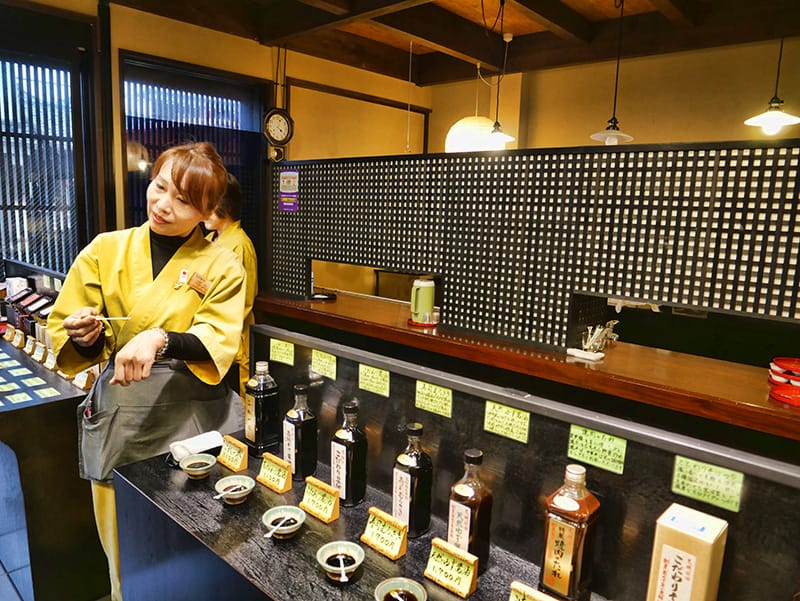
    There are some interesting places to visit such as Kuncho Sake Brewery Museum. At this must-visit attraction, you can find out more about traditional sake manufacturing, taste a range of superb sakes and purchase them in the shop.
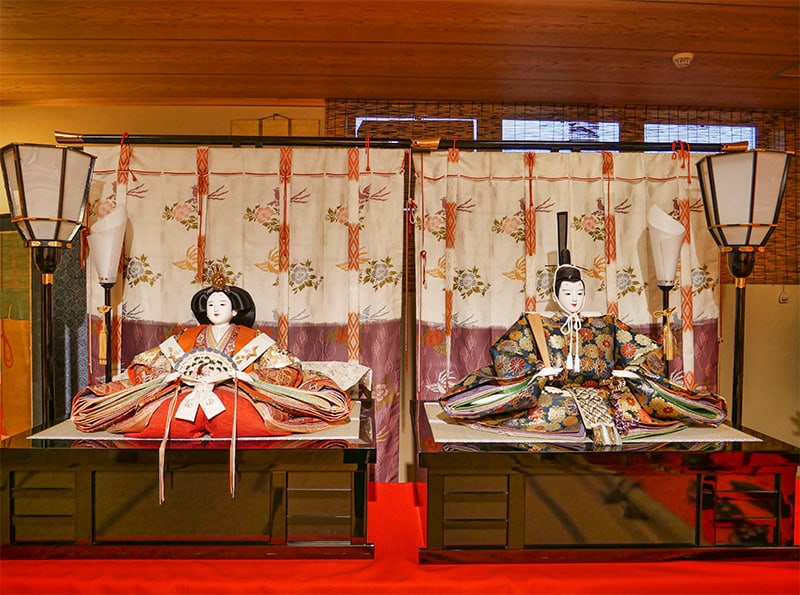
    To the rear, there’s the Tenryo Hina Dolls Museum, that showcases over 3,000 handmade antique dolls.
    There’s also an interesting little design shop that sells handcrafted wooden and paper items, Hita Sugi Project. Less than 10 minutes drive away you’ll find Hina-no-Sato SANYOUKAN. This hotel is clean and centrally located, with the advantage of having its own onsen.

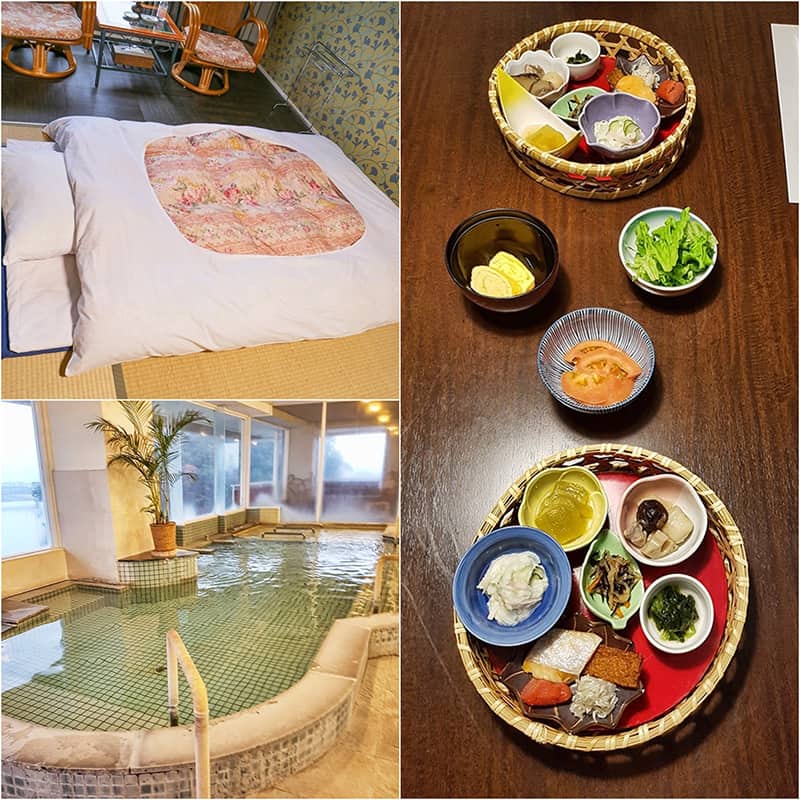
    The hot spring water is channelled and used for hot bath facilities. This onsen, located on the 3rd floor of the hotel, has a nice river view. Men use one side and women use the other, as nude bathing is the usual practice.

    We were surprised at how hot the water is but you get used to it quickly and it’s very pleasant. The water has purported medicinal benefits and considered to be good for aches and pains.

    Guests have the opportunity to sleep in Western rooms or traditional Japanese style, which is fun to try and surprisingly comfortable. Breakfast at the onsen is served in private rooms bordering the buffet. In each of these, a bento box full of tasty local cuisine is thoughtfully laid out on each table.
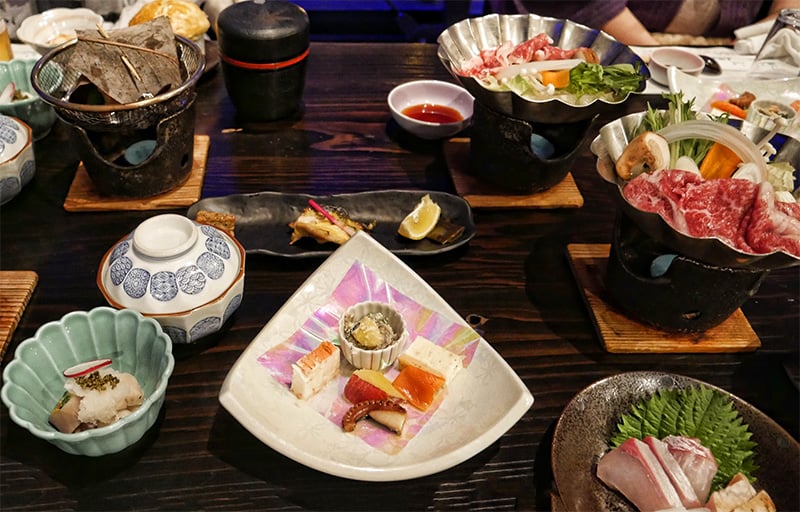
    Another unique experience is dining on the onsen’s riverboat, the Yakata-bune. You dress in the yakata or light Summer kimono provided in your room.

    There are normally several tables of diners but as our visit was out of season we were the only ones on board. The waiting staff are very friendly and will bring you a succession of delicious dishes presented in a series of attractive little pots.
    5.Aso Kuju National Park

    Located in the centre of the Kyushu area, Asjo Kuju National Park is known for its huge caldera or volcanic cauldron measuring around 100km. Mount Kuju is the highest mountain on Kyushu island, at 1,791 m high. It’s ideal to visit in May when it’s covered in pink Kyushu azaleas, or October when the trees turn vivid shades of red, yellow and orange.

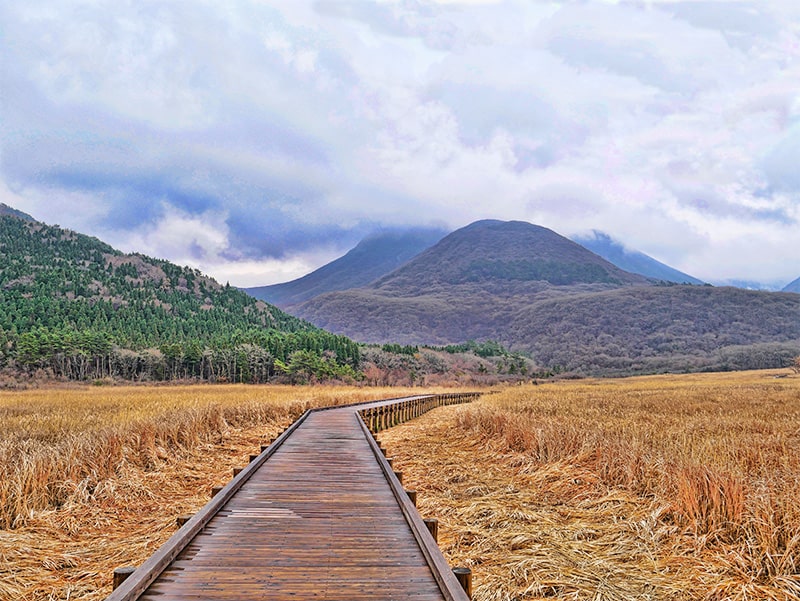
    We popped into Chojabaru Visitor Centre where we met the manager who spoke excellent English. After showing us an informative video on the mountain and marshland, she took us on a tour of the boardwalk.

    Thanks to this structure, the marshlands are easily accessible to those with physical impairments. Tadewara Marshland is situated on the northwest side of Mount Kuju and is home to a huge range of fauna and flora, from Japanese Water iris to fan-tailed warblers.

    Every year, villagers conduct noyaki or controlled burning of the meadows in order to preserve the vegetation. Our guide sometimes plays the harp in the middle of the marshes – how atmospheric that must be!

    Mount Fuju is also easily accessible for those who aren’t expert hikers. However it’s recommended that they wear waterproofs and appropriate hiking boots.
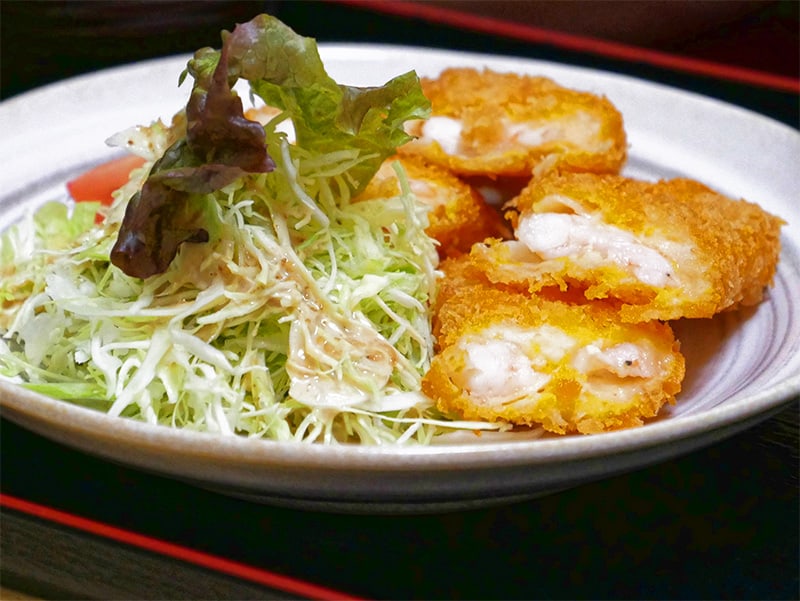
    One of the most popular things to do in Oita is to take a lunch break at Marufuku, famous for its fried chicken. Rest assured that it’s nothing like fast food chicken, being much better quality and of higher nutritional value.

    The toriten or chicken tempura is particularly moreish. The restaurant has 2 types of seating – an open plan area with tables and chairs and individual booths with traditional Japanese seating – very cosy.
    6.Oka Castle

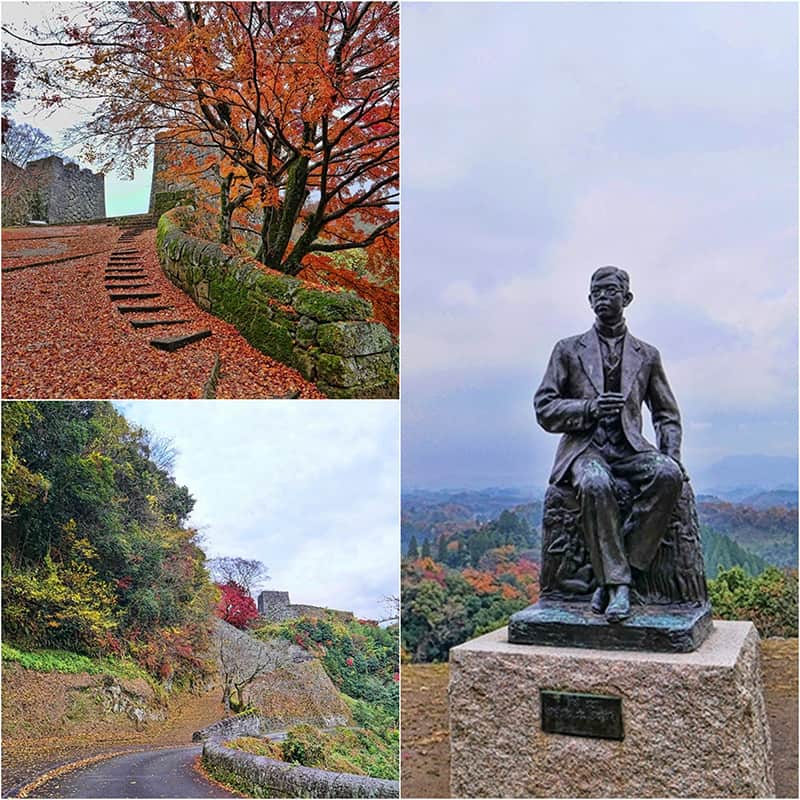
    Afterwards, visit Oka Castle, a real highlight of any Oita region trip. Originally constructed in 1185 by general Ogata Koreyoshi, it was inhabited by up to 3000 people at one point.

    Being built on a hill, it was already hard to invade but the builders made it trickier still by creating narrow paths where only a couple of people could enter at a time.

    Even though only the ruins of the original structure remain, it’s an atmospheric place with beautiful foliage and great views towards the Kuju mountain range. This is also one of Japan’s top 100 cherry blossom spots and the Oka Castle Cherry Blossom Festival takes place in early April.

    There’s a statue of Rentarō Taki, one of Japan’s foremost composers and pianists who composed the song Moon Over the Ruined Castle in 1901 in homage to Oka.
    7.Takeda Sogo Gakui

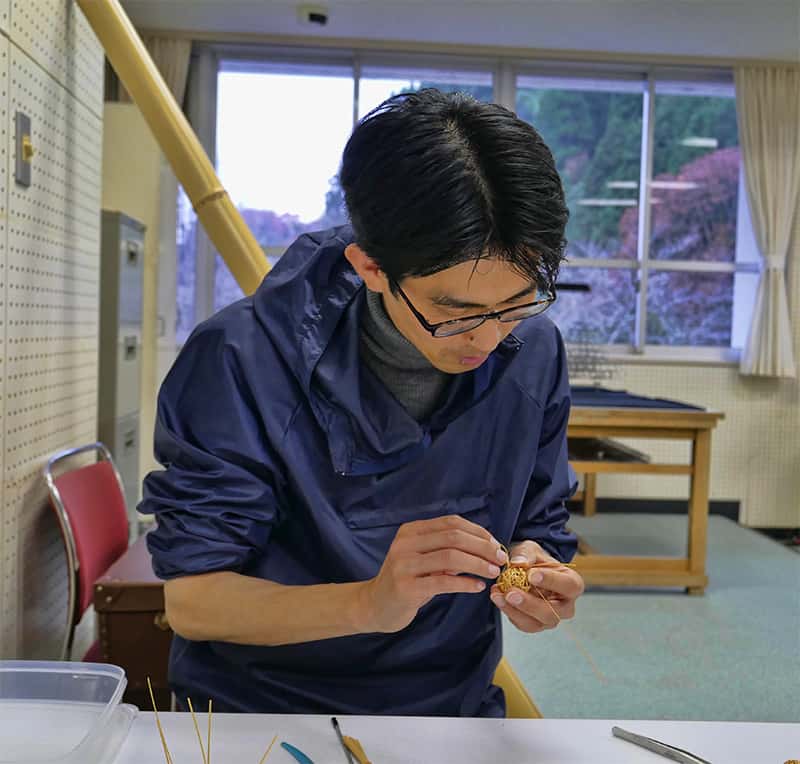
    After your castle visit, head to Takeda Sogo Gakui to try your hand at bamboo pendant making. This former secondary school is now a hub for local artists and craftsmen. Our tutor is a talented artist whose works are all sculpted from bamboo, even though they look like copper or steel.

    He explained how to shape the pendant by threading the bamboo strands to create a ball shape. Whilst we won’t give up the day job just yet, we were happy with the end result.
    8.Nagayu Onsen

    The nearby area of Nagayu is considered to have one of the hundred best hot springs in Japan. The water is carbonated and has health benefits such as improving blood circulation.

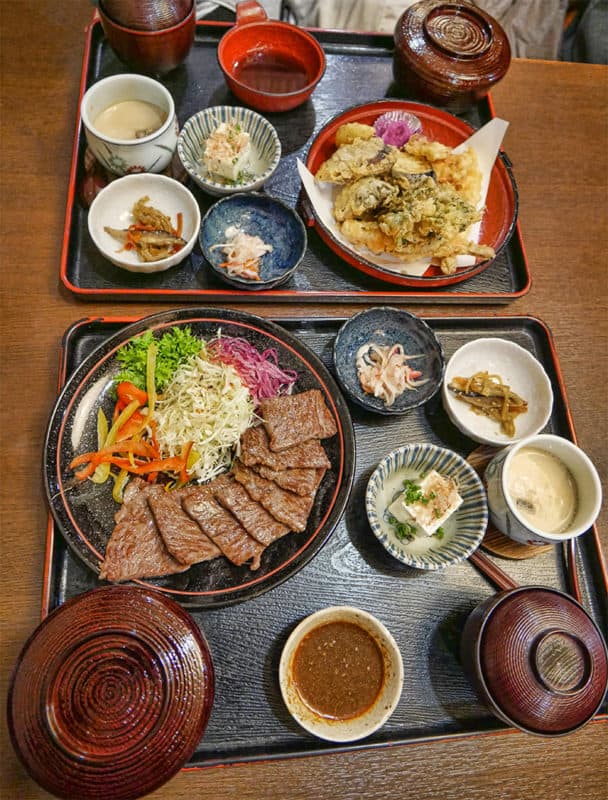
    Try an individual bathing room at Nagayu Onsen, a Ryokan (Japanese inn) on the river Serikawa. They admit guests who wish to use the facilities for a reasonable price, and they also have guest rooms and a restaurant. Dine at Kajika-An, a great local restaurant for meat dishes and vegetable tempura.
    9.Asaji, Kyushu

    The weather in Kyushu was lovely and sunny on our visit, and the morning hike was a real pleasure. We recommend taking part in the Oku-Bungo Olle walking course.

    Olle are trekking courses that originated in Jejudo in South Korea, using a system of blue and red flags to indicate the right route to take. Start off in Asaji at the Tourist Information Office next to the train station in Bungo-Ono city. It’s a 12 km long route with many attractions along the way such as Yujaku Park with its lovely lake.

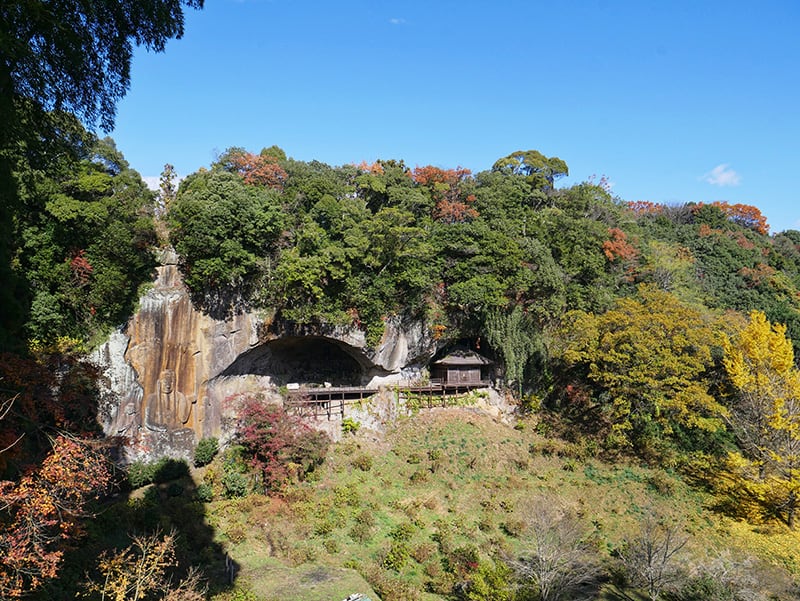
    The highlight of this walk is Fuko-ji Temple. Not only is the temple itself a very serene place set in beautiful landscape, but there is an unexpected surprise…a giant Buddha. Carved from a boulder formed after Mount Aso’s eruption, it’s 11.3 metres long.
    10.Sake Brewery

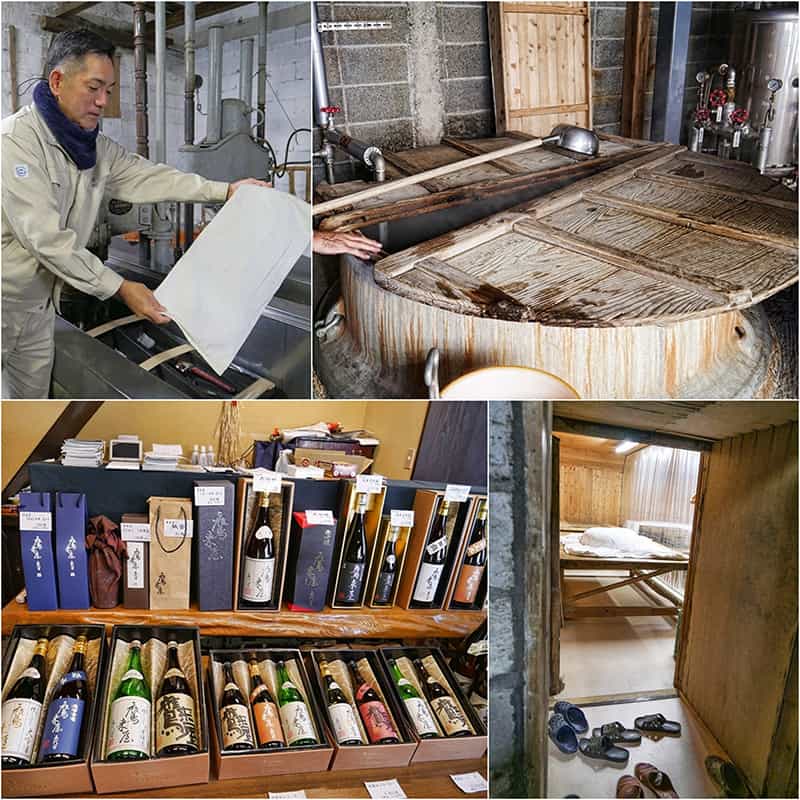
    After your hike, you’ll have earned some refreshments. Head to Hamashima Shuzo at Ogatamachishimojizai Bungoono, a specialty sake brewery using traditional methods. We were lucky to be given a tour by the CEO and his daughter who studied in Oxford and speaks perfect English.

    The process is labour intensive and we can see why it tastes so delicious. For those who are used to strong tasting sake, this is much more subtle and reminds me of wine in its complexity.

    They don’t just make sake drinks here though, there are also tasty sake infused puddings and Sake kasu, the lees left over from production that can be used in smoothies or to flavour food, or even as a face mask.
    11.Beppu Onsen

    One of the most popular things to do in Oita region is to visit Beppu. This Japanese town is known for its hot spring baths, called The Hells of Beppu, including bright blue Umi Jigoku (Sea Hell) and the red Chinoike Jigoku (Bloody Hell Pond). There are 8 different hot spring areas and many different public baths to try out in Beppu Onsen.

    We recommend lunch at Kurodaya, one of the many Beppu hotels with a restaurant attached to it and its own onsen. They use the hot spring water to prepare steamed dishes with Onsen spring water, and very tasty it was too.
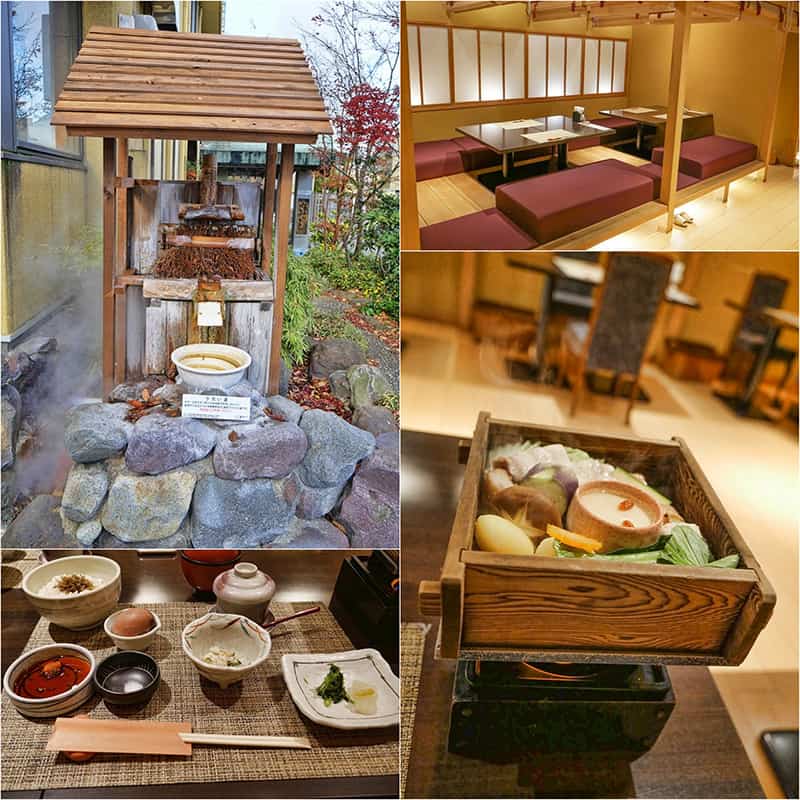
    From here, have a look at Beppu foot baths, which are open to the public. You just pay a small fee if you wish to borrow a foot towel. It’s very pleasant to soak your weary feet in the individual tubs.

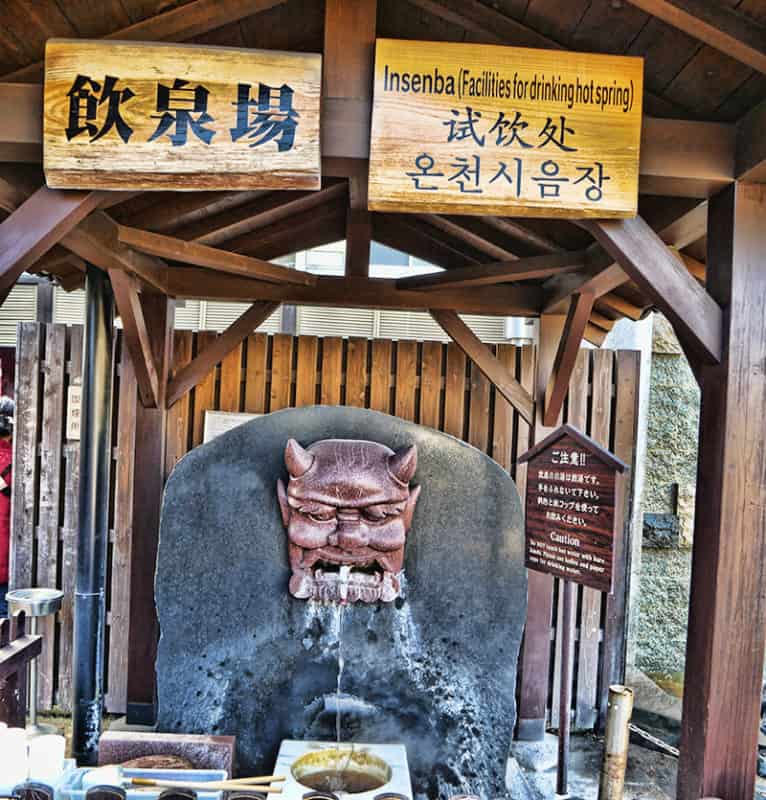
    A few minutes away, there’s a devilish fountain where you can drink the hot spring water. It’s said to be good if you have gastroenteritis, diabetes or gout. It actually tastes perfectly pleasant.

    Nearby, there are also sand baths where you are covered in sand – definitely something that we’d like to try on a future trip! The weather in Beppu was quite mild so it’s something that we’d recommend at any time of year.
    12.Kitsuki Castle Town

    One of the best things to see in Oita Prefecture, Kitsuki bills itself as the Samurai town of kimonos and Kyushu’s Little Tokyo. That’s because it was the first castle town in Japan to be certified as a historic townscape where kimonos look right at home.

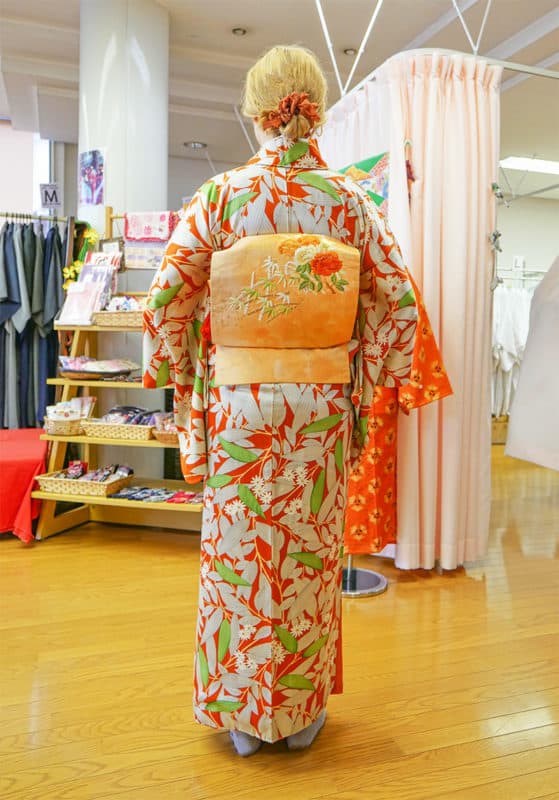
    Kitsuki is also home to the smallest castle in Japan, overlooking the sea. At Warakuan Kimono Rental, the staff are experts who will help you to put one on and there’s a huge choice for both men and women. It’s one of the most fun things to do in Oita.
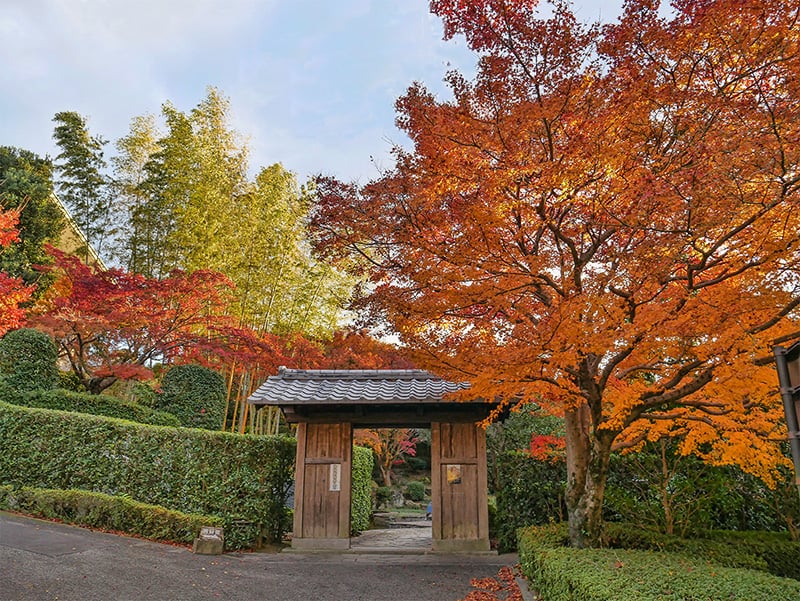
    You’ll walk through a lovely garden on your way to the shop.
    Kitsuki is said to be the only sandwich-shaped castle town in Japan, meaning that it has traditional samurai houses on plateaus to the north and south, with a merchant town in a valley between. Admission to the ancient samurai houses and all attractions is free to anyone wearing a kimono and you also get discounts in restaurants.

    We suggest visiting the Ohara Residence at 207 Kitsuki where a high-ranking samurai family lived during the Edo period. It was a goyoyashiki, a residence given by the Kitsuki clan to samurai for official business so the residents often changed.

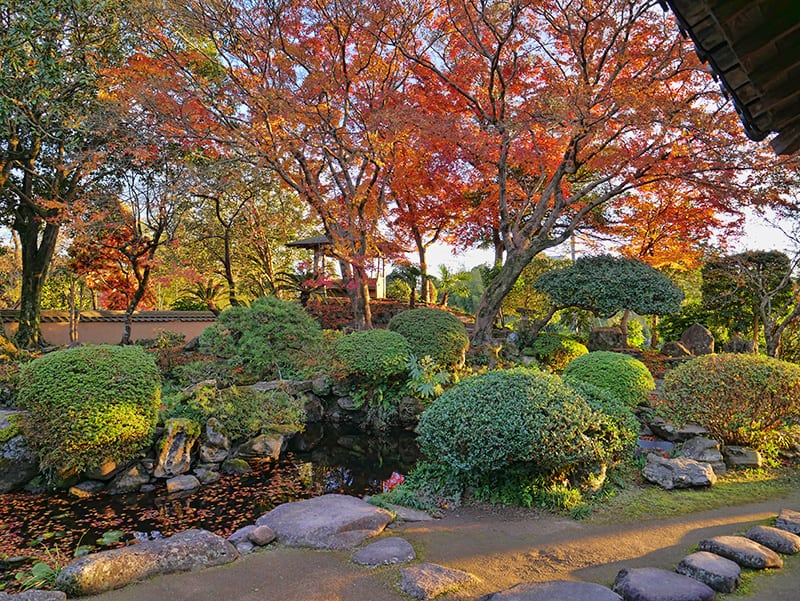
    The main building has a thatched roof with a large reception room having 10 tatami mats. It has a beautiful garden with 110 varieties of plants, where visitors can wander around. A boundary-guard stone, a sekimori-ishi, which is a round stone tied with a knot, signifying that a path is closed.
    How to Get to Oita

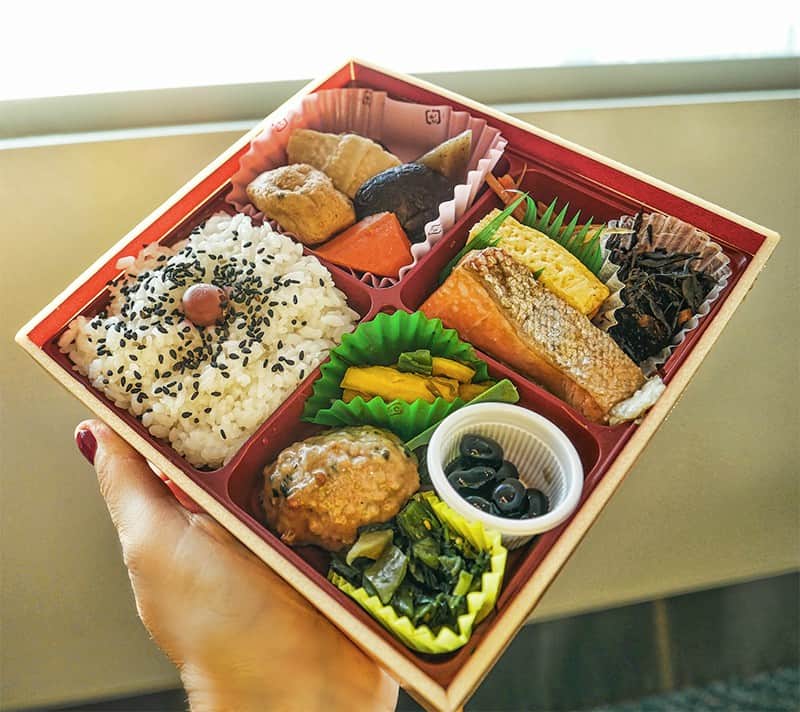
    From Tokyo it’s only a 1 and a half hour flight to Oita City in Japan. We flew with ANA from Haneda Airport, which has the advantage of being close to Tokyo centre. They give you complimentary soft drinks on board and you can buy a soraben bento box at the airport.

    They’re a special type of bento, available for takeaway at airports and beautifully packaged. There’s a fantastic selection of ready made boxes at reasonable prices. Oita airport is very compact so it only takes a few minutes to collect any checked in bags and to exit.
    Final Thoughts on Things to Do in Oita Japan

    In conclusion, Oita, Japan is a destination that offers something for everyone. From the majestic hot springs to the lush national parks, you are sure to find something to enjoy while exploring this culture-rich Japanese prefecture.

    If you do decide to visit Oita, make sure you add some of these great places and activities onto your bucket list! Don’t forget to spend some time in the nearby city of Beppu for shopping and nightlife too.

    Whether it’s for a quick weekend out or a long summer vacation, make Oita your go-to place in Japan! And consider visiting in Springtime when the azaleas and cherry blossoms are blooming! If you travel there via the capital, be sure to check out our 3 day Tokyo itinerary too.
    Have you ever been to Japan?

  • 14 Best Ways to Experience Japanese Culture in Tokyo

    14 Best Ways to Experience Japanese Culture in Tokyo

    Tokyo is famous for its contemporary architecture and vibrant nightlife. The capital of Japan is also a great place to experience cultural activities such as a traditional tea ceremony or kimono wearing. Here are some of the best culture in Tokyo activities that will give you a unique insight into the Japanese way of life.

    Traditional and Modern Japanese Culture in Tokyo

    Get a glimpse into Japanese traditions by trying these unique Tokyo cultural experiences, from shodo calligraphy to taiko drumming.

    1.Ikebana Flower Arrangement

    What is Ikebana?

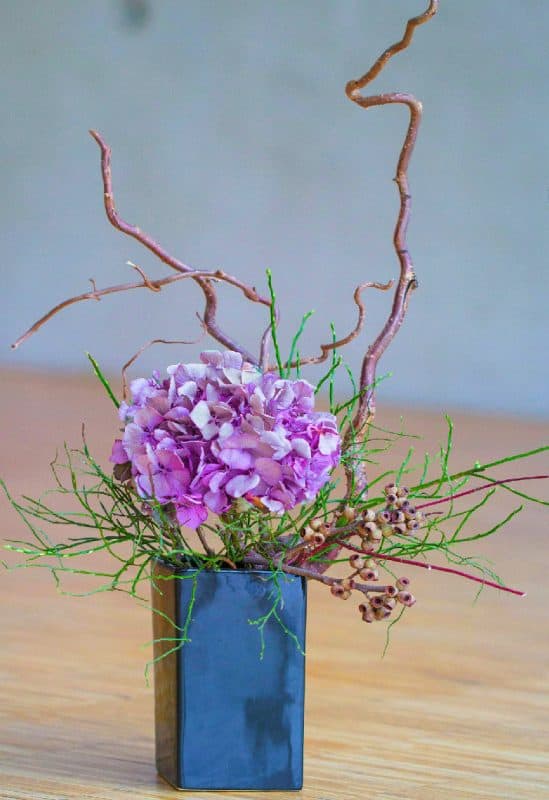
    Ikebana is the Japanese art of flower arrangement that dates from the 7th century. Ike means to arrange and bana comes from the word hana which means flower.

    Japanese flower arrangements emphasize structure and closeness with nature. Originally, they were created to display in temples but eventually they became popular in Japanese homes.

    Ikebana Styles

    There are several different styles of ikebana including:

    • Moribana – meaning piled up flowers, moribana uses a shallow dish, a kenzan holder into which flowers are inserted and an upright or slanting floral display.
    • Nageire – this cascading style of floral arrangement involves a tall vase and a single long branch with shorter flowers at the base.
    • Rikka – with its roots in Buddhist tradition, rikka reflects the beauty of nature and the harmony between different plants.
    • Shoka – involving 1 to 3 floral elements, shoka symbolizes the inner beauty of plants.

    Some of the most popular flowers used in ikebana arrangements are camellia, narcissus and tree peonies. Foliage such as bamboo grasses and pine branches are often added.

    Ikebana in Tokyo

    Learn the art of ikebana at Yanesen Tourist Info & Culture Center in Yanaka. They can arrange 90 minute flower arranging classes for 1 person or more in this historic area of Tokyo.

    2.Traditional Japanese Food Culture

    Japanese food is hugely diverse, with many different cooking styles. Some of the most popular include:

    • Gyoza – these dumplings are stuffed with vegetables and ground meat. A good Tokyo dumplings restaurant is Nippon Gyoza Center in Gotokuji.
    • Kobe and wagyu beef – Japan is famous for its beef and two of the best places to try it are Innocent Carvery in Marunouchi for wagyu and Shunjukusei in Ginza for kobe beef.
    • Okonomiyaki – a savoury Japanese omelette that you cook at the table yourself. We recommend Sometaro near Senso-ji Temple in Asakusa, which has traditional tatami seating.
    • Ramen – wheat noodles served in a broth with vegetable or meat toppings.
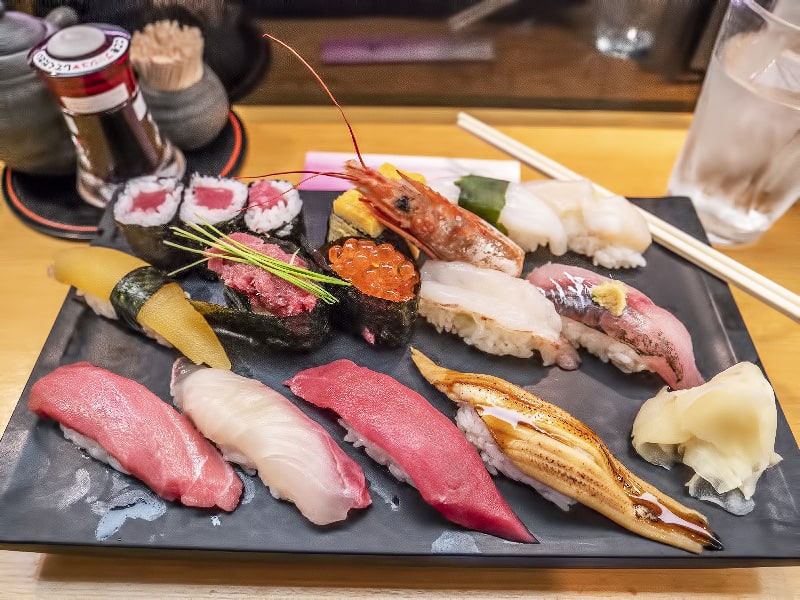
    • Sashimi – this famous Japanese dish is fresh fish or meat sliced thin. Most sashimi is raw, however eel and shrimped are cooked. Cod Fish Gold in Shinbashi is an informal izakaya pub with delicious sashimi and sushi platters.
    • Soba noodles – thin buckwheat flour noodbles to eat hot or cold. The casual Sarashina Nunoya restaurant in Shibadaimon is over 200 years old.
    • Sushi – a staple food of Japan, sushi is vinegared rice with toppings. One of the best value places to eat sushi in Tokyo is Sushi Zanmai, which has branches in Chiyoda, Ginza, Minato, Shinbashi, Tsukiji and Ueno.
    • Tempura – battered, deep fried vegetables or seafood.
    • Tofu – a soy-based bean curd that can be eaten at any time of day. Tofuya Ukai, next to Tokyo Tower, is a beautiful restaurant with a traditional Japanese garden and koi carp fish pond.
    • Yakitori – delicious meat skewers – Locals head to Yakitori Alley, also known as Memory Lane in Shinjuku which has over 80 tiny restaurants to choose from.

    If you’re feeling really brave, try fugu fish. Also known as tiger puffer fish, this is one of the most expensive foods in the world. That’s because this fish contains a poison that has to be removed by highly trained chefs before you can eat it safely.

    To finish your Japanese meal, try a traditional dessert such as shiruko dessert soup made from crushed azuki beans, yokan, made from red bean paste, sugar and agar or anmitsu, which is a mix of agar jelly and fruit.

    3.Yakatabune Dinner Cruise

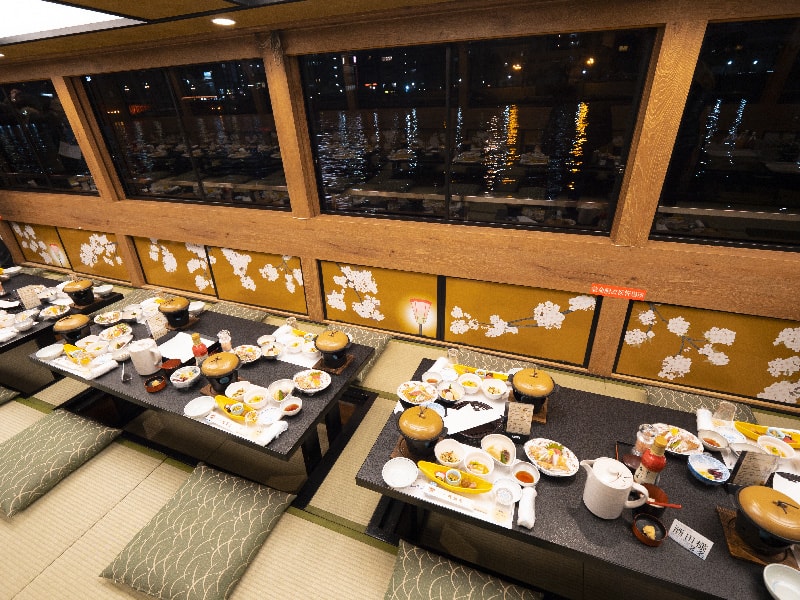
    One of the best ways to experience typical Japanese cooking and the culture of Tokyo is to take a Yakatabune evening cruise. Yakatabune are traditional Japanese cruise boats that have been popular since the mid 18th century. Aristocrats would board the boats to view the sakura (cherry blossom) in Spring and to escape the heat of Summer.

    These days, the river cruise includes a full banquet, free-flowing alcohol or soft drinks and live entertainment. The traditional Japanese seating is comfortable as there is a hollowed out section where you place your legs.

    We took our 2 and a half hour cruise from Azumbashi Pier. Once on board, we enjoyed a show by a performer who bent bamboo into different shapes and got the audience, including us, involved too!

    The succession of small dishes is very tasty, with the different types of tempura being a highlight. What made this cruise so special though was the friendliness of our fellow diners – they laughed and applauded while we were performing and offered to take photos of us during the sightseeing stops when we all went up on the houseboat roof.

    4.Tokyo Drink Tour

    Japan is also well known for its distinctive drinks. You can sample many of them on a Tokyo bar tour with Arigato Japan. These include:

    • Japanese craft beer at a cosy pub with 30 beers on tap.
    • Matcha beer or saketinis, aka sake martinis at a standing up bar.
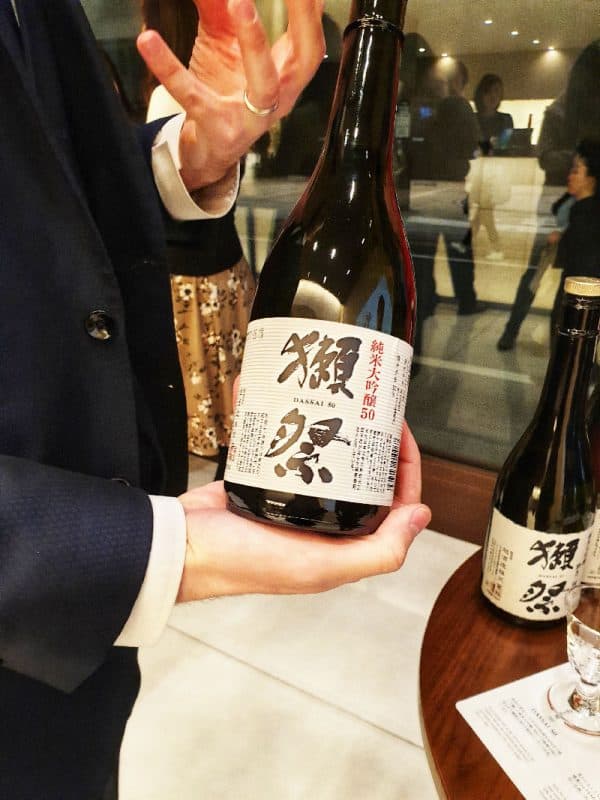
    • Speciality sake tasting at Dassai – we highly recommend Dassai 23, made from milled rice from which 23% of the original grain remains. This complex sake has delicate notes of coconut, pineapple and grape.
    • Tea based cocktails at one of the World’s 50 Best Bars in Ginza.
    • Signature cocktails in a hidden speakeasy with fairytale decor.

    The knowledgeable guides and friendly participants make this a fun tour for anyone interested in Tokyo’s bar scene.

    5.Kabuki Theatre

    What is Kabuki?

    This performing art dates from the Edo period in the 17th century. It’s a popular blend of dance, mime and music, with elaborate costumes and make-up. The female roles are played by men known as onnagata or oyama. Kabuki is a good opportunity to hear traditional Japanese musical instruments such as the three-stringed shamisen.

    Kabuki Theatre in Tokyo

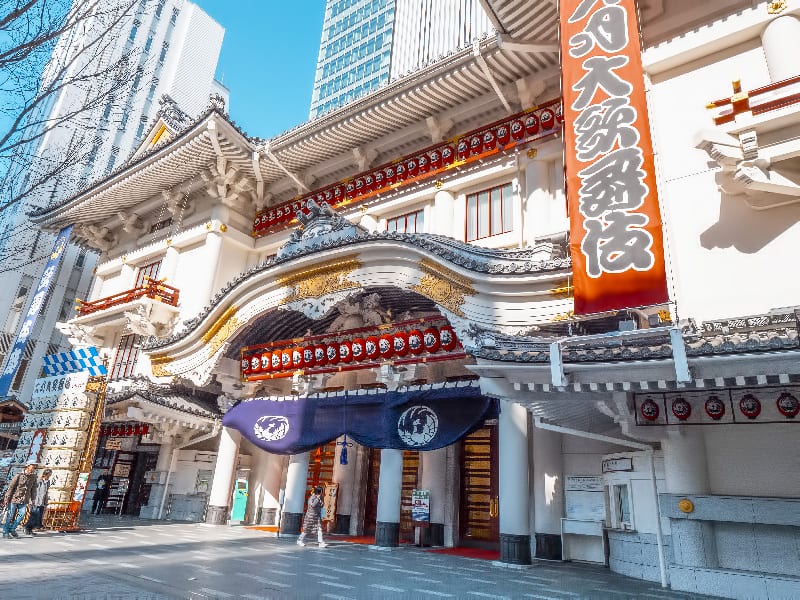
    It’s surprising to find the traditional style Kabukiza Theatre in the heart of modern Ginza. This is one of the best cultural things to do in Tokyo. You can purchase a ticket for one act only if short on time, at the Single Act Box Office. An English captioning device can be rented for 500-1,000 yen.

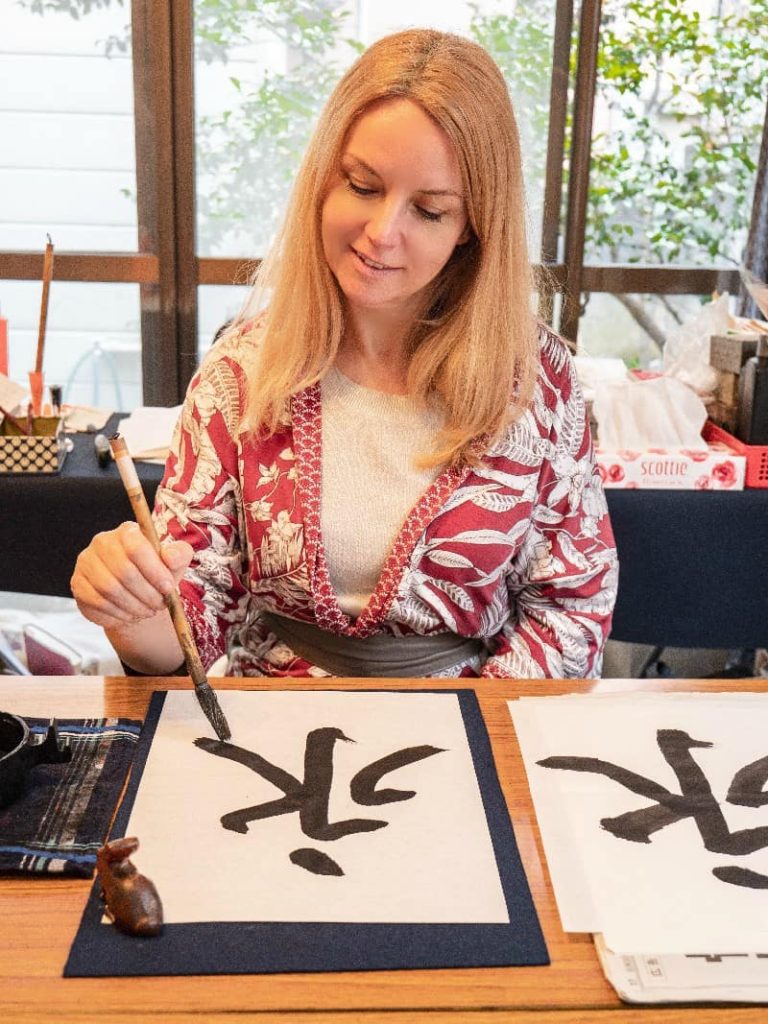
    6.Shodo Calligraphy Class

    During your time in Tokyo, why not learn the historic art of Japanese calligraphy.

    What is Shodo?

    Shodo, also known as shuji, is the practice of artistic hand writing. It was introduced to Japan from China in the 6th century AD. Shodo is more than just a style of writing however, it is a spiritual way of being. The emphasis is on concentration in order to attain a zen-like state of being known as mushin, or empty mind.

    Calligraphy Tools

    To practice shodo, or Japanese calligraphy characters known as kanji, you will use Japanese calligraphy paper sheets called hanshi, sumi ink and a traditional calligraphy brush known as a fude. To protect the work surface from stains, practitioners use a desk pad called a shitajiki, and a bunchin or Japanese paperweight to hold the paper sheets in place.

    Shodo in Tokyo

    We recommend learning shodo at the Yanesen Culture Center in Yanaka. An expert tutor will patiently show you how to create calligraphy characters such as the words peace, love, life or Japan. You’re encouraged to go slowly and afterwards you’ll be able to take home one of your finished creations.

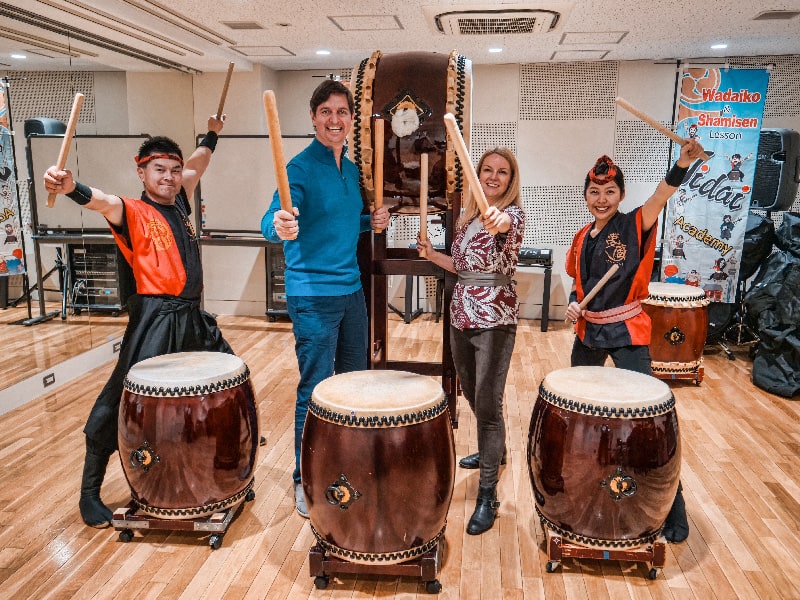
    7.Taiko Drum Lesson

    What is Taiko?

    Taiko is a traditional Japanese percussion using large drums. Taiko drumming has played an important role in historic Buddhist ceremonies for almost 2,000 years. It was later used to send coded messages and to coordinate troops on the battlefield. These days, it’s still very popular during festivals.

    Taiko in Tokyo

    To learn taiko drumming, you don’t need any particular musical skill or strength. You’ll get a demonstration from the expert drummers who then teach you basic taiko rhythms , before you perform your own version. There are ample opportunities to ask any questions about taiko during the two hour session. It’s advised to wear fairly loose clothing as the session can be quite strenuous!

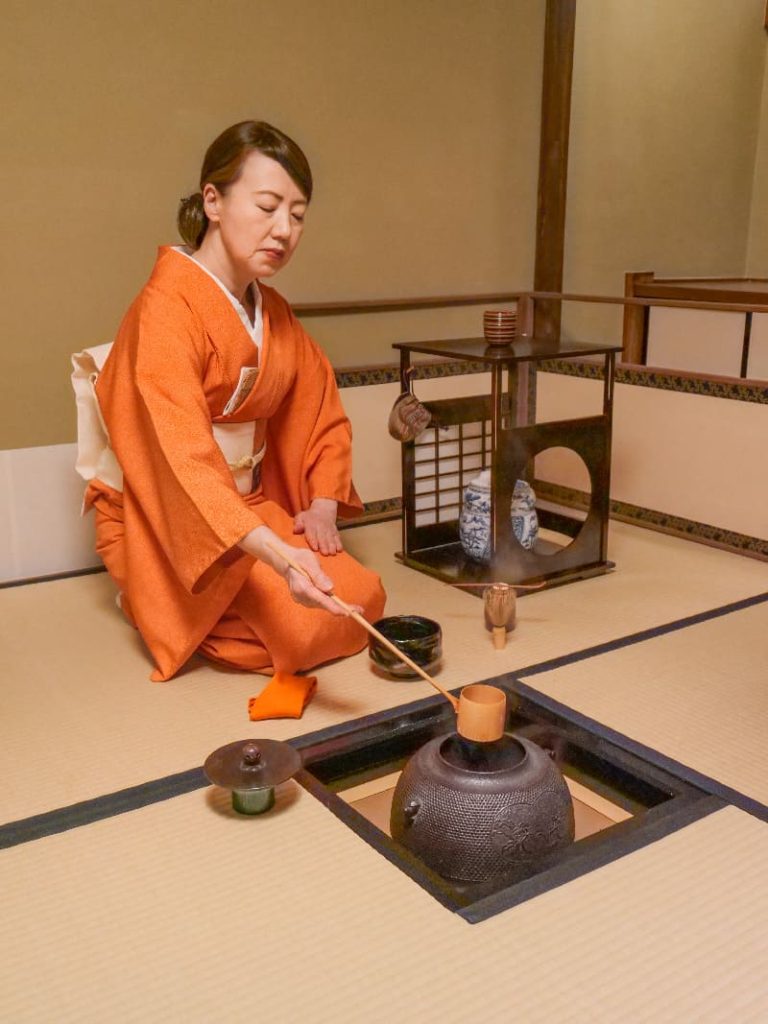
    8.Tea Ceremony Experience

    History of the Japanese Tea Ceremony

    Also known as the way of tea or chado, the Japanese tea ceremony is devoted to the ceremonial preparation and presentation of matcha tea. The ceremony dates from the 6th century and is an important element of Buddhist ritual.

    In medieval times, the tea ceremony, served by a geisha (female performance artist and hostess), was a haven away from the battlefields for the samurai. These days, it is about being considerate of your guests and observing this Japanese tradition.

    Japanese Tea Ceremony Etiquette

    Before entering the tatami-floored tea room, remove your shoes. It’s not necessary to wear a kimono, just comfortable clothing as you will be kneeling on tatami mats during some elements of the ceremony. However, it is important to wear socks and best advised to avoid stepping on the edges of the tatami.

    Guests should drink all the tea presented to them, and turn the cup to avoid drinking from the front side. It is important to admire each element of the tea ceremony, including the sweets, flowers and the tea cup.

    Tea Ceremony in Tokyo

    The Shizu-Kokoro Tea School is a great place to experience a traditional Japanese tea ceremony. The school is located in the heart of Asakusa, one of the most Instagrammable Tokyo areas, near Senso-ji Temple.

    Almost direclty opposite Sometaro restaurant, it’s a welcoming and tranquil environment. You’ll be given an introduction to the chado tea ceremony by a friendly teishu, or host.

    They give you a Japanese wagashi sweet to try before preparing the matcha tea. A chasen or bamboo tea whisk is used to make the matcha tea powder froth when hot water is poured. Once the tea is ready and you have drunk it, the host will show you how to make and serve the tea to your own guest.

    9.Tokyo Kimono Experience

    What is a Kimono?

    The word kimono originally meant “a thing to wear”. This traditional Japanese clothing dates from the Heian era (794 – 1192 AD). Originally, Heian noblewomen wore twelve layers of kimono.

    Over the centuries the garment was simplified and these days it’s a T shaped silk robe with long sleeves that is worn on special occasions by women or men. The version worn by men is less ornate than the women’s kimono.

    Underneath the kimono, you wear a Nagajuban, a kimono-shaped undershirt that keeps the precious kimono clean. An obi belt sash holds the kimono in place. A koshihimo is a thin fabric belt that keeps the neckband in shape and holds everything in place, hidden underneath the kimono.

    Kimonos are normally worn with split toe socks known as tabi and geta or zori sandals. Women also frequently carry a small silk bag, and hair can be accessorized with a floral hair clip. In Summertime, people wear a yukata, a thinner cotton garment.

    Should You Buy or Rent a Kimono?

    We definitely recommend renting a kimono as they need to be dry cleaned and you are unlikely to wear one regularly. Quite a few younger Japanese people also rent kimonos these days.

    Many people choose to rent in Asakusa near Senso-ji Temple. There are several kimono shops there although they tend to be rather crowded and the fabric isn’t always vintage. For a more bespoke experience, head to Yanaka, one of Tokyo’s most historic neighbourhoods. Yanesen Tourist Info & Culture Center in Yanaka arranges private kimono wearing sessions.

    Kimono Experience in Tokyo

    An English speaking guide will take you to a local house in Yanaka. Here, you’ll choose your favourite kimono and obi belt and a kimono expert will dress you in an hour long fitting. It’s a fun process and the kimono is surprisingly comfortable.

    Afterwards, the guide accompanies you to the local temples and will show you how to correctly cleanse your hands with a ladle. They’ll take your photo as you stroll along Yanaka Ginza, a traditional shopping street and admire the traditional crafts. There are many cat symbols as the local people always considered them to be lucky.

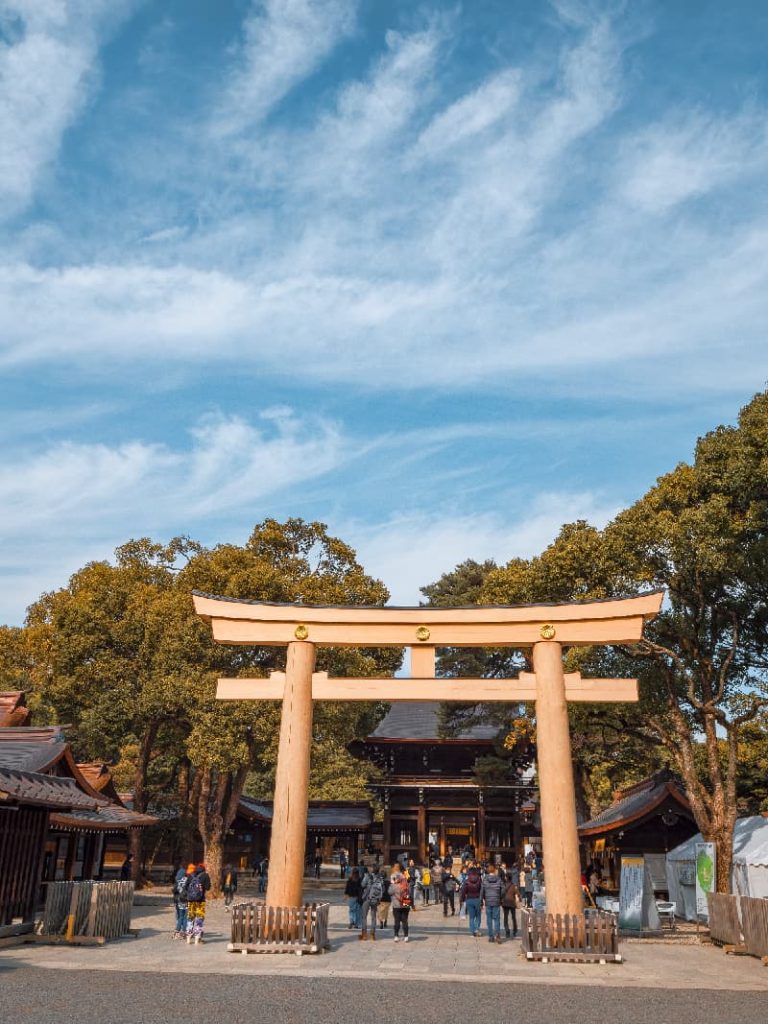
    10.Shrines and Temples

    Tokyo is blessed with many historic shrines and temples. There are a few important differences between the two. Shrines or jinjya are associated with Shintoism, while temples or tera are linked to Buddhism.

    Shrines have a torii gate at the entrance as well as a purification fountain, and occasionally an animal statue guarding them. Temples have an incense burner, an image of Buddha and often a pagoda. Buddhism and Shintoism harmoniously co-exist in Japan and some Japanese people consider themselves to be practitioners of both faiths.

    Among the most famous shrines in Tokyo are Meiji Jingu, Nezu and Yasukuni. Some of the most well known temples in Tokyo are Gotokuji, Sensoji, Tennoji and Zojoji.

    11.Girls’ Doll Festival

    Each year on 3 March, families in Japan observe hina matsuri. On this day, families celebrate the happiness and health of girls. Handmade dolls clad in kimonos and representing the Emperor and Empress are displayed on a platform covered with crimson cloth.

    Historically, the practice was thought to ward off evil spirits, and in the 17th century princess Okiko was given a doll display. She made hina matsuri popular when she became Empress Meisho and it is still extremely popular today.

    At Keio Plaza Hotel Tokyo, one of the most renowned hotels located in Shinjuku, Tokyo, hina matsuri is celebrated each year with a spectacular display. From the beginning of February to the end of March they host “Hina-matsuri through Tea Ceremony Culture and Hanging Art”.

    There are 6,800 intricate hanging art ornaments made from vintage silk kimonos displayed in the hotel. The ornaments have been hand stitched by well known quilt artist Mitsuyo Matsuo and 90 members of her Himawari Group of artists.

    Each item has a specific meaning, such as mandarin ducks representing love between spouses and pillows symbolizing children who sleep well and grow up healthy. The ornaments are dotted throughout the hotel’s public areas, with a spectacular 3.3 meter high exhibit in the main lobby that also includes wooden Mataro dolls from Kamikamo Shrine in Kyoto. If you’re in Tokyo in Spring, it is well worth visiting.

    Many of the restaurants at Keio Plaza Hotel serve special menu items celebrating Hina-matsuri during February and March. The hotel also has many historical objects used in the Japanese tea ceremony on display, including bamboo teaspoons, picture scrolls and water vessels.

    We highly recommend Keio Plaza as a great place to stay in Tokyo. It is centrally located and has a lovely outdoor pool as well as a tranquil Club Floor and Lounge with spectacular city views.

    12.Origami in Tokyo

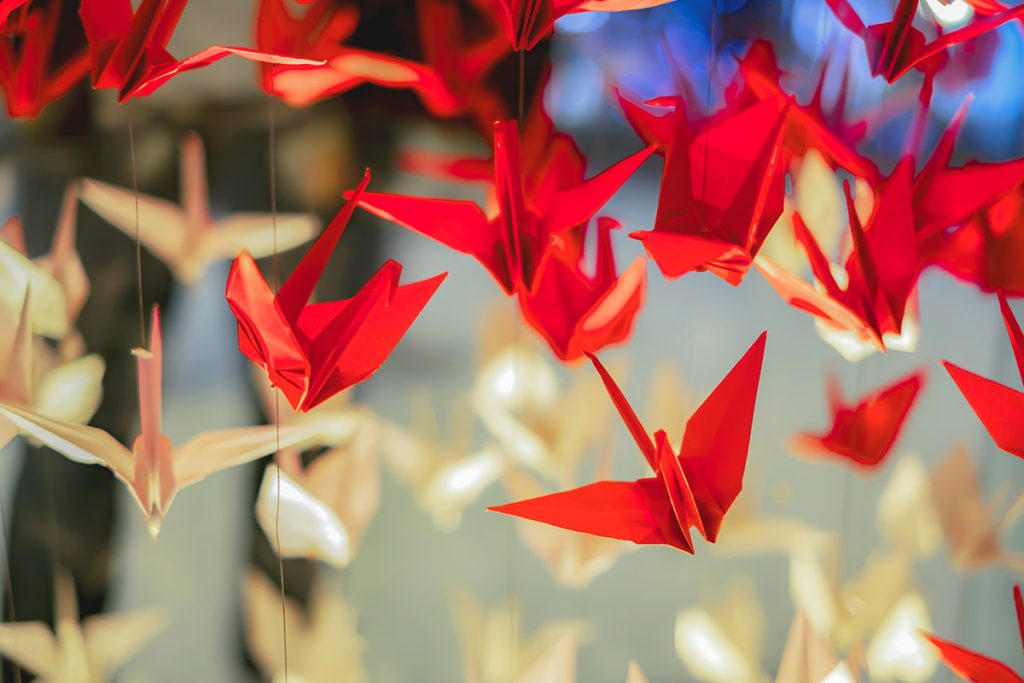
    Origami, the traditional Japanese art of paper folding, is widely practiced and celebrated in Tokyo. Visitors to Tokyo can explore numerous origami museums, attend workshops, and purchase intricately folded paper creations at various markets and craft stores.

    Additionally, many cultural centers and tourist attractions in Tokyo offer origami demonstrations and classes, providing a unique opportunity to learn about and participate in this cherished art form.

    13.Tokyo Manga

    Tokyo is a hub for manga, the Japanese style of comics and graphic novels. The city is home to numerous manga cafes, bookstores, and museums dedicated to this popular art form.

    Visitors to Tokyo can explore neighborhoods such as Akihabara and Nakano, which are known for their abundance of manga shops and anime-related merchandise. Tokyo also hosts various manga and anime conventions, providing fans with the opportunity to immerse themselves in the vibrant world of Japanese popular culture.

    14.Sumo Wrestling

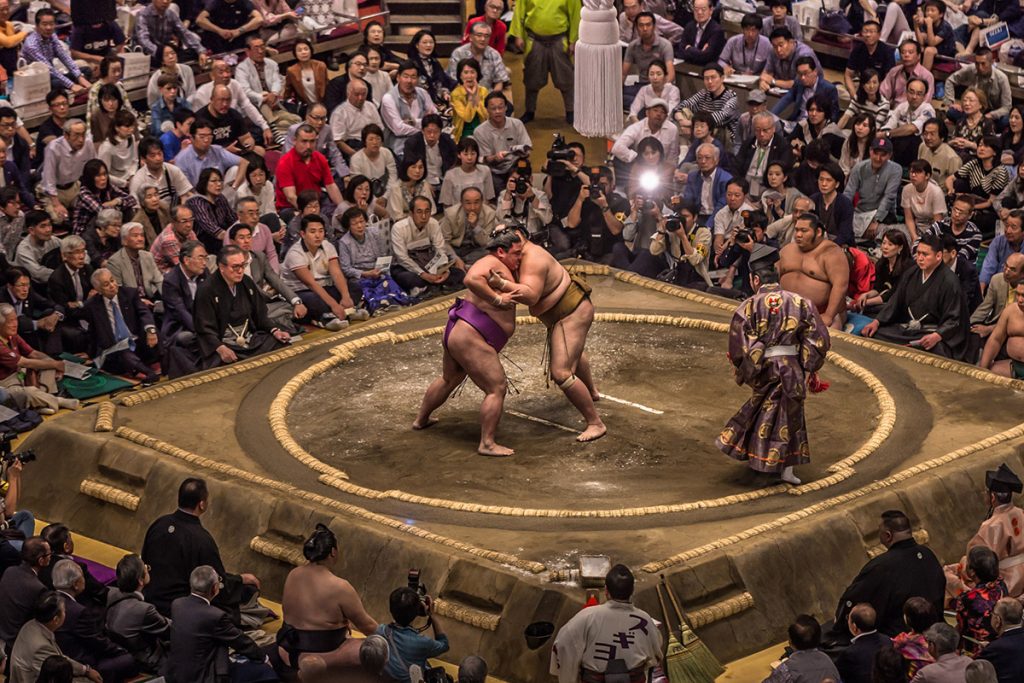
    In Tokyo, watching a sumo wrestling match is a unique and exciting experience. The city hosts several sumo tournaments throughout the year, providing visitors with the opportunity to witness this traditional Japanese sport in action.

    The Ryogoku Kokugikan, also known as Ryogoku Sumo Hall, is a popular venue where sumo matches take place. Visitors can also explore sumo stables to observe the rigorous training and discipline that sumo wrestlers undergo.

    Attending a sumo match in Tokyo offers a fascinating glimpse into Japan’s rich cultural heritage and the athleticism of sumo wrestlers.

    Traditional Hotels in Tokyo

    For those looking to immerse themselves in Japanese culture, there is no better way than to stay in a traditional ryokan. These luxurious hotels offer guests the chance to experience traditional Japanese hospitality and way of life.

    From minimalist tatami rooms to kaiseki cuisine, a stay at a ryokan is an opportunity to step back in time and experience the beauty of Japan’s past. Whether you’re a first-time visitor or a seasoned traveler, a stay at a ryokan in Tokyo should definitely be on your bucket list.

    How to Get Around Tokyo

    The IC Transport Card is a handy way to travel around Japan. In Tokyo, you can use the IC card on subways, trains, trams, the monorail and most buses.

    You can also use it to purchase items in any shops or restaurants that display the IC card logo. The card is pre-loaded with 2,500 yen of credit and if you need to top up, just take it to a ticket machine and add on 1,000 yen or more.

    Final Thoughts on Traditional Culture in Tokyo

    Tokyo is an exciting city to visit and explore for anyone looking for a unique travel experience. Its rich traditional culture has been well-preserved, allowing visitors to witness and appreciate it first-hand.

    If a trip to the bustling capital of Japan is on your bucket list, then be sure to add some time exploring the attractions that showcase its fascinating cultural roots.