Category: Americas

  • Top Things to Do In Georgetown DC: History & Modern Charm

    Top Things to Do In Georgetown DC: History & Modern Charm

    Georgetown, one of Washington DC’s oldest and most charming neighborhoods, offers a perfect blend of history, shopping, dining, and outdoor activities. From historic landmarks to scenic waterfront paths, here’s your comprehensive guide to the best things to do in Georgetown DC.

    Georgetown Waterfront Park

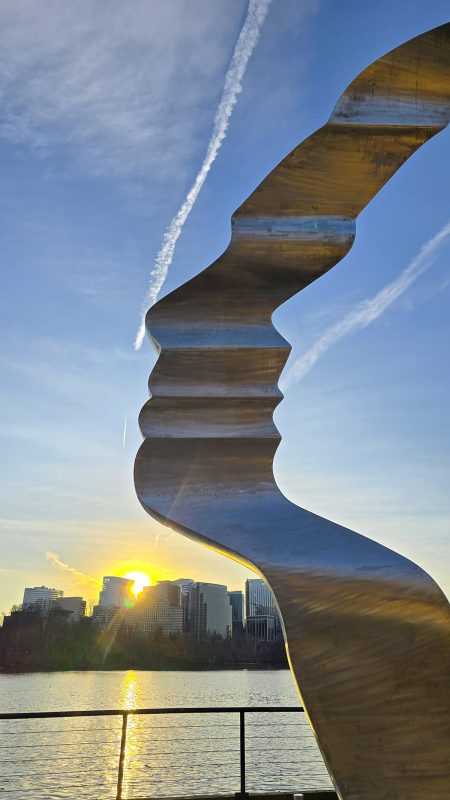
    This 10-acre park along the Potomac River provides a refreshing escape from the urban environment. Enjoy the riverside promenade, interactive fountain, Mother Earth sculpture and green spaces perfect for picnicking.

    The park offers stunning views of Key Bridge, Roosevelt Island, and the Kennedy Center and connects to the Capital Crescent Trail for cycling enthusiasts. It’s perfect for picnics, watching rowing teams practice, or simply enjoying the sunset.
    Dumbarton Oaks

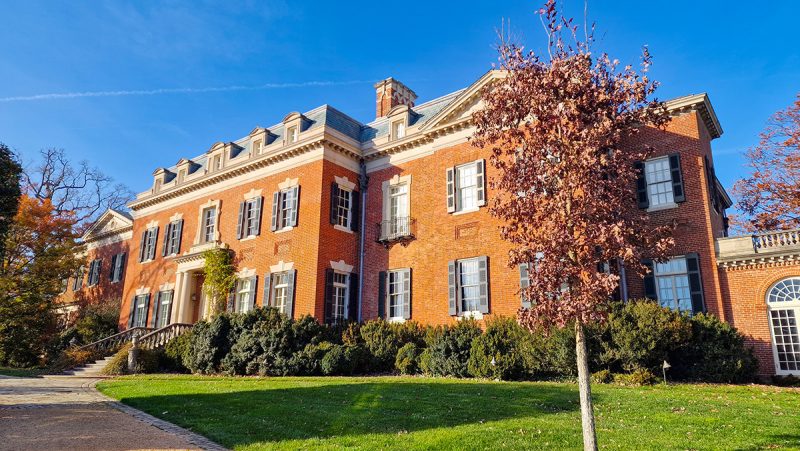
    This historic estate stands as a masterpiece of landscape architecture. features 16 acres of terraced gardens, including the famous Rose Garden and Orangery.

    Visit in spring for peak blooming or autumn for spectacular fall colors. Allow time to admire the art museum with its thoughtfully curated pieces.
    Book Hill

    A charming neighborhood, Book Hill represents Georgetown’s cultural heart with its independent bookstores, antique shops, and art galleries. The area comes alive during cherry blossom season with its own collection of blooming trees.

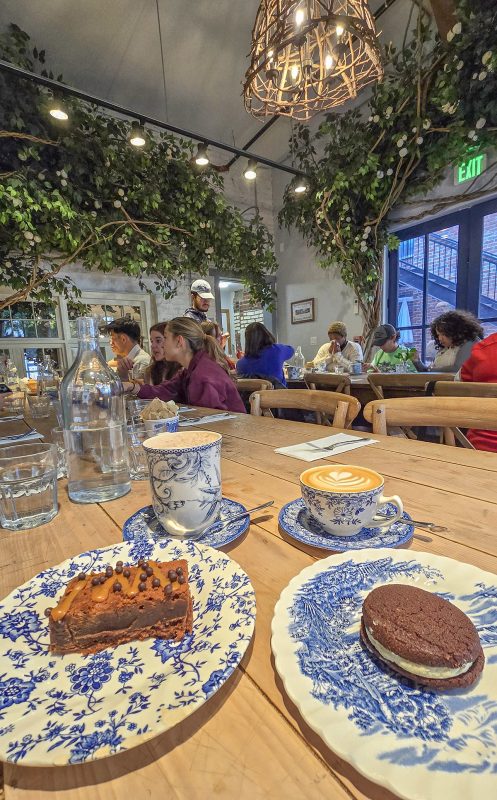
    Maman Cafe brings Parisian charm with its Instagram-worthy decor and famous nutty chocolate chip cookies. Perfect for afternoon tea or a light lunch.
    The Exorcist Steps

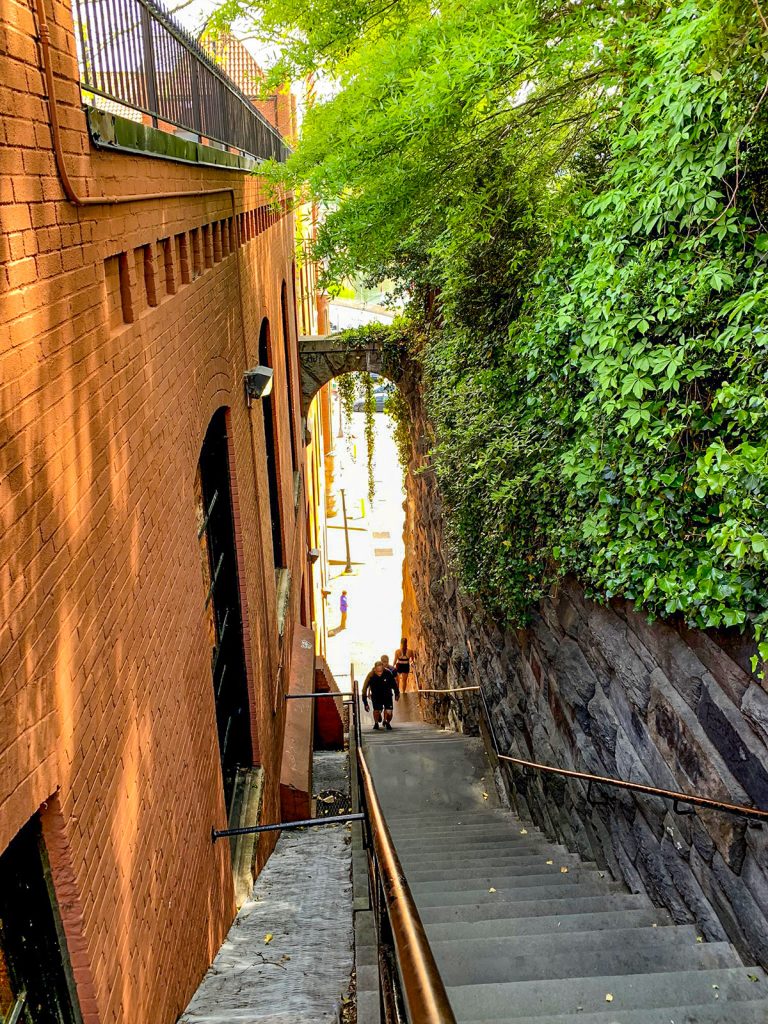
    Film buffs shouldn’t miss the infamous stone staircase between M Street and Prospect Street where the climactic scene from “The Exorcist” was filmed. These 75 steep steps offer not only a piece of cinematic history but also a challenging workout.

    They are located at the corner of Prospect Street and 36th Street NW.
    Martin’s Tavern

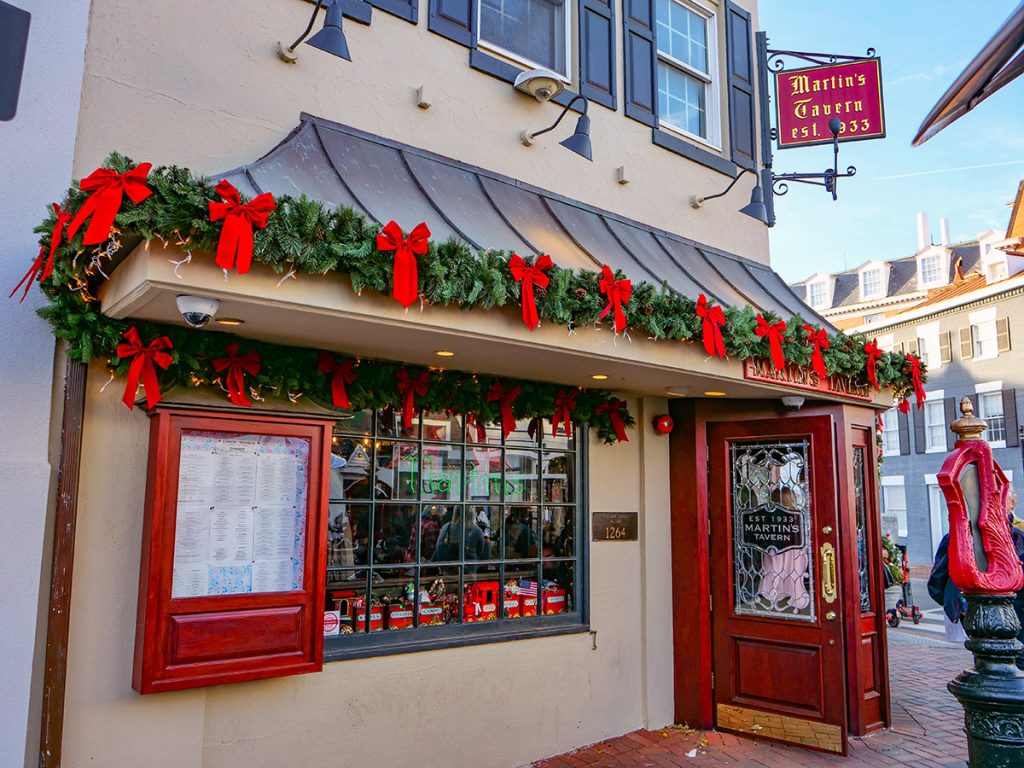
    Step into a piece of Georgetown history at Martin’s Tavern, a family-owned establishment that has been serving locals and luminaries since 1933. This beloved institution has hosted every U.S. president from Harry Truman onwards, earning its nickname as “The Presidential Watering Hole.”

    Most famously, Booth 3 (known as the “Proposal Booth”) is where JFK reportedly proposed to Jackie in 1953. The tavern retains its classic dark wood interior, stained glass windows, and cozy booths while serving hearty American comfort food.

    Their Sunday brunch is legendary, featuring dishes like their famous Chesapeake Benedict. Beyond the presidential history, Martin’s embodies Georgetown’s neighborhood spirit and offers visitors an authentic taste of old Washington.
    Chesapeake and Ohio Canal

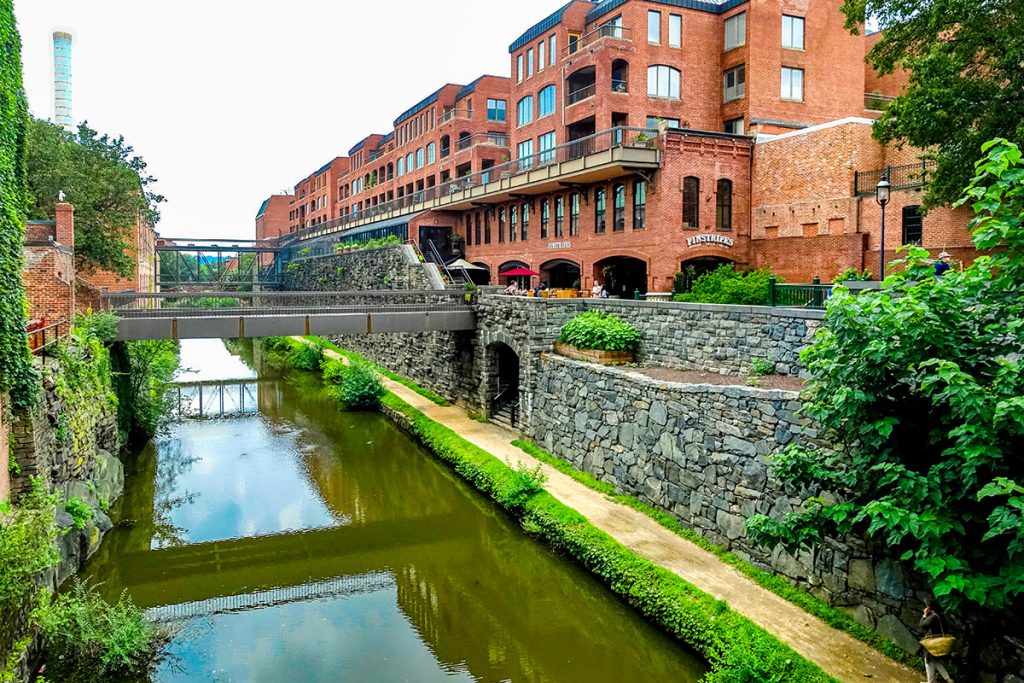
    The historic C&O Canal, once a vital transportation route, now serves as a scenic recreational path. Rent a bike or take a leisurely walk along the towpath while enjoying views of the canal’s lock systems and 19th-century lockhouses.

    For a unique experience, book a boat tour on one of the replica canal boats during spring and summer months, where park rangers in period clothing explain the canal’s historical significance.
    Blues Alley Jazz Club

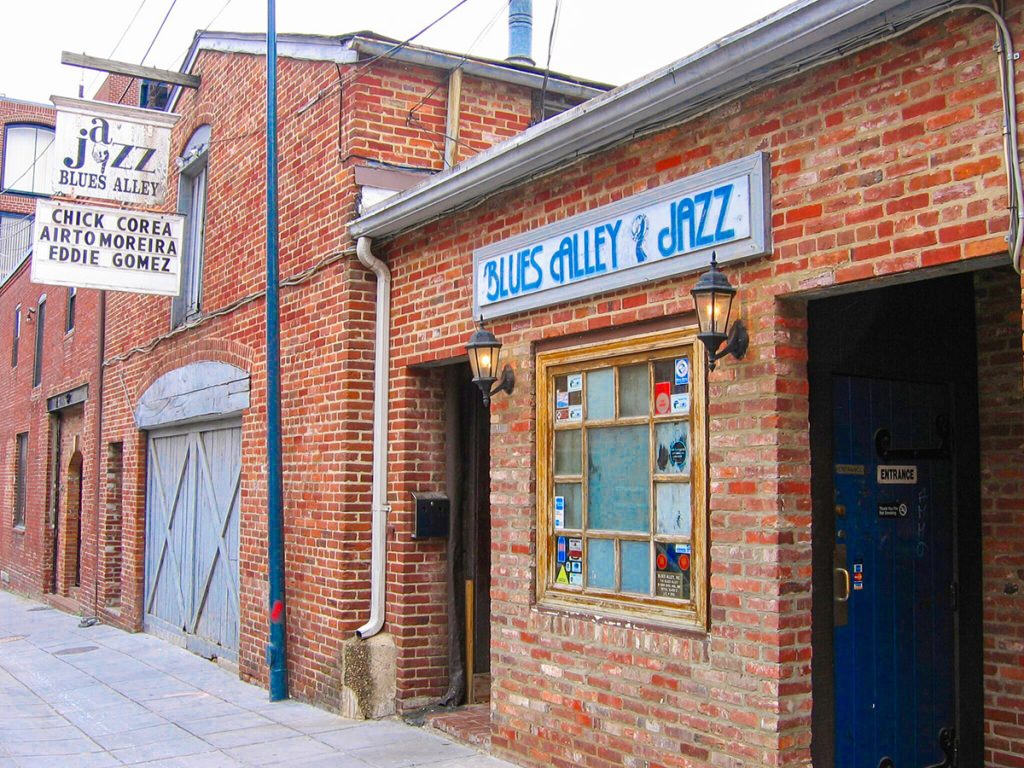
    Enjoy dinner and drinks while experiencing live performances in America’s oldest continuing jazz supper club. Blues Alley Jazz Club brings world-class music to an intimate setting in a historic 18th-century carriage house.
    Old Stone House

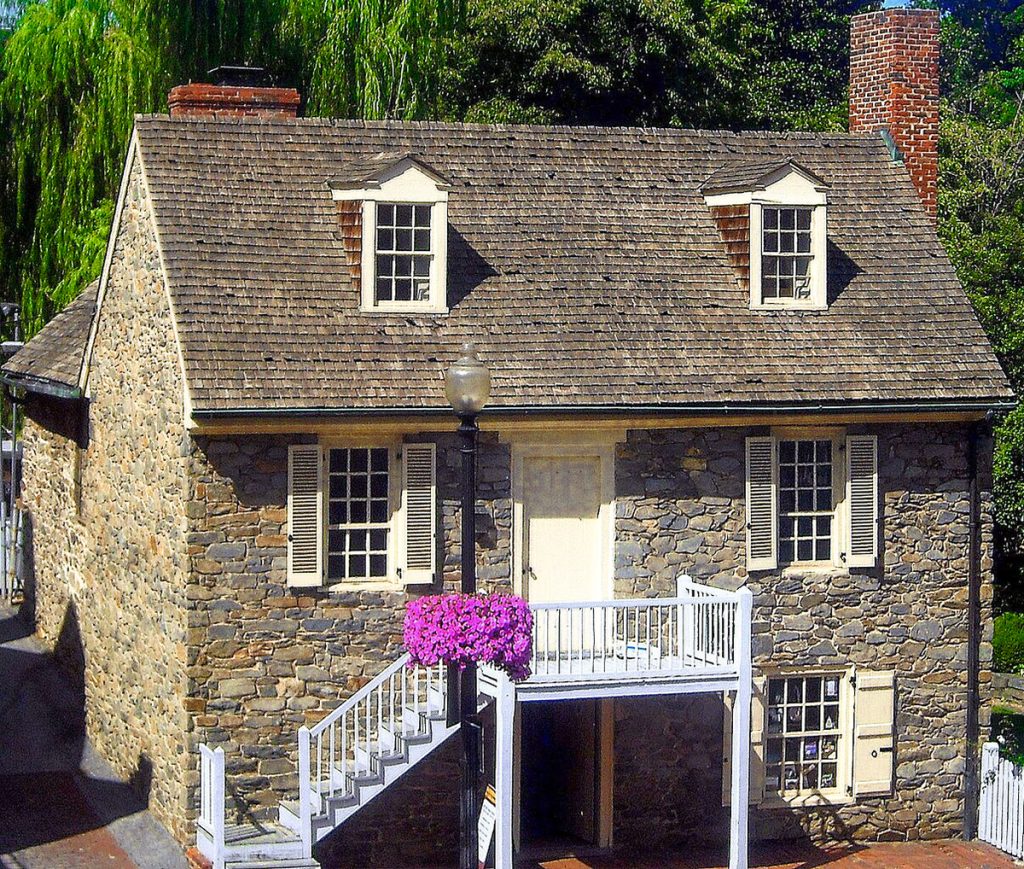
    Built in 1765, The Old Stone House stands as DC’s oldest unchanged building and offers a fascinating glimpse into pre-Revolutionary America. This National Park Service site features period furnishings and a beautiful garden.

    Take a self-guided tour through the house to experience what life was like in colonial Georgetown, and don’t miss the charming garden out back – a peaceful oasis in the bustling neighborhood.
    Paddle on the Potomac River

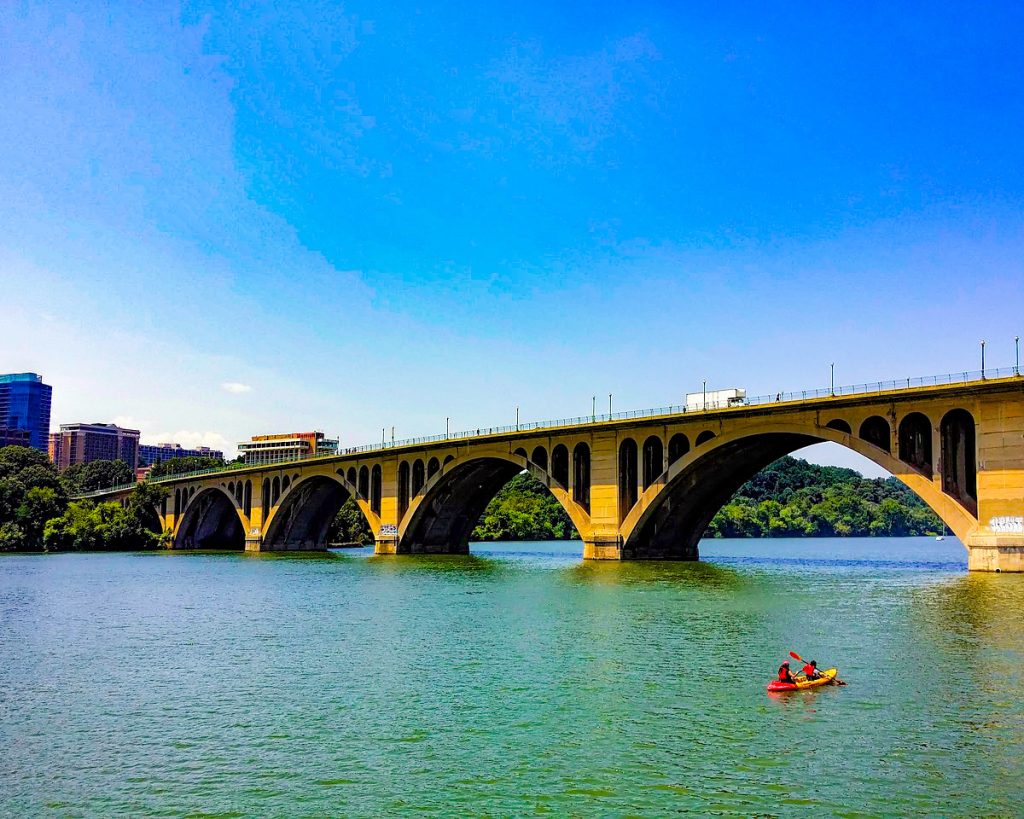
    For a different perspective of Georgetown, rent a kayak, canoe, or paddleboard from the Thompson Boat Center or Key Bridge Boathouse. Gliding along the Potomac gives you spectacular views of the Kennedy Center, Roosevelt Island, and Georgetown’s historic waterfront.
    La Bohème

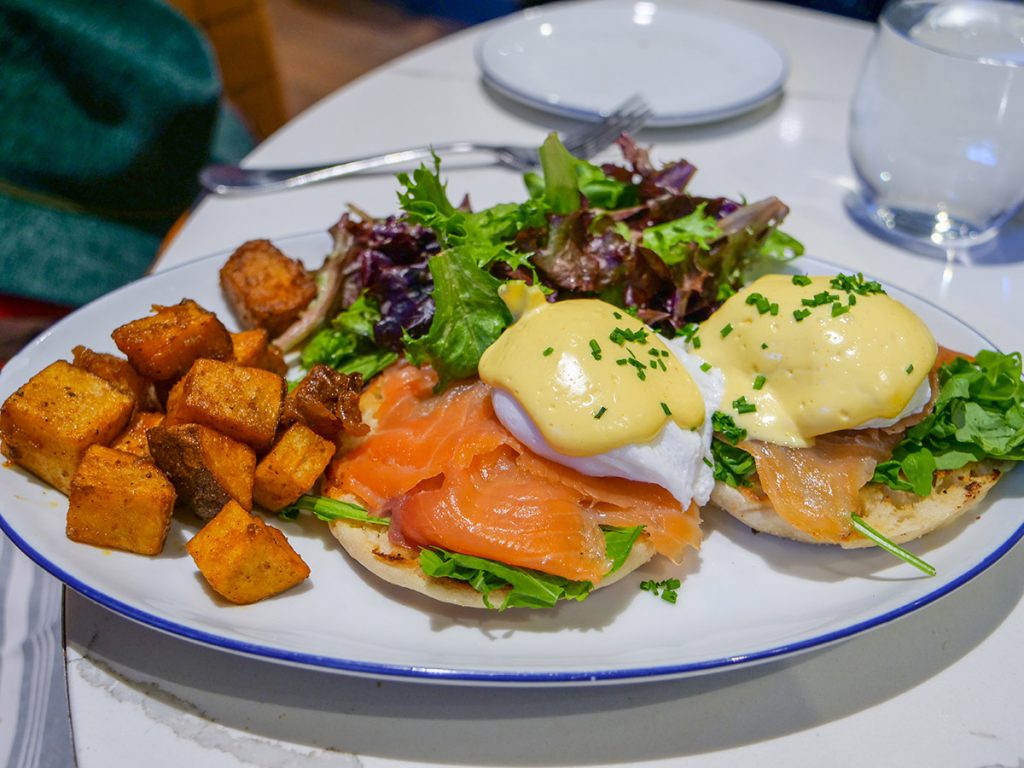
    Located at 2622 P St NW, La Boheme offers an authentic French bistro experience with its charming atmosphere and classic dishes. This Washington hidden gem features a cozy interior with exposed brick walls and intimate lighting, perfect for a romantic dinner or special occasion.

    Their menu showcases traditional French classics with modern interpretations, from perfectly executed coq au vin to delicate seafood dishes. The restaurant’s outdoor patio seating is particularly delightful during spring and summer months.
    Georgetown University Campus

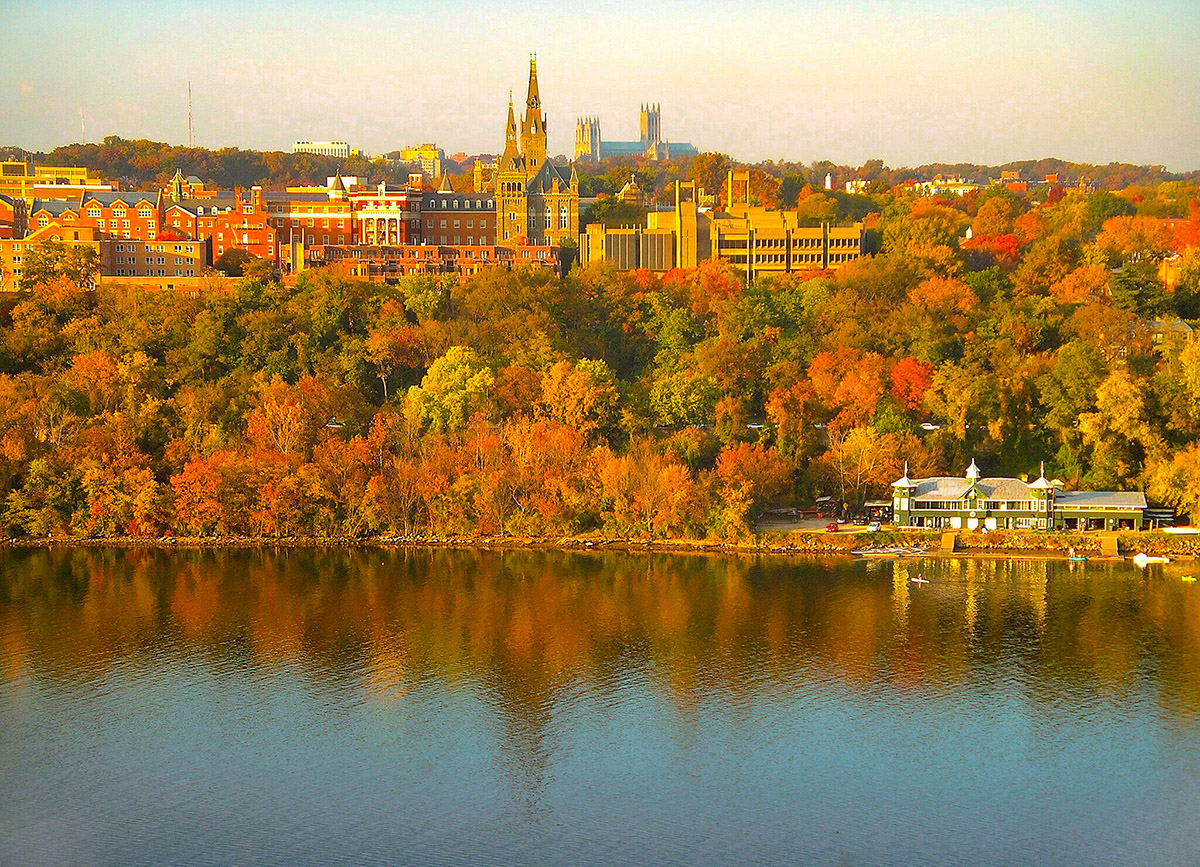
    Founded in 1789, Georgetown University boasts stunning Gothic architecture and beautiful grounds. Take a campus tour or simply wander through the historic buildings, including Healy Hall with its impressive spires.

    The university’s hilltop location offers some excellent views of the Potomac River.

    Tudor Place Historic House and Garden

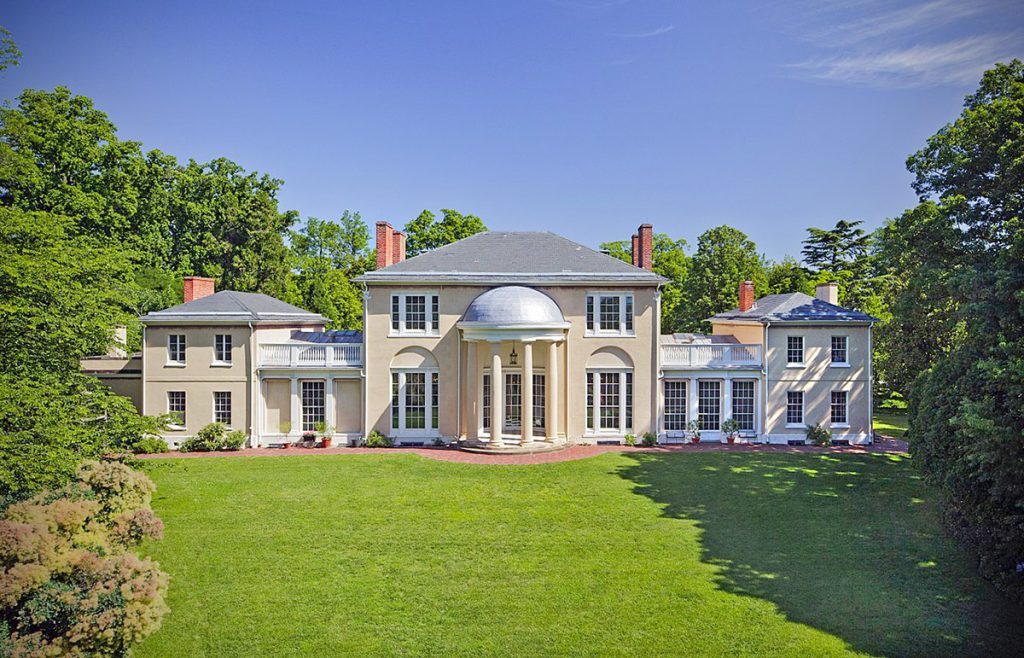
    Built by Martha Washington’s granddaughter, this neoclassical mansion holds one of the largest collections of Washington family heirlooms outside Mount Vernon. The five-acre garden showcases various landscape styles from the 18th to 20th centuries.
    Shopping in Georgetown DC

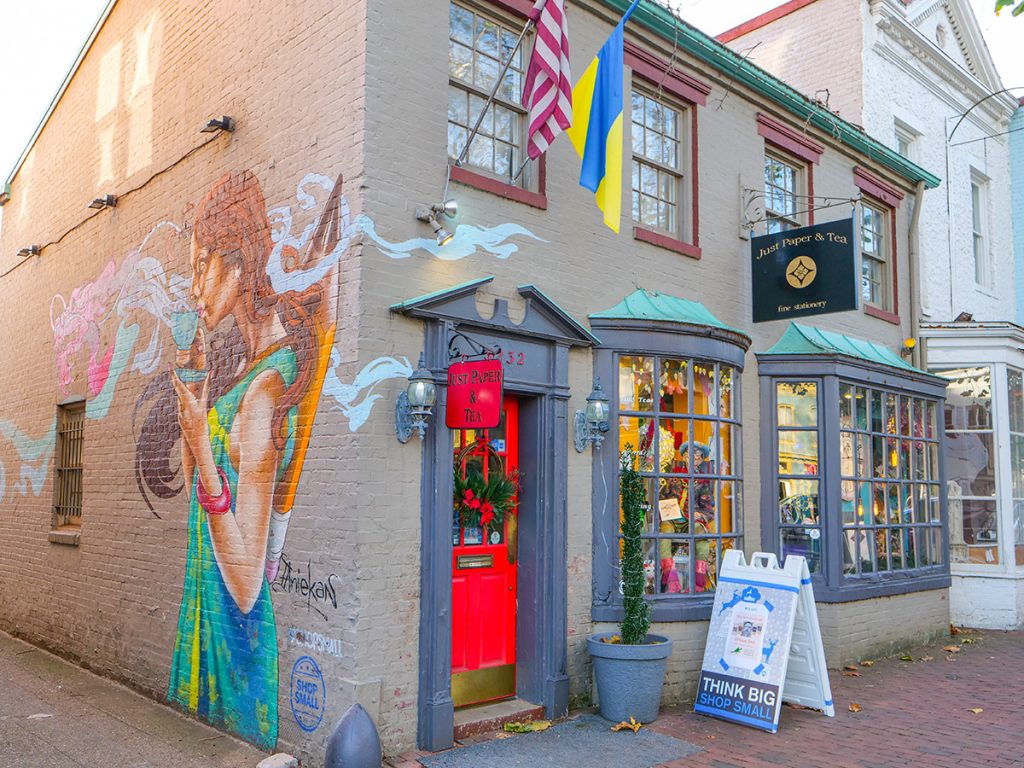
    Georgetown’s main commercial corridors offer everything from high-end designer boutiques to quirky independent shops. The neighborhood is a haven for vintage enthusiasts with several standout shops offering everything from designer couture to quirky collectibles.

    M Street and Wisconsin Avenue form Georgetown’s main shopping arteries. Browse men’s fashion favorites like Buck Mason, J. Press, Sid Mashburn and Sézane, Reformation and Rag & Bone for women. The restored historic buildings housing these shops add to the charm of your shopping experience.

    Interior design enthusiasts shouldn’t miss Georgetown’s Design District, with high-end home furnishing stores, art galleries, and architecture studios. This area is home to upscale furniture retailers like Design Within Reach and Waterworks.
    Local Tips

    • Visit on weekdays to avoid the heaviest crowds
    • Many historic houses offer free tours on weekends
    • Parking can be challenging; consider using ride-share services
    • Make dinner reservations in advance, especially for weekend dining
    • Check Georgetown BID’s website for seasonal events and festivals
    • The best photo opportunities are during early morning or sunset
    • Georgetown’s cobblestone sidewalks are charming but challenging in heels!

    How to Get To Georgetown DC

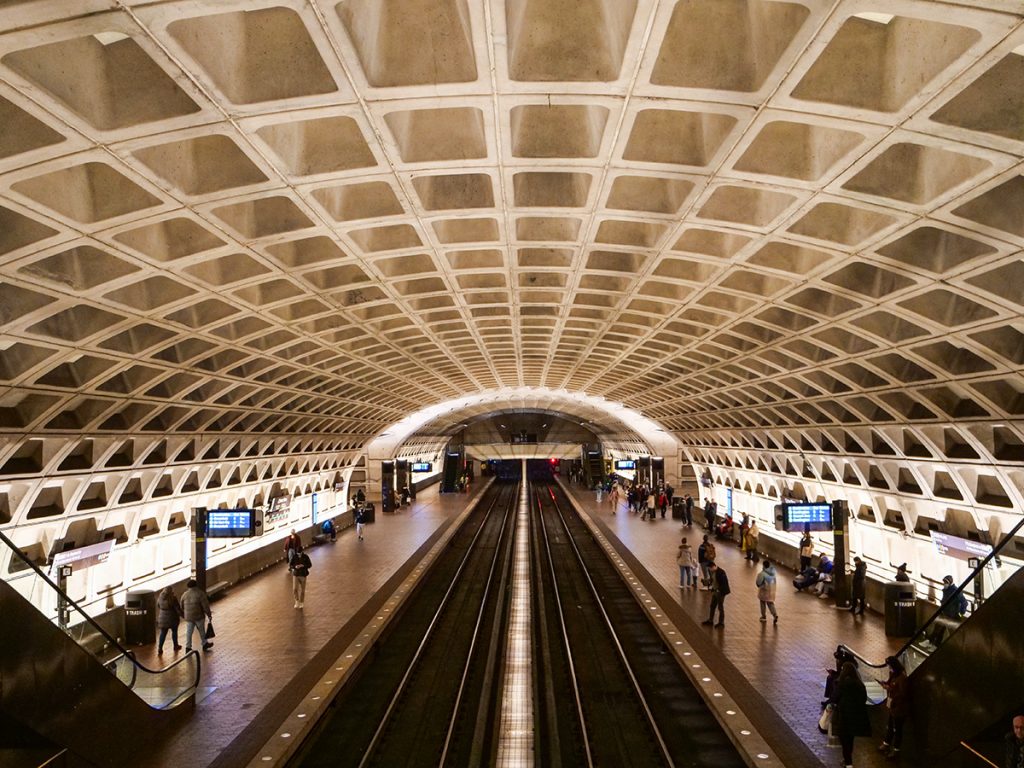
    Georgetown isn’t directly accessible by Metro, but don’t let that deter you. Take the Blue, Orange, or Silver line to Foggy Bottom station, then either walk 10 minutes or hop on the free Georgetown Circulator Bus.

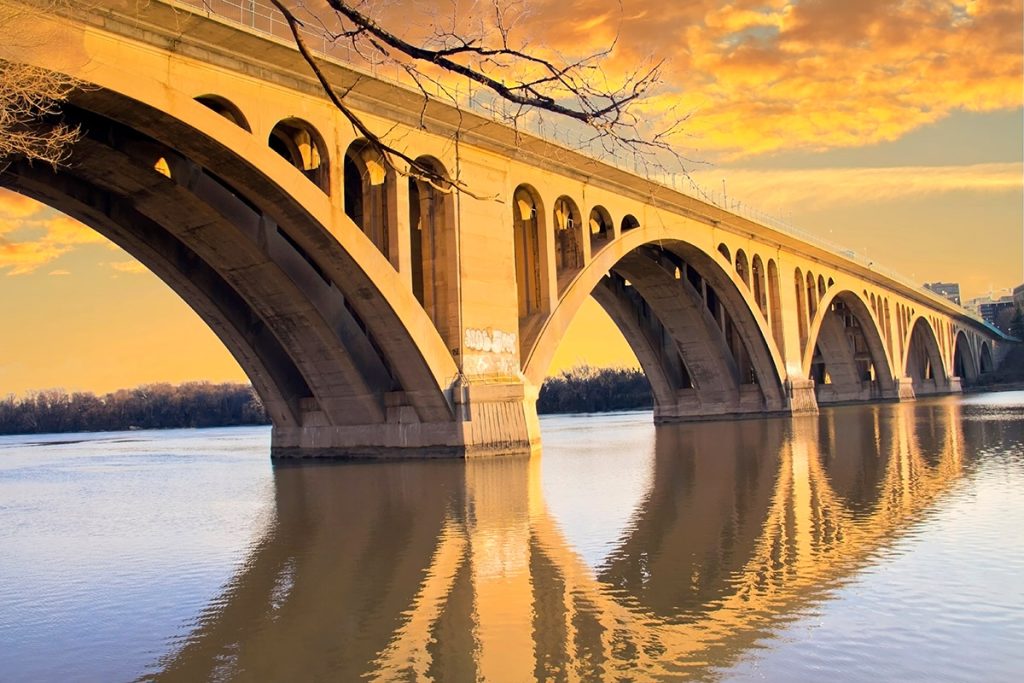
    Alternatively, catch the 30-series Metrobus from downtown DC or walk across Francis Scott Key Memorial Bridge.
    Where to Stay in Georgetown DC

    The Ritz-Carlton Georgetown offers luxury accommodations with prime location access to all attractions. For boutique charm, try The Graham Georgetown with its popular rooftop bar, or Georgetown Inn, a historic property with modern amenities.

    Best Time to Visit Georgetown DC

    Spring (March-May) and Fall (September-November) offer the most pleasant weather and beautiful scenery. December is magical with holiday decorations and shopping, while summer brings outdoor dining and waterfront activities to life.

    Remember to wear comfortable walking shoes – Georgetown is best experienced on foot, allowing you to discover hidden courtyards, historic homes, and secret gardens that make this neighborhood so special.
  • 10 Luxurious Art-Focused American Road Trips You Should Take

    10 Luxurious Art-Focused American Road Trips You Should Take

    To celebrate World Art Day on April 15th, we’re featuring the best art focused American road trips connecting the nation’s cultural capitals. Each journey combines breathtaking scenery, exceptional accommodations, and unforgettable art experiences.

    1.The Northeast Art Corridor: New York to Boston

    Begin at The Frick Collection in NYC, followed by a private tour of MoMA. Stay at The Mark Hotel on Manhattan’s Upper East Side.

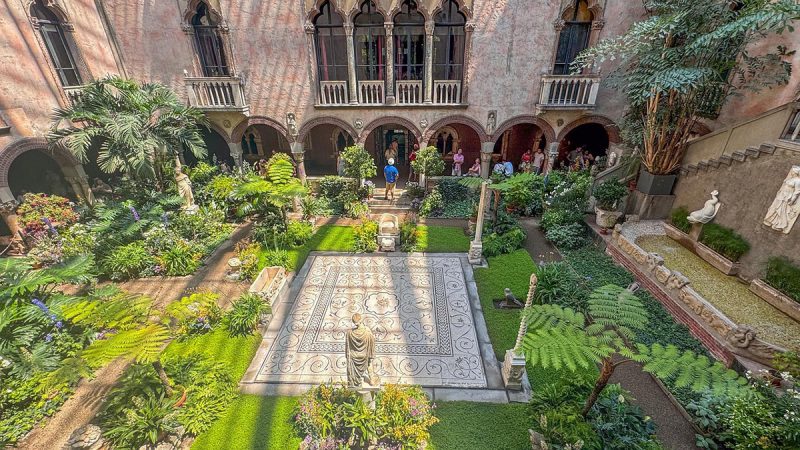
    Drive to New Haven for the Yale University Art Gallery, then continue to the Clark Art Institute in Williamstown, MA. End in Boston with the Isabella Stewart Gardner Museum and stay at the XV Beacon hotel with its own art collection.

    Luxury touch: Book a chauffeured Bentley to navigate the route while you enjoy the scenery.

    2.California Art & Wine Trail: San Francisco to Los Angeles

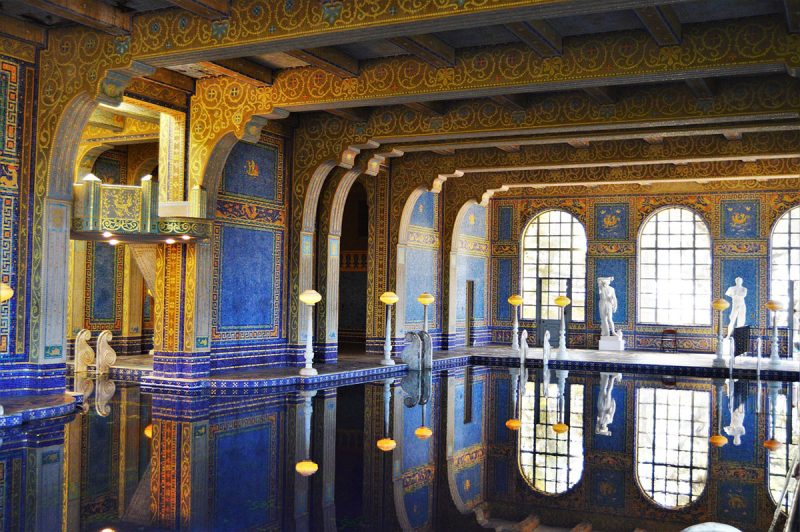
    Start at SFMOMA with a curator-led experience and stay at the St. Regis San Francisco. Visit the renowned art collection at Hearst Castle en route.

    When it reopens, explore the Getty Villa in Malibu with reserved entry. End at The Broad in downtown LA and stay at Hotel Bel-Air or the Waldorf Astoria Beverly Hills.

    Luxury touch: Schedule private wine tastings at exclusive vineyards along the central coast, featuring limited-edition artist-designed labels.

    3.Southern Heritage & Contemporary Art: New Orleans to Miami

    Start with a private collection tour in New Orleans’ Garden District. Book a stay at Maison Métier or The Ritz-Carlton, New Orleans and visit the Ogden Museum of Southern Art.

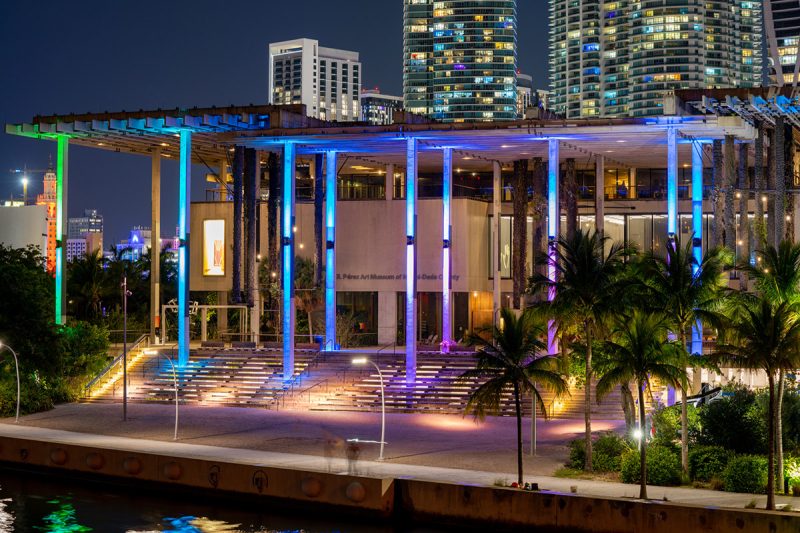
    Continue to the High Museum of Art in Atlanta. Finish your arty American road trip at the Pérez Art Museum Miami and the Rubell Museum. Stay at the stunning Faena Hotel Miami Beach.

    Luxury touch: Arrange helicopter transfers between select cities to maximize time at each artistic destination.

    4.Desert Modernism: Santa Fe to Palm Springs

    Begin at SITE Santa Fe and then the Georgia O’Keeffe Museum. Stay at the Four Seasons Resort Rancho Encantado.

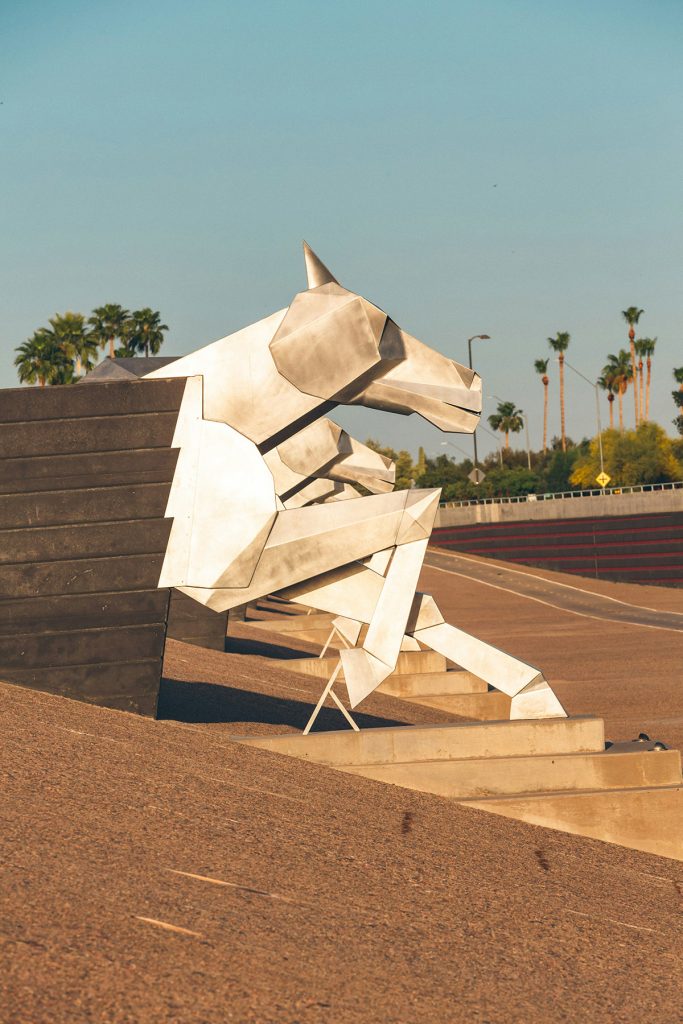
    Visit Scottsdale’s impressive public art installations and tour the extraordinary collections at Phoenix Art Museum. End at the Palm Springs Art Museum and book a stay at the Parker Palm Springs.

    Luxury touch: Coordinate with galleries for private viewings and artist meet-and-greets in each location.

    5.Great Lakes Art Adventure: Chicago to Detroit

    Start at the Art Institute of Chicago with an exclusive skip-the-line guided tour. Check out some of the most photogenic Chicago sights and stay at The Peninsula Chicago or The Blackstone.

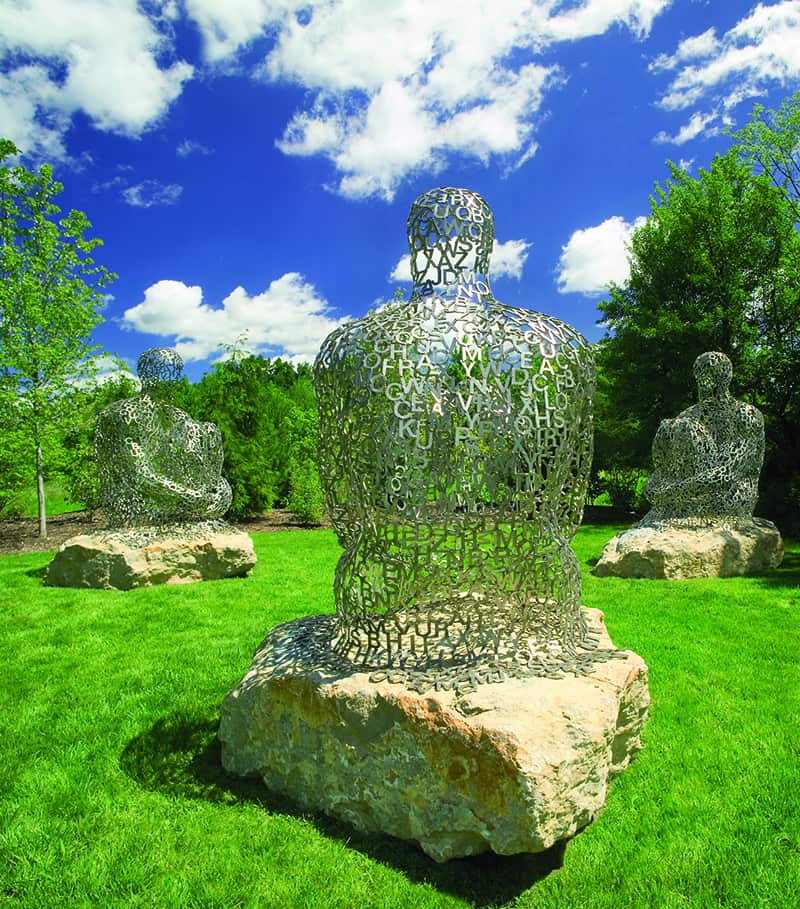
    Next, visit the Milwaukee Art Museum’s architectural marvel. Tour the Frederik Meijer Gardens & Sculpture Park in Grand Rapids. End at the Detroit Institute of Arts and the Museum of Contemporary Art Detroit. Stay at the Book the Detroit Foundation Hotel.

    Luxury touch: Enjoy a private boat tour of Lake Michigan featuring architectural highlights and waterfront sculpture parks.

    6.Pacific Northwest Art Odyssey: Portland to Vancouver

    Begin your journey at the Portland Art Museum with its impressive Native American collection. Stay at The Nines hotel, itself a showcase for local artists.

    Drive north to Seattle’s Olympic Sculpture Park with its stunning Puget Sound backdrop. Visit the Seattle Art Museum for its exemplary Asian art collections.

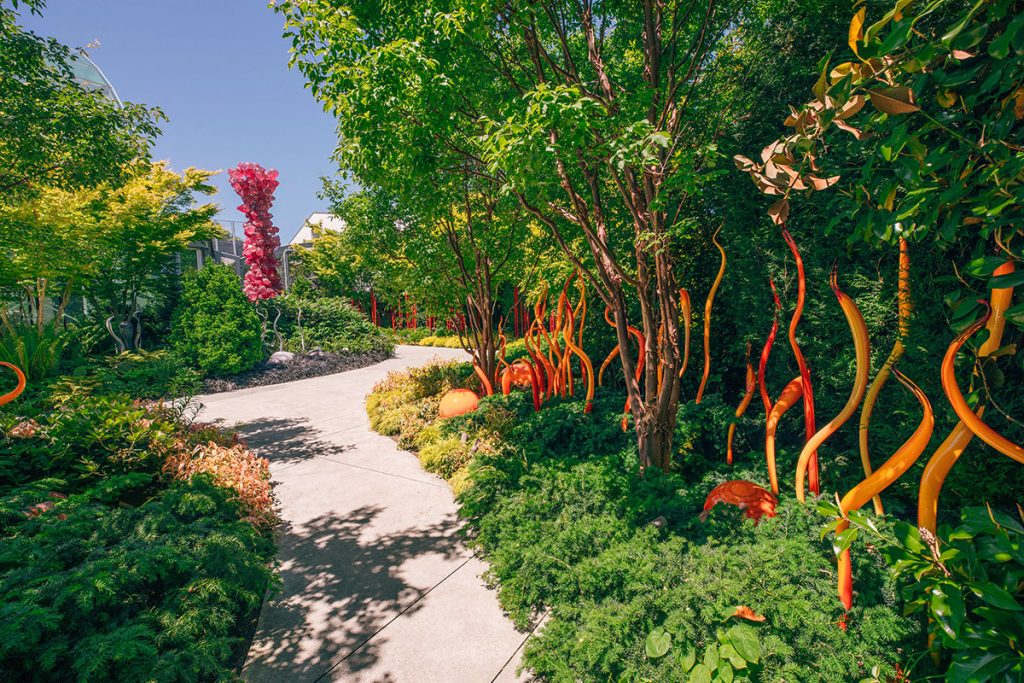
    Continue to the breathtaking Chihuly Garden and Glass in Seattle. Cross the border to Vancouver for the Vancouver Art Gallery and Bill Reid Gallery of Northwest Coast Art. Conclude your stay at the Fairmont Pacific Rim with its own impressive art program.

    Luxury touch: Charter a seaplane between Seattle and Vancouver for magnificent aerial views of the cascading landscapes that inspire regional artists.

    7.Rocky Mountain Art Expedition: Denver to Santa Fe

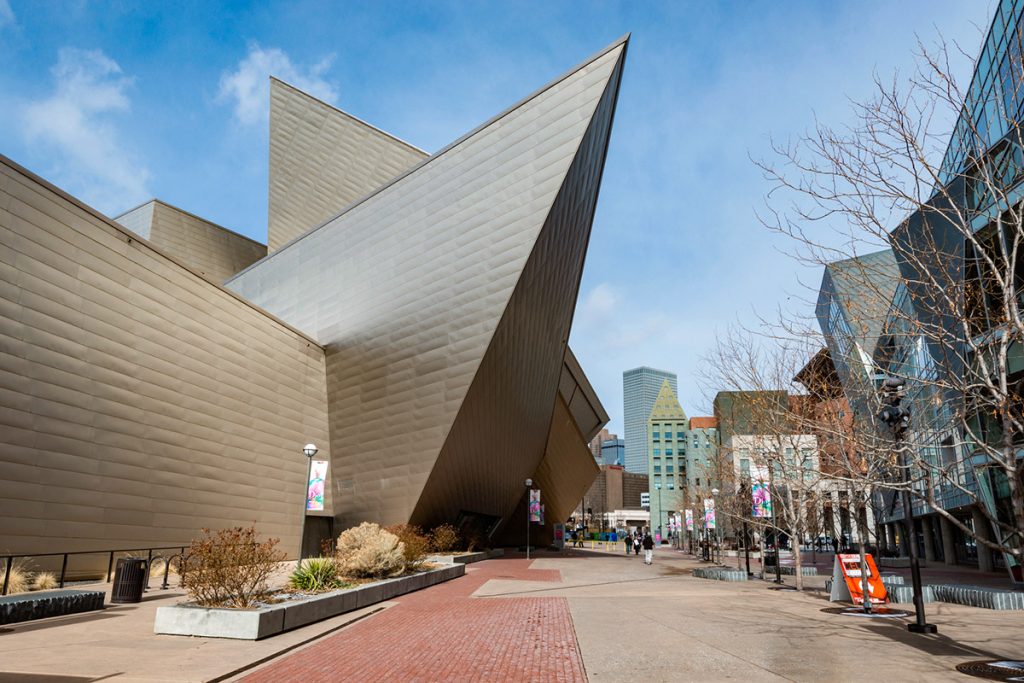
    Start at the Denver Art Museum with its striking Daniel Libeskind architecture and renowned American Indian collection. Stay at The Art Hotel Denver, where each floor is curated as its own gallery.

    Wind through the mountains to Aspen to visit the Aspen Art Museum. Continue to Taos to explore its historic art colony at Taos Historic Museums and Millicent Rogers Museum in El Prado.

    Complete your journey in Santa Fe at Meow Wolf’s House of Eternal Return immersive art installation. Rest at The Inn of the Five Graces with its intricate artisanal decor.

    Luxury touch: Engage a professional photographer to document your journey through these dramatically beautiful landscapes and artistic venues.

    8.Mid-Atlantic Heritage Route: Washington DC to Hudson Valley

    Begin with privileged access to the National Gallery of Art in Washington DC. Stay at the Jefferson Hotel with its collection of original documents and artwork.

    Drive to Baltimore for the American Visionary Art Museum’s unique outsider art collection. Continue to Philadelphia for the Barnes Foundation’s unparalleled Impressionist works.

    Journey to the Brandywine Museum of Art in Chadds Ford to explore the Wyeth family legacy. Conclude in New York’s Hudson Valley at the spectacular Dia Beacon and Storm King Art Center.

    Stay at Glenmere Mansion, a Relais & Châteaux property filled with fine art.

    Luxury touch: Reserve a table at Blue Hill at Stone Barns for an artistic culinary experience that complements your art tour.

    9.Southern Music & Visual Arts Trail: Nashville to Memphis

    Commence your artistic journey in Nashville at the Frist Art Museum housed in a stunning Art Deco building. Stay at the 21c Museum Hotel, where contemporary art gallery meets luxury accommodation.

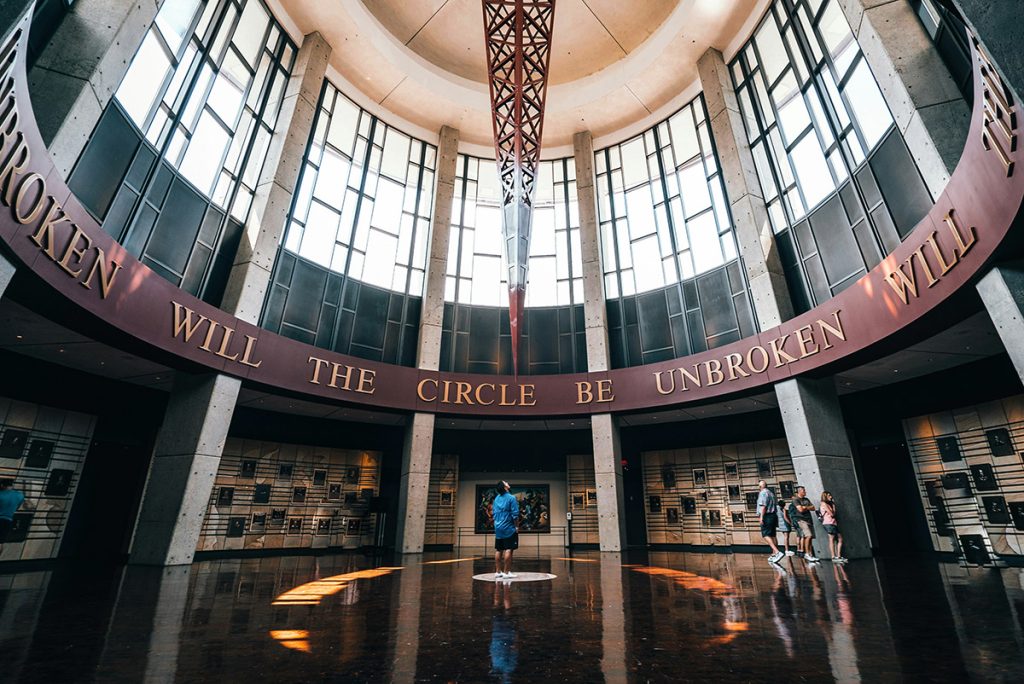
    Visit the Country Music Hall of Fame for its cultural artifacts. Drive to Memphis to explore the Brooks Museum of Art and its impressive collection spanning 5,000 years.

    Experience the National Civil Rights Museum at the Lorraine Motel. Stay at The Memphian, The Peabody or the River Inn of Harbor Town with its classic Mississippi River views.

    Luxury touch: Arrange for a private studio session with renowned Nashville session musicians, creating your own artistic souvenir.

    10.Texas Triangle Art Circuit: Dallas to Austin to Houston

    Begin in Dallas at the Dallas Museum of Art and the adjacent Nasher Sculpture Center. Stay at The Joule hotel with its impressive contemporary art collection.

    Drive to Fort Worth for the Kimbell Art Museum and its Louis Kahn architecture. Continue to Austin for the Blanton Museum of Art at the University of Texas and the modern art scene at The Contemporary Austin.

    Finish in Houston at the Museum of Fine Arts, the remarkable Menil Collection and nearby Rothko Chapel. Stay at The Post Oak Hotel with its multi-million-dollar art collection.

    Luxury touch: Commission a custom piece from a Texas artist encountered along your journey, creating a lasting memory of your art exploration.

    For each road trip, consider engaging a personal art consultant who can arrange behind-the-scenes access, introduce you to gallery owners, and provide expert context as you move between destinations. The most luxurious art road trips are those that offer not just comfort, but connection – to artists, collectors, and the stories behind American masterpieces.

  • 16 Most Famous American Paintings: A Journey Through History

    16 Most Famous American Paintings: A Journey Through History

    American art has shaped our national identity and cultural narrative through the centuries. From colonial portraits to modern abstracts, these masterpieces capture pivotal moments, cultural shifts, and the ever-evolving American spirit. Here’s a deep dive into some of the most influential and famous American paintings.

    1.American Gothic (1930) – Grant Wood

    Grant Wood’s austere portrayal of a farmer and his daughter (often mistaken for his wife) standing before their Gothic Revival farmhouse has become one of the most recognizable images in American art.

    The painting both celebrates and satirizes rural American values. Its stern-faced subjects and meticulous attention to detail becoming a symbol of Midwestern stoicism and perseverance during the Great Depression.

    You can admire this unique painting at the Art Institute of Chicago.

    2.Washington Crossing the Delaware (1851) – Emanuel Leutze

    This monumental painting captures a pivotal moment in American history, depicting George Washington leading his troops across the Delaware River on Christmas night, 1776. While historically inaccurate in several details, Leutze’s dramatic composition created an enduring symbol of American leadership and determination.

    The painting’s theatrical lighting and heroic poses established it as a cornerstone of American patriotic imagery.

    3.Nighthawks (1942) – Edward Hopper

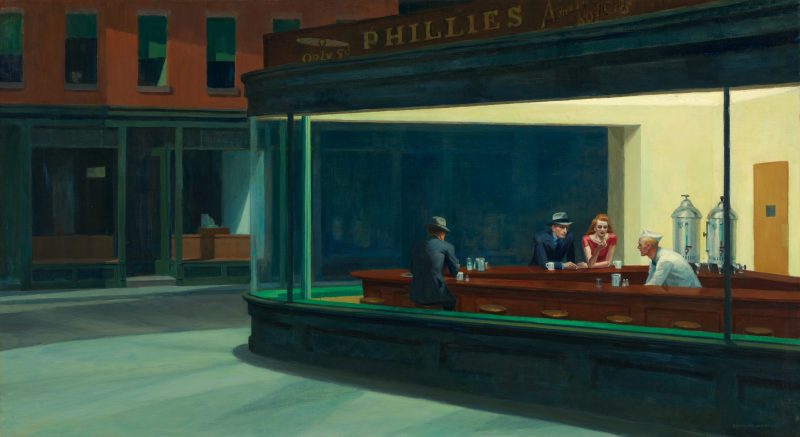
    Edward Hopper’s masterpiece depicts late-night customers at a downtown diner, capturing the isolation and loneliness of modern urban life. The stark contrast between the brightly lit diner and the dark street outside, combined with the disconnected poses of the customers, creates a haunting meditation on American solitude that resonates even more deeply in our digital age.

    4.Arrangement in Grey and Black No. 1 (1871) – James McNeill Whistler

    Better known as “Whistler’s Mother,” this portrait has become an icon of maternal dignity and American Victorian values. Despite being painted in London, its quiet power and restrained emotion have made it a symbol of American motherhood and familial devotion.

    The painting’s formal composition and limited color palette demonstrate Whistler’s masterful technique.

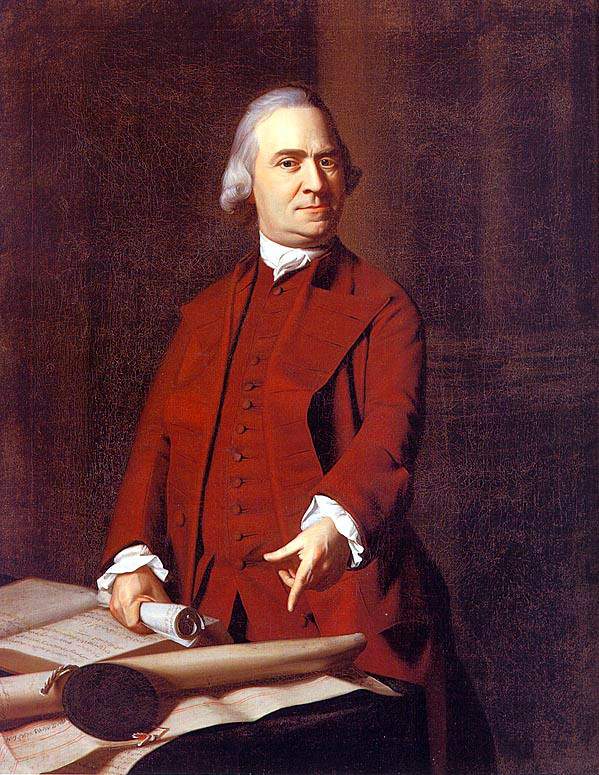
    5.Portrait of Samuel Adams (1772) – John Singleton Copley

    This defining portrait of the American Revolutionary leader captures Adams at the height of his influence. Copley’s realistic style and attention to detail create an intimate portrayal of the patriot, showing both his determination and contemplative nature.

    This impressive artwork serves as both historical document and artistic achievement.

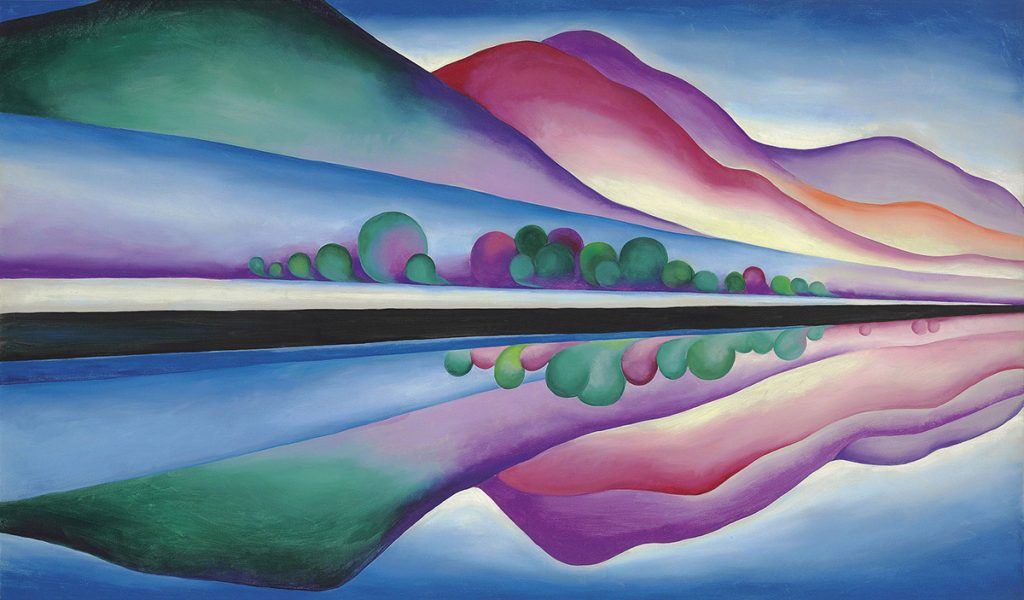
    6.Lake George Reflection (1922) – Georgia O’Keeffe

    Georgia O’Keeffe’s “Lake George Reflection” captures the serene beauty of Lake George in upstate New York through her distinctive modernist style. The painting presents a mirror-like reflection of trees and foliage on the lake’s surface, rendered in deep blues and greens that blend into abstract forms.

    O’Keeffe’s characteristic simplification of natural shapes creates a nearly symmetrical composition, with the water’s surface acting as a horizontal dividing line. The work exemplifies her ability to find abstract patterns within nature while maintaining a strong connection to the physical landscape that inspired her.

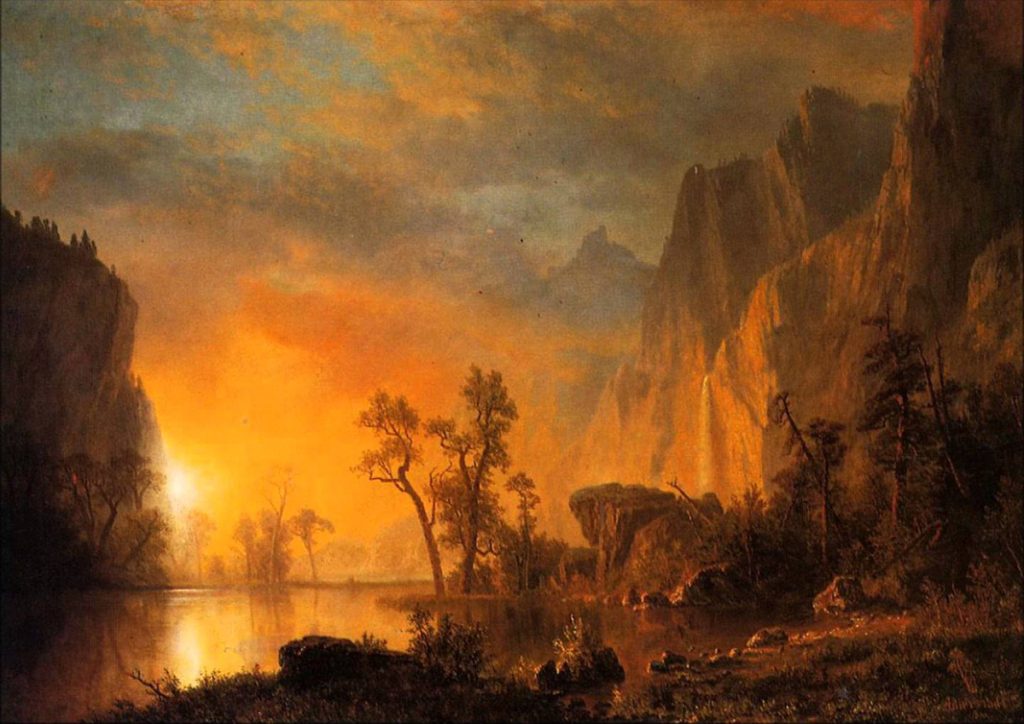
    7.Sunset in the Rockies (1865) – Albert Bierstadt

    Bierstadt’s dramatic landscape captures the sublime grandeur of the American West. His luminous technique and romantic vision helped shape the American understanding of frontier landscapes, while inspiring support for wilderness preservation.

    The imposing landscape painting exemplifies the Hudson River School’s celebration of American natural beauty.

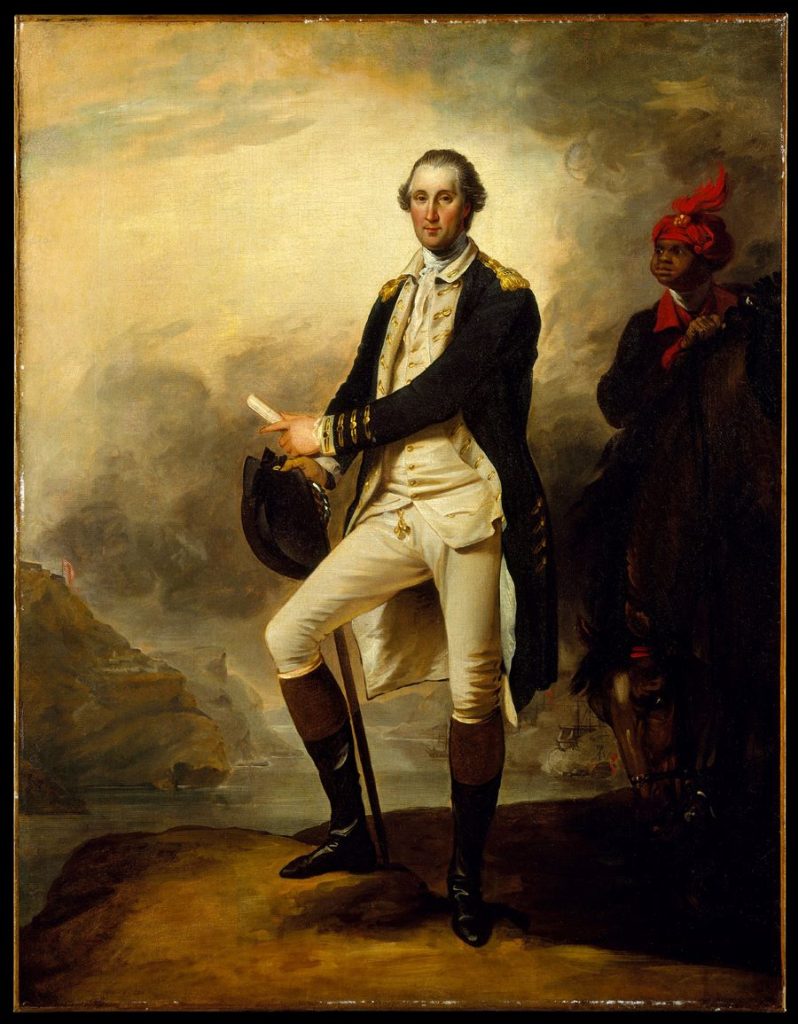
    8.Portrait of George Washington and William Lee (1780) – John Trumbull

    Trumbull’s iconic portrayal of Washington became the basis for the first president’s image on the one-dollar bill. The painting combines military dignity with simplicity, establishing the visual template for presidential portraiture.

    The politician is depicted with his military aide and valet, William Lee. Washington freed him in his will and and left him an annuity.

    9.Snap the Whip (1872) – Winslow Homer

    Homer’s vibrant depiction of boys playing in a rural schoolyard captures the essence of post-Civil War American childhood. The painting’s dynamic composition and attention to light and movement demonstrate Homer’s mastery while documenting a simpler era in American life.

    View this iconic American painting at The Metropolitan Museum of Art in New York City.

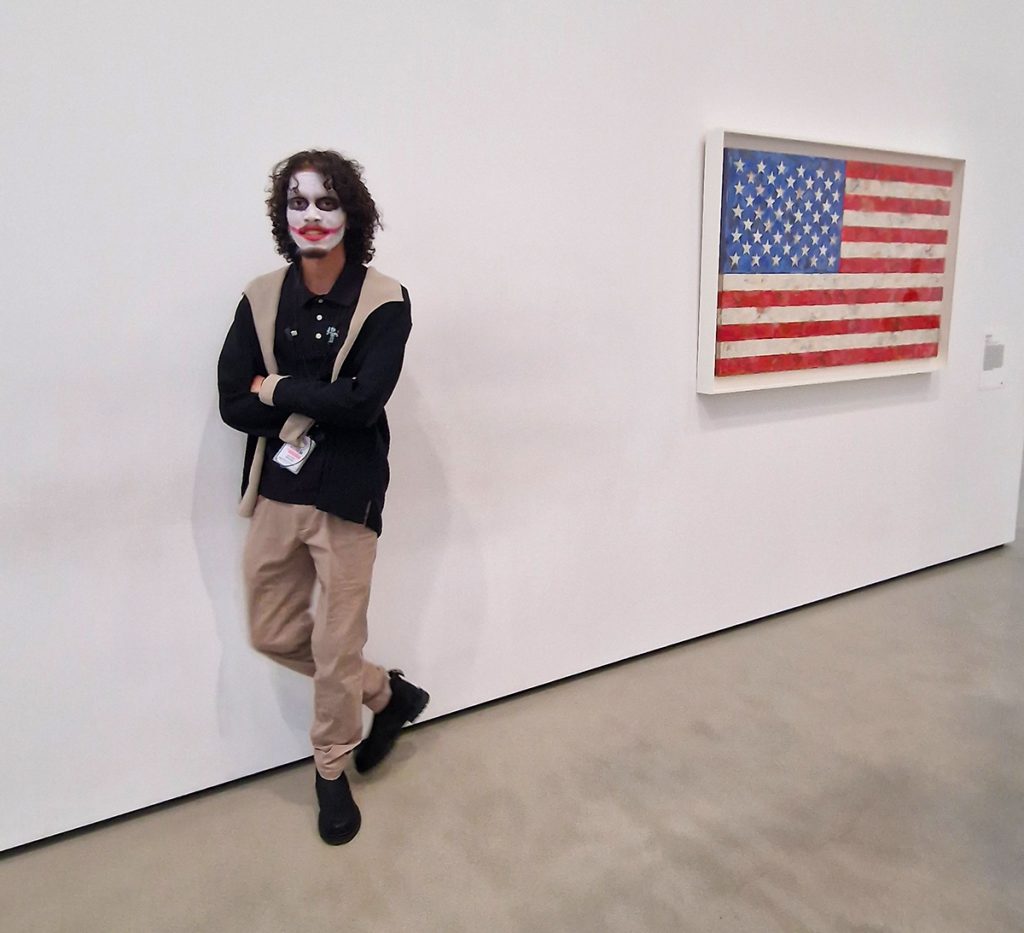
    10.Flag (1954) – Jasper Johns

    After dreaming of the American flag, Jasper Johns made this abstract expressionist work when he was just 24 years old. Created using encaustic, oil paint, and newspaper collage on canvas, the piece challenges viewers to see this familiar symbol as both an icon and a pure artistic form.

    Johns’ meticulous layering technique and textural treatment blur the line between representation and abstraction, while his use of newsprint visible beneath the surface adds depth and cultural commentary. The work marked a pivotal shift from abstract expressionism toward pop art and conceptualism.

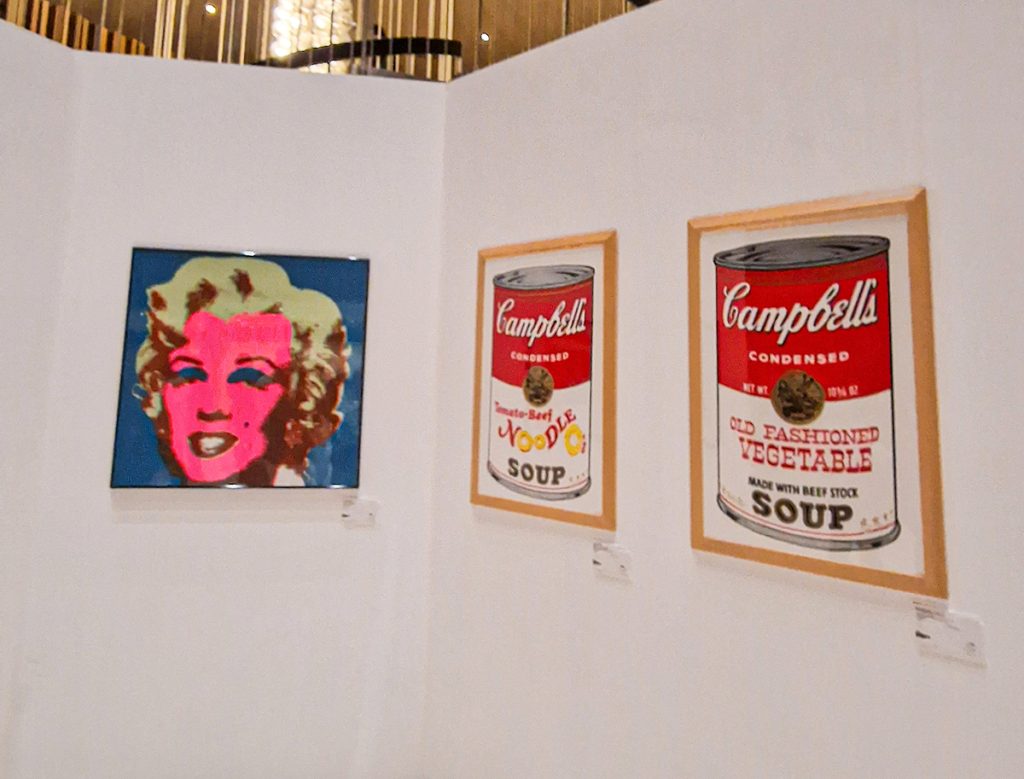
    11.Campbell’s Soup Cans (1962) – Andy Warhol

    Warhol’s series of 32 paintings featuring Campbell’s Soup cans revolutionized American art by elevating commercial products to fine art status. This work became a defining statement of Pop Art, questioning the boundaries between high art and popular culture.

    See this series at The Museum of Modern Art (MoMa) in New York City.

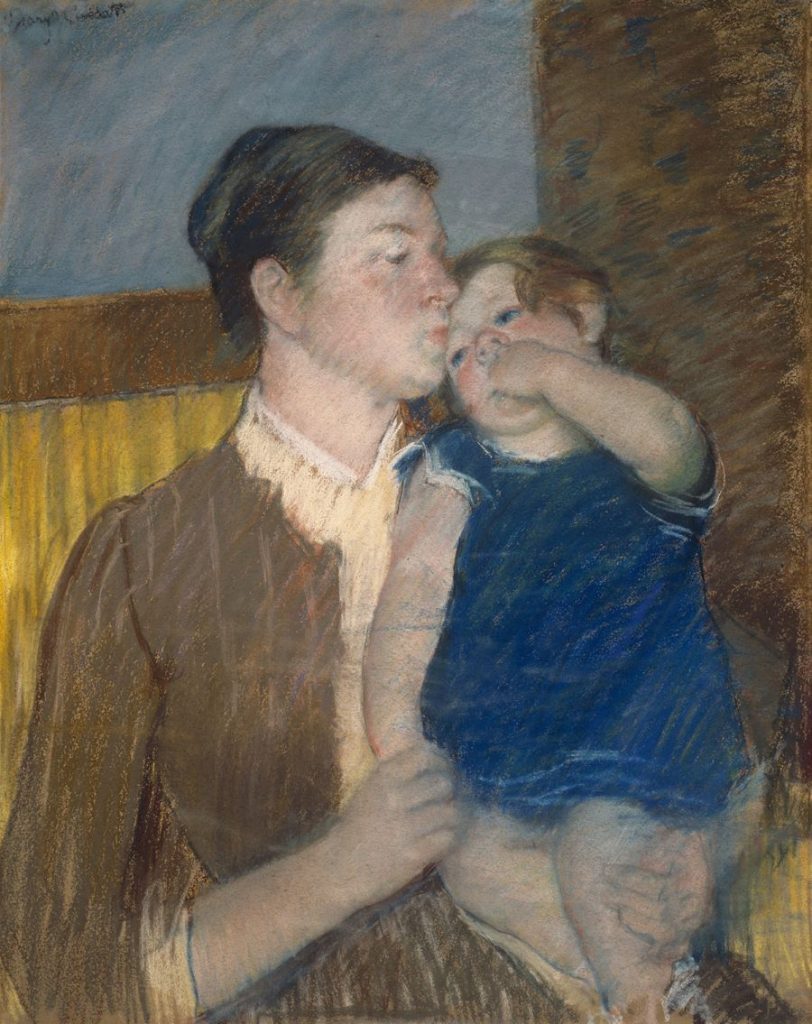
    12.Mother’s Goodnight Kiss (1888) – Mary Cassatt

    Cassatt’s intimate portrayal of maternal care combines American sentiment with French Impressionist technique. The painting’s tender subject matter and sophisticated composition demonstrate her unique ability to elevate domestic scenes to high art.

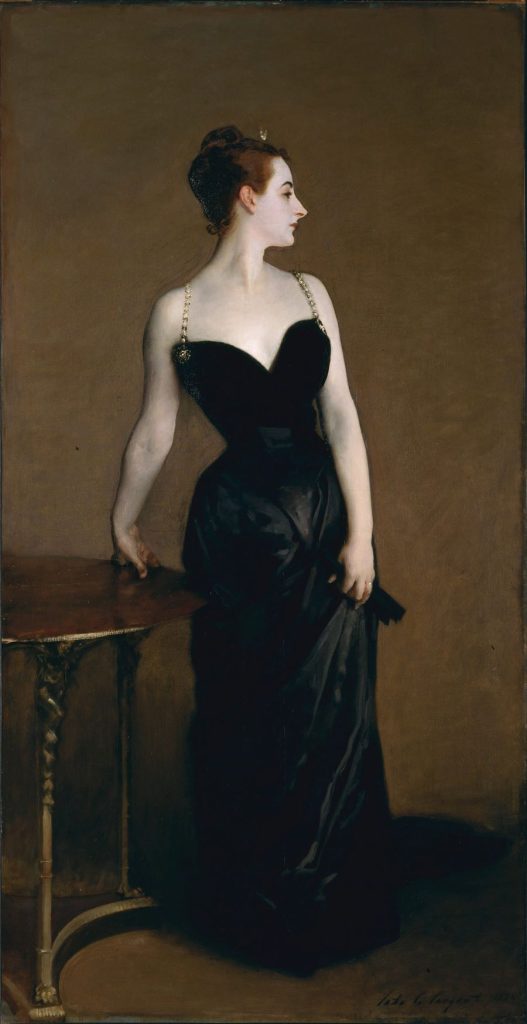
    13.Portrait of Madame X (1884) – John Singer Sargent

    Though painted in Paris, this provocative portrait of American expatriate Virginie Gautreau scandalized society while establishing Sargent’s reputation. Its elegant pose and subtle psychology make it a masterpiece of portraiture.

    14.Whaam! (1963) – Roy Lichtenstein

    Lichtenstein’s massive comic book-inspired painting perfectly captures the drama and energy of 1960s Pop Art. Its bold colors and Ben-Day dots created a new visual language for American art, bridging high art and popular culture.

    This unique artwork is on display at Tate Modern in London, UK.

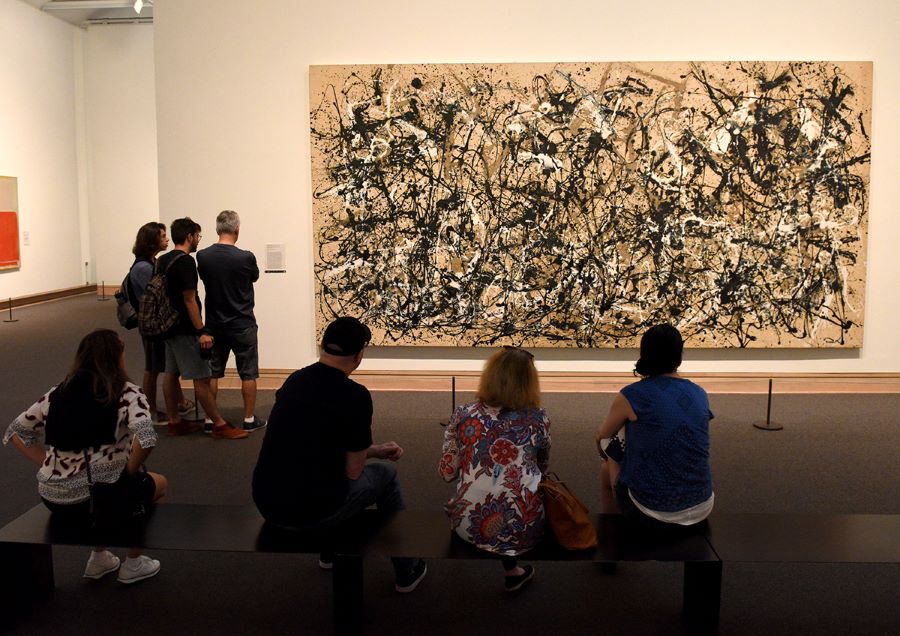
    15.Autumn Rhythm (Number 30) (1950) – Jackson Pollock

    Pollock’s revolutionary drip painting technique created a new form of artistic expression. This massive canvas exemplifies Abstract Expressionism’s emphasis on process and spontaneity, marking a decisive break with traditional painting methods.

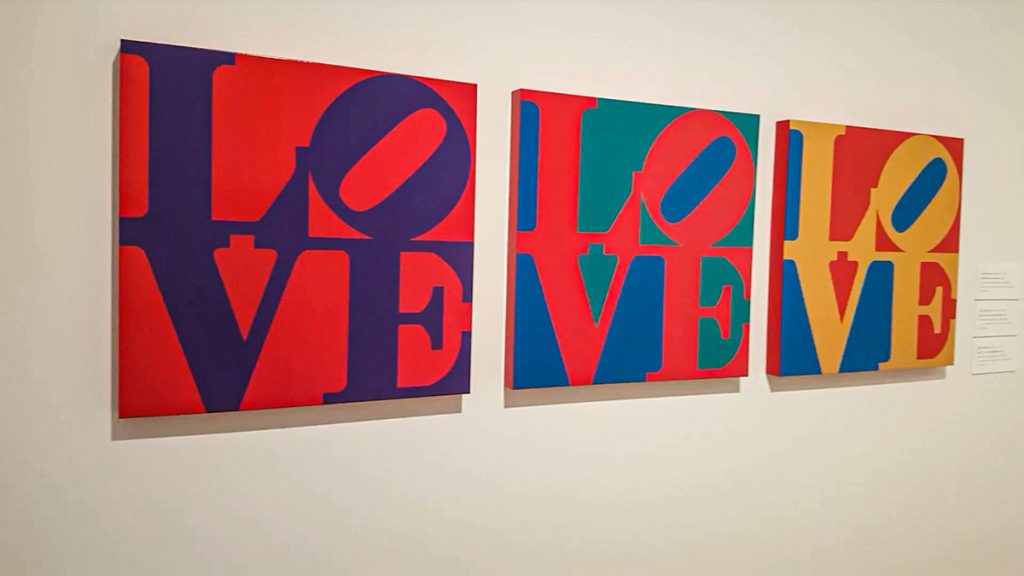
    16.LOVE (1980) – Robert Indiana

    Robert Indiana’s “LOVE” (1970) became one of the most iconic works of pop art through its bold, deceptively simple design. The piece features the letters L, O, V, and E stacked in a square formation, with the O tilted at an angle, rendered in vibrant colors.

    Originally designed as a Christmas card for the Museum of Modern Art, the image proliferated through sculptures, prints, and stamps, becoming both a symbol of 1960s idealism and a pioneering example of text-based art that blurred the lines between fine art and commercial design.

  • Perfect Washington DC Itinerary for Culture Lovers

    Perfect Washington DC Itinerary for Culture Lovers

    Washington DC isn’t just the seat of American government—it’s a treasure trove of art, history, and culture. This carefully curated Washington DC itinerary will guide you through the city’s most enriching cultural institutions, from world-class museums to historic libraries, paired with exceptional dining experiences.

    While many attractions are free, be sure to check websites for timed-entry passes and special exhibition tickets. Adapt this itinerary by picking the most appealing attractions that you can fit into the number of days you have in Washington.

    Day 1: The National Mall

    Start your cultural journey at the heart of DC—the National Mall. Begin early at the National Gallery of Art, where you can spend your morning exploring both the East and West Buildings.

    The East Building houses modern and contemporary art, while the West Building contains European and American masterpieces from the medieval period through the late 19th century. Don’t miss the underground tunnel connecting the buildings, featuring Leo Villareal’s mesmerizing Multiverse light installation.

    Lunch Option: The Pavilion Café in the National Gallery of Art’s Sculpture Garden offers a serene setting with indoor and seasonal outdoor seating. Their menu features fresh salads, artisanal sandwiches, and house-made soups—perfect for a quick museum lunch.

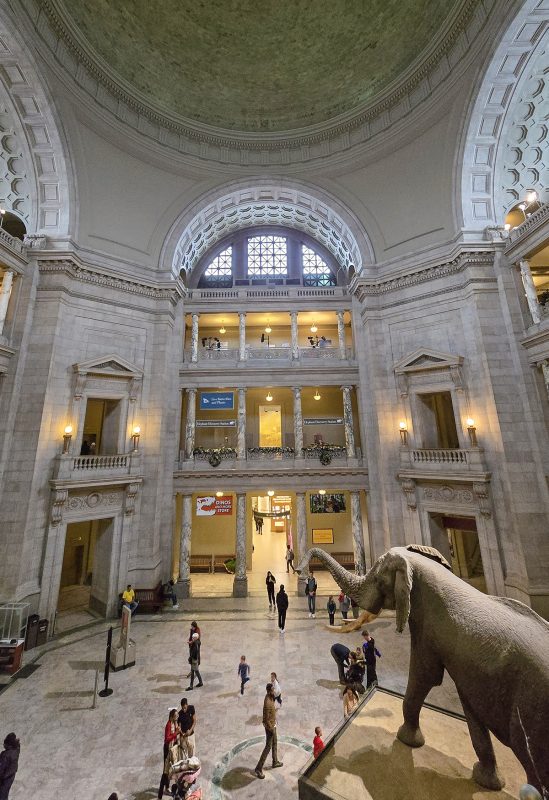
    After lunch, head to the Smithsonian National Museum of Natural History. The Hope Diamond and the Hall of Human Origins are must-sees, but leave time for the stunning Butterfly Pavilion.

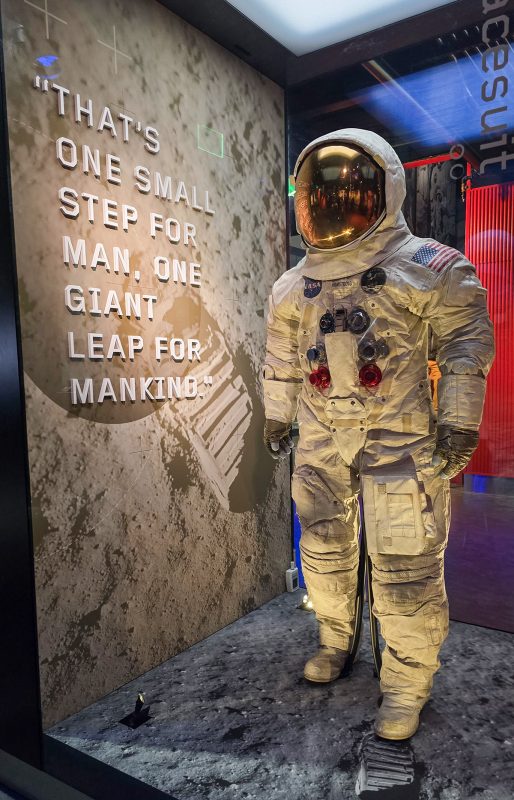
    End your day at the National Air and Space Museum, recently renovated to include cutting-edge interactive exhibits. The highlight for us was seeing Neil Armstrong’s spacesuit, and the Apollo 11 Command Module Columbia.

    Dinner Recommendation: Cap off your day at the historic Old Ebbitt Grill, Washington’s oldest restaurant and a favorite among politicians and journalists. Known for its oyster bar and classic American fare, it’s just steps from the White House. Reserve in advance, especially for dinner.

    Day 2: Politics and Power

    Begin with a free self-guided tour of the White House East Wing and Residence. US citizens can request tickets through their congressional representative 3-6 months in advance. It is also possible to book a tour online, as we did. Arm yourself with patience, as tickets are quickly snapped up and start checking the website at least a month in advance of your stay.

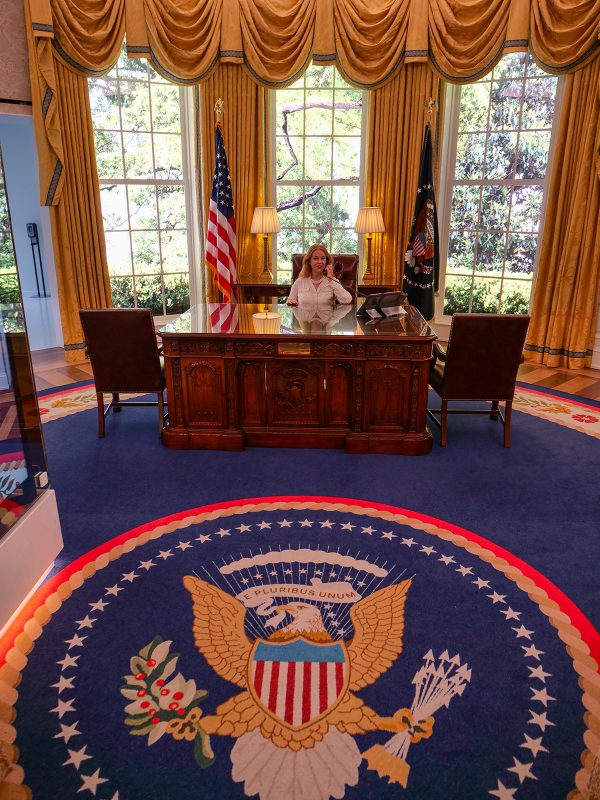
    Even if you can’t get inside the actual building, the White House Visitor Center offers fascinating exhibits about presidential history and White House architecture. Another option if you don’t have tickets is to visit The People’s House nearby. This free attraction features a lifesize replica of the famous Oval Office where you can take your photo.

    In the afternoon, visit the Folger Shakespeare Library, home to the world’s largest Shakespeare collection. Beyond its impressive Tudor-style architecture, the Folger offers rotating exhibits, a recreation of an Elizabethan theater, and rare book displays that will delight any literature enthusiast.

    Lunch Option: Quill & Crumb Café, located in the Folger Shakespeare Library, offers a casual experience in the historic Great Hall. Choose from soups, salads and sandwiches or shareables such as a personal picnic with cheese, honey, baguette, berries, pecans and lavash.

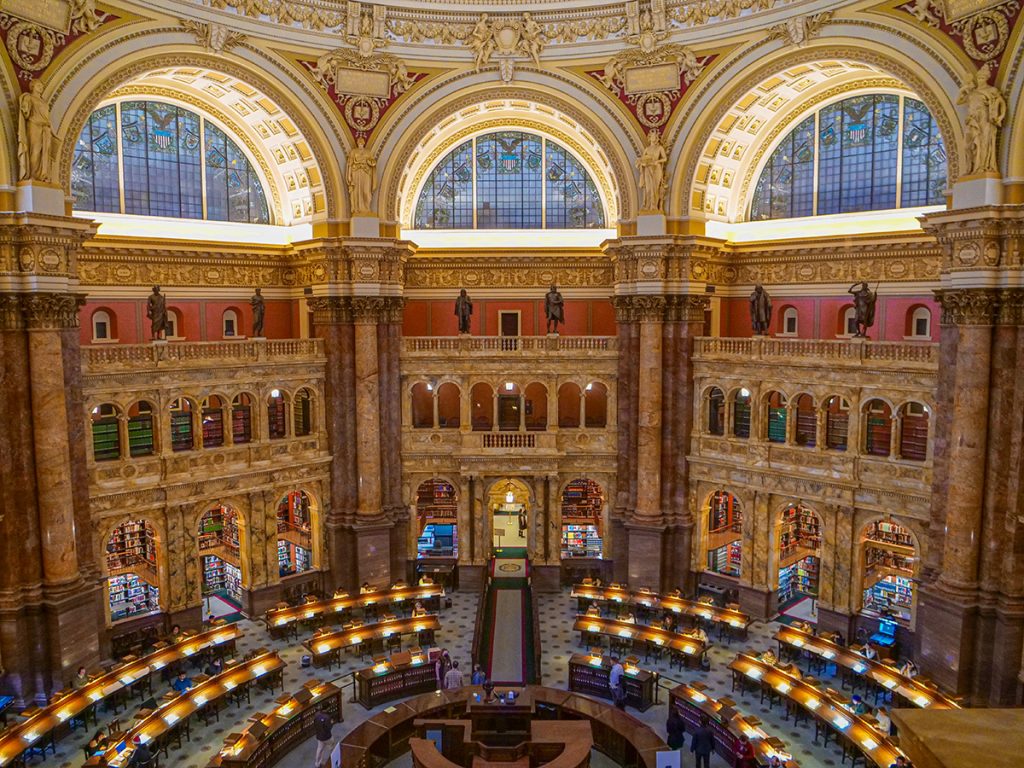
    Next, make your way to Capitol Hill to visit the magnificent Library of Congress. The Thomas Jefferson Building is an architectural masterpiece, with its ornate Great Hall and Reading Room. Don’t skip the Gutenberg Bible display or the special exhibitions.

    Dinner Recommendation: For dinner, try L’Ardente near Capitol Crossing, known for its contemporary Italian cuisine and impressive wine cellar. Their wood-fired pizzas prepared in a gold-plated pizza oven and handmade pasta have earned critical acclaim.

    Day 3: Hidden Gems and Gardens

    Dedicate your morning to the beautiful neighborhood of Georgetown. We recommend starting at the Museum at Dumbarton Oaks in Georgetown.

    This often-overlooked museum houses exceptional Byzantine and Pre-Columbian art collections. The museum’s gardens are particularly spectacular in spring when the famous cherry blossoms bloom, but they’re beautiful year-round.

    Lunch Option: Brasserie Liberté in Georgetown offers classic French cuisine in an elegant setting. Their lunch menu features excellent croque monsieurs, moules-frites, and a notable wine selection. The outdoor terrace is particularly lovely in good weather. For a more casual option, grab a bite at Maman, 1353 Wisconsin Avenue.

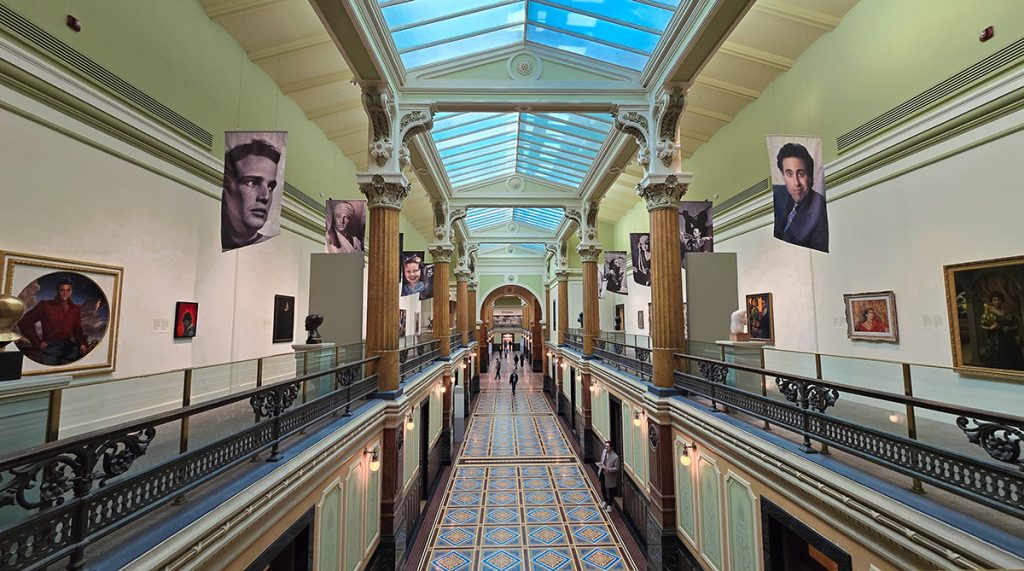
    In the afternoon, visit either the Phillips Collection, America’s first museum of modern art at 1600 21st Street. Alternatively, the National Portrait Gallery and American Art Museum (SAAM), housed in the same historic building on 8th St NW & G St NW are well worth a visit.

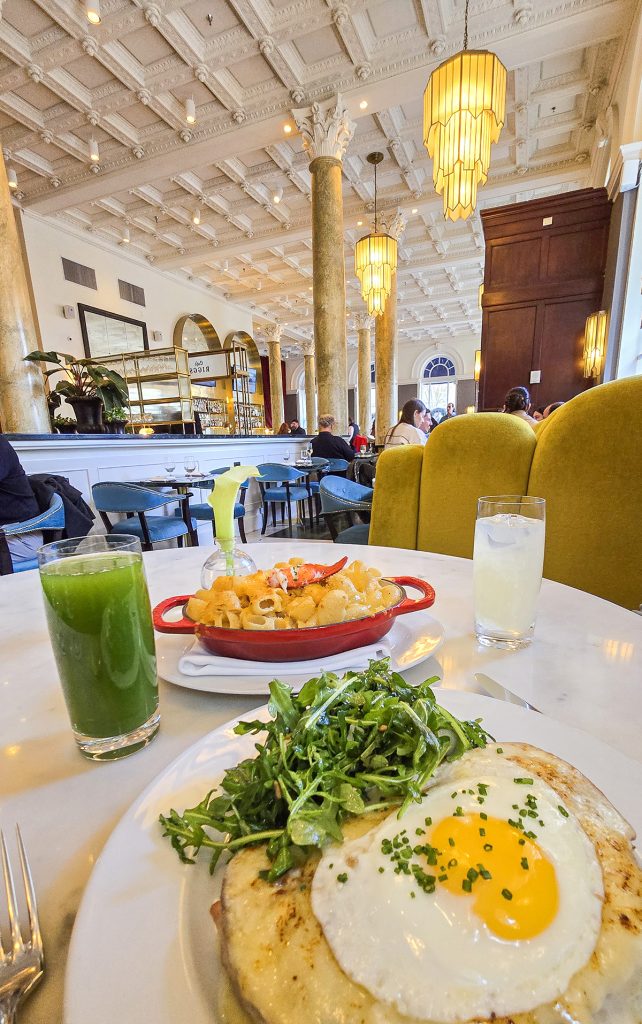
    Dinner Recommendation: Café Riggs, located in the stylish Riggs Hotel, offers an elegant dining experience in a former bank vault. Their modern American menu and sophisticated atmosphere make it perfect for a break from sightseeing.

    Day 4: Modern Art and Native American Heritage

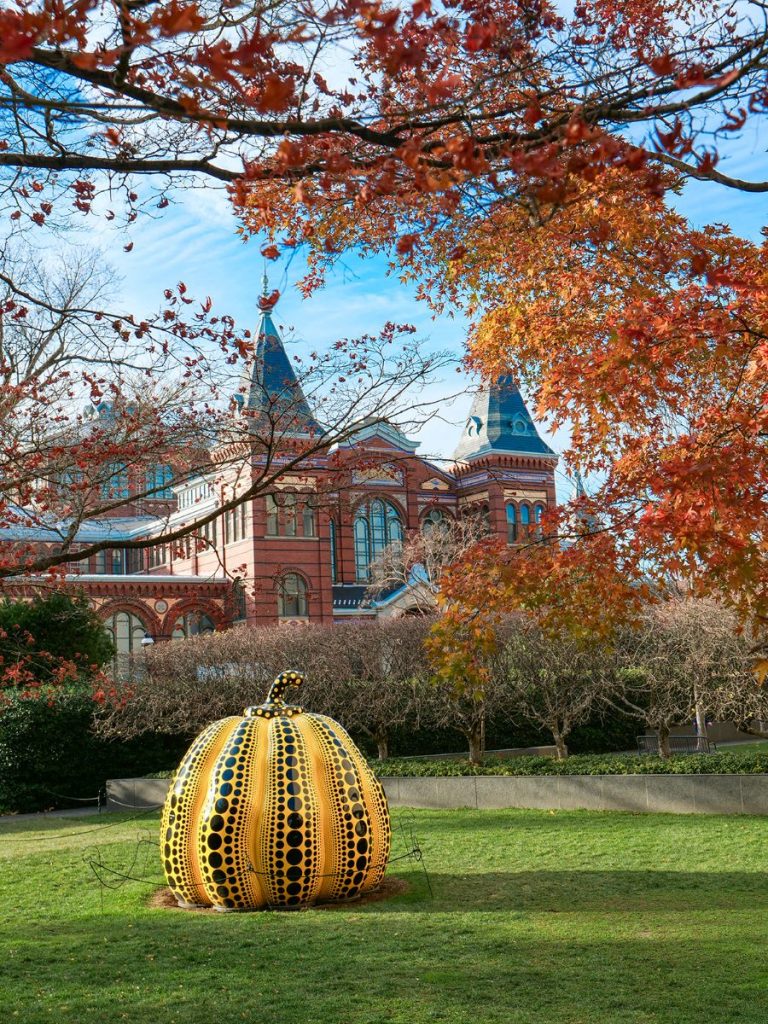
    Start your day at the Hirshhorn Museum and Sculpture Garden, the Smithsonian’s home for contemporary and modern art. Not only is the Gordon Bunshaft designed building impressive, but the collections are thought-provoking and unique.

    Lunch Option: The Mitsitam Native Foods Café at the National Museum of the American Indian is a destination in itself, offering authentic Indigenous cuisines from various regions of the Americas. Try the cedar-planked salmon or buffalo chili.

    In the afternoon, explore the rest of the National Museum of the American Indian. The building itself is an architectural marvel, designed in collaboration with tribes from across the Americas.

    Dinner Recommendation: End your day at Oyamel by José Andrés, offering creative Mexican small plates and excellent margaritas in a vibrant atmosphere near the National Portrait Gallery.

    Day 5: American Democracy and Craft

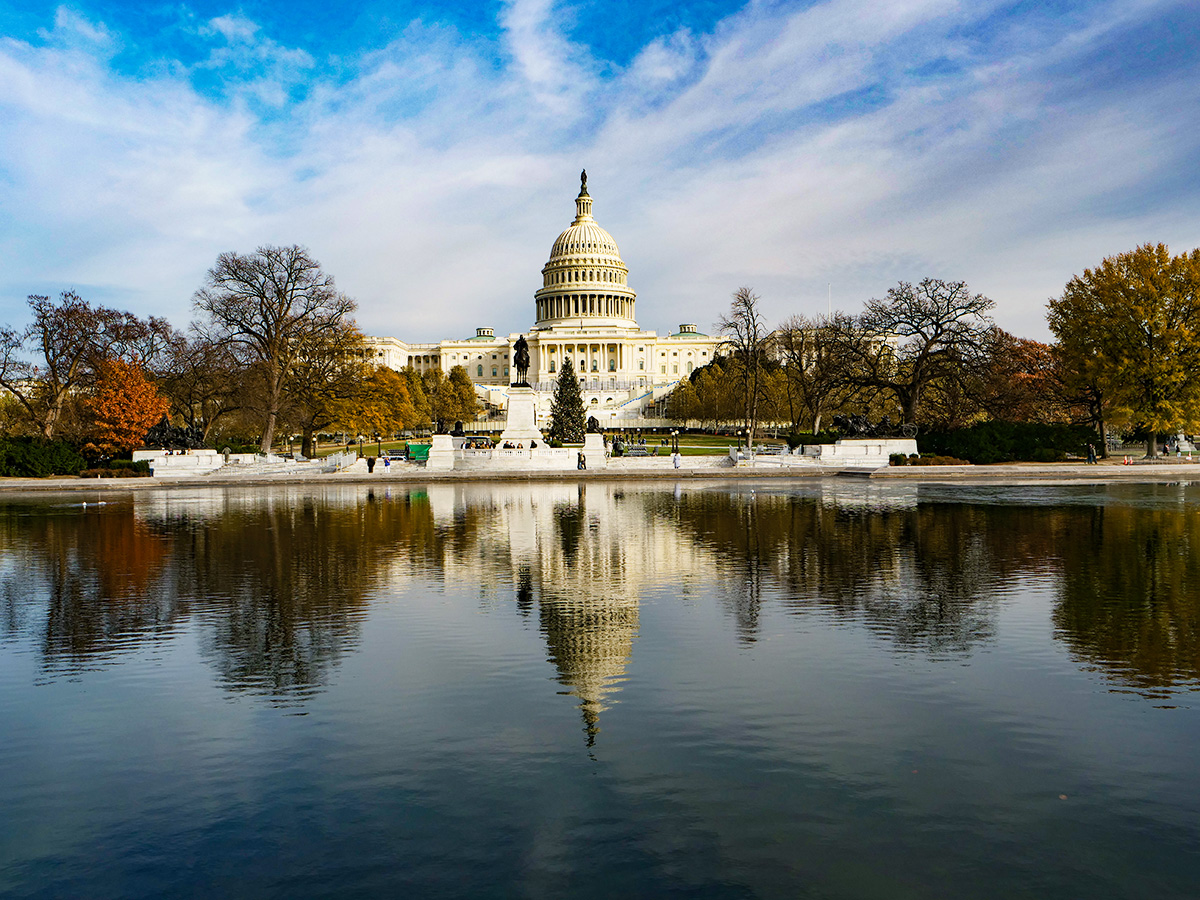
    Begin at the U.S. Capitol (advance reservations are essential). A typical tour lasts about 45 minutes and includes the Exhibition Hall, the Crypt, the iconic domed Rotunda and the National Statuary Hall.

    Lunch Option: Good Stuff Eatery on Capitol Hill is perfect for a casual lunch, famous for their handcrafted burgers and milkshakes. It’s a favorite among Congressional staffers.

    Visit the Renwick Gallery in the afternoon, followed by the Lincoln Memorial at dusk. Housed in a Second Empire-style building, The Renwick specializes in American contemporary craft and decorative arts from the 19th century to the present. Unlike traditional art museums, the Renwick focuses on works made with materials like wood, fiber, glass, metal, and clay.

    The Lincoln Memorial stands as one of America’s most profound monuments. The majestic presence of this famous sculpture is particularly striking at night, when the white marble columns glow against the darkness.

    Dinner Recommendation: Conclude your trip at The Dabney, a Michelin-starred restaurant celebrating Mid-Atlantic cuisine. Their wood-fired hearth and locally-sourced ingredients showcase the best of regional American cooking.

    Additional Dining Tips for Washington DC

    • Reservations are strongly recommended for all upscale restaurants, especially on weekends
    • Many museums have their own cafés offering quality casual dining – most close by 4:30 PM
    • Georgetown and 14th Street corridors offer numerous additional dining options
    • Consider happy hour specials at upscale restaurants for better value
    • Many high-end restaurants offer prix-fixe lunch menus that are an excellent value

    Where to Stay in Washington DC

    Luxury Options

    • The Hay-Adams: A historic luxury hotel offering unparalleled views of the White House and the National Mall. Dating back to 1928, this prestigious property combines Italian Renaissance-style architecture with modern amenities. Known for its impeccable service, wood-paneled lounges, and the acclaimed Lafayette Restaurant. Perfect for those who want to be in the heart of political Washington.
    • AKA White House: Ideal for extended stays or those who prefer apartment-style accommodations, this property offers sophisticated furnished residences just two blocks from the White House. Each suite includes a full kitchen and living area, while the property features a residents’ lounge, fitness center, and private cinema. The location provides easy access to the National Mall’s museums.
    • The LINE DC: Housed in a converted 110-year-old church in vibrant Adams Morgan, this boutique hotel offers a more eclectic, design-forward experience. Features include three exceptional restaurants, a coffee shop, and a community radio station broadcasting from the lobby. The hotel beautifully balances historic architecture with contemporary art and local culture.

    Other Notable Options

    • Motto by Hilton Washington DC City Center: Perfect for budget-conscious travelers who prioritize location over room size
    • Thompson Washington DC: A sophisticated option in the Navy Yard area, close to the Capitol
    • Eaton DC: A socially conscious hotel with an excellent coworking space and cultural programming

    Getting to Washington DC

    By Air

    • Reagan National Airport (DCA): Closest to downtown (15-20 minutes), directly connected to Metro
    • Dulles International Airport (IAD): Larger international hub, 45 minutes west of DC; connected by Silver Line Metro
    • Baltimore/Washington International (BWI): Budget-friendly option with MARC train service to DC

    By Train

    • Union Station: Major Amtrak hub serving the Northeast Corridor
    • Regular service from Boston, New York, Philadelphia, and other East Coast cities
    • Acela Express offers faster service with fewer stops

    By Bus

    • Multiple operators including Megabus and BoltBus
    • Usually arrive at Union Station or L’Enfant Plaza
    • Budget-friendly option from major East Coast cities

    Getting Around DC

    Metro System

    • Clean, efficient subway system connecting all major areas
    • Purchase a SmarTrip card for best rates
    • Download the Metro app for real-time arrivals
    • Runs from 5am to midnight (2am on weekends)

    Bus Service

    • Extensive Metrobus network complements subway service
    • Circulator buses ($1) run popular tourist routes
    • NextBus app helps track arrival times

    Walking

    • Most attractions on the National Mall are within walking distance
    • Downtown DC is relatively compact and pedestrian-friendly
    • Use the National Mall paths for monument hopping

    Rideshare and Bikes

    • Uber and Lyft widely available
    • Capital Bikeshare stations throughout the city
    • Electric scooters available through various apps

    Parking

    • Limited and expensive in downtown areas
    • Many hotels charge $40-50/day for parking
    • Consider parking at outer Metro stations if driving

    Transportation Tips

    • Purchase a Multi-Day Metro Pass if staying for several days
    • Avoid driving during rush hours (7-9:30am, 4-6:30pm)
    • Metro is typically less crowded on weekends
    • Many museums offer validated parking at reduced rates
    • Consider water taxi service to Georgetown and National Harbor
    • Download DC Metro Transit app for comprehensive transportation info

    Best Times to Visit Washington DC

    Peak Season (March-June)

    • Cherry Blossom Festival (late March-early April)
    • Perfect weather for walking tours
    • Highest hotel rates and crowds

    Summer (July-August)

    • Hot and humid with afternoon thunderstorms
    • Free outdoor concerts and events
    • Lower hotel rates

    Fall (September-November)

    • Comfortable temperatures
    • Beautiful fall foliage
    • Fewer tourists after Labor Day

    Winter (December-February)

    • Lowest hotel rates
    • Holiday decorations and events
    • Potential for snow disruptions
  • Whistler World Ski & Snowboard Festival is Back!

    Whistler World Ski & Snowboard Festival is Back!

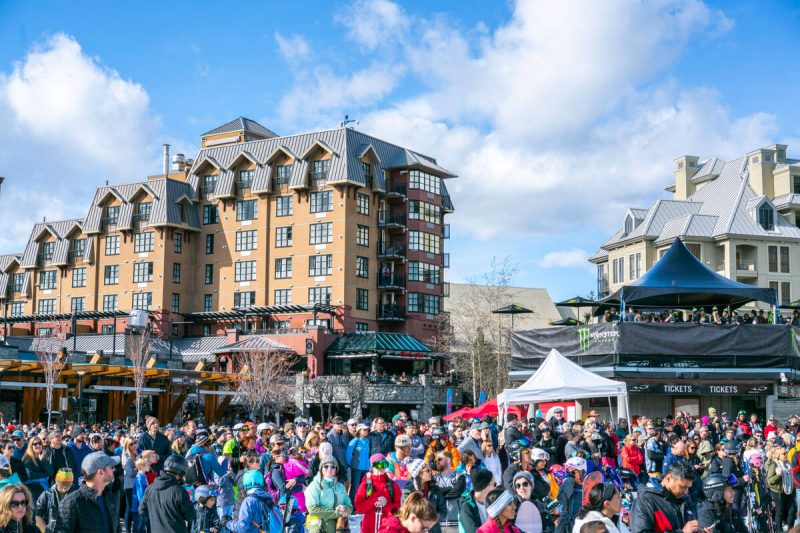
    Experience the pinnacle of mountain culture as Whistler transforms into the epicenter of winter sports excellence this spring. Whistler World Ski & Snowboard Festival, or WSSF for short, is a fusion of athletic prowess, artistic expression and entertainment in North America’s premier alpine setting.

    This meticulously curated week-long celebration transcends the ordinary ski retreat, offering discerning travelers an immersive journey into Whistler’s distinctive mountain lifestyle. Beyond the exceptional spring skiing conditions, guests will indulge in a carefully orchestrated program of world-class competitions, cultural exhibitions, and exclusive social gatherings.

    Athletic Distinction

    The Grind (April 10-12) debuts this season as an elevated street-style snowboard exhibition in collaboration with Canada Snowboard, featuring technical rail maneuvers accompanied by curated musical performances in an atmosphere of refined excitement. This event will be broadcast live, so tune in if you can’t make it to Whistler in person.

    The prestigious Saudan Couloir Race Extreme (April 11) challenges elite competitors to navigate one of the continent’s most demanding descents – a testament to precision, courage, and athletic excellence. It is considered to be the steepest ski and snowboard race in the world at 2,500 vertical feet!

    The festival concludes with the iconic Slush Cup (April 13), a charmingly spirited tradition where costumed participants attempt a graceful crossing of a glacial pool – an entertaining spectacle blending athleticism with playful sophistication. With prizes awarded for the best costume, best wipe-out and best-trick, this promises to be an entertaining event.

    Artistic Excellence

    The festival opens with the 72 Hour Filmmaker Showdown (April 7), where visionary filmmakers craft cinematic works under extraordinary time constraints.

    The Pro Photographer Showdown presented by Arc’teryx (April 8) showcases exceptional visual artists whose captivating imagery transports viewers through extraordinary landscapes and moments of athletic brilliance.

    Intersection presented by Arc’teryx (April 9) elevates winter sports cinematography as select film crews unveil bespoke productions created exclusively for this prestigious showcase.

    Curated Entertainment

    The Outdoor Live Music Series presented by Rockstar transforms Skiers Plaza (April 10-13) with complimentary performances on the Skullcandy Stage from 2:30-5:00 PM daily, providing a refined soundtrack for your après-ski experience.

    As twilight descends, the After Dark Music Series offers sophisticated nightlife across Whistler Village, with distinguished DJs creating immersive soundscapes throughout the evening hours.

    Where to Stay at Whistler World Ski & Snowboard Festival

    Whistler is one of the most luxurious ski resorts in the world, so accommodations are on the pricey side. Discerning festival attendees can secure their preferred lodging through Whistler, the Official Central Reservations partner of Tourism Whistler.

    This exclusive booking platform presents an exceptional portfolio of accommodation options tailored to refined tastes and expectations. Choose from an impressive collection of elegant mountainside residences, sophisticated townhomes, full-service luxury hotels, secluded alpine retreats, and meticulously appointed condominiums. Each offer distinctive amenities for the discriminating traveler.

    With accommodations beginning at $159 CAD per night, guests are invited to enhance their festival experience with an extended sojourn. For every third night reserved, receive a complimentary $75 CAD Whistler Après Voucher. It’s redeemable for culinary indulgences and premium beverages at select establishments throughout the village.

    A week in Whistler’s embrace during this celebrated festival promises an unparalleled alpine experience. It’s worth extending your stay beyond a mere weekend to fully appreciate its exceptional character.

  • Tulum Street Art and Mayan Ruins

    Tulum Street Art and Mayan Ruins

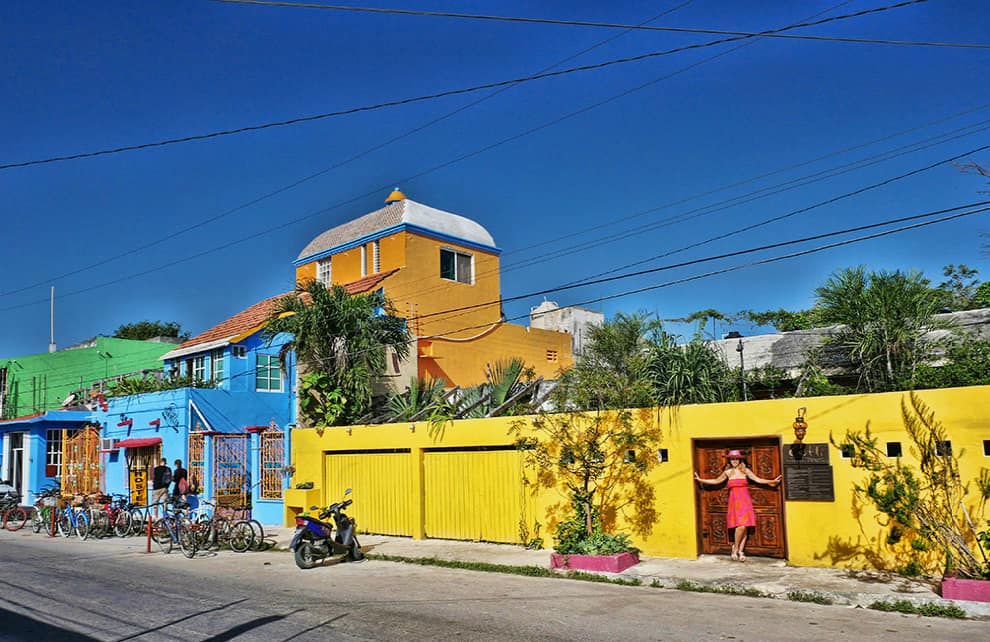
    The Mayan ruins of Tulum, Mexico are justifiably famous. Yet there’s also a growing arts scene to uncover and you can easily combine a visit to the ruins with a tour of the colourful Tulum street art. After enjoying the art in Tulum, make sure to leave some time to enjoy the white sand beach and cool beachfront bars.

    The Mayan Ruins of Tulum

    It’s really worth setting out early to get to the Mayan ruins at Tulum as soon as they open. The third most visited site in Mexico gets incredibly crowded from mid morning onwards and we can only imagine how busy they are late afternoon.

    However, it’s possible to visit at sunrise or sunset by paying a premium. Be warned that in theory you have to pay a considerable additional sum to film the ruins.

    Nevertheless, we saw lots of people filming on their phones so there seems to be a certain tolerance for personal use. Tripods are apparently a no-no without payment.

    Our friendly driver dropped us off near the entrance and explained that we could either take a Land train or walk the 1 kilometer distance to the site itself. We chose to walk and were glad that we did as the land-train wasn’t much quicker than we were and doesn’t drop you all that close to the entrance. It would be a good option if visiting with small children, the elderly or infirm though.

    Tulum History

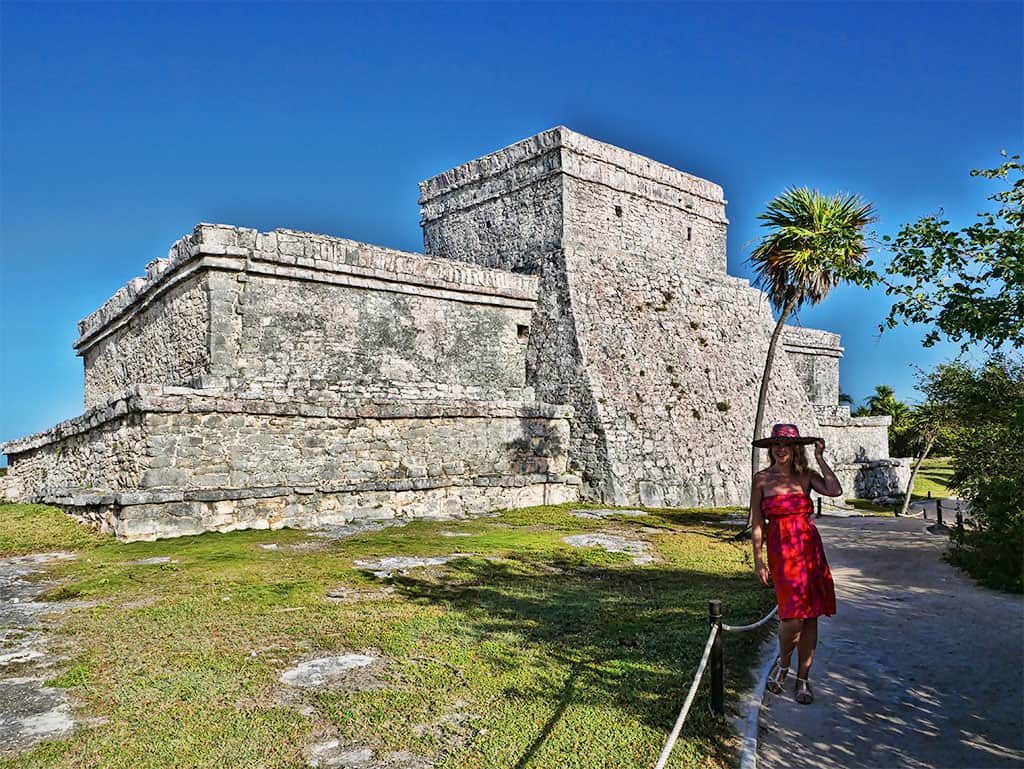
    After purchasing an entrance ticket we headed straight inside. Before arriving on the cliffs themselves, you pass by some interesting ruins such as the House of the Cenote.

    The city thrived in the 13th to 15th centuries but was inhabited from the 6th century onwards. It’s thought to have originally been known as Zama or City of Dawn, it’s now known as. Tulúm meaning wall in Mayan.

    We did linger here a bit but in hindsight my advice to visitors would be to go directly to the 12 metre high cliffs to get your shots before its besieged by visitors and to double back afterwards to see the other Mayan ruins.

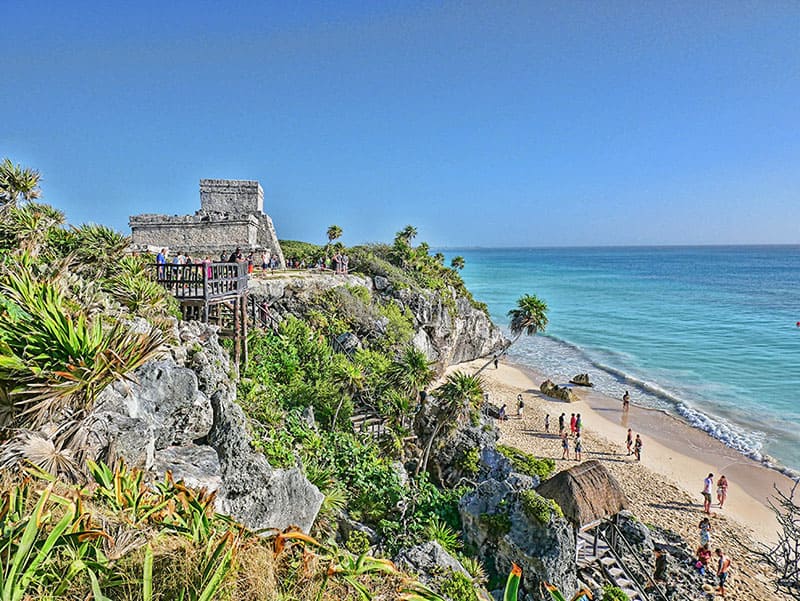
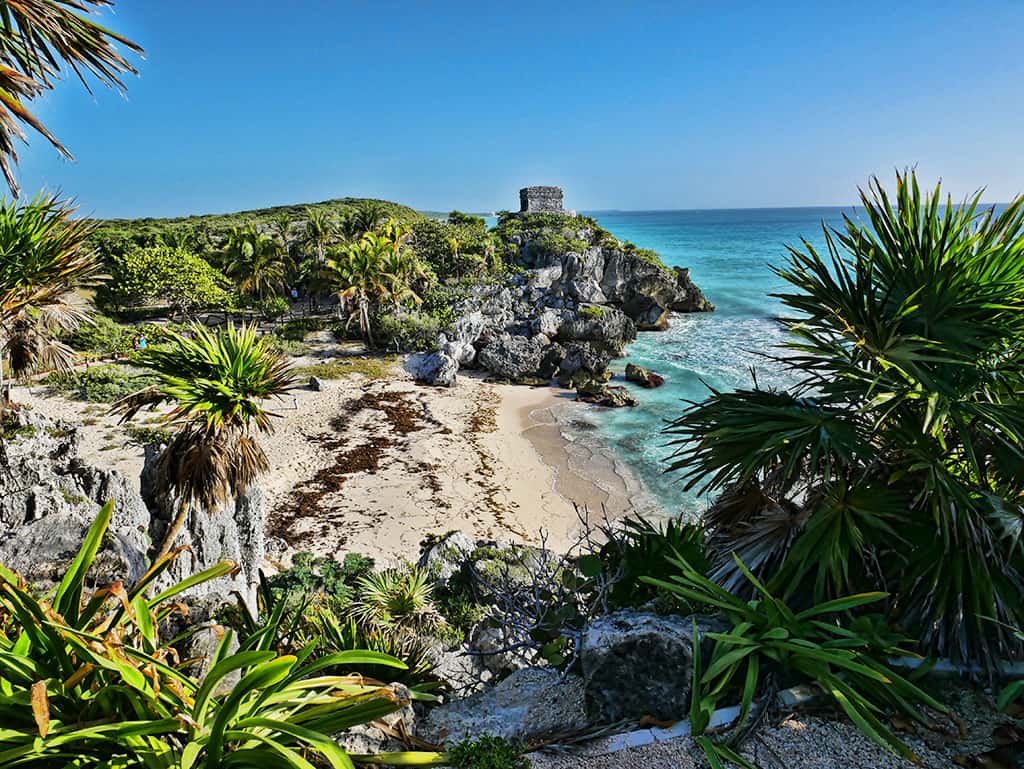
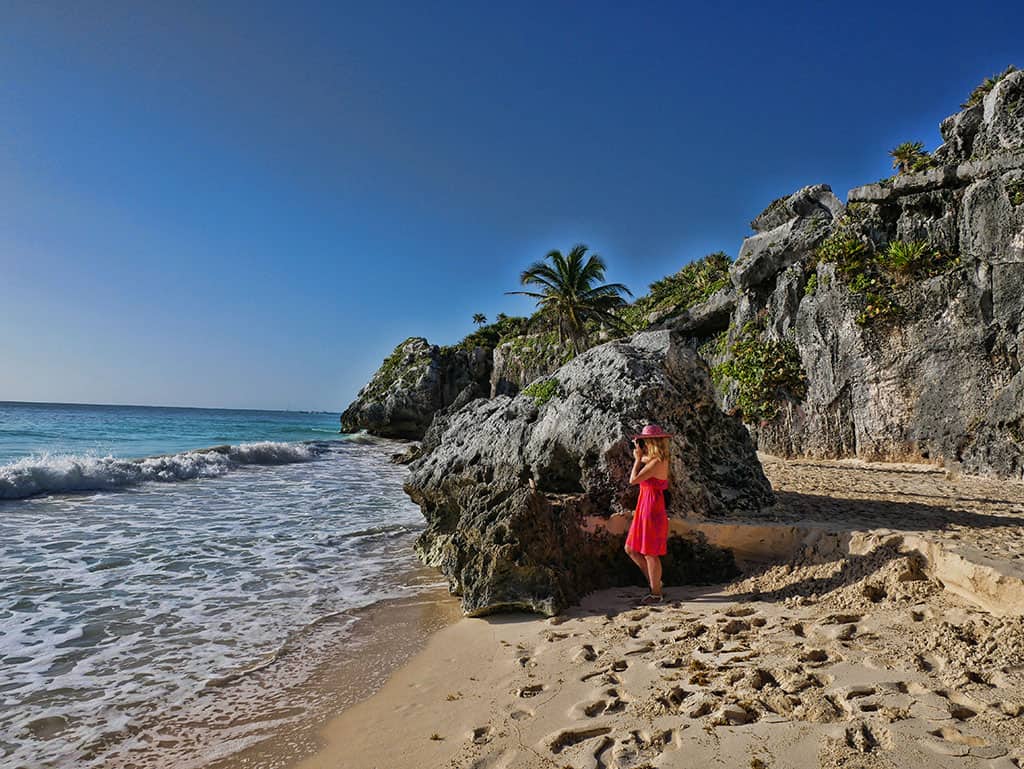
    As you can see, the scenery here is stunning.

    Tulum Beach

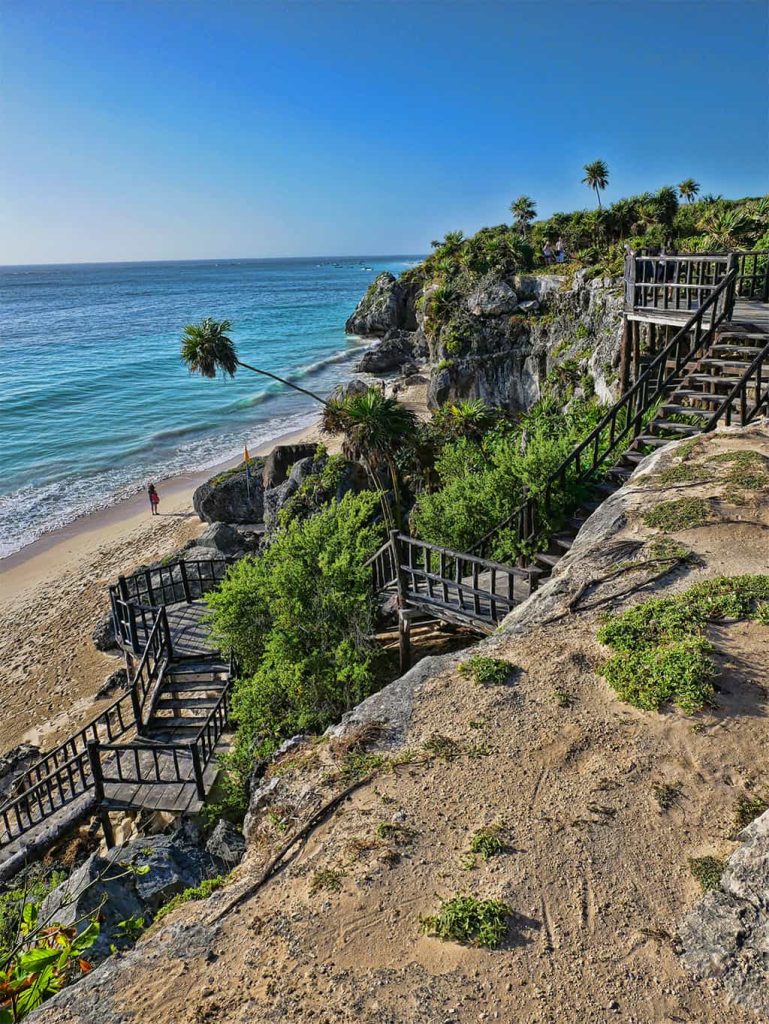
    It’s an easy walk down a wooden staircase to the small white sand beach in Tulum.

    There are some picturesque rock formations here and the views towards the Caribbean Sea are stunning.

    By midday it gets pretty crowded, so we recommend exploring the rest of the site, including the Temple of the Frescos, before heading back to your driver. There are some casual restaurants near the exit.

    However, you get more choice and quality at neighbourhood restaurants such as Hartwood or Wild.

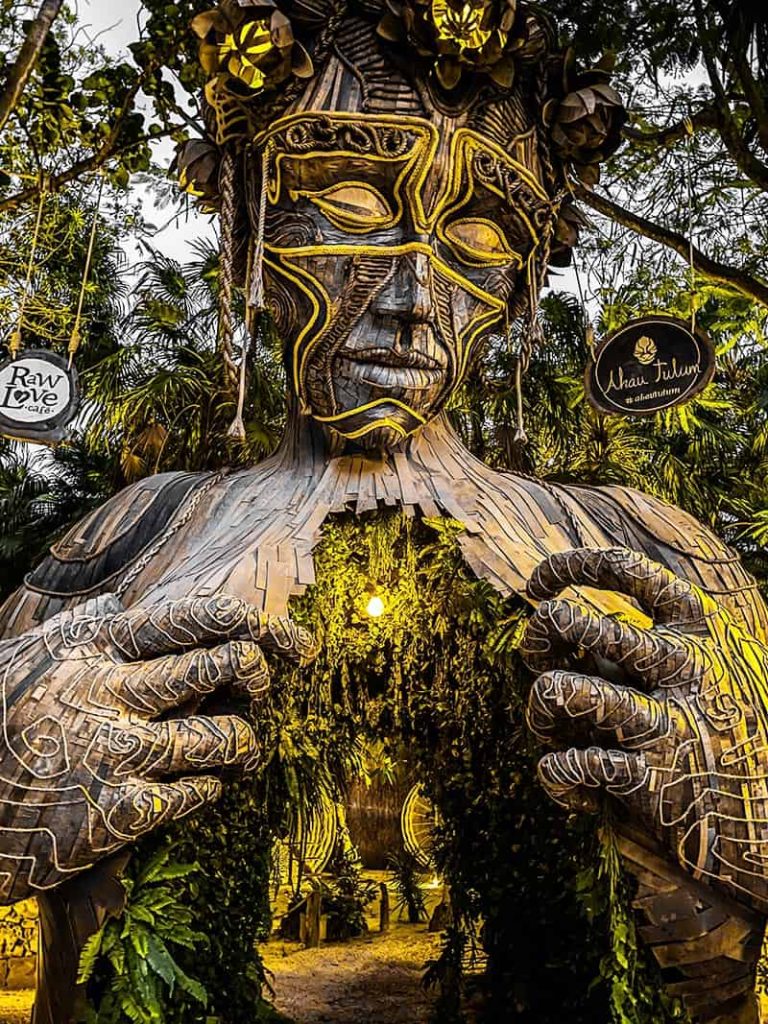
    Ahau Tulum is a hotel and beach bar, entered via an impressive giant wooden sculpture. Designed by South African artist Daniel Popper, the Ven a La Luz statue symbolizes entering the light.

    After lunch, we recommend that you take a look at the street art in Downtown Tulum, which is quite a distance from Tulum ruins and the beach. Don’t attempt to walk it as it’s a good ten minute cab ride.

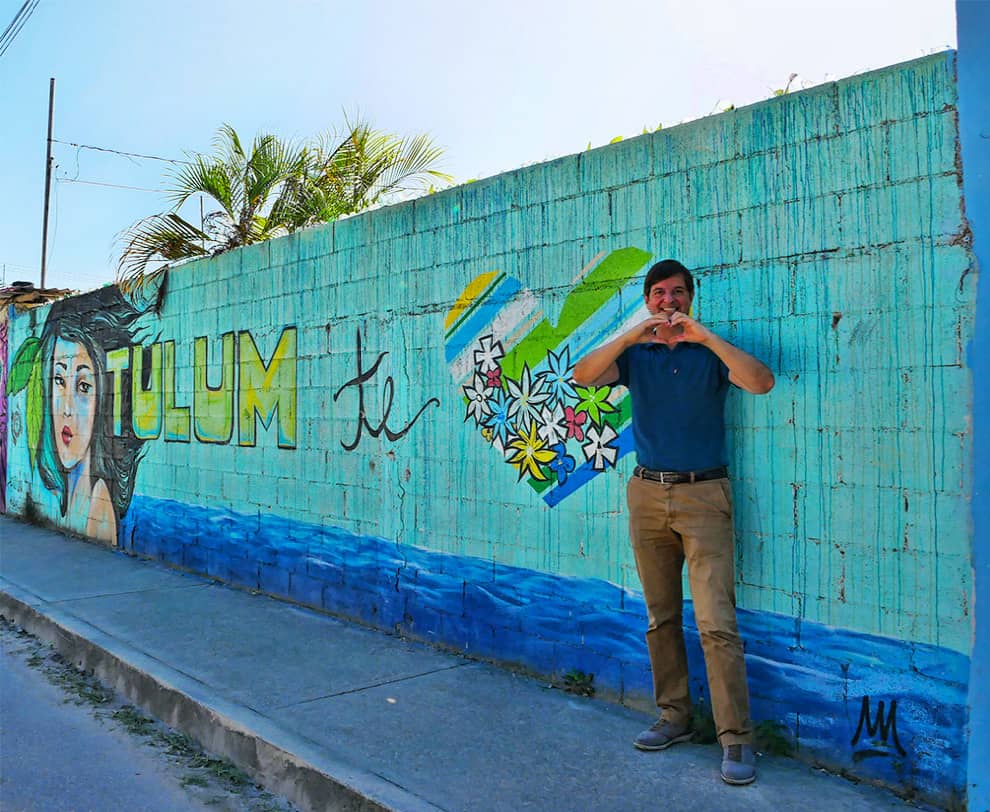
    The murals, although very striking, are not in particularly picturesque parts of town. They were created thanks to an urban regeneration scheme by locals, under the umbrella of the Tulum Art Project. However, he soon got into the spirit of it and was spotting street art way before we did.

    Tulum Street Art

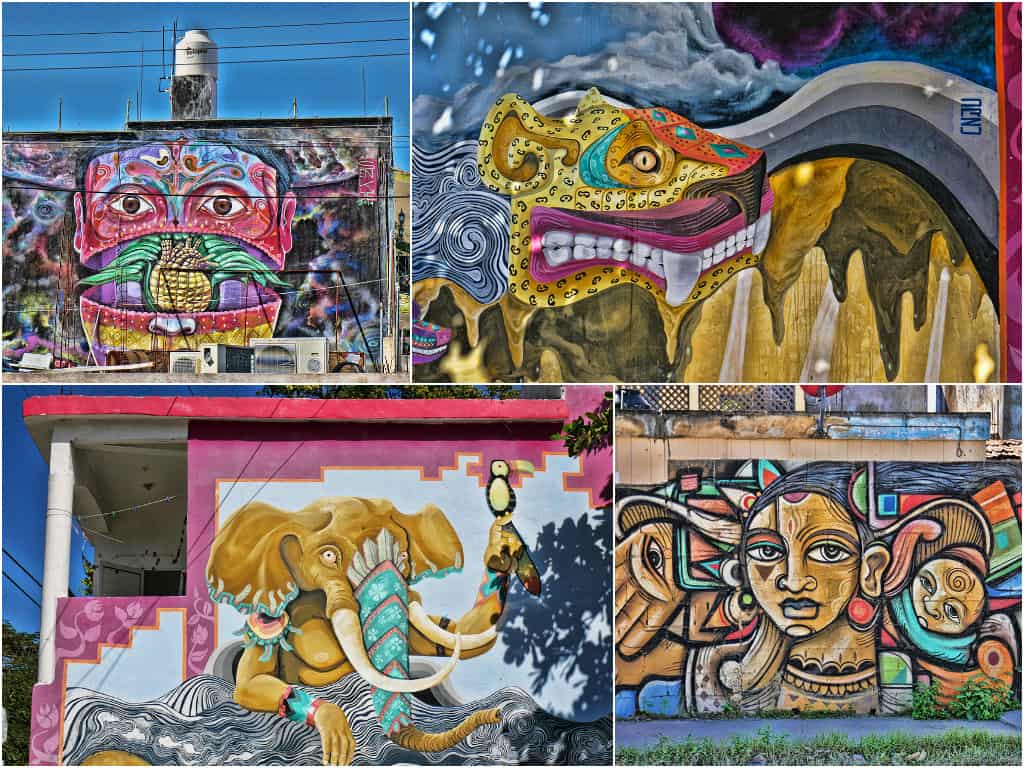
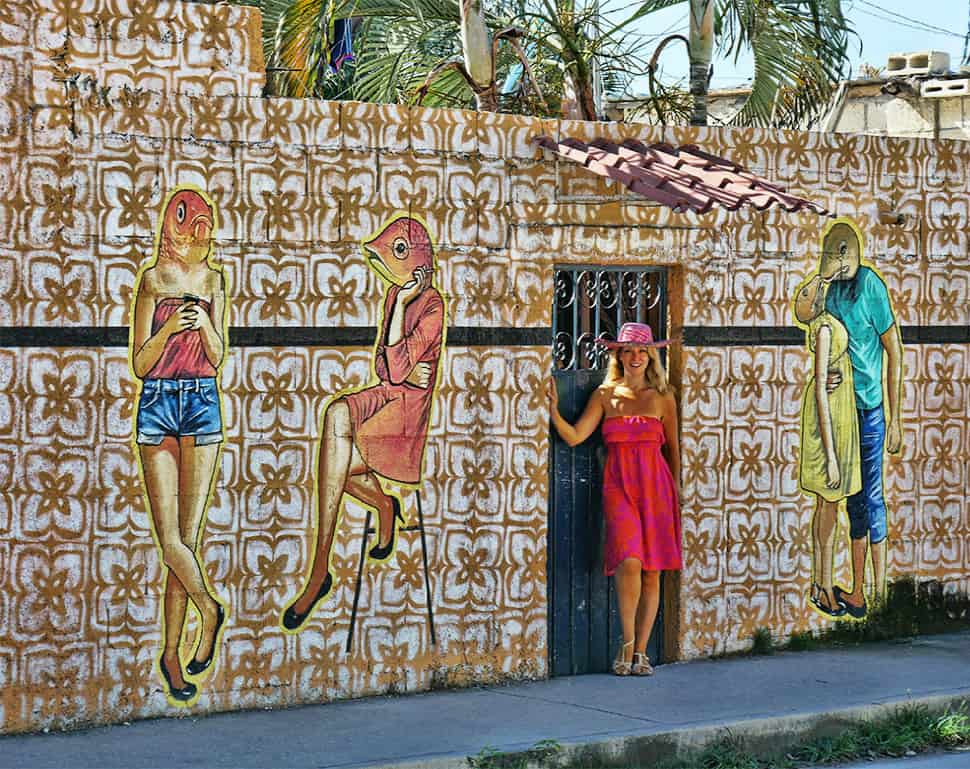
    It would actually be great if the tourism authority put a map of the Tulum street art murals online to help people find them. The first mural that we came across was this one top left by Senkoe, a well-known street artist whom we had met in Mayakoba.

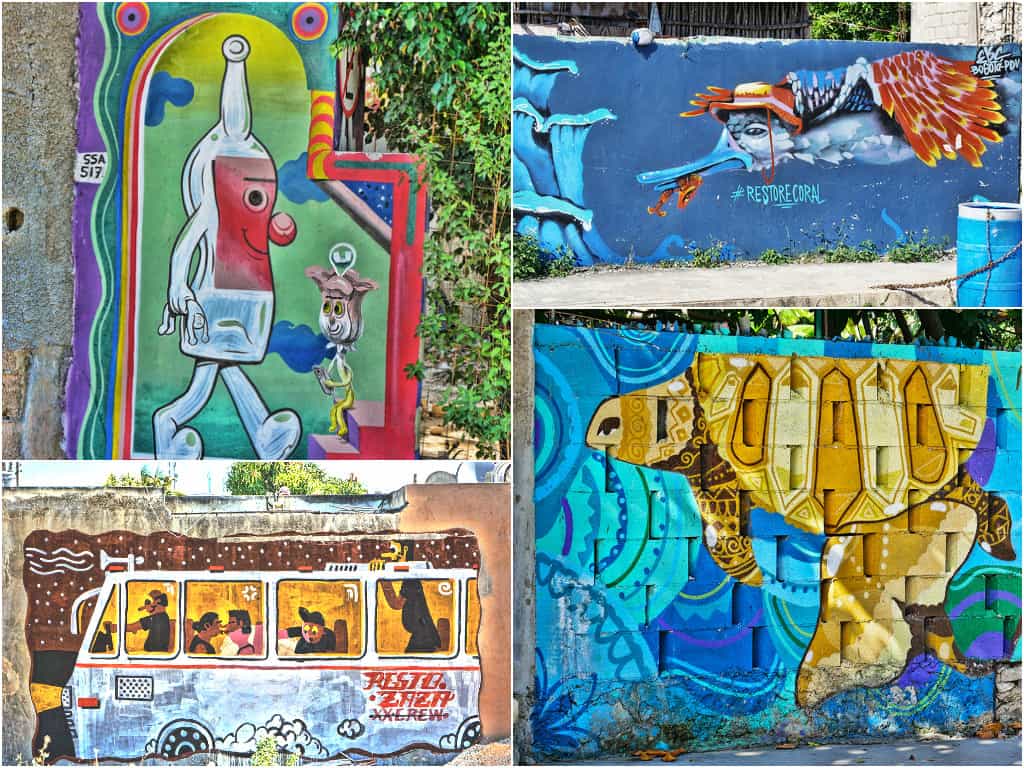
    He has painted many colorful nature murals at Andaz Mayakoba and was putting the finishing touches to one of them when we came across him. The golden leopard and elephant are part of one mural by CNJU whilst we’d love to know who created the striking female figure bottom right.

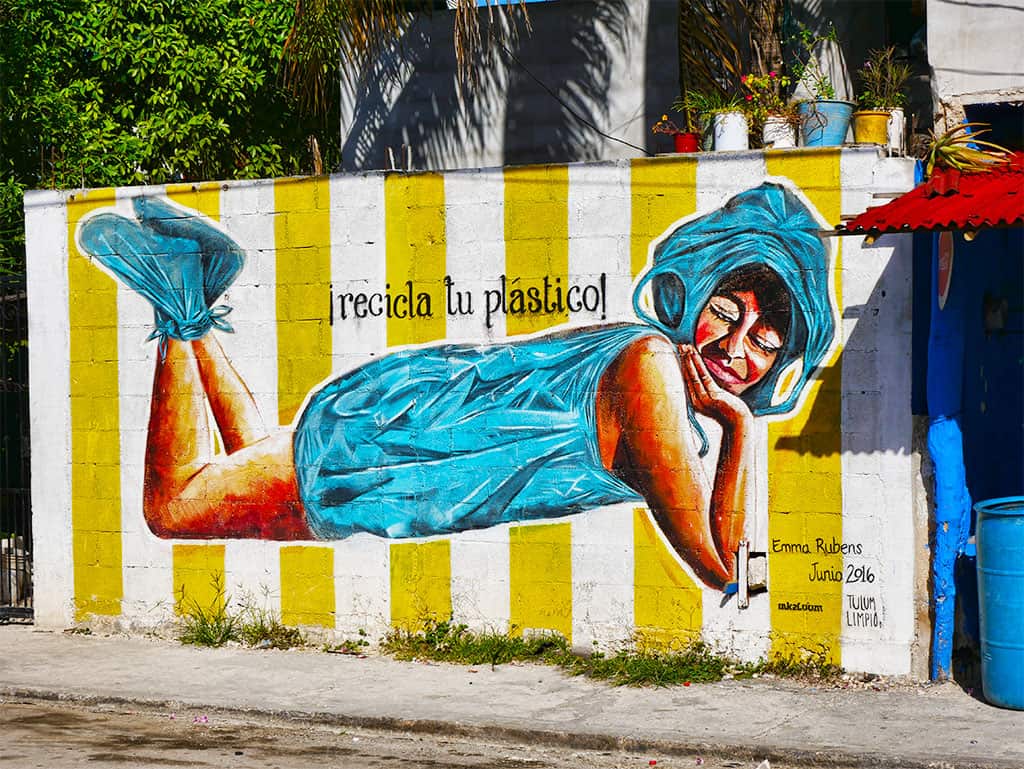
    We particularly like the street art by Emma Rubens, including this mural encouraging people to recycle plastic.

    Don’t miss this striking fish themed Tulum street mural.

    It’s right next to another colorful Tulum mural by Miami based artist, Aquarela Sabol.

    Many of the Tulum artworks focus on caring for the environment.
    In fact, quite a few Tulum murals use the hashtag #restorecoral, like the blue bird below.

    This girl peeking shyly out from under a thatched canopy is by street artist Miguer.

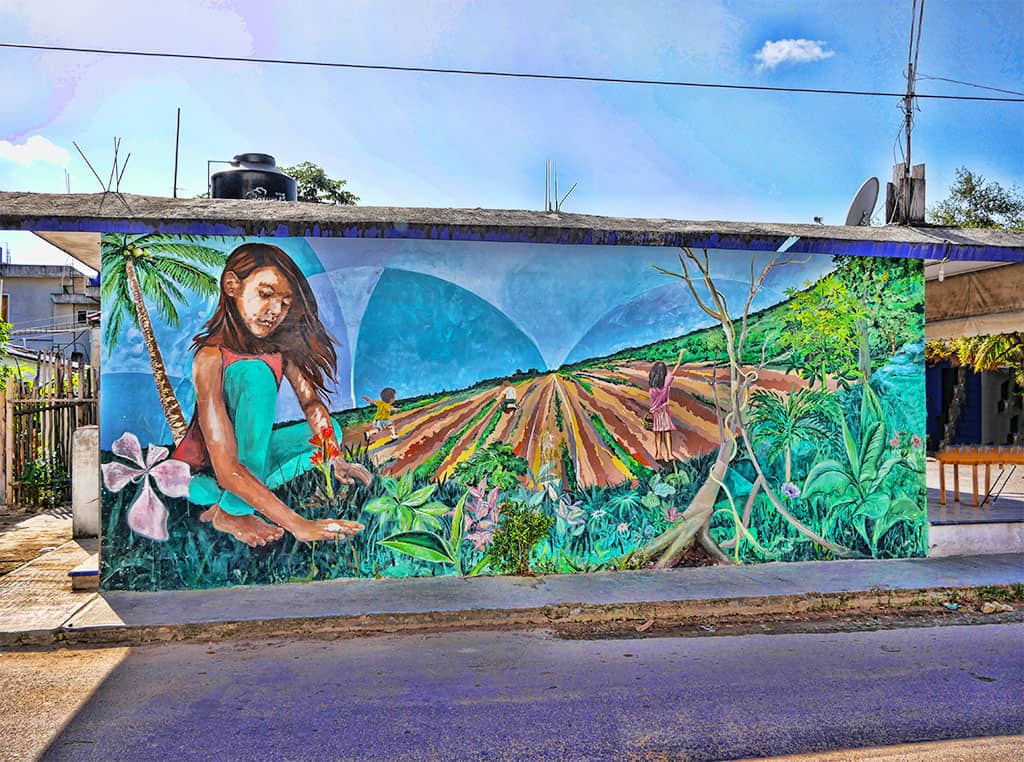
    This colorful street scene really sums up the vibrancy of the Mexican culture and art of Tulum.

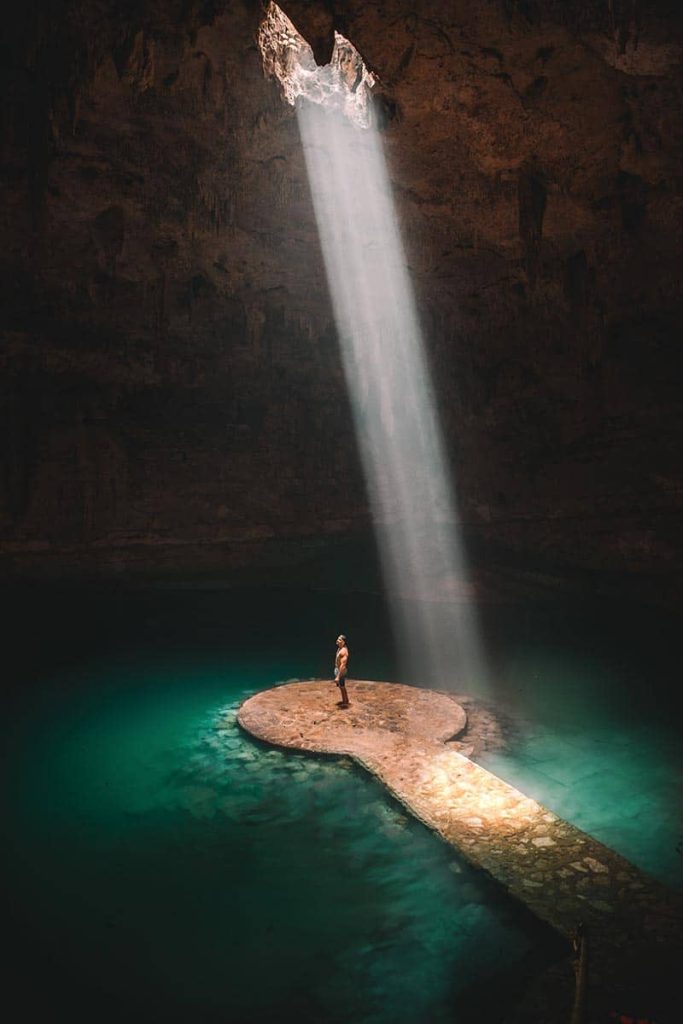
    Tulum Cenotes

    There are several cenotes or natural sinkholes within easy reach of Tulum. Some of the best include:

    • Gran Cenote – known for its clear blue water, it’s 3 miles from Tulum center.
    • Cenote Dos Ojos – one of the most extensive underwater cave systems on the Riviera Maya.
    • Cenote Calavera – popular for cave diving, it has a mix of fresh water and salt water.

    Where to Stay in Tulum

    There are many charming boutique hotels in Tulum. Some of them can have limited WiFi so make sure to check that if it’s a concern for you.

    We recommend staying at nearby Mayakoba, a luxury eco resort that’s halfway between Cancun and Tulum on the Riviera Maya. They can arrange group tours to Tulum but as we were limited in time we opted for a private car.

    Visiting Tulum

    • Tulum Mayan Ruins opening times: 8 am to 5 pm
    • Entrance fee: currently at $64 pesos per person, and an additional $30 pesos for video cameras
    • Early morning or late afternoon access: $220 pesos
    • Land-train: $10 pesos
    • Additional charge for parking
    • Bring a hat, sunscreen, swimsuit and bottle of water as there’s very little shade
    • For the street art, you can find quite a few murals on the street simply known as Sol

    Final Thoughts on Tulum Mayan Ruins and Street Art

    In recent years, Tulum has become increasingly popular with travelers from all over the world who are looking for an authentic travel experience. The Tulum Mayan ruins offer a stunning glimpse into the past, while the street art provides a vibrant and contemporary view of Mexican life and culture.

    Have you ever visited Tulum? Which of these murals is your favorite?

  • 15 Favorite Springfield Illinois Attractions

    15 Favorite Springfield Illinois Attractions

    Ready for a road trip to Springfield, Illinois? From the Abraham Lincoln Presidential Library and Museum to Dana Thomas House, there are so many great Springfield Illinois attractions.

    Whether it’s touring museums, indulging in Chicago-style pizza or shopping at some of the best local boutiques — you won’t be disappointed by your visit to this Midwestern gem. Read on for an overview of some of the most popular Springfield attractions.

    Fun Things to Do in Springfield Illinois

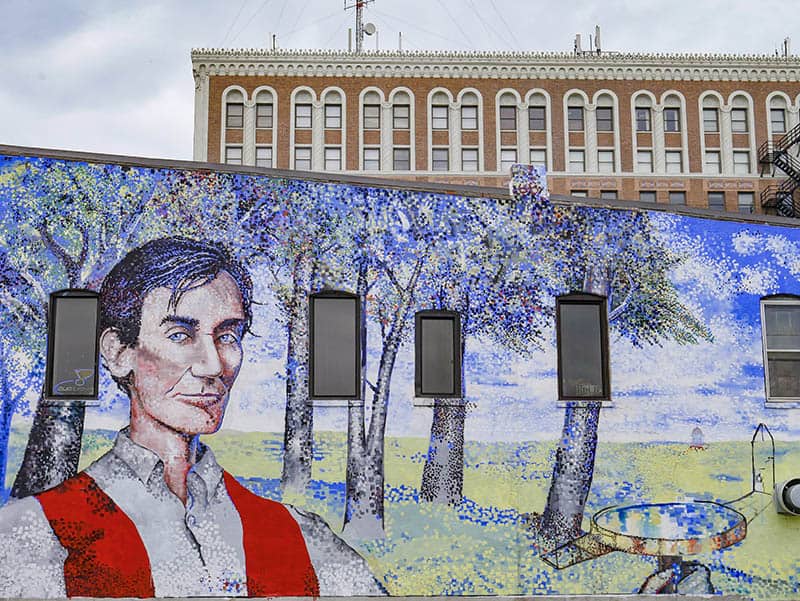
    Springfield is well known as the capital of Illinois and a popular stop on Route 66. When you think of Springfield, you may well think of The Simpsons. Springfield, Illinois is not the home of the fictitious TV characters, however, it was the home of someone equally famous: Abraham Lincoln.

    1.Lincoln Home National Historic Site

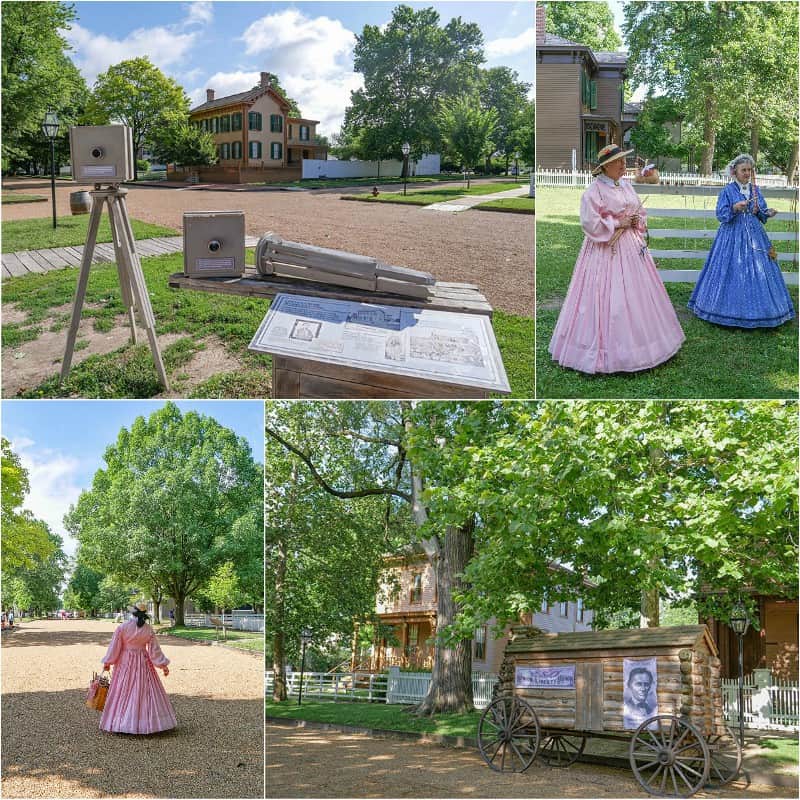
    The only home of Abraham Lincoln and his family, Lincoln Home National Historic Site has been restored to its original appearance. Built in 1839, it gives a fascinating insight into their domestic arrangements.

    Abe Lincoln lived here from 1844-1861 and three of their children were born there. It’s the only home that he ever owned. Free guided tours of the home are led by National Park Service Rangers.

    It’s not just the house of Lincoln that’s worth seeing here, 12 surrounding buildings are also of historical interest. Often, you can watch people in costumes of the era playing traditional games. They’ll even teach you how to play too!

    • Opening hours: 8.30 – 17.00 daily
    • Admission: Free
    • Address: 426 S. 7th Street, Springfield

    2.Abraham Lincoln Presidential Library and Museum

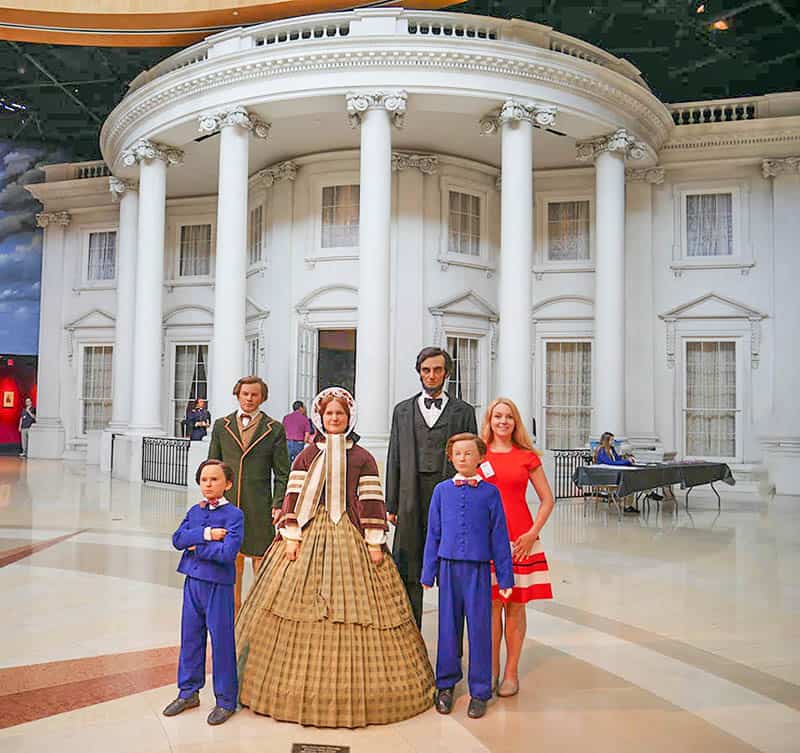
    Whether you’re a history buff or not, you’re sure to love Abraham Lincoln Presidential Museum. There’s a reproduction of the White House building as it appeared in 1861 and the Treasures Gallery which includes the evening gloves that President Lincoln was carrying on the night of his assassination.

    You’ll also see a hand-written copy of the Gettysburg Address and the quill pen with which he signed the Emancipation Proclamation.

    Kids will enjoy Mrs. Lincoln’s Attic, where they can play with reproductions of historic toys, try on clothing of the time and get photos with life-size models of the Lincoln family.

    What really sets this museum apart is how the interactive displays and live actors bring the past to life. We won’t spoil the surprise for you but there’s some impressive technology at play including holograms and other special effects.

    • Opening hours: 9.00 – 17.00 daily
    • Admission: fee applies
    • Address: 212 N. 6th Street. Springfield

    3.The Old State Capitol

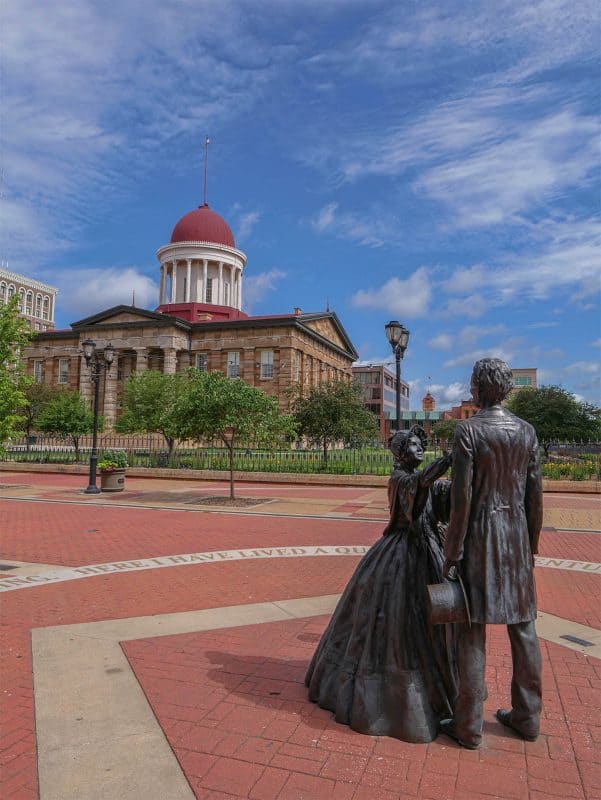
    Currently closed for renovation, this imposing building was completed in 1840 and is in the Greek Revival style. It was here that President Abraham Lincoln gave his famous speech, “A house divided against itself cannot stand…” in 1858.

    Before becoming the 16th President of the United States, Abraham Lincoln was a lawyer and he tried many cases in the Supreme Court here. After his assassination, his body lay in state in Representatives Hall. Over 75,000 people paid their respects on 3 and 4 May 1865.

    The knowledgeable guides at the Old State Capitol are dressed in the costumes of the time. They’ll answer all your questions about the building and its history.

    • Opening hours: CURRENTLY CLOSED FOR RENOVATION – Normally: 9.00 – 17.00 daily. Closed on New Year’s Day, Martin Luther King Day, Presidents Day, Labor Day, Independence Day, Thanksgiving Day, and Christmas Day.
    • Admission: By donation
    • Address: 1 Old State Capitol Plaza Springfield

    4.Illinois State Capitol Building

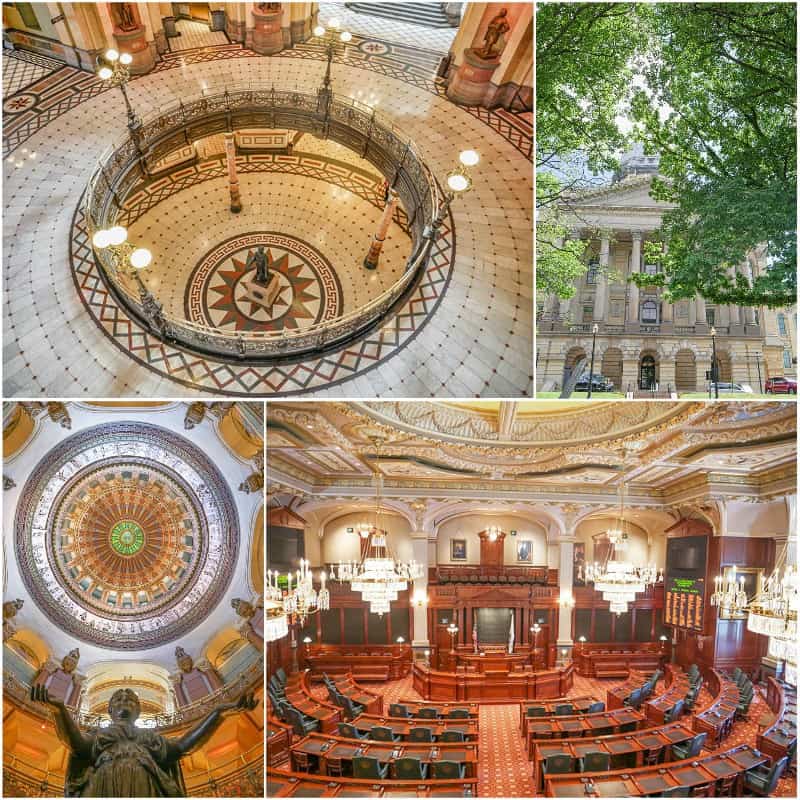
    Inaugurated in 1888, this ornate building is as stunning on the inside as it is from outside. A striking mix of Renaissance Revival and Second Empire styles, it is topped by a 405 foot glass dome.

    The home of Illinois government, it’s also the place where the first Illinois legislative session was held in 1877.

    Guided tours take place daily and when legislature is in session, visitors can also watch from the balcony level.

    • Opening hours: Monday – Friday: 8.00 – 16:30 pm; Saturday – Sunday: 9.00 – 15:30
    • Admission: Free
    • Address: 401 S. 2nd Street. Springfield

    5.Lincoln Tomb at Oak Ridge Cemetery

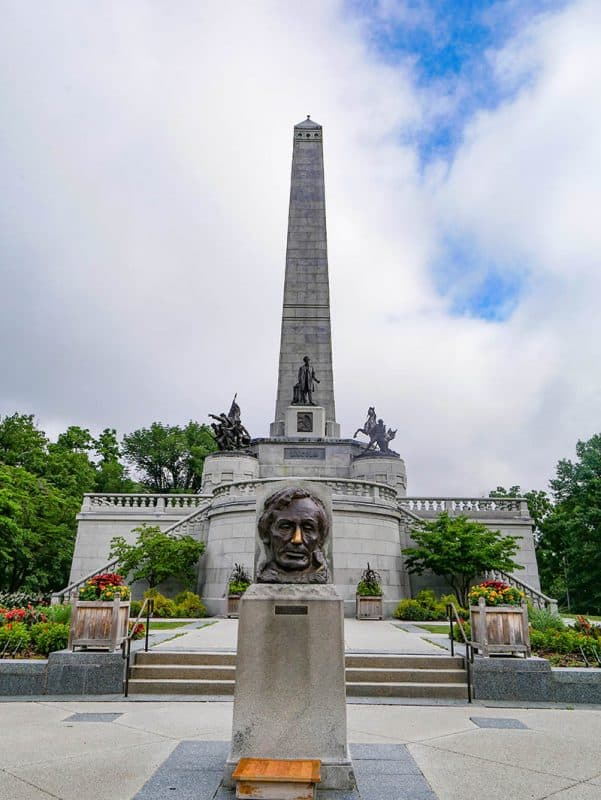
    Abraham Lincoln’s final resting place is one of the most frequently visited historical cemeteries in the United States. The monument was designed by renowned sculptor Larkin Mead and completed in 1874. Many visitors rub the nose of the bronze bust for good luck.

    Inside the tomb, there’s a rotunda with corridors leading to the burial chamber. Lincoln rests alongside his wife Mary and all his children except his eldest son, who is buried in Arlington National Cemetery.

    • Opening hours: 9.00 – 17.00 daily
    • Admission: Free
    • Address: 1500 Monument Avenue, Oak Ridge Cemetery Springfield

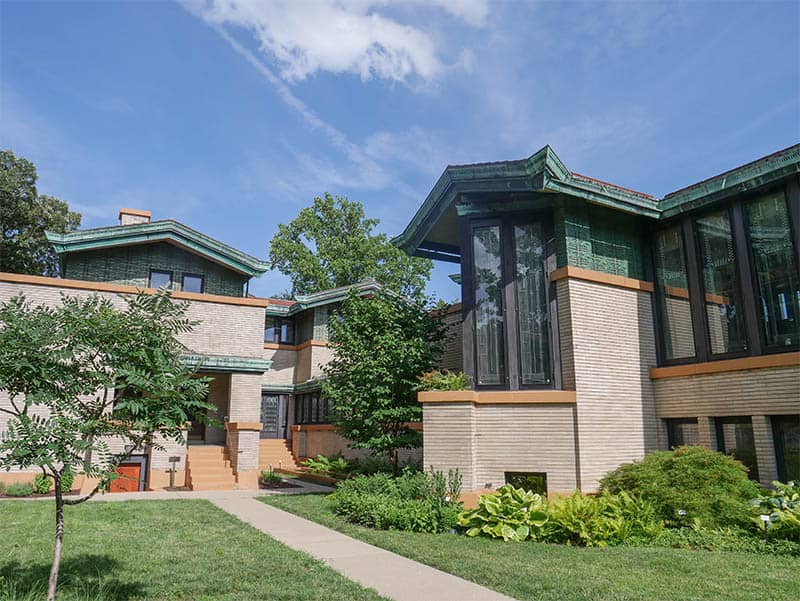
    6.Dana-Thomas House State Historic Site

    Frank Lloyd Wright was one of the most famous architects in the world. You can see his unique talent at the Dana-Thomas House in Springfield, Illinois.

    Designed for socialite Susan Lawrence Dana in 1902, it’s a beautiful example of Prairie Style architecture.

    Spread over 12,000 square feet, with 16 varying levels and 35 rooms, the house has many distinctive features. There’s a bowling alley, barrel-vaulted gallery and ballroom as well as a walk in safe for Susan’s jewellery and valuables.

    Visitors can admire over 100 original oak furniture pieces and 250 art glass doors, panels and windows. Nature is a major focus, with a sumac motif taking centre stage in the dining room. There’s also a strong Japanese influence in the design of the house.

    • Opening hours: Monday – Tuesday: 10.00 – 14.00; Wednesday – Sunday: 9.00 – 16.00
    • Admission: By donation
    • Address: 301 E. Lawrence Avenue. Springfield

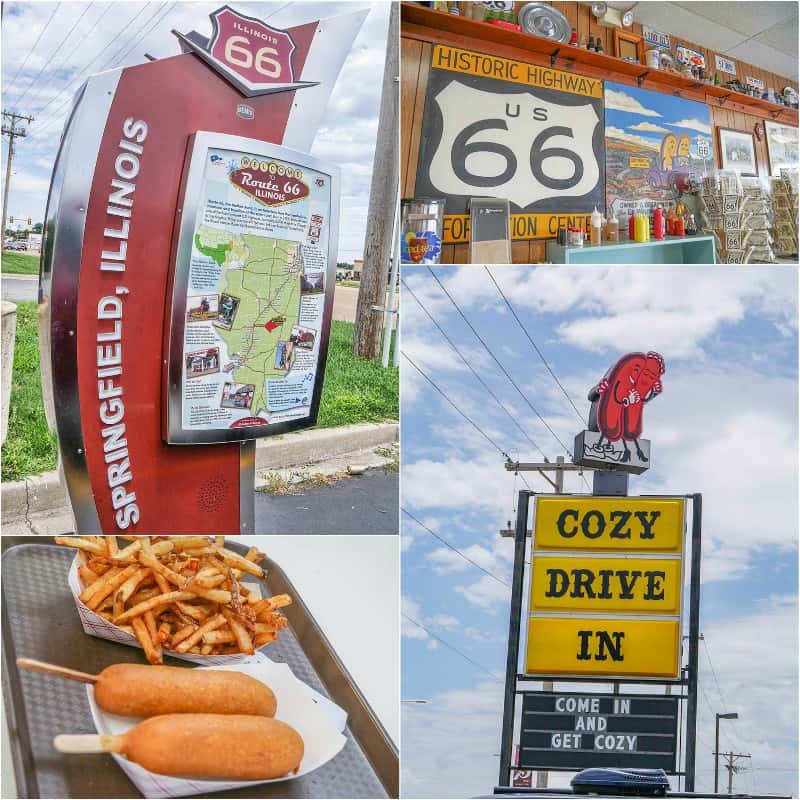
    7.Cozy Dog Drive In

    Springfield is known for its Route 66 landmarks, and Cozy Dog Drive In is one of the most popular attractions. This diner has been going strong since opening in 1949, and is known for its cozy dogs.

    These corn dogs on a stick are made according to a secret family recipe. The diner’s motto is Try ’em, You’ll Like ’em! and we definitely think you will do!

    Cozy Dog Drive In is also renowned for its Route 66 memorabilia. Visitors can purchase postcards that are beautifully illustrated by the late artist Bob Waldmire, son of the founder, Ed Waldmire. Ed’s grandson carries on the family business today.

    • Address: 2935 S 6th Street, Springfield

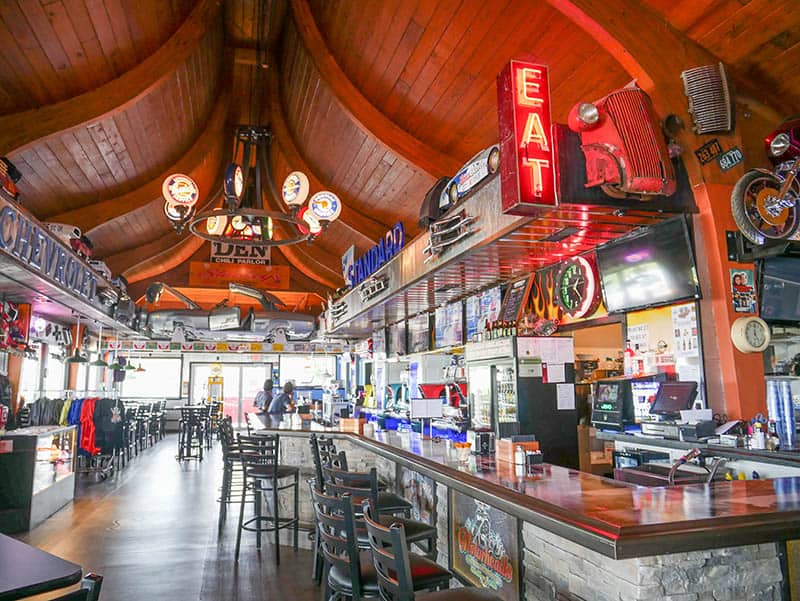
    8.Route 66 Motorheads Bar, Grill & Museum

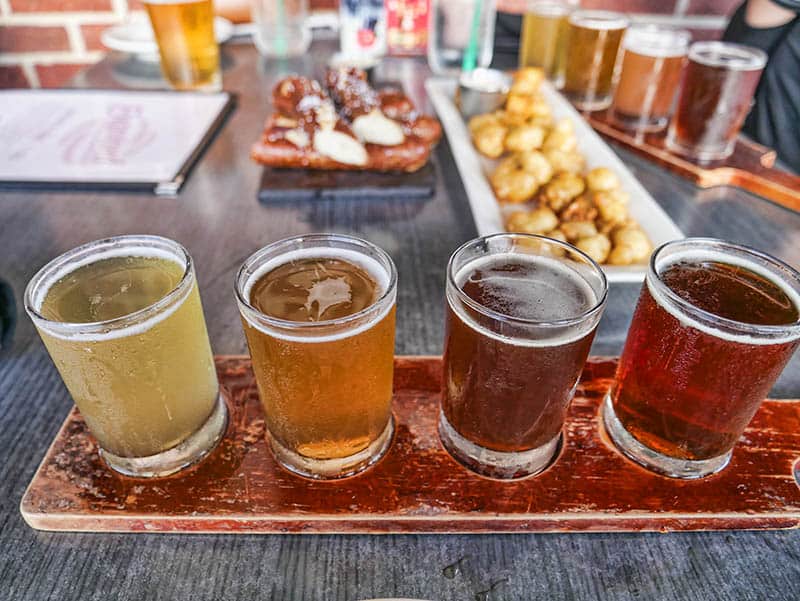
    This atmospheric bar at 600 Toronto Road, Springfield, has some cool motoring memorabilia suspended from the ceiling. They serve 18 different beers, 4 wines and 4 cocktails on tap.

    There’s also the Route 66 & Motor Museum, with many vintage road signs and Route 66 related items. You can admire some fine vintage cars like this Chevrolet. Motorheads is open from 7am, 7 days a week.

    • Address: 600 Toronto Road, Springfield

    9.Route 66 Drive-In

    In the Summer months in Springfield, don’t miss the quintessential American experience, a drive-in movie. The Route 66 Drive-In operates seasonally from spring through fall, showing current box office movies on multiple screens.

    Visitors can park up, purchase snacks from a stall and watch a movie while sitting in the comfort of their car. There are 2 outdoor screening fields with space for over 700 cars, as well as a playground area and concessions stand.

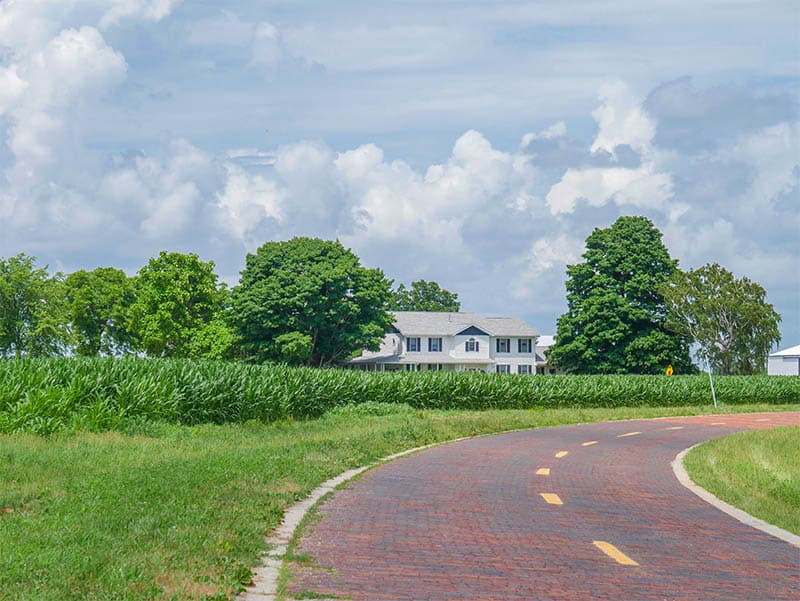
    10.Historic Route 66

    In many parts of the United States, the original Route 66 no longer exists. However, you can actually drive on an old section of Route 66 in Auburn, Illinois. At Curran Road and Snell Road, there’s an original 1.4 mile stretch of Route 66, dating from 1931.

    This iconic American road is listed in the National Register of Historic Places. There’s something magical about this red brick road, bordered by cornfields.

    It’s definitely a great place to visit for a photo, just make sure that no cars are coming in either direction.

    11.Route 66 Mother Road Festival

    Every September, Springfield hosts the Route 66 Mother Road Festival. It’s a celebration of the golden age of Route 66, bringing together over 1,000 cars, 80, 000 visitors, live music and good food.
    The main festival grounds are located in downtown Springfield near the Old State Capitol Plaza. Events also spill out onto several blocks of historic Route 66 that run through the city.

    12.Fun Activities in Springfield

    • Kids and big kids will enjoy a clue gathering adventure game.
    • For something a bit different, try a zombie game.
    • Get a team together for a smartphone scavenger hunt, it’s a lot of fun.

    13.Thomas Rees Memorial Carillon at Washington Park Botanical Garden

    Free to enter, this charming green space is spread over 20 acres. There are 1800 plant species in 10 themed areas in this beautiful garden. The Conservatory has a 50 foot diameter glass dome with more than 150 species of plants.

    The Springfield Angel of Hope statue honors the lives of children who have tragically passed away. You can also find one of the largest carillons in the world.

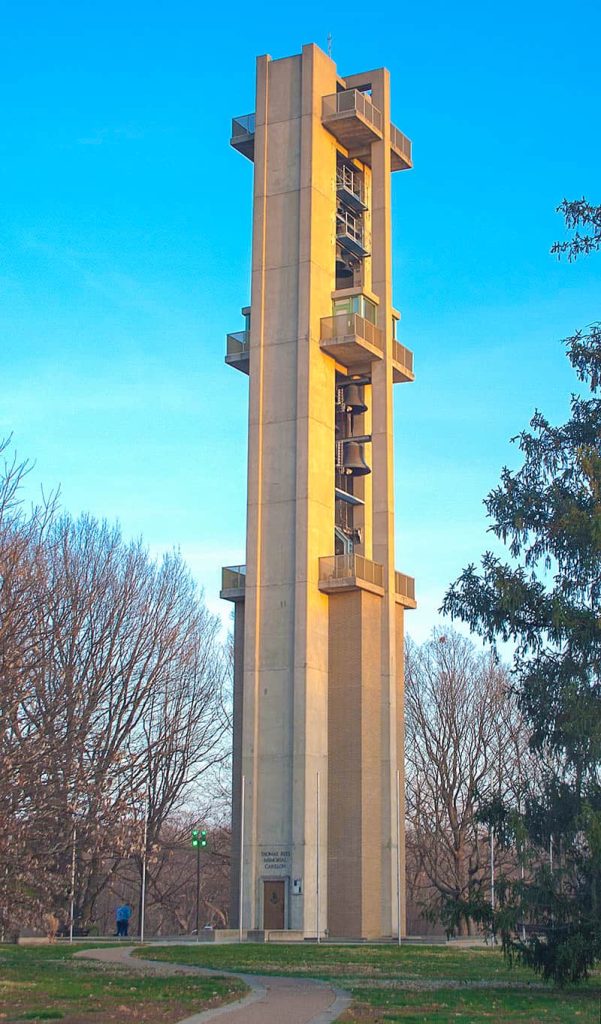
    The Thomas Rees Memorial Carillon has 67 bronze bells that weigh a total of 82,753 pounds. This Brutalist tower stands 132 feet high and was inaugurated in 1962.

    • Opening hours: Monday through Friday – Noon – 4:00 p.m | Saturday and Sunday Noon – 5:00 p.m.
    • Admission: free
    • Address: 1740 W Fayette Avenue, Springfield

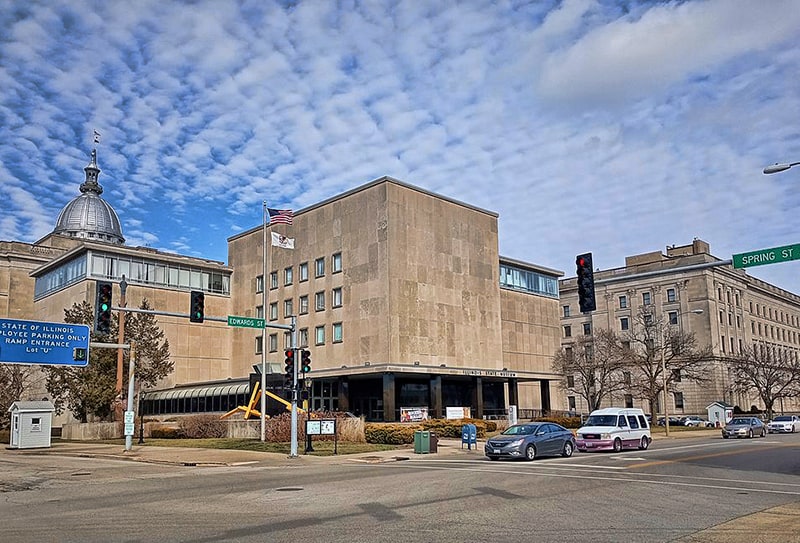
    14.Illinois State Museum

    Telling the story of the people, land, and culture of Illinois, this museum has its headquarters in Springfield. There are also branches in Lewistown and Lockport.

    ISM-Springfield has several world-famous natural history exhibits, together with an interesting array of artworks. One of the top tourist attractions in Springfield, there are regular temporary exhibits and a range of educational programs.

    • Opening hours: Tuesday through Saturday from 10:00 a.m. to 4:00 p.m
    • Admission: free
    • Address: 502 S Spring Street, Springfield

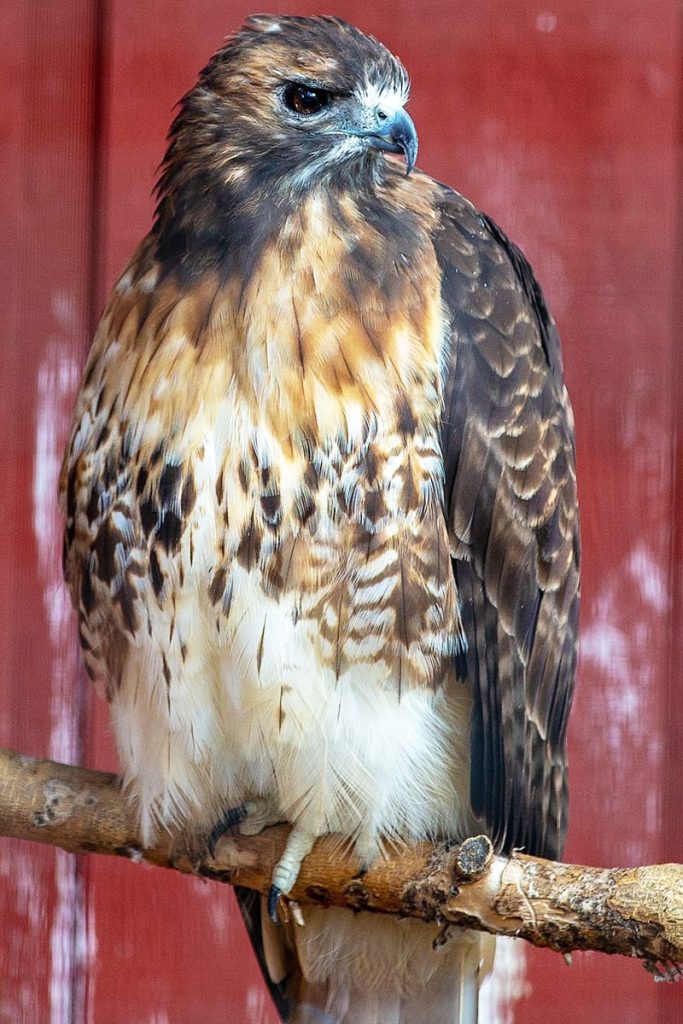
    15.Henson Robinson Zoo

    This not for profit Springfield zoo is owned and run by Springfield Park District. Built on the shores of Lake Springfield, the zoo takes part in conservation efforts and research studies.

    There are over 80 species of native and exotic animals and birds

    • Opening hours: April 17th to October 31st, daily from 10 am to 5 pm with last admission at 4:30 pm.
    • Admission: $7 for adults, $5 for seniors and $5 for children.
    • Address: 1100 E Lake Shore Drive, Springfield

    Restaurants in Springfield, IL

    Visitors to Springfield can find may great restaurants, including several under the banner Illinois Made. These are a selection of the best food makers, breweries and restaurants in Springfield Illinois.

    From Curtis Orchard to Epiphany Farms and Jones Boy’s Markets, there’s a wide range of artisan makers in the Springfield area.

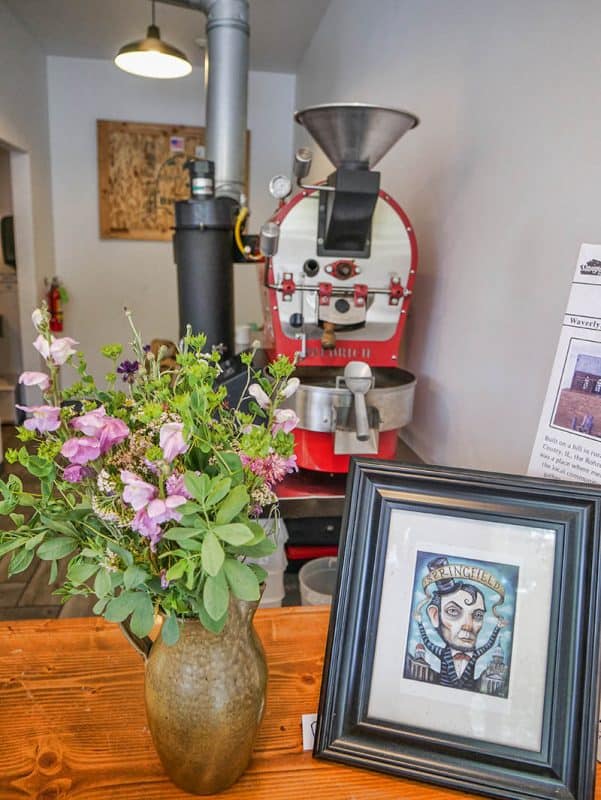
    Custom Cup Coffee – If you’re craving a coffee fix, then you’ve come to the right place. Custom Cup are specialized in roast to order and small batch coffee. Their charming coffee store at 319 E Monroe St. also serves delicious homemade cookies.

    How to Get to Springfield IL

    Located in central Illinois, it’s easily reached from Alton, Pontiac, Heritage Corridor and also Chicago. Visitors can fly in to nearby St. Louis or Chicago, take an Amtrak train or Greyhound bus or of course, drive along the famous Route 66.

    Where to Stay in Springfield IL

    The Wyndham Springfield City Centre is a very convenient place to stay in Illinois. Located in Downtown Springfield on E. Adams Street, it’s one of the best hotels near Springfield museums.

    The Wyndham has spacious bedrooms and a large swimming pool and fitness centre. There’s a rooftop bar with great views of the local area and also Nick & Nino’s Penthouse Steakhouse, a Springfield restaurant that’s popular with locals as well as hotel guests.

    Final Thoughts on the Best Springfield Illinois Attractions

    Springfield, Illinois is a place where history truly comes alive. It’s not to be missed on a Route 66 road trip. With so many things to do in Springfield, you’ll never be bored! From Abraham Lincoln’s presidential sites to strolling along quaint downtown streets, there’s something for everyone.

  • 11 Best Things to Do in La Paz Mexico

    11 Best Things to Do in La Paz Mexico

    Looking for things to do in La Paz Mexico? You’re in luck! This vibrant, coastal city has a lot to offer visitors. From stunning beaches and amazing restaurants, to world-class museums and lively nightlife, there’s something for everyone in La Paz.

    In this guide, we will explore the best places to visit in La Paz. So pack your bags and get ready for an adventure.

    Where is La Paz?

    La Paz is a beautiful city located on the Sea of Cortez in Mexico, also known as the Gulf of California. It is the capital of Baja California Sur state.

    This popular destination on the Baja California Peninsula has a lot to offer tourists, from its stunning beaches and world-class golf courses to its vibrant culture. La Paz is also a great place to learn about Mexican history and tradition.

    La Paz is home to a huge array of marine life, making it a popular destination for scuba diving and snorkeling. La Paz is also an important industrial center for Mexico, with a large fishing fleet. La Paz is a city that has something for everyone, whether you are looking for a relaxing vacation or an action-packed adventure.

    Things to Do in La Paz Mexico

    As downtown La Paz is relatively compact, you can see many of the following sights on foot. We’ve grouped together the suggested day trips from La Paz at the end of the article, and included some places to eat nearby.

    Malecón La Paz

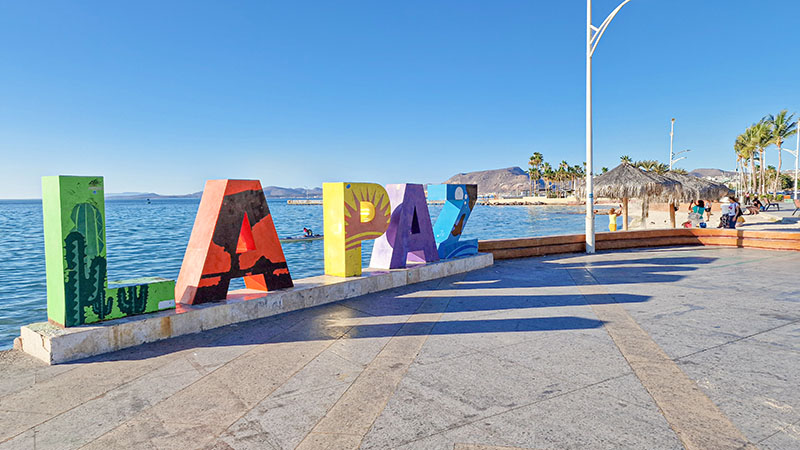
    Malecón is a promenade that runs along the water’s edge in La Paz, Mexico. This well-known boardwalk is a popular spot for locals and tourists alike, and offers stunning views of the Sea of Cortez.

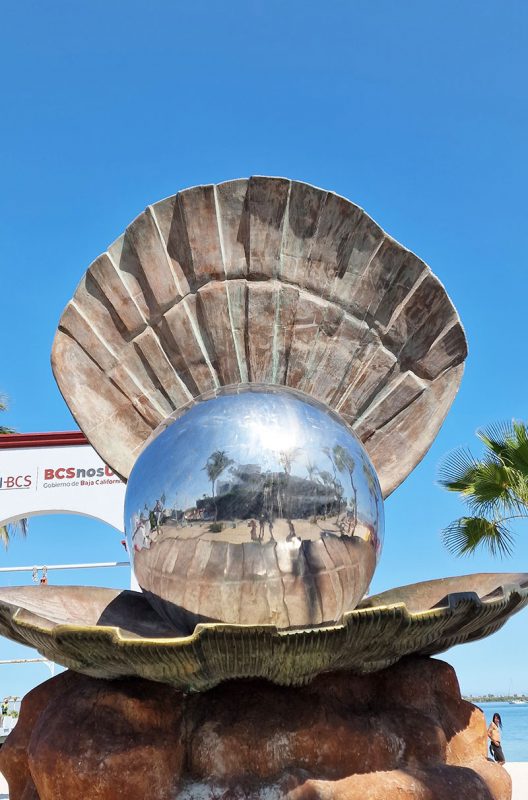
    The Malecón is also home to a number of restaurants and bars, as well as a playground and many sculptures. In the early hours and after sunset, the locals aka the Paceños come here to cycle and run.

    Museo de Arte de Baja California Sur

    The Museo de Arte de Baja California Sur (MUABCS for short) is a must-see for art lovers visiting Mexico. This world-class museum in La Paz houses a collection of art from the region, ranging from pre-Hispanic artifacts to contemporary works.

    The MABCS is also home to a number of temporary exhibitions, which showcase the work of both local and international artists. This is an ideal place to appreciate the arts of Mexico.

    Best Beaches in La Paz

    One of the best things to do in La Paz is to visit the beautiful beaches. The city has a number of white sand beaches that offer stunning views and plenty of opportunity for swimming, sunbathing, and more.

    If you’re looking for a quiet and relaxing spot to sunbathe and swim, Playa El Coromuel is perfect. For a more active beach day, Playa Pichilingue offers excellent surfing and snorkeling.

    If you prefer a beach that’s a little bit more laid-back, Playa El Tecolote is a great option. This beach is located just outside of the city and offers a more quiet and relaxing experience.

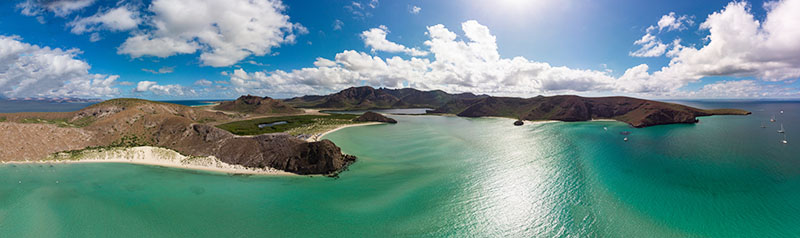
    For a truly unique experience, head to Playa Balandra. This secluded beach is located about 25 minutes north of La Paz. Balandra Beach is known for its clear turquoise waters and beautiful rock formations, and well worth the hike. No matter what your preference, the beaches of La Paz are sure to please.

    Street Art in La Paz

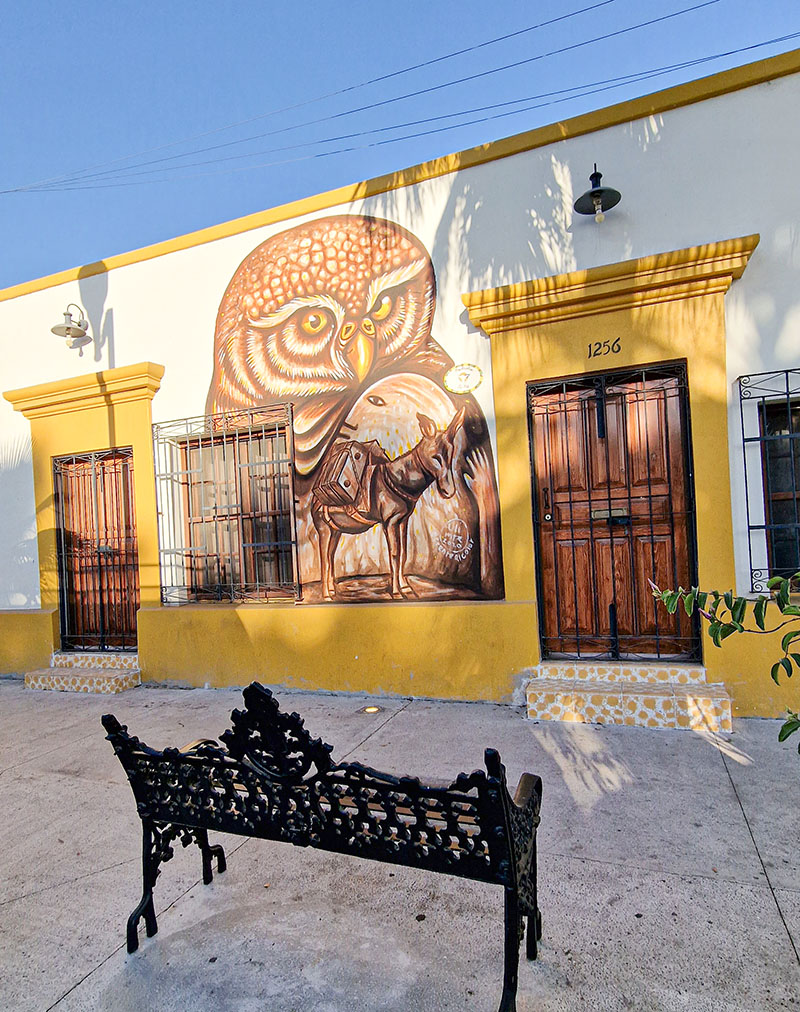
    La Paz is a vibrant city with a rich culture and history. One of the best ways to experience this is through its colorful street art. We took a walking tour with Andrea of Red Travel Mexico which was very interesting.

    The street art in La Paz tells stories of the people, the land, and the history of the region. Walking through the streets, you will see over 35 murals that depict scenes from daily life, traditional dances, and local legends.

    Lunch at Bismarckcito

    After a day at the beach, be sure to check out some of La Paz’s amazing restaurants. For a truly authentic Mexican dining experience, head to Bismarckcito.

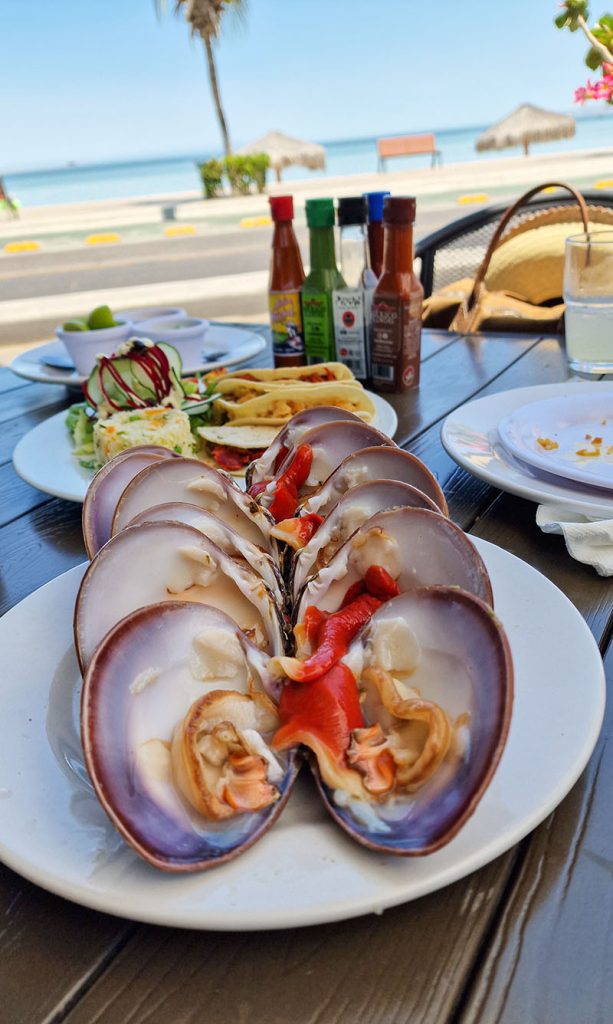
    This restaurant is known for its fresh seafood including clams and lobster as well as its friendly atmosphere. The location overlooking the Malecon and the seafront is another plus!

    La Paz Cathedral

    Also known as Nuestra Senora de La Paz, this beautiful cathedral was built in the 19th century. The Cathedral is located in the heart of downtown La Paz, and it is one of the most popular tourist attractions in the city.

    Designed in the neoclassical style, this Catholic church is home to some impressive 18th century baroque alterpieces.

    Drinks at Baja Club Rooftop

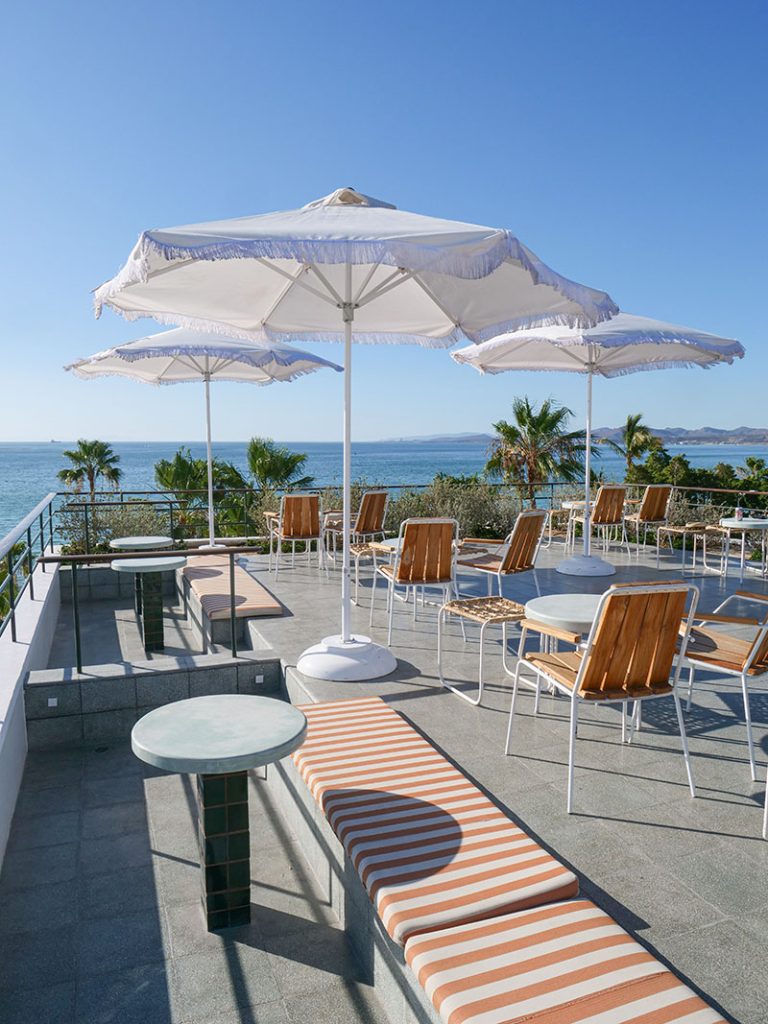
    Baja Club is La Paz’s hottest rooftop bar, offering stunning views of the ocean. You can enjoy specialty cocktails and small bites in a chic atmosphere.

    Located within the stylish Baja Club Hotel, the rooftop bar is the perfect spot for post-work drinks or a night out on the town. The sleek and modern design features an open-air lounge area with comfortable seating, ideal for groups or couples looking to relax and soak up the incredible views.

    Espiritu Santo Island

    If you want to see some amazing marine life, take a boat trip to Isla Espiritu Santo for sea kayaking and whale watching. Nicknamed the aquarium of the world by Jacques Cousteau, it is home to a unique ecosystem that includes mangroves, seagrass beds, and coral reefs.

    Espiritu Santo Island is a popular destination for snorkelers and scuba divers, who come to see the island’s abundant marine life. Sea lions, manta rays, sea turtles, colorful fish and whale sharks are all found in this nature reserve. The whale sharks only eat plankton so there’s no need to fear them.

    Visitors to Espiritu Santo Island can also enjoy hiking, bird watching, and relaxing on the beach. A UNESCO World Heritage Site and a National Park, the island is an important nesting ground for a variety of seabirds, including frigates and brown boobies. We took a boat tour here with We Boat Baja and enjoyed a picnic lunch on one of the beaches.

    Todos Santos

    A small town located about an hour’s drive north of Cabo San Lucas, Todos Santos is a picturesque town with something for everyone to enjoy. It is particularly well known for its art galleries with paintings by local artists, as well as the Todos Santos Music Festival, which takes place each January.

    Visitors can participate in a variety of activities in Todos Santos, such as hiking, biking, and horseback riding. There are also several beaches nearby, such as Playa Los Cerritos and the original Hotel California.

    El Faro Beach Club

    Surrounded by cliffs and golden sand, this beach club offers a wide range of amenities and activities for guests to enjoy. El Faro Beach Club has a beautiful pool area where guests can relax and soak up the sun, as well as a spacious beach area perfect for swimming, sunbathing, and paddle boarding.

    There are hammocks to relax in and also a spa where you can book a massage. El Faro Beach Club also offers a delicious restaurant, perfect for enjoying a meal or cocktails with views of the Pacific ocean.

    El Mirador Ocean View Restaurant

    With the same owners as El Faro Beach Club, the food at El Mirador could only be incredible! El Mirador has a great menu with something for everyone, and the spectacular ocean views are an added bonus.

    El Mirador also has an extensive wine list. The service is attentive and efficient, and the prices are reasonable. El Mirador is definitely a great choice for a romantic sunset dinner or a meal with friends.

    How to Get to La Paz Mexico

    Getting to La Paz is relatively easy, and there are a few different ways to do it. The most common way to get to La Paz is by flying into La Paz International Airport- Manuel Márquez de León.

    There are a number of different airlines that fly into the airport, and good flight connections. We arrived by car from Los Cabos and when departing, we flew with Aeromexico in Business Class from La Paz to Mexico City.

    The experience was very smooth as the flight was on time and the seats were extremely comfy. We were served snacks and drinks and the flight duration was just 2 hours and 25 minutes.

    Another way to get to La Paz is by driving. This is a good option for people who live in Mexico or who are already in the country. The city is located just 1 hour and 30 minutes north of Los Cabos, so you can easily add La Paz to a road trip itinerary in the region.

    Getting Around La Paz

    As we mentioned, the city of La Paz itself is relatively compact. However, if you’re arriving from another place in Mexico and if you’d like to enjoy some day trips from La Paz, we highly recommend booking a rental vehicle.

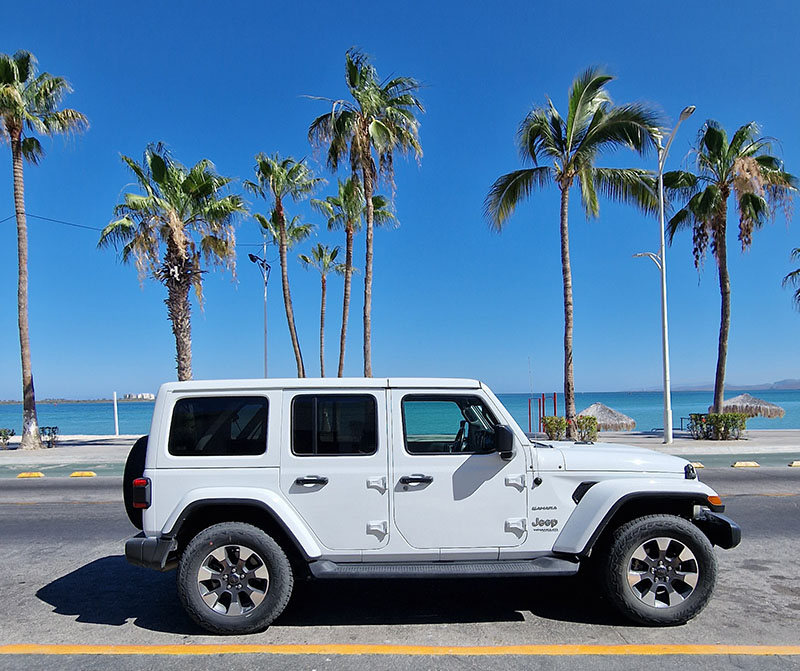
    Avis Mexico have an ideal location just a stone’s throw from La Paz International Airport. Returning our Jeep car rental here was really quick and easy. We do recommend renting a 4 wheel drive where possible – it makes getting around a breeze!

    Where to Stay in La Paz

    Baja Club Hotel in La Paz Mexico is the perfect place to stay if you’re looking for an unforgettable experience. With its beautiful location right on the water, Baja Club Hotel offers stunning views of the ocean and the cityscape.

    In addition to its incredible views, Baja Club Hotel also provides guests with an array of amenities, including an outdoor pool, a spa and outdoor fitness center.

    Guaycura Hotel in Todos Santos is a beautiful, family-owned hotel that is rich in history and culture. The hotel was built in the 19th century and still retains many of its original features.

    The Guaycura Hotel is located in the historic district of Todos Santos, and it is within walking distance of shops, restaurants, and art galleries. Guaycura Hotel also features a beautiful rooftop infinity pool and bar.

    Practical Information for La Paz

    One of the best times to visit La Paz is between October and April, when the weather is warm and sunny. You may also spot whale sharks in the Bay of La Paz during this time.

    Temperatures can reach over 38° in July and August, so pack loose comfortable clothing and sunblock. Spanish is the official language, and English is also widely spoken.

    In Conclusion: Things to Do in La Paz

    No matter what your interests are, there is sure to be something for you to do in La Paz. This incredible city has something for everyone.

    With stunning beaches, crystal clear waters, and a vibrant culture, La Paz is definitely worth adding to your travel bucket list.

    Have you been to La Paz? What were your favorite activities? Let us know in the comments below!

  • A Luxury Mexico City Itinerary: 11 Best Places to Visit

    A Luxury Mexico City Itinerary: 11 Best Places to Visit

    Mexico City is a fascinating destination that should be on everyone’s travel list. This luxury Mexico City itinerary will show you the best of what the Mexican capital has to offer! From ancient ruins to trendy neighborhoods, there is something for everyone in Mexico City.

    Luxury Mexico City Itinerary

    Any Mexico luxury tour should include the capital. Mexico City is home to an incredible array of cultural and historical treasures, not to mention some of the best restaurants and shopping in Latin America. It’s also the largest city in Mexico. For many years, famous artists have made it their home and their legacy lives on in some spectacular museums.
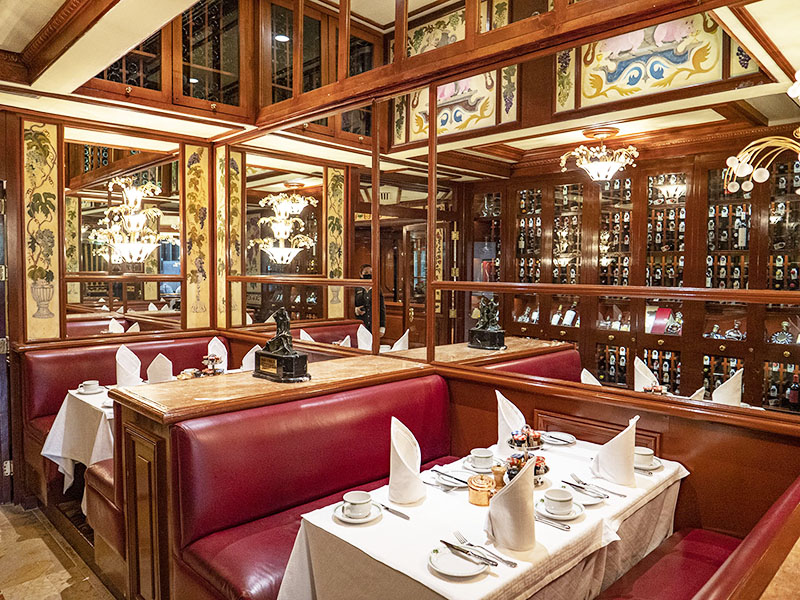
    But with so much to see and do, how do you create the perfect luxury Mexico City itinerary? This guide will take you on a journey through some of the city’s most famous landmarks and neighborhoods.

    From the stunning Templo Mayor ruins to the vibrant streets of La Condesa, there’s something for everyone in this amazing metropolis. Together with Xochimilco, the historic center of Mexico City is a UNESCO World Heritage Site since 1987.

    So grab your sunhat and get ready to explore one of the world’s most fascinating cities! Here are the best places to visit in Mexico City:

    Palacio de Bellas Artes

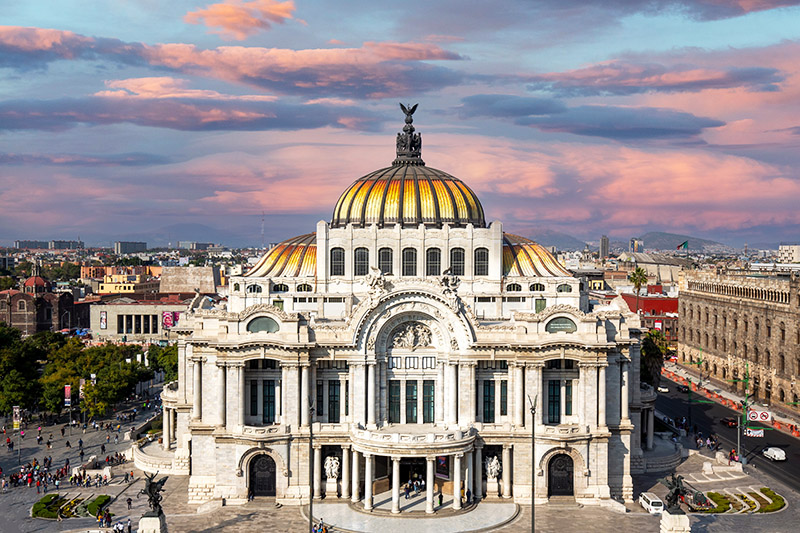
    Inaugurated in 1934, the Palacio de Bellas Artes is one of the most iconic buildings in Mexico City. This art deco masterpiece is home to the National Museum of Architecture, as well as a theater that hosts regular opera and ballet performances.

    Visitors can admire the building’s ornate exterior or admire the murals inside that were created by famous Mexican artists such as Diego Rivera, David Alfaro Siqueiros, Jose Clemente Orozco and Roberto Montenegro. The Palacio de Bellas Artes is a must-see for anyone visiting Mexico City.

    Chapultepec Park

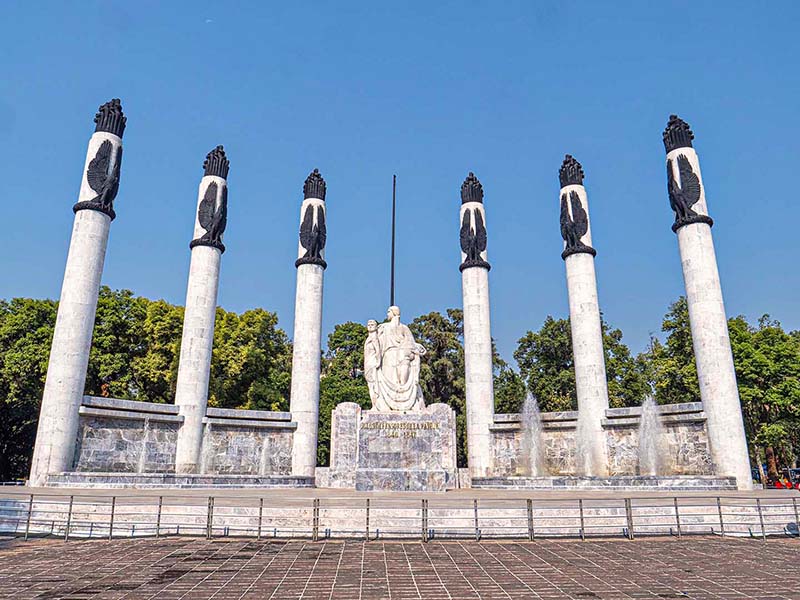
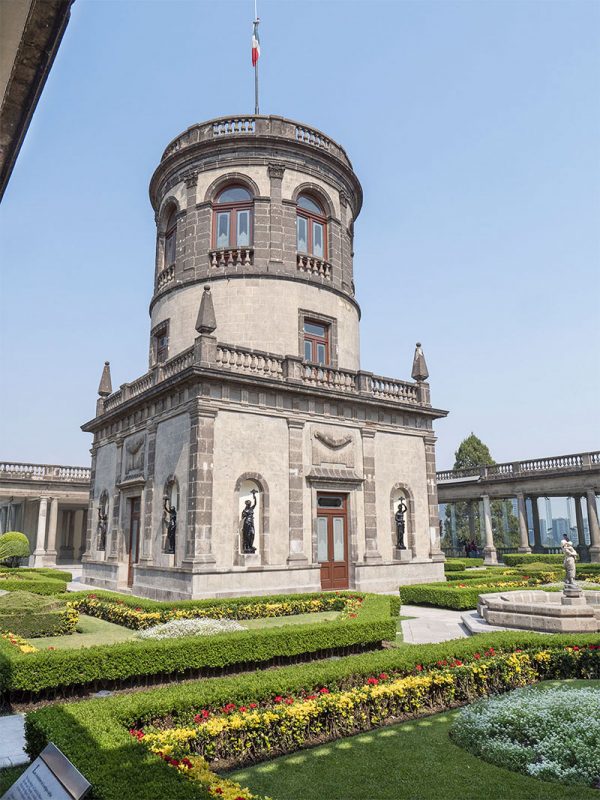
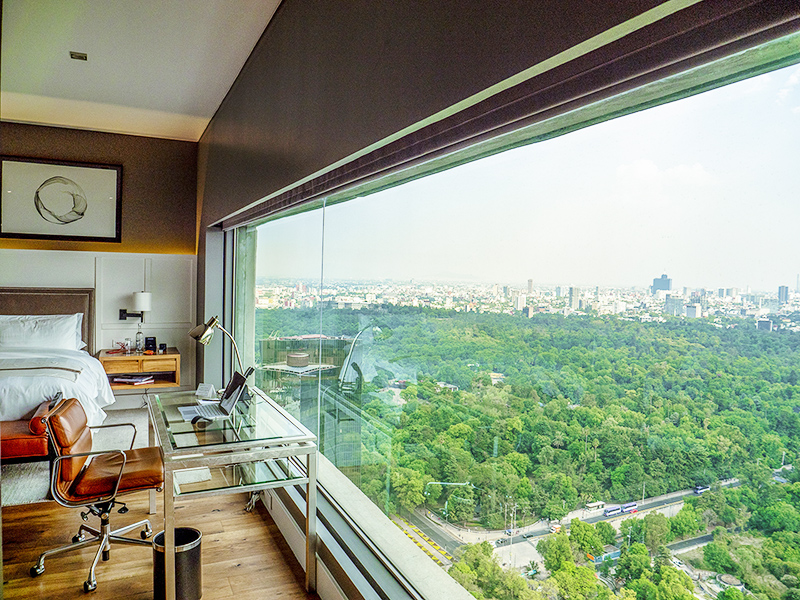
    Located in the heart of the city, Chapultepec Park is one of the largest urban parks in the world. Also known as the Bosque de Chapultepec (Chapultepec Forest), it is twice the size of Central Park in New York City. With 1,695 acres of land, the park is home to a variety of attractions, including museums, monuments, and gardens.

    Visitors can also enjoy boat rides on the park’s lake, or walk to the top of Chapultepec Hill for sweeping views of Mexico City. There are several museums located within the park, including the Museo Nacional de Historia, within Chapultepec Castle.

    National Museum of Anthropology

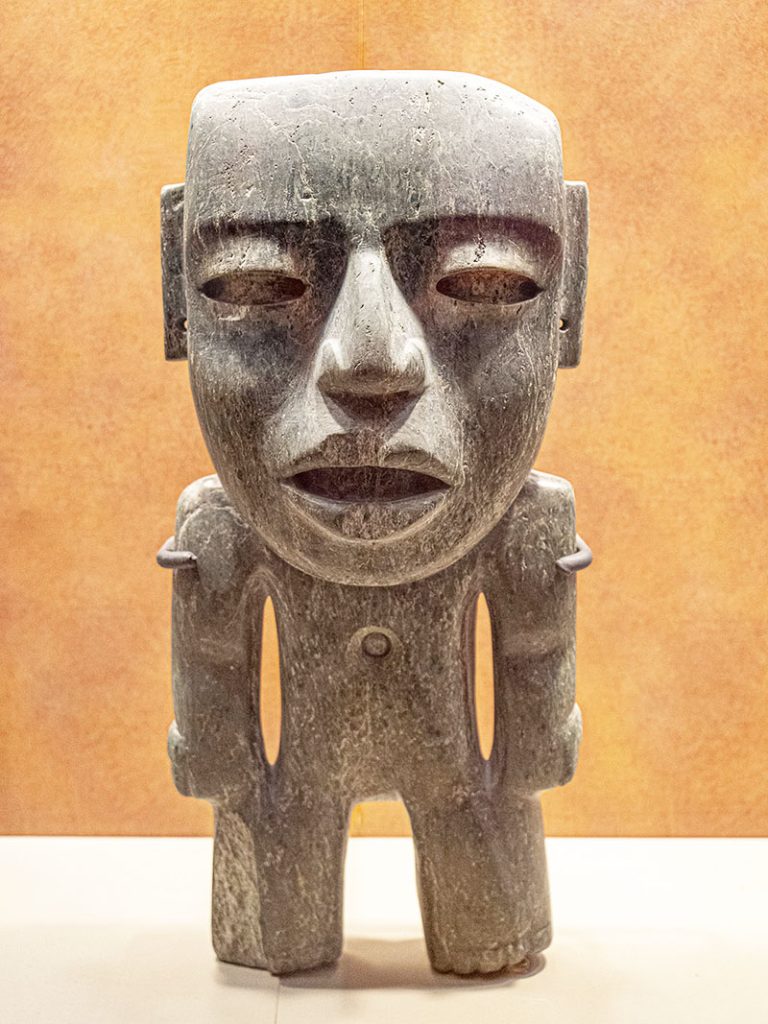
    Be sure to include a visit to the National Museum of Anthropology. This world-renowned museum is home to an incredible collection of pre-Columbian art and artifacts.

    Visitors can see ancient pottery, jewelry, and stone carvings, as well as learn about the history and culture of the people who created them. You’ll have the opportunity to learn about the country’s rich history and culture through interactive exhibits and lectures.

    The museum also has a beautiful garden with a sculptures and fountains. The National Museum of Anthropology is a must-see for anyone interested in the history and culture of Mexico. We took a guided tour arranged by our hotel, the InterContinental Presidente Mexico City.

    Roma Norte

    Also known as La Roma, this chic neighborhood is home to some of the city’s best shopping, dining, and nightlife. Start your day with a walking tour of Avenida Alvaro Obregon, window-shop at the designer boutiques, grab a coffee at one of the trendy cafes, and people-watch to your heart’s content.

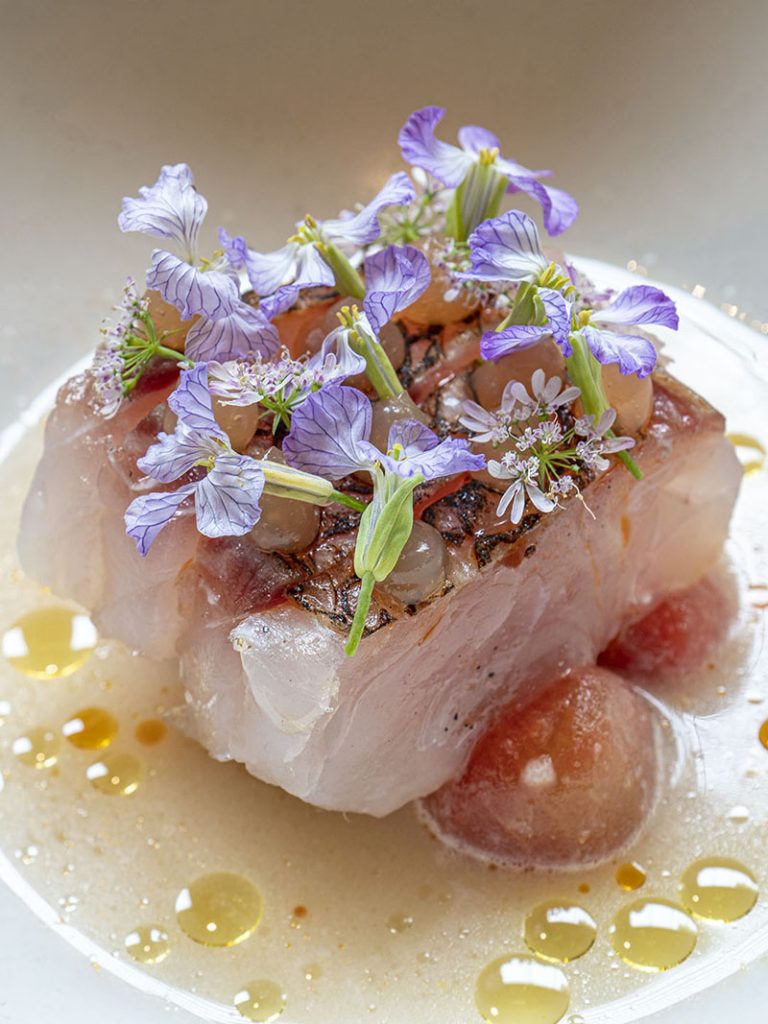
    For lunch, head to Migrante for beautifully presented Mexican cuisine or Contramar for fresh seafood overlooking the gardens of Alameda Central. In the evening, enjoy cocktails and live music at J&B Metrosideros, or dance the night away at Foro Alicia.

    Alternatively, if you’re looking for something a little more low-key, you can explore one of the many parks or museums in Roma Norte.

    Frida Kahlo Museum

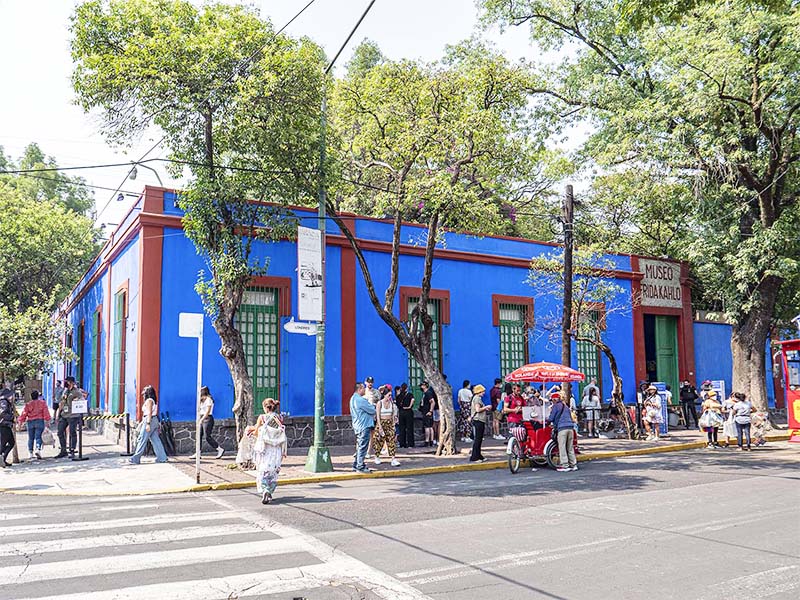
    No luxury Mexico City itinerary would be complete without a visit to the Frida Kahlo Museum. Located in La Casa Azul, or Blue House, where Kahlo was born, raised, and died, the museum offers a glimpse into Mexican culture and history.

    With its gorgeous blue facade and lush gardens, it’s easy to see why Kahlo chose this location as her refuge from the busy city. Inside, you’ll find an intimate look at her life, with personal photographs and belongings on display.

    The museum also features a selection of her most famous paintings, including self-portraits and works inspired by her Mexican heritage. The garden is a perfect place for photos.

    La Condesa

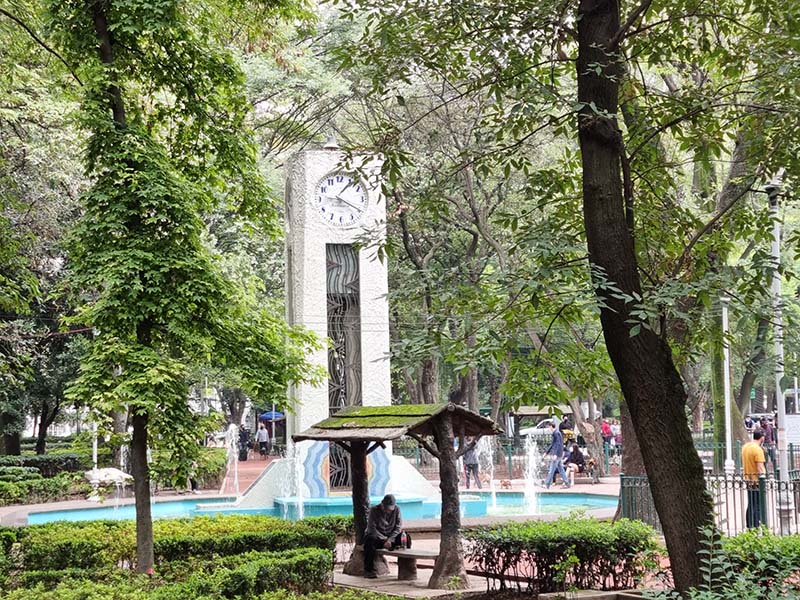
    One of the city’s most stylish districts is La Condesa, an upscale neighborhood known for its art deco architecture, trendy restaurants, and boutique shops. Visitors to La Condesa can start their day with a stroll through one of the neighborhood’s many parks, followed by some shopping or a leisurely lunch. Parque España is popular with dog walkers and runners.

    In the evening, there are plenty of options for fine dining, live music, and dancing. Whether you’re looking for a day of luxury or a night on the town, La Condesa is sure to have something to suit your needs. It’s well worth taking a walking tour of the area so that you don’t miss all the hidden gems.

    Luis Barragán House and Studio

    Designed by Mexican architect Luis Barragán, Casa Estudio Luis Barragán is considered one of his most important works. This UNESCO World Heritage Centre is one of the most important examples of 20th century Mexican architecture, and it offers a fascinating glimpse into the life and work of its legendary namesake.

    Visitors can explore the various rooms of the house, which have been left exactly as Barragán left them, and view his personal belongings and art collection. The studio is impressive, with high ceilings and an abundance of natural light. It contains many of his original drawings and sketches, as well as furniture and objects that he designed himself.

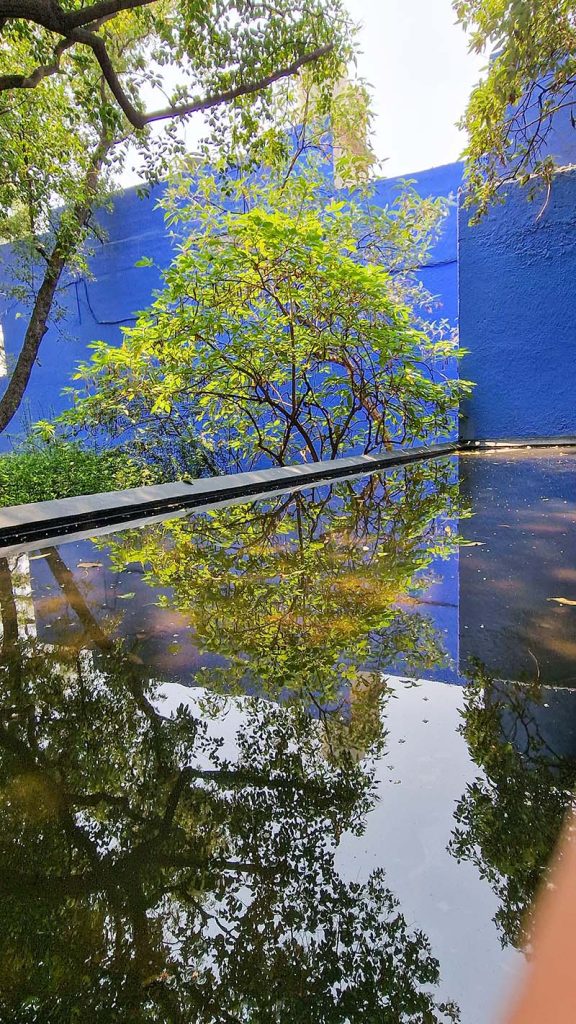
    You can’t take photos in the house but it is possible in the garden opposite the property. A private tour of Luis Barragán House and Studio is a truly unique experience that fans of modern architecture should not miss.

    San Angel

    This historic neighborhood has it all: world-class dining, chic shops, and breathtaking architecture. Start your day with a leisurely stroll through the shade-dappled streets, admiring the elegant mansions and pretty courtyards.

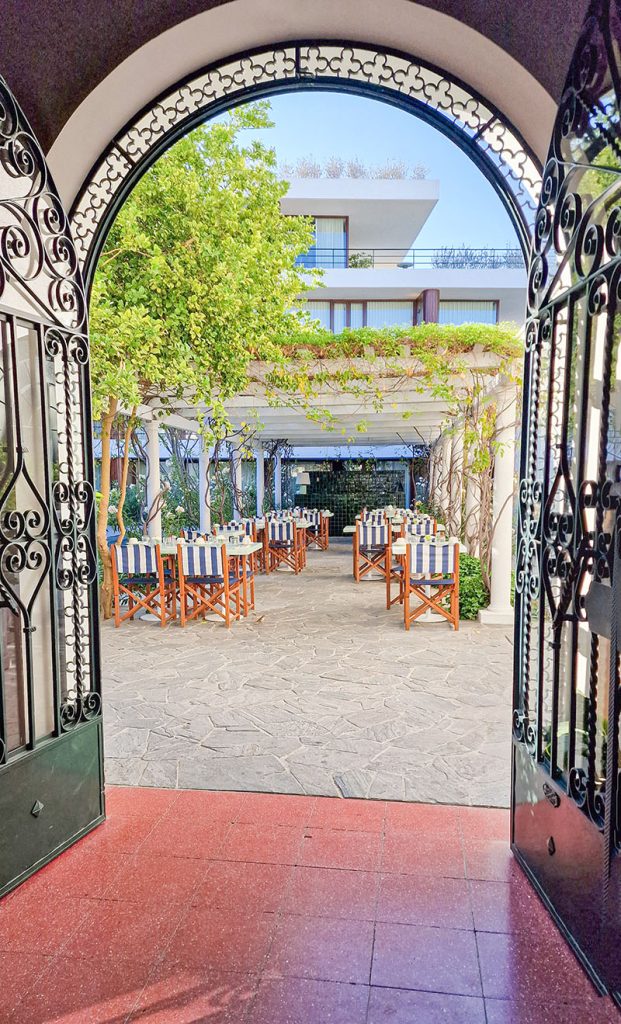
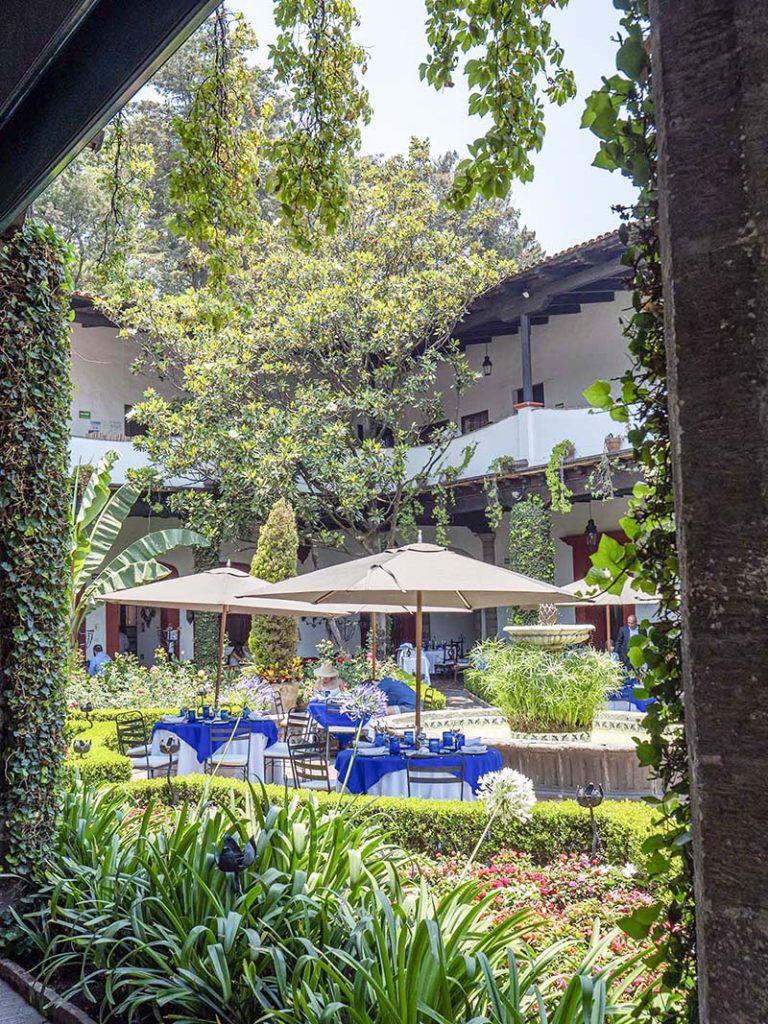
    When you’ve worked up an appetite, treat yourself to a gourmet meal at San Angel Inn, one of San Angel’s top restaurants. There are several beautiful courtyards if you’d like to eat outside. Try a margarita, it’s a specialty of the house!

    In the afternoon, browse the wares at local boutique shops or art galleries. On Saturdays, the area transforms into an indoor and outdoor craft market and art gallery, El Bazar Sábado.

    San Angel is filled with beautiful historic buildings, tree-lined streets and a relaxed atmosphere.

    Diego Rivera and Frida Kahlo House Studio Museum

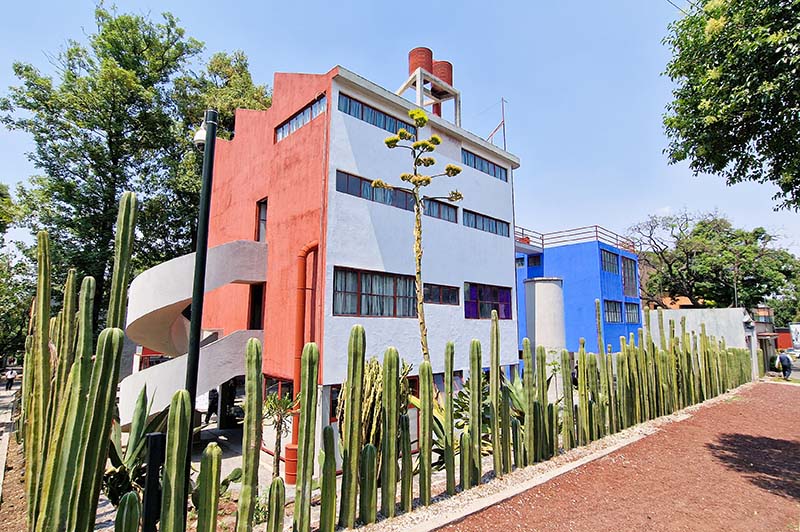
    Also located in the upmarket San Ángel neighbourhood, Museo Casa Estudio Diego Rivera y Frida Kahlo was once home to the famous artist couple. Designed by Mexican architect and painter Juan O’Gorman, the houses are inspired by the functionalism style of architecture. However, they are decorated in vibrant colors and feature rows of cacti.

    Visitors can see Diego Rivera’s papier-mâché creations together with his drawing table and paint brushes. This is the perfect place to learn more about Rivera and his impact on Mexican art.

    You can also see several Diego Rivera murals at the Secretaría de Educación Pública in the center of Mexico City. Another must-see for fans of the artist is the Museo Mural Diego Rivera, which houses one of his most iconic works. Sueño de una Tarde Dominical en la Alameda Central, or Dream of a Sunday afternoon in the Alameda, features hundreds of characters from Mexican history.

    Templo Mayor Museum

    If you have time, make a day trip to Teotihuacan, one of the Mexican capital’s most iconic landmarks. This huge archaeological site is located 48 kilometers to the north east of Mexico City.

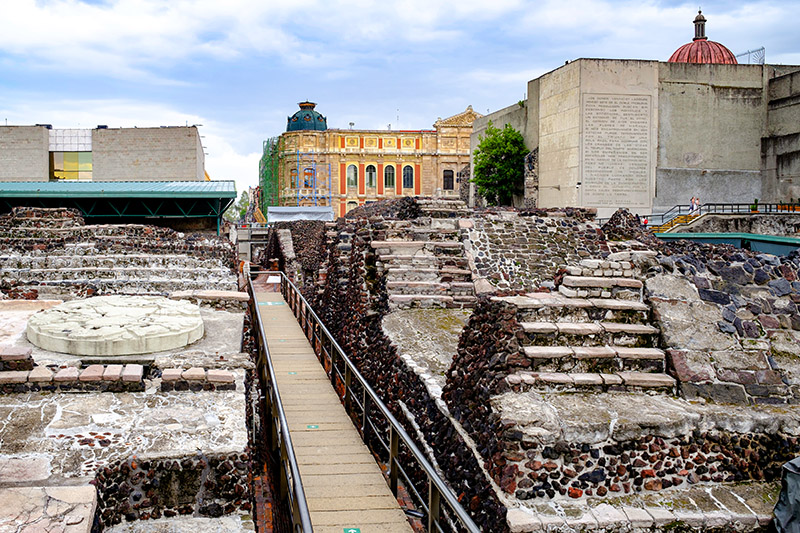
    However, if you haven’t got enough time for this during your trip, then you can see still some impressive artefacts at the Templo Mayor Museum in the center of Mexico City. Built in the 14th century, the Templo Mayor was the main temple of the Aztec gods and played a central role in Aztec religious life.

    The Templo Mayor was dedicated to the god of war, Huitzilopochtli and the god of rain, Tlaloc. It was destroyed by the Spanish in 1521 but has since been excavated and reconstructed.

    Today, the ruins of the ancient city of Tenochtitlan are a popular tourist attraction, and visitors can explore the site’s many chambers and learn about Aztec culture and history.

    National Palace

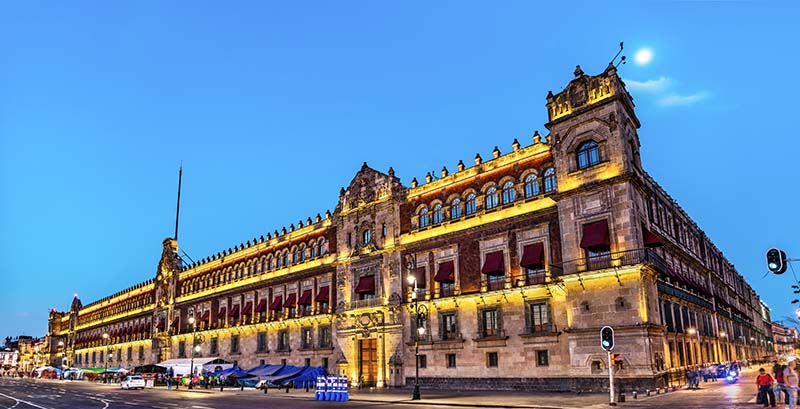
    The National Palace is located in the historic center of Mexico City and was built between 1563 and 1585. It served as the home of the Spanish viceroys until Mexican independence in 1821.

    Today, the Palace is the official residence of the Mexican President, and used by the Mexican government for official events and receptions. It is also open to the public from Tuesday to Sunday.

    You’ll need to bring your passport to gain admittance. Don’t miss the murals by Diego Rivera that depict centuries of Mexican history.

    Where to Stay in Mexico City

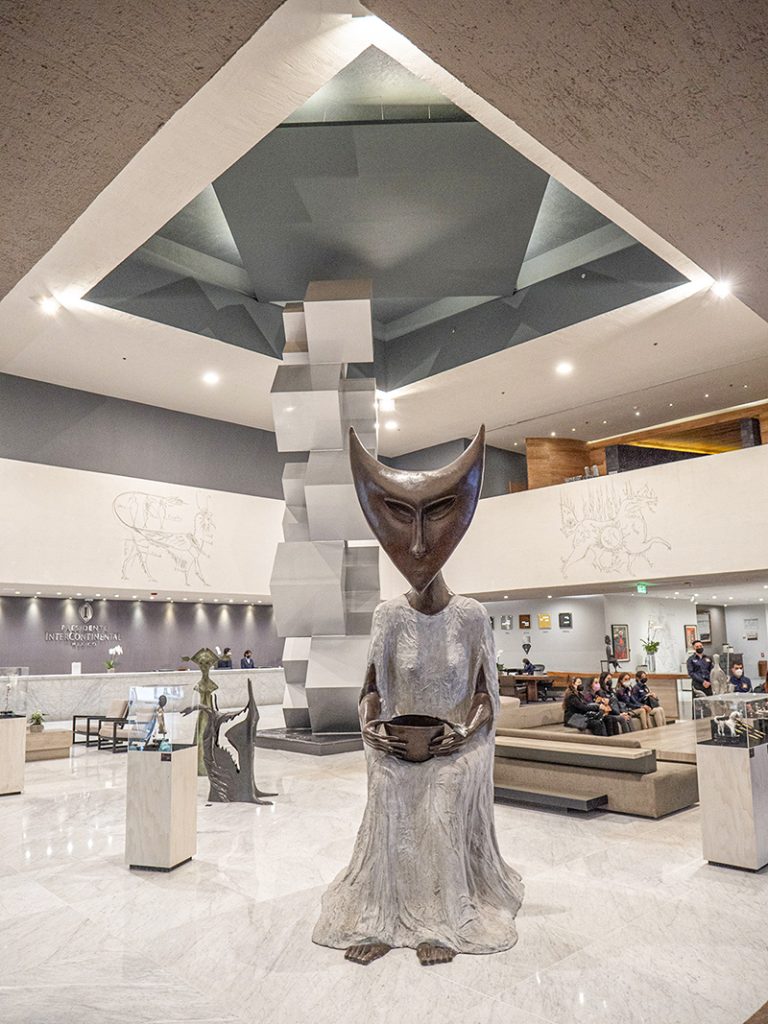
    For a truly luxury experience, stay at one of Mexico City’s top hotels, the InterContinental Presidente Mexico City, and enjoy all that this incredible city has to offer.

    Located in the heart of Mexico City in the elegant Polanco district, the hotel is within walking distance of many of the city’s most popular attractions including Museo Soumaya and Museo Jumex.

    This five-star hotel offers all the luxury and amenities you could want, including a spacious terrace and a relaxing spa. The staff are incredibly friendly and helpful.

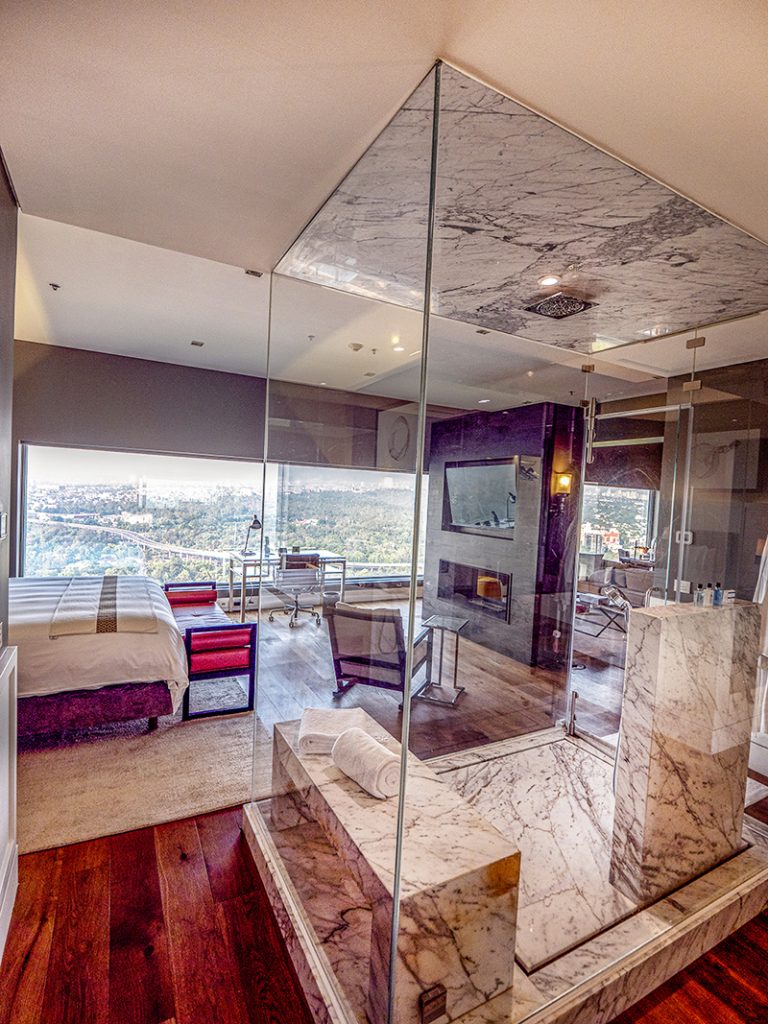
    The rooms and suites are spacious and beautifully appointed. We were fortunate to stay in the Master Suite Alberto Gironella, which boasts a see-through steam room and incredible views of Chapultepec Park.

    The on-site restaurants offer a variety of international cuisines – we tried French food from Au Pied de Cochon, Italian risotto and tiramisu from Alfredo di Roma and Mexican specialties at Chapulin.

    There are many works of art dotted around the hotel, and regularly changing exhibitions on the ground floor. Whether you’re in town for business or pleasure, InterContinental Presidente Mexico City is the perfect place to stay.

    How to Get to Mexico City

    The best way to reach Mexico City is by flying into Mexico City International Airport (MEX). MEX is served by many major airlines, including Aeromexico.

    Aeromexico offers direct flights from London Heathrow (LHR) to Mexico City (MEX), making it easy to reach your destination. When booking your flight, be sure to select the Aeromexico Business Class option to enjoy a really comfortable and luxurious journey.

    The airline offers fully reclining flat beds and a stylish Etro amenity kit. Plus, you’ll be served a delicious meal and will have access to a large personal screen for in-flight entertainment.

    In Conclusion: Luxury Mexico City Itinerary

    So, there you have it! Our luxury Mexico City itinerary features the very best things to do in Mexico City.

    Whether you spend a weekend in Mexico City or a bit longer, you’re sure to have a great time.

    In the meantime, we hope this article has inspired you to put together your own unforgettable vacation in one of the most vibrant and exciting cities in the world.

  • 7 Reasons Why You Should Try Kayaking in the Everglades

    7 Reasons Why You Should Try Kayaking in the Everglades

    The Everglades is a unique eco-system. Spreading over 2 million acres, it’s the only place in the world where alligators and crocodiles coexist. Alligators don’t digest salt, so they live in fresh water, whereas crocodiles thrive in both fresh and salt water. Here are some reasons why you should try kayaking in the Everglades, Florida.

    Kayaking in the Everglades

    The Everglades is known for its wetland landscape and abundance of wildlife. It can be experienced from many different angles, but one of the most exhilarating ways to explore it is by kayak.

    Whether you’re a novice or experienced paddler, kayaking in the Everglades is sure to give you an exciting adventure that will provide lasting memories for years to come. Read on for more reasons why this excursion should be at the top of your bucket list!

    1.An Alternative to Florida Theme Parks

    Who doesn’t love a good theme park, and Florida has more of them than any other area in the world. It is easy to combine a trip there with a visit to the Paradise Coast, which has many cultural attractions and outdoor activities in Naples, or to the Everglades to get close to nature.

    2.Eco-friendly Kayaking in Florida

    Kayaks have the advantage of being totally silent and for that reason they’re allowed to venture fully into the Everglades National Park. Air boats are not permitted in most of the park itself, only on the outskirts due to the noise of the motors. There are many Everglades kayak tours, but Everglades Area Tours are one of the best for eco-tours, leading excursions by kayak, bicycle and on foot.

    3.Everglades Wildlife

    By choosing an eco-friendly Everglades National Park tour, you’re likely to see more wildlife. Our guide, Ronald, was a Florida Master Naturalist, licensed by the US Coast Guard and certified by the National Park.

    He knows the area like the back of his hand and his is one of the best Florida Everglades tours. The wildlife was in abundance on the day we kayaked but there are no crocodiles in that area of the Everglades, just alligators who are perfectly safe if undisturbed. Check out our video here…

    You will spot magnificent specimens like this perching in the trees.
    You may also come across sea-turtles, admiring the scenery. The Great Blue Heron is another common sight in the Everglades. There are also many egrets and sea eagles to look out for.

    Perhaps the biggest thrill is getting up close and personal with the alligators. The saying goes, do something that scares you every day.

    We have to admit to being a bit apprehensive about kayaking among the alligators. However, we asked Ron beforehand and he reassured us that alligators, unlike crocodiles are safe if left unprovoked.

    In the areas where he took us, they were young alligators that were also extremely docile. They hardly moved as we glided by, much to my relief!

    4.Explore the Everglades Mangroves

    The Everglades are home to the largest mangrove forest in North America and on this tour, we had the privilege of kayaking through them. Mangrove trees grow along tidal creeks and provide refuge for many birds and mammals.

    In parts, the mangrove roots are so omnipresent that you can’t easily paddle. If you do an Everglades swamp tour, the solution is to use the branches to push through gently with your hands. The canopy overhead provides welcome shade and an eerie sense of stillness.

    5.Get Fit in the Everglades

    Whilst kayaking is a great upper body workout, thankfully it’s not too tiring. It’s actually suitable for all ages and fitness levels. The youngest person that our guide has taken kayaking was 2 years old and there have been several participants in their 80s and 90s.

    We kept stopping to take pictures so didn’t work up too much of a sweat, and Ronald was happy for us to do so. In fact he pointed out many great photo opportunities.

    Both Paul and I wore a shirt designed to repel mosquitoes and I’d definitely recommend that you do the same. It’s also worth applying insect repellent liberally and wearing a hat to protect you from the sun.

    6.Work as a Team

    The reason why kayaking in the Everglades is suitable for all ages is that you can go out on tour own or in a 2 person boat. Just be warned that it may take some time before you get in sync with your fellow paddler;-).

    Our guide was extremely patient, instructing us how to work as a team. A 2 person kayak is more stable though it’s harder to get photos of the other person so next time we’d probably go separately.

    7.Everglades City Stone Crab

    Did you know that fishing Florida stone crabs is considered to be eco-friendly too? The reason is that only their claws are harvested, with the crab itself being returned to the water and growing new claws.
    They are only fished between 15 October and 15 May. Everglades City is one of the best places to eat stone crab.

    Our guide recommended Camellia Street Grill, a colourful place on the Barron River, as a good place to try Everglades stone crab.

    We had also heard good things about City Seafood on Begonia Street, one of the top Everglades City restaurants. Camellia Street Grill has a quirky decor and most importantly, some delicious food. The veggie burgers are a good alternative for those who aren’t keen on seafood.

    We tucked into deliciously tasty crab that came away from the shell so easily that you could tell it was at its freshest. For dessert, we savoured a lovely Key Lime Pie, a great end to our adventure, kayaking in the Everglades.

    Final Thoughts on Kayaking in the Everglades

    The next time you’re looking for an outdoor activity that will take you on an adventure, try kayaking in the Everglades. This region of the United States is a great ecotourism destination. You won’t be disappointed by the scenery and it’s a great workout too.

    Have you ever been kayaking in Florida or elsewhere?