You have two nights in Milan, a serious hotel budget, and no interest in wasting half the trip in taxis. The room looks beautiful online, but the address decides how the stay feels. A hotel near Brera gives you galleries, aperitivo bars, and easy evening walks. A hotel in the Fashion District puts Via Montenapoleone, Via della Spiga, and polished Milanese restaurants outside the door. Pick the wrong zone and the hotel becomes an expensive place to sleep between journeys.
My clear verdict: choose Brera for an art-led, walkable first visit; choose the Fashion District for shopping, polished service, and a hotel that acts as part of the experience.
Brera versus Milan’s Fashion District: which location fits your trip?
The practical comparison
| Factor | Brera | Fashion District |
|---|---|---|
| Best for | Art, restaurants, walking, evening atmosphere | Shopping, fashion, luxury service, central access |
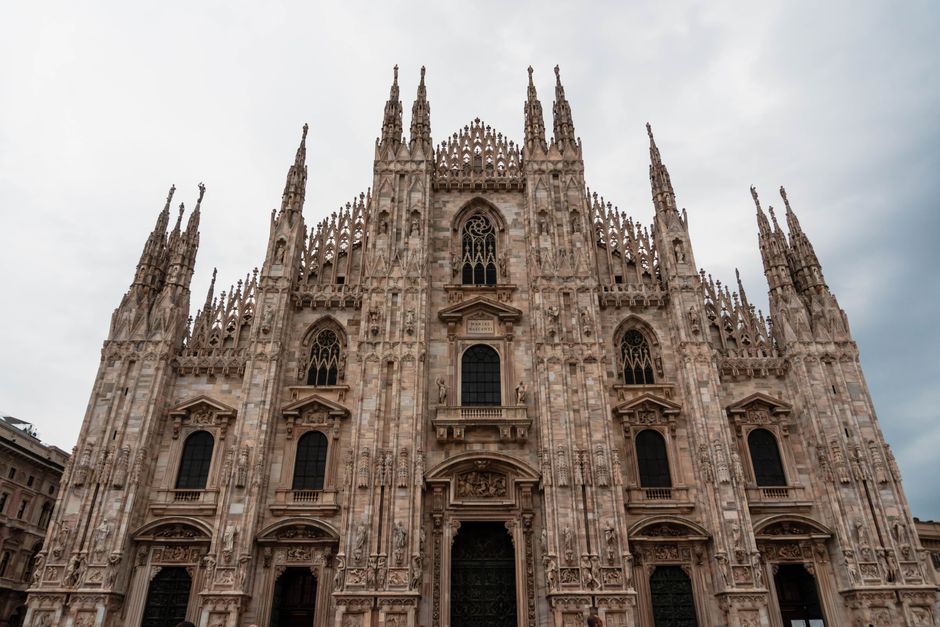
| Duomo access | About 10 to 15 minutes on foot | About 8 to 12 minutes on foot |
| Evening feel | Lively, local, restaurant-led | Quiet and polished after shops close |
| Typical room planning range | €220 to €650 per night | €450 to €1,800 per night |
| Main drawback | Noise, cobbles, smaller rooms in older buildings | Higher prices and less neighborhood character |
These are planning ranges for 2026, not live quotes. Milan rates jump during Fashion Week, Salone del Mobile, major concerts, and trade fairs. A room that costs €280 on a quiet Sunday can pass €600 during a major event.
The sharper choice
Book Brera if you will spend more time outside the hotel than inside it. The neighborhood gives you better casual meals, stronger evening walks, and a more distinct sense of Milan. Book the Fashion District if you want the hotel to deliver privacy, service, and a clean route to luxury shops. The location has fewer surprises, but it also asks you to pay for that control.
Do not choose based on the phrase “central Milan” alone. The city center is compact on a map, yet a ten-minute difference in the wrong direction can change your daily rhythm. Look at the exact street, the nearest tram or metro stop, and the walking route you will use after dinner.
How to choose a Milan design hotel in 15 minutes
Run this five-step address check
- Pin your first three activities. Mark the Duomo, your main museum, and the restaurant or shopping street you care about most. The best hotel is the one that reduces repeated crossings of the city.
- Measure the real walk. Check the route from the hotel entrance, not just the neighborhood label. A property called “Brera” may sit on the edge of the district, while a Fashion District hotel may be closer to San Babila than to the boutiques you want.
- Inspect the room plan. Look for square meters, window direction, elevator position, and bathroom layout. A 16-square-meter room with a clever plan can feel better than a 24-square-meter room with a desk blocking the bed.
- Check arrival friction. Confirm taxi access, late check-in, luggage storage, and whether the entrance sits on a pedestrian street. This matters when you arrive with cases or leave before breakfast.
- Read the cancellation terms before admiring the lobby. Non-refundable rates can save money, but Milan event calendars create real risk. Flexible rates are worth the extra cost when your dates sit near Fashion Week or a major fair.
Use a simple scoring rule
Give each hotel a score from one to five for location, room size, noise control, design quality, and price. Double the location score. That prevents a dramatic lobby from beating a badly placed hotel. Then subtract two points for every missing detail: no room dimensions, unclear photos, vague breakfast hours, or a cancellation policy hidden behind several booking screens.
This method feels blunt because it is blunt. The goal is not to find the most beautiful hotel page. The goal is to avoid buying a room that looks impressive online but makes every part of the trip harder.
Which design hotels in Milan are actually worth the money?
Best for Brera access: Room Mate Collection Giulia
Room Mate Collection Giulia is the practical design pick for travelers who want a strong central address without committing to ultra-luxury pricing. It sits near the Duomo, with Brera close enough for an easy walk, and its interiors have more personality than the average corporate city hotel. Plan roughly €250 to €450 per night for an entry-level room on ordinary 2026 dates, with major event periods moving well above that range. The main advantage is time: you can reach the cathedral, Galleria Vittorio Emanuele II, La Scala, and Brera without planning transport for every outing.
The weakness is that “near Brera” is not the same as sleeping inside Brera. If you want gallery streets outside the door, choose a true Brera address. If you want a central base and a playful interior, Giulia is the smarter value. That is the verdict.
Best for architecture and a rooftop pool: Hotel VIU Milan
Hotel VIU Milan is in Porta Volta rather than Brera or the Fashion District, but it deserves attention because it solves a different problem. The hotel has 124 rooms, a vertical garden, and a rooftop pool with city views. Budget about €280 to €550 per night for a standard room outside peak event dates. The address gives you a bridge between the center, Brera, and the Isola area, so it works well for travelers who want contemporary architecture and a less traditional neighborhood.
It is not the best choice for someone who wants to step directly into Via Montenapoleone. It is the best choice for a design-led traveler who values a strong building, outdoor space, and a livelier modern district. Check the official VIU room categories before booking because views and layouts differ sharply.
Best for fashion: Portrait Milano and Bvlgari Hotel Milano
Portrait Milano is the strongest fashion-district pick for travelers who want historic architecture with a residential feel. The former seminary complex contains 73 rooms and suites, and the public courtyard gives the property a sense of space that many central hotels lack. Plan roughly €750 to €1,500 per night for an entry-level room, with suites and event dates climbing higher. The official room overview shows why room categories matter here: courtyard position and suite scale change the experience.
Bvlgari Hotel Milano is the prestige choice. Its private setting near Via Montenapoleone, Via della Spiga, La Scala, and Brera makes it unusually convenient for shopping and culture. Plan from about €1,100 per night, often much more for larger rooms or peak dates. Choose Bvlgari for service, privacy, and brand polish. Choose Portrait Milano for architecture and a more open, social setting. Do not pay Bvlgari prices if the room itself is your main priority; the property’s official page makes clear that the value is the full service package, not just square meters.
Which Milan hotel area is best for a first visit?
Choose Brera for the better all-round first stay
For most first-time visitors, Brera is the winner. You get a strong mix of art, restaurants, central landmarks, and evening atmosphere without paying the highest possible rate for every square meter. The area also makes the city easier to understand on foot. You can leave for the Duomo, continue to La Scala, stop for coffee, and return through streets that still feel lived in. That matters more than a famous lobby when you have only two or three nights.
Brera also gives you more room to make a bad weather plan. Galleries, cafés, shops, and museums sit close together, so you are not locked into one long outdoor route. Pick a courtyard-facing room and confirm the distance to the exact street you want, not just the district name.
Choose the Fashion District for a focused luxury trip
The Fashion District wins when shopping, polished service, and hotel time are the point of the trip. It is the right base for a couple celebrating an occasion, a fashion professional with appointments, or a traveler who wants a refined room and a short walk to major boutiques. Portrait Milano is the best balance of design and location. Bvlgari Hotel Milano is the stronger splurge when privacy and service matter more than value.
Do not split a short stay between both districts. Milan is compact enough to visit both, but moving hotels costs time and breaks the rhythm. Pick one base, then visit the other area for an afternoon. For a design-focused first trip, that base should be Brera unless fashion shopping is the main event.
What is the final verdict on design hotels in Milan?
Best overall: Brera
Brera is the best all-round location because it combines walkability, visual character, food, and access to Milan’s major cultural stops. It gives you a trip that feels like Milan rather than a luxury hotel bubble. Expect higher rates than ordinary central accommodation, but you get more useful atmosphere in return.
Best focused picks
Choose Room Mate Collection Giulia for central design at a more manageable planning price. Choose Hotel VIU Milan for contemporary architecture, a rooftop pool, and a modern neighborhood edge. Choose Portrait Milano for the strongest Fashion District balance. Choose Bvlgari Hotel Milano only when its service and private setting justify the premium.
The single most important takeaway is simple: book Brera for the best first-time Milan experience, and book the Fashion District only when fashion shopping and hotel luxury are the main reasons for the trip.
