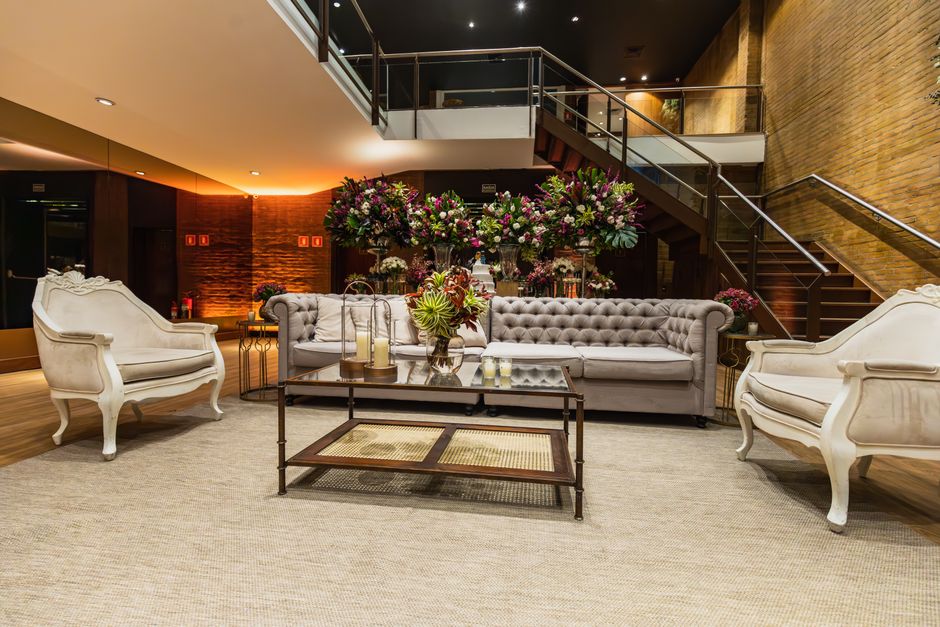
A design hotel is not a room with a sculptural chair and a beige lobby. The real test is simple: does the building, service and smallest operating detail express the same idea?
What makes a design hotel genuine?
Architecture is a promise
A genuine design hotel starts with a clear response to its place, building or guest. That response might mean preserving an old townhouse, exposing the structure of a former factory or shaping every room around a city view. The style can be loud or quiet. The point is consistency. The building should tell you why the hotel exists before a staff member explains it, and the room should feel like part of that argument rather than a showroom assembled from fashionable objects.
Service is the proof
The best test is what happens after the photograph stops doing the work. Staff should know the useful details: the quietest room, the best time to use the restaurant, the local gallery worth crossing town for and the reason a particular material appears throughout the property. A hotel can copy terrazzo, vintage lamps and linen robes in a weekend. It cannot easily copy a working culture that pays attention to how guests move, sleep, eat and ask for help. My verdict is direct: choose the hotel where design improves the stay, not the hotel where design gives you something to photograph.
How to read the architecture before booking
Start with the original building
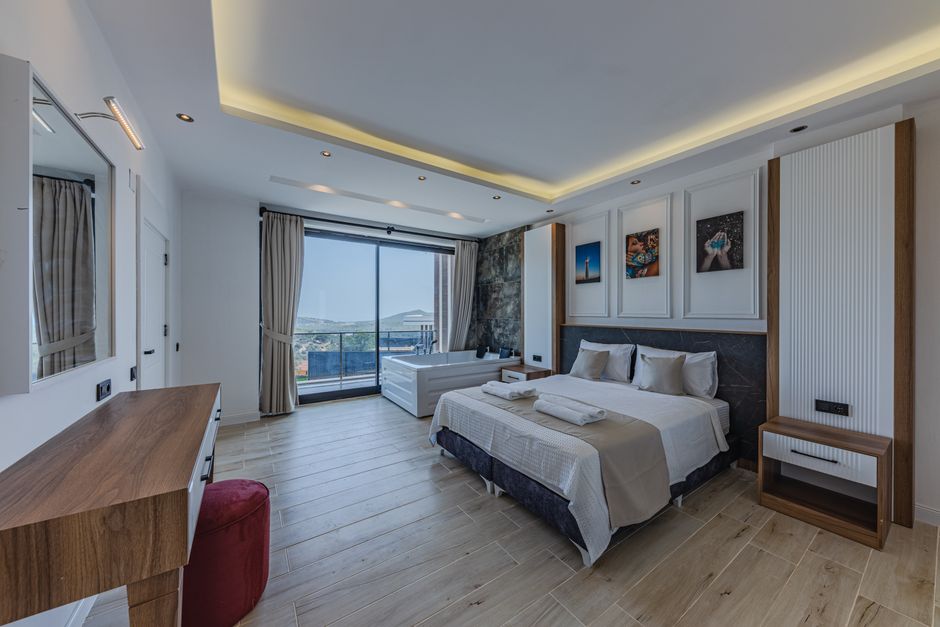
Look past the hero image and find out what the hotel was before it became a hotel. A former home, warehouse, school or grain silo creates real limits. Those limits produce character because the designer must solve awkward columns, narrow staircases, unusual ceiling heights and irregular windows. A new-build property can still be excellent, but it needs a stronger idea to avoid looking like a polished apartment block with a lobby bar.
Check the floor plan if the hotel publishes one. Look for the relationship between bedroom, bathroom, window and circulation space. A serious design team spends money on proportions, sightlines, acoustics and daylight before it spends money on decorative objects. If the room photographs show only a bed, bedside lamp and vase, search for the plan, the building history and photographs of shared spaces.
Follow one detail through the whole property
Pick a detail and track it. It could be a local stone, a timber species, a curved window, a colour pulled from the neighbourhood or a piece of furniture made for the hotel. At The Silo Hotel in Cape Town, the former grain-silo structure and its large pillowed windows explain the unusual vertical feel of the rooms. The property has 28 suites above the Zeitz MOCAA, so the architectural idea is not a lobby trick; it shapes the guest experience.
Then ask what the design costs the guest. A dramatic freestanding bath may look good but offer no privacy. A heritage window may leak street noise. A low chair may be beautiful and painful after ten minutes. Good design solves those problems honestly. For architecture-led stays, The Silo is the clearest example of a building carrying the concept from facade to room. If the design cannot survive practical questions, it is decoration.
Design hotel red flags that polished photos hide
Use this five-minute red-flag check
- Every room looks identical. Repetition is not always bad, but a historic or irregular building should create some variation. If every image uses the same angle, ask why.
- The design story has no address in it. Replace the hotel name with any city and the description still works. That usually means the concept came from a mood board, not the place.
- The bathroom loses the plot. A room may look refined while hiding poor lighting, weak water pressure, no storage or a glass wall facing the bed. These are operating failures disguised by styling.
- The public spaces are designed for photographs, not use. Count seats with power outlets, proper reading light, luggage space and tables at a usable height. A lobby that cannot support one hour of work or conversation is a set.
- Reviews mention the same small failures. Slow lifts, thin curtains, loud air conditioning and confusing check-in instructions matter more than a custom pendant light. Read recent reviews for repeated details, not dramatic one-off complaints.
Reject the hotel when the details contradict the pitch
A hotel selling calm should not place every room above a late-night bar. A hotel selling local character should not serve the same generic breakfast found in an airport lounge. A hotel selling privacy should not make guests cross a crowded restaurant to reach the lift. The clearest failure mode is a gap between promise and operation. Do not explain that gap away because the photographs are attractive. A real design hotel makes the practical parts support the visual idea.
How three design hotels turn a concept into an operating choice
Compare the idea with the guest experience
Use this table as a quick filter. The verdict column matters most. It tells you what each design choice is actually good for, not just what it looks like on a booking page.
| Hotel | Concrete design proof | What to test before booking | Best fit |
|---|---|---|---|
| Ett Hem, Stockholm | 12-room townhouse hotel with interiors by Ilse Crawford | Ask how the private-home model affects meals, shared spaces and guest interaction | Quiet stays with personal service |
| The Silo Hotel, Cape Town | 28 suites inside a converted grain silo above Zeitz MOCAA | Check the room view, window shape, vertical proportions and privacy at night | Architecture-first city breaks |
| Ace Hotel New York | 280-room hotel in a turn-of-the-century building with an active public lobby | Check noise, lobby traffic and room position before choosing the category | Urban energy and social spaces |
The verdict is about fit, not fame
These hotels prove that a design hotel does not need one visual style. Ett Hem makes intimacy the operating system. The Silo makes a difficult building the main event. Ace Hotel New York makes the lobby part of city life. None is automatically better. The best choice is the one whose concept matches how you will spend your hours. A quiet reader should not book a social lobby for the photographs, and a guest who wants to meet people should not mistake a hushed townhouse for a city base.
When a boutique design hotel is the wrong choice
Skip it when sleep, access or predictability comes first
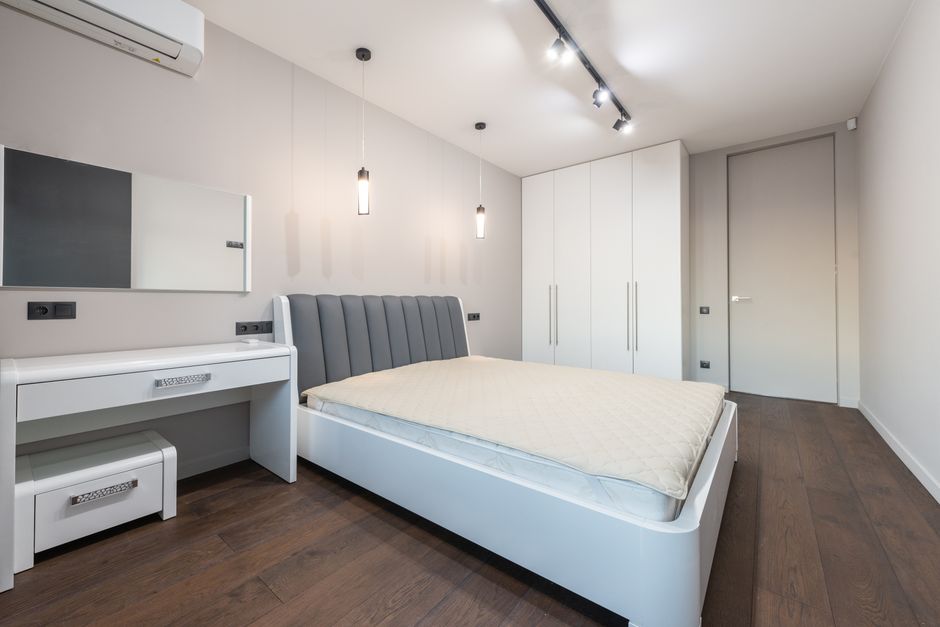
A design hotel is the wrong buy when you need a standard room layout, a guaranteed desk, silent corridors, step-free access or a familiar chain system. Historic buildings create stairs, small lifts, odd corners and uneven room categories. Small properties may have no 24-hour front desk, no full restaurant and limited staff after midnight. A striking bathroom may lack a door. A central lobby may stay busy until late. Those are not minor details if you are travelling for work, managing mobility needs or arriving after a long journey.
Choose the practical alternative without apologising
For a work-heavy trip, choose the hotel with the better desk, sound control and breakfast hours, even if the lobby looks ordinary. For a multi-generational trip, choose reliable lifts, larger bathrooms and room adjacency over a clever renovation. For a short stop near a station or airport, location and transfer time beat a perfect material palette. The mistake is not choosing a conventional hotel. The mistake is paying for design features that fight your reason for travelling. A genuine design hotel should make your stay easier or richer. If it adds friction without adding value, book the simpler place.
How to test a design hotel in 15 minutes before booking
My recommendation: run the evidence test, then book
Do not book from the first gallery image. Give the hotel 15 minutes and force the promise into practical facts. This is the fastest way to separate a coherent property from a styled listing.
- Minute 1–3: Read the building history. Write down what existed before the hotel and what constraint shaped the conversion.
- Minute 4–6: Study three room categories. Compare windows, bathrooms, storage, desk space and noise exposure. Never assume the cheapest category shares the hero room’s strengths.
- Minute 7–9: Read recent reviews and search for repeated operating details: lift noise, air conditioning, blackout curtains, water pressure, check-in delays and breakfast queues.
- Minute 10–12: Contact the hotel with one specific question about the room you want. Judge the answer for knowledge and clarity, not warmth alone.
- Minute 13–15: Compare the hotel’s public spaces with your itinerary. If you will spend most of the day outside, do not pay extra for a lobby you will never use. If you plan to stay in, confirm the room can support that.
Book the strongest evidence, not the strongest image
The final decision should be blunt. Choose the hotel whose architecture explains the place, whose service understands the idea and whose practical details survive scrutiny. For a quiet, intimate stay, Ett Hem is the better model. For a building-led experience, The Silo is the stronger choice. For a lively urban base, Ace Hotel New York makes more sense. The photograph gets the click. The operating details decide the trip.
