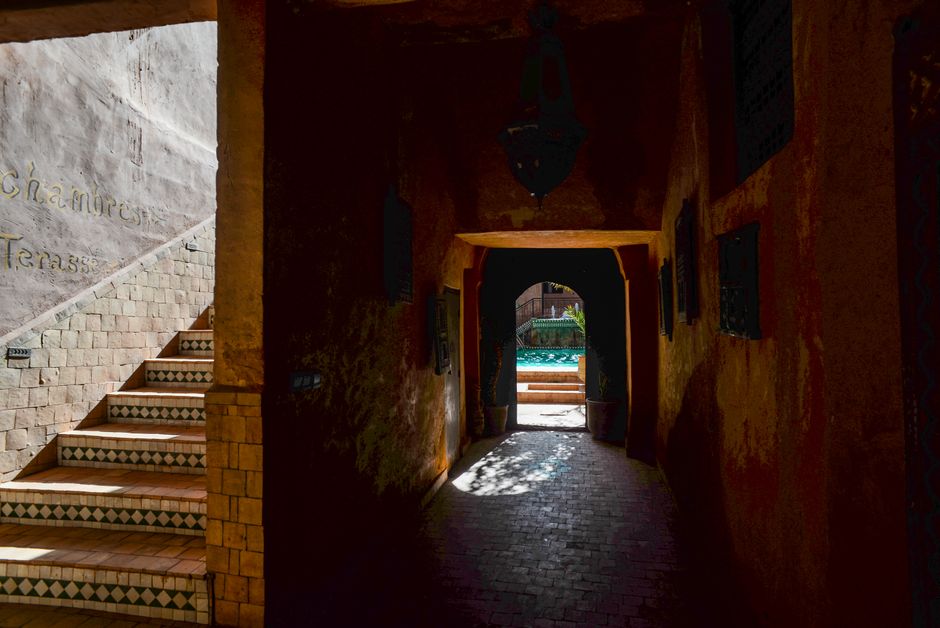
Marrakech has hundreds of riads, but very few deserve a place on a design hotel shortlist. The best properties combine a strong visual identity with quiet rooms, competent service, and a location that does not turn every arrival into a luggage exercise.
What Does a Riad Stay Actually Feel Like?
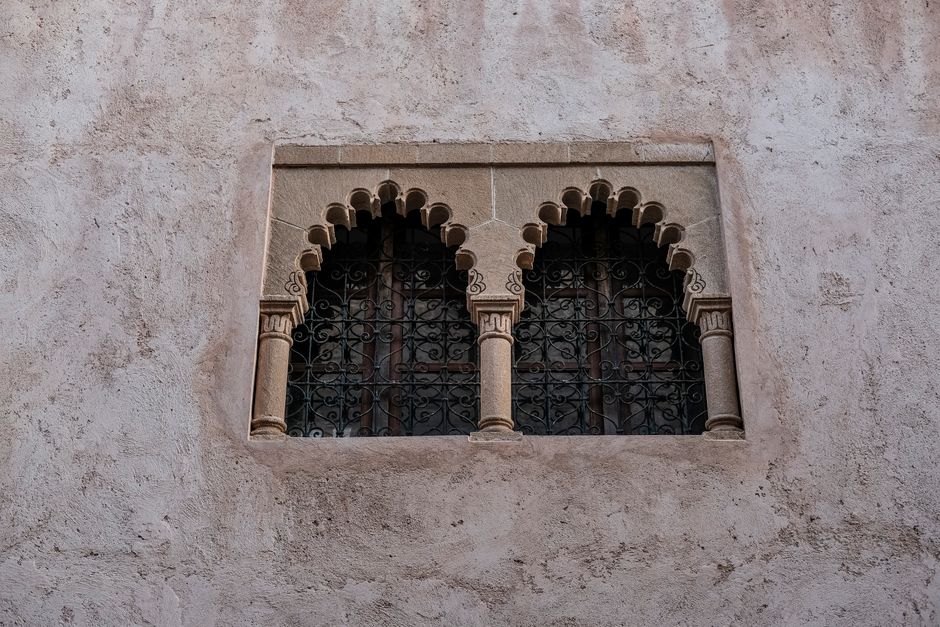
A riad is an inward-facing house built around a courtyard, so the room may have no street view at all; the reward is a cool, private centre with plants, water, tile, and shade that shuts out much of the Medina noise once the heavy door closes.
The courtyard is the point
The courtyard house solves a basic problem of old-city living: it turns a dense, noisy urban plot into a private climate system, with thick walls, a shaded centre, and upper terraces that catch air and light without exposing every room to the street.
The silence has limits
A beautiful riad can still have narrow stairs, uneven floors, a small plunge pool instead of a swimming pool, and a bedroom reached through several courtyards, so the right choice is the property whose compromises match your trip rather than the one with the most dramatic entrance photo.
For design-minded travellers, that inward focus is the attraction, not a defect; for guests who want a large lobby, lift access, gym, broad city views, and a car at the front door, a modern hotel outside the Medina is the smarter purchase.
How to Choose the Right Medina Location and Room
Location matters more inside Marrakech’s Medina than a map suggests. Two riads can sit only 800 metres apart while one offers a straightforward walk from a taxi drop-off and the other requires a porter, three turns, and a negotiation with a scooter rider. Choose the route before you choose the room.
Start with the edge of the Medina
Dar el Bacha, Bab Doukkala, and the area near Mouassine are the best starting points for a first design-focused stay. They keep you close to restaurants, galleries, hammams, and the souks while giving taxis a better chance of stopping near a recognised gate. The central area around Jemaa el-Fna is more convenient for sightseeing, but it brings more evening noise and heavier foot traffic. The southern lanes near Bahia Palace feel atmospheric and historic, yet they can be slower to reach after dinner.
My clear choice for a first visit is the Dar el Bacha or Mouassine edge. You can walk into the old city quickly, leave it without a long maze, and reach newer districts by taxi when the heat or crowds become tiring.
Read the room plan, not just the room name
Ask for the exact room area and position before paying. A 15m² room with a private terrace may suit a two-night city break, but it becomes frustrating during a week-long trip when luggage has to stay on the floor. A 25m² room gives two adults a usable circulation path, while 30 to 35m² is the better target for a longer stay or a room with a separate seating area.
Check the bathroom layout as well. Open bathrooms look stylish in photographs but offer little privacy, and a deep traditional tub may be useless if you prefer a fast shower. Ground-floor rooms can be easiest for luggage and mobility, but they may face the busiest courtyard. Upper rooms often feel quieter and brighter, but they demand more stair climbing.
Price the arrival, not just the night
Many Medina streets are pedestrian-only. Confirm the nearest taxi drop-off, the walking distance from that point, and if the property sends someone to meet first-time arrivals. A €20 airport transfer can be good value if it takes you to the correct gate and gets your bags to the door; a cheaper independent taxi is a false saving if you spend 30 minutes lost with luggage in the dark.
Also ask about tourist tax, breakfast, airport transfer, late arrival, and dinner cancellation rules. A room listed at €160 can cost more than a €180 room once breakfast, transfer, tax, and a paid late check-in are added. The best room is not the cheapest listing. It is the one with a clear arrival plan, enough floor area, and no major surprise in the small print.
What to Check Before Booking a Boutique Riad
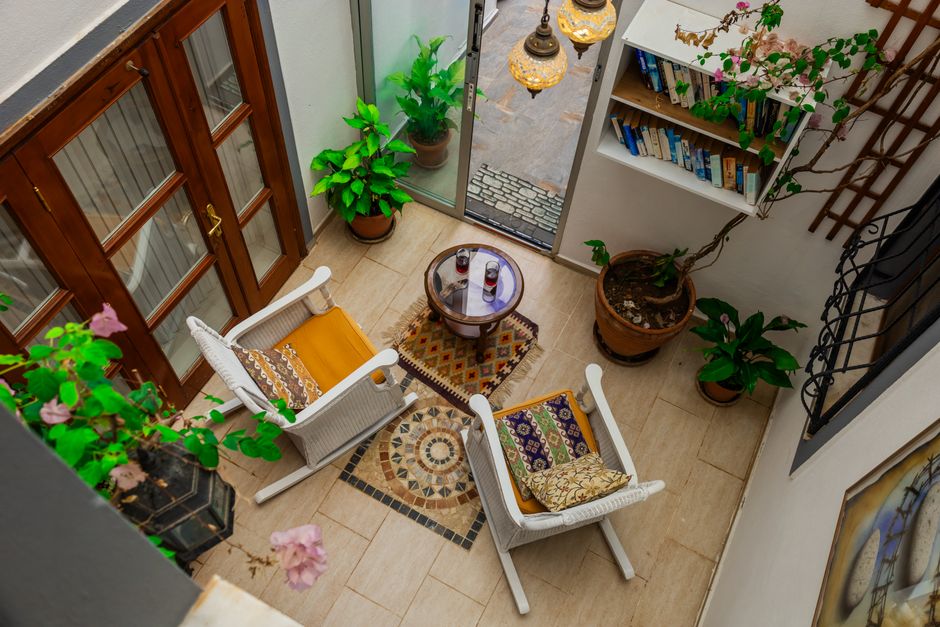
Pretty interiors do not prove good operations. Use this checklist before committing, especially when the property has fewer than ten rooms and limited public review history.
Use this booking checklist
- Confirm the exact Medina neighbourhood and nearest taxi access. Ask for the gate name or a map pin, not only the property address.
- Check the room’s square metres, bed width, bathroom privacy, window position, and stair count. A photo cannot show all five.
- Ask if air conditioning and heating work in every room. Marrakech evenings can feel cold outside summer, and thick walls hold heat after sunset.
- Find out if the plunge pool is heated. Many riads show a pool in photographs, but it may be decorative or too cold for regular swimming.
- Read the arrival policy. Some properties require a staff escort from the drop-off point, while others expect guests to find the entrance alone.
- Check breakfast timing and dinner service. A late breakfast can be a problem if you have a dawn excursion, and a beautiful rooftop is not useful if meals finish early.
- Review cancellation terms, deposit rules, tourist tax, and transfer costs in the same currency as the room rate.
The mistakes that cost travellers most
The biggest mistake is booking by rooftop alone. The second is assuming every riad has hotel-style sound insulation. Courtyards carry footsteps, dishes, voices, and music from room to room. If you sleep lightly, request an upper room away from the kitchen and pool. The third mistake is assuming a small property has a lift, gym, full-service reception, or 24-hour room service. Most do not, and that is part of the house-style experience.
Do not book a traditional riad for a fully frictionless city break. Stairs, dim lanes, short walking transfers, and slower service are normal trade-offs. Book one when the architecture, privacy, personal welcome, and neighbourhood access matter more than a large lobby and predictable chain-hotel layout.
Which Boutique Riad Fits Your Marrakech Trip?
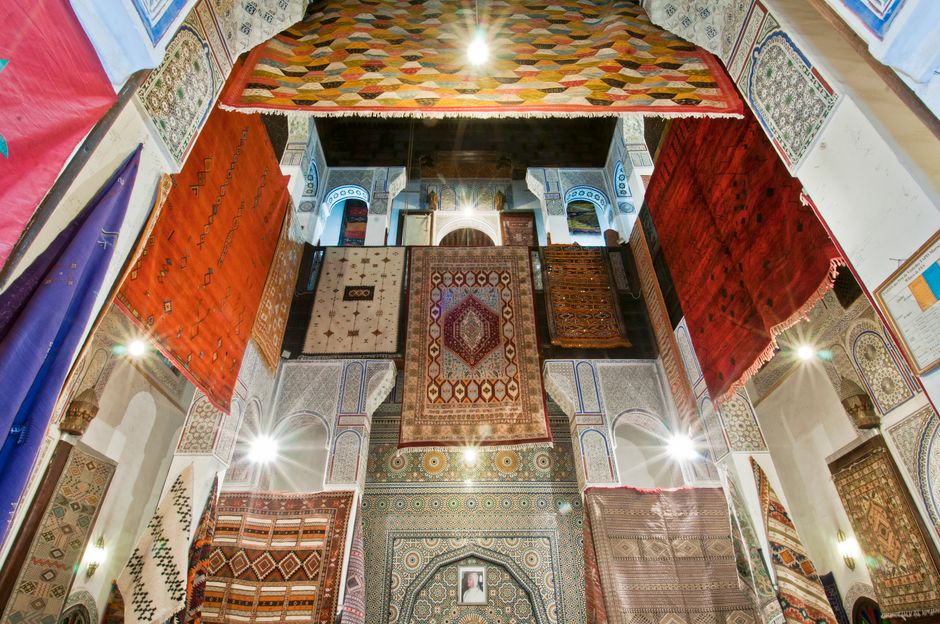
Choose the property by the trip you are actually taking. A two-night shopping break needs central access and a painless arrival. A honeymoon needs privacy, room space, and a pool or terrace that works beyond one photo. A design-led weekend can justify a higher rate for stronger interiors, while a longer stay needs usable storage, breakfast timing, and a room large enough to live in.
Is a riad better than a modern Marrakech hotel?
For atmosphere, privacy, and direct contact with the old city, a riad is better. You sleep inside a restored Medina house rather than a standard hotel block, and the courtyard gives the stay a strong sense of place. A modern hotel is better for lifts, large pools, broad views, accessible entrances, full gyms, and consistent room layouts. Choose the riad when the building is part of the reason for travelling.
Which riad is best for a first visit?
Riad Roca is the easiest value choice because it sits in Kennaria, lists rooms from €134, and keeps the property small. Riad Sakkan is the stronger upgrade because it adds a more developed design language, a Michelin Key distinction, and a clearer range of room categories. Choose Riad Yasmine if a quieter, greener courtyard matters more than being close to every major sight.
Which riad is best for a special occasion?
El Fenn is the most memorable choice for guests who want colour, art, rooftop dining, pools, and a full hotel experience inside the Medina. Le Farnatchi is better for a quieter celebration built around a large suite, personal service, and traditional Moroccan craft. Riad Sakkan sits between those two: polished enough for a milestone, restrained enough to remain intimate.
The final rule is simple: book the building, the arrival route, and the room plan together. Design wins the first impression, but usable space, quiet nights, and competent arrival service decide if the stay is genuinely good.
| Trip type | Best choice | Why | Published starting point |
|---|---|---|---|
| Best overall design stay | Riad Sakkan | Michelin Key, three historic riads, clear room categories, calm service-led atmosphere | From €210 |
| Best for bold interiors and facilities | El Fenn | Art, colour, pools, spa, restaurants, and a large rooftop inside the Medina | From €342 |
| Best value central stay | Riad Roca | Six rooms, Kennaria location, contemporary Moroccan design, breakfast included | From €134 |
| Best quiet couple’s stay | Riad Yasmine | Eight bedrooms, bright courtyard, leafy setting, rooms from 25m² | From €160 |
| Best traditional luxury | Riad Kniza | Classic craft, heritage atmosphere, and a wide room range in Bab Doukkala | From €260 |
| Best for large suites | Le Farnatchi | Spacious suites, breakfast, arrival transfer, and private-house service | From 3,200 MAD in selected months |
