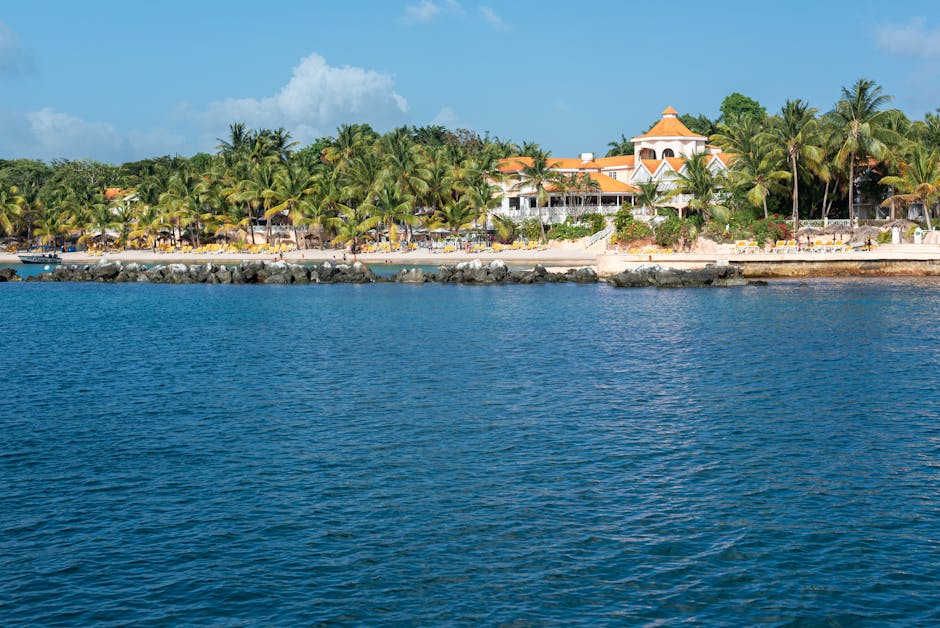
Choosing a honeymoon destination for September requires a sophisticated understanding of global weather transitions and the strategic use of seasonal pricing shifts. This month acts as a significant pivot point in the travel industry; while the Northern Hemisphere begins its descent into autumn, the Southern Hemisphere awakens to spring, and the tropics face their most volatile meteorological phase. For the discerning couple, this period offers a rare opportunity to access ultra-luxury experiences at a fraction of their mid-summer costs, provided they navigate the specific risks associated with this calendar window.
The primary advantage of a September departure is the erosion of “over-tourism” in traditional luxury hubs. Data from global hospitality analytics suggests that foot traffic in major European coastal cities drops by as much as 40% after Labor Day. This shift transforms the guest experience from one of logistical management to one of genuine intimacy. You aren’t just looking for a beautiful beach; you are looking for a micro-climate that defies the seasonal norm and a service environment that is no longer strained by peak-season occupancy rates.
Is September a Good Month for a Honeymoon? Weather and Value Analysis
To determine if September aligns with your honeymoon goals, we must analyze the trade-offs between the Atlantic hurricane season and the Mediterranean shoulder season. Statistically, September is the peak of the Atlantic hurricane season, with the highest frequency of named storms occurring between August 20th and October 10th. For many, this immediately disqualifies the Caribbean. Yet, this broad generalization overlooks the Southern Caribbean, which remains statistically safe. If your heart is set on white sands and turquoise waters, the risk-reward ratio in specific latitudes is actually quite favorable.
Conversely, the Mediterranean is transitioning into its most refined state. The intense, often oppressive heat of July and August dissipates, replaced by a more temperate climate that remains conducive to swimming but comfortable for exploration. The Aegean Sea, for instance, retains its thermal mass well into October, meaning the water temperature in Santorini during September often mirrors that of late June (approximately 75°F/24°C). You gain the warmth without the suffocating density of peak-summer tourist volume. This is the “sweet spot” for couples who value dinner reservations at high-demand restaurants and unobstructed views of the sunset without the interference of cruise ship crowds.
The financial aspect cannot be ignored. A deep dive into five-star resort pricing in the Amalfi Coast reveals that the “high season” premium begins to erode after the first week of September. While you might pay $1,500 per night for a sea-view room in August, that same room often drops to $1,100 by mid-September. Over a ten-day honeymoon, this $4,000 difference can be reallocated toward private yacht charters or upgraded business-class flights. You are essentially buying a higher tier of luxury for the same capital outlay required a month earlier. Furthermore, many luxury properties offer “stay 4, pay 3” incentives during this window to maintain occupancy levels as the family travel market retreats.
Planning a honeymoon in this window requires a shift in perspective: you are trading the guarantee of blistering heat for the guarantee of more intimate, sophisticated service and better logistical flow. It is the connoisseur’s month for travel.
Which Caribbean Islands Are Safest from Hurricanes in September?

For couples who insist on a tropical Caribbean backdrop but fear the volatility of the storm season, the ABC Islands—Aruba, Bonaire, and Curaçao—represent the most data-backed choice. Located south of the traditional hurricane belt, these islands have a less than 5% annual chance of being affected by a tropical cyclone. This geographic advantage makes them the premier Caribbean honeymoon destinations for September, offering peace of mind that northern neighbors like the Bahamas or the Virgin Islands cannot provide during this specific month.
Aruba: The Reliability Leader
Aruba is characterized by its arid climate and constant trade winds, which provide a natural cooling effect against the 89°F (32°C) average highs. Unlike the lush, humid islands of the Northern Caribbean, Aruba feels like a desert meeting the sea. The primary honeymoon hub is Eagle Beach, home to the Bucuti & Tara Beach Resort. This adults-only property is a leader in sustainable luxury, holding a CarbonNeutral certification.
Specs: The Tara Oceanfront Suites offer 500+ square feet of living space with direct views of the Caribbean.
Price: Approximately $750 – $900 per night in September.
Pros: Guaranteed tranquility; no children allowed; exceptionally high staff-to-guest ratio.
Cons: The landscape is arid and cacti-filled, which may not fit the “lush jungle” aesthetic some couples desire.
Curaçao: The Cultural Alternative
Curaçao offers a more rugged, authentic experience compared to the highly commercialized corridors of Aruba. The capital, Willemstad, is a UNESCO World Heritage site featuring Dutch colonial architecture in pastel hues. For honeymooners, Baoase Luxury Resort provides an ultra-exclusive enclave with a Balinese-inspired design that is unique to the region.
Specs: Private villas often feature outdoor stone tubs, private plunge pools, and 1,000+ square feet of indoor-outdoor living space.
Price: Around $850 – $1,200 per night.
Pros: Extreme privacy; world-class dining on a private beach.
Cons: The island’s best natural beaches (Kenepa Grandi) are a 45-minute drive from the main luxury hotel hubs, necessitating a rental car for exploration.
Below is a comparative look at the Southern Caribbean options for a September honeymoon:
| Destination | Avg. Temp (High) | Rainy Days (Avg) | Primary Vibe | Luxury Resort Recommendation |
|---|---|---|---|---|
| Aruba | 89°F (32°C) | 3 | Pristine & Windy | Bucuti & Tara Beach Resort |
| Curaçao | 91°F (33°C) | 4 | Cultural & Secluded | Baoase Luxury Resort |
| Bonaire | 88°F (31°C) | 5 | Rustic & Diver-focused | Harbour Village Beach Club |
Top European Honeymoon Destinations with Warm Weather in September
Europe in September is perhaps the most refined travel experience available. The “Meltemi” winds of the Aegean begin to die down, making boat travel between Greek islands significantly smoother. If your honeymoon vision involves linen shirts, seaside terraces, and historic exploration, the Mediterranean is objectively superior in September than it is in July, when the heat can make midday sightseeing physically exhausting.
Santorini, Greece: The Classic Choice
The caldera of Santorini is the quintessential honeymoon image. In September, the crowds that clog the narrow streets of Oia for sunset begin to thin, allowing for a more personal experience. Grace Hotel, Auberge Resorts Collection, is a standout choice, carved into the cliffside of Imerovigli.
Specs: Junior Suites feature 400 square feet of space and private heated plunge pools overlooking Skaros Rock.
Price: $1,400 – $1,800 per night.
Pros: Unrivaled sunset views; bespoke service where staff remembers your preferred breakfast.
Cons: The vertical nature of the property means hundreds of stairs; not suitable for those with mobility issues.
The Amalfi Coast, Italy: Post-Peak Romance
The stretch of coastline from Positano to Ravello is notoriously difficult to navigate in the summer due to traffic. By mid-September, the ferries are less crowded, and the lemon groves are in full scent. Monastero Santa Rosa in Conca dei Marini is a converted 17th-century monastery that offers a more secluded alternative to the bustling hotels of central Positano.
Specs: 20 rooms and suites, each with ocean views and heated floors.
Price: Around $1,100 per night.
Pros: One of the best infinity pools in the world; Michelin-starred dining on-site.
Cons: Requires a shuttle or taxi to reach Positano or Amalfi (approx. 15-20 minutes).
The Balearic Islands, Spain: The Modern Mediterranean
For couples seeking a blend of high-end beach clubs and rustic farmhouse luxury, Mallorca and Ibiza are prime in September. The water remains at its peak temperature, yet the “party” crowds of August have largely departed. Cap Rocat in Mallorca, a former military fortress, offers a level of architectural drama that is hard to match.
Specs: “Sentinels” suites are carved into the rock, providing total isolation.
Price: $950 – $1,300 per night.
Pros: Unique historical setting; private rock-cut swimming access.
Cons: The property is expansive; getting from your room to the main restaurant can be a long walk.
The South Pacific: The Dry Season Gem
While much of the world is transitioning, French Polynesia is in its prime dry season during September. This is the optimal time for couples who want the overwater bungalow experience without the humidity and rain of the tropical summer (which begins in November). The visibility for snorkeling and diving is at its annual peak, often exceeding 100 feet.
Bora Bora: The Overwater Standard
Bora Bora remains the “gold standard” for a secluded, water-focused honeymoon. The St. Regis Bora Bora Resort offers some of the largest overwater accommodations in the South Pacific.
Specs: Overwater villas start at 1,550 square feet, featuring glass floor panels to view the lagoon life.
Price: $2,200 – $3,500 per night.
Pros: Massive villas; “Lagoonarium” for private snorkeling; 24-hour butler service.
Cons: Extremely high food and beverage costs (expect $30+ for a cocktail); long travel time from Europe or the US East Coast.
African Safaris and Island Escapes: Why September is Prime Time
For couples seeking a departure from the traditional beach-only itinerary, September is arguably the best month for a combined safari and island honeymoon. In East Africa, this marks the tail end of the dry season. For the traveler, this means wildlife is easier to spot as animals congregate around dwindling water holes, and the vegetation is less dense, providing clearer sightlines for photography.
The Great Migration in Kenya and Tanzania
September is a critical month for the Great Migration in the Maasai Mara. The river crossings—where thousands of wildebeest and zebra brave crocodile-infested waters—are at their peak. A stay at Angama Mara provides a front-row seat to this spectacle, situated on the edge of the Oloololo Escarpment.
Specs: Tented suites with 11-meter wide floor-to-ceiling glass fronts.
Price: $2,000 – $2,500 per person, per night (all-inclusive).
Pros: Direct access to the Mara Triangle; private airfields; “Out of Africa” filming locations.
Cons: High physical demand; 5:00 AM wake-up calls are standard for the best sightings.
Mauritius: The Perfect Island Extension
After the dust of a safari, many couples fly to Mauritius. September is the start of spring in the Southern Hemisphere. The weather is dry, the humidity is low, and the temperatures are a comfortable 75°F to 80°F. One&Only Le Saint Géran is the gold standard for Mauritian luxury.
Specs: 143 rooms and suites, all with outdoor space and 24-hour butler service.
Price: Rooms starting at $900 per night.
Pros: Exceptional water sports program; sheltered lagoon on the private peninsula.
Cons: The eastern side of the island can be windy; ensure your room is lagoon-facing for maximum calm.
| Region | Top Destination | Weather Outlook | Travel Complexity | Avg. Nightly Cost (Luxury) |
|---|---|---|---|---|
| South Pacific | Bora Bora | Dry & Sunny | High (Multiple Flights) | $2,500 |
| East Africa | Maasai Mara | Dry & Cool Mornings | Medium (Bush Flights) | $2,200 (PPPN) |
| Indian Ocean | Mauritius | Spring / Mild | Medium | $900 |
Strategic Planning: Avoiding Common September Honeymoon Pitfalls
While September offers high value, it also contains logistical traps that can disrupt a honeymoon if not managed properly. Awareness of these three factors is essential for a seamless trip.
1. The Seasonal Closure Trap
In certain parts of Europe—specifically the smaller Greek islands or the French Riviera—seasonal restaurants and “beach clubs” begin to close their doors by the third week of September. If your honeymoon vision depends on a specific venue (like La Fontelina in Capri), verify their closing dates before booking your flights. Most high-end establishments remain open, but the “vibe” can shift from high-energy to sleepy very quickly after September 20th.
2. The Necessity of CFAR Insurance
If you choose a destination in the Caribbean (outside of the ABC islands) or the Southeast United States, “Cancel for Any Reason” (CFAR) insurance is mandatory. Standard travel insurance often only covers “interruption” due to a storm that has already been named. CFAR allows you to pull the plug five days out if you see a tropical depression forming, preserving your capital to rebook in a safer meridian like the Mediterranean.
3. The Southern Hemisphere Spring Transition
Couples heading to South Africa or Australia in September must pack for “four seasons in one day.” While the days are warming up, the evenings remain quite cold (low 50s°F). This requires a more complex packing list than a simple tropical honeymoon. If you aren’t prepared for the temperature swing, the evening game drives or outdoor dinners can become uncomfortable.
Ultimately, the best honeymoon destination in September is the one that aligns with your tolerance for risk and your desire for activity. September isn’t a month of compromise; it is a month of strategic selection. By choosing the Southern Caribbean for safety, the Mediterranean for value, or the South Pacific for peak weather, you can ensure your first trip as a married couple is defined by luxury rather than logistics.
