You have 90 minutes before the rain starts, your hotel check-in closes, or your travel group loses patience. The plan says six food stops. After one wrong turn, one long queue, and a full bowl of noodles, you have tasted one dish and walked past four places you wanted to try. The surprising math is simple: a compact three-stop route can deliver more variety than a ten-stop checklist spread across a city. The winning strategy for Asia city food walks is not eating faster. It is cutting wasted movement, choosing small portions, and placing each stop in the right order.
Build the route around a compact neighborhood
The best food walk starts with geography, not a famous restaurant list. Pick one district where several food styles sit within a 10- to 15-minute walking radius. That keeps your time focused on tasting instead of crossing wide roads, waiting for trains, or searching for an address hidden inside a shopping centre. For a short walk, density beats fame.
Use a 15-minute walking radius
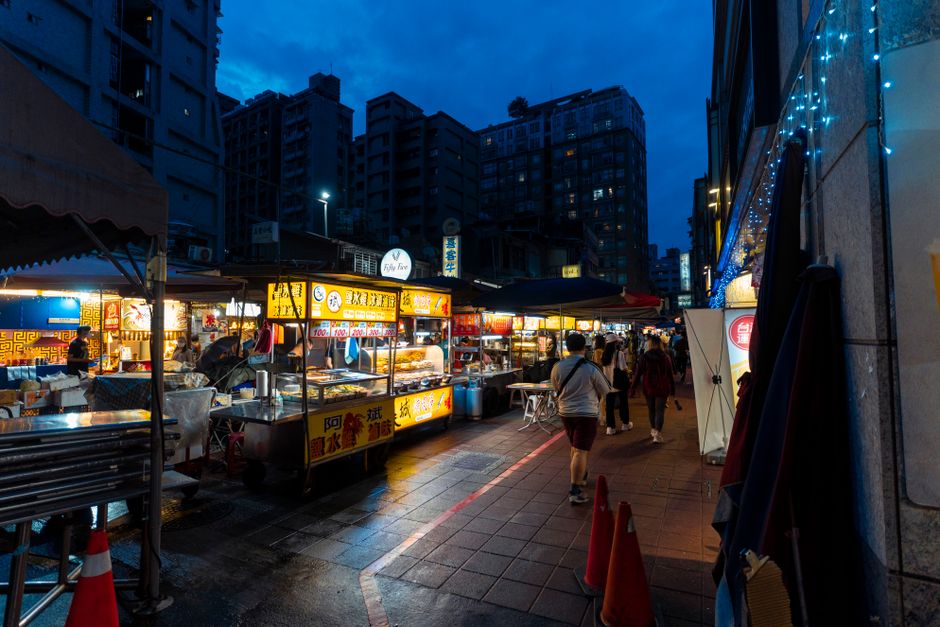
Mark your starting point, then draw an informal circle that takes no more than 15 minutes to cross on foot. In Bangkok, Yaowarat works because noodles, grilled seafood, sweets, and drinks cluster along a narrow corridor. In Osaka, the lanes around Dotonbori and Hozenji offer a similar advantage. Singapore’s Chinatown and Maxwell area create another compact route, with hawker dishes close enough to compare in one sitting. If a stop sits outside the circle, remove it unless it offers a dish you cannot replace nearby.
Choose one food anchor
Give the walk one anchor: a night market, hawker centre, covered arcade, or historic street. The anchor solves two problems at once. It gives you a clear meeting point, and it provides backup options when a stall has closed or the queue becomes unreasonable. My firm recommendation is to place the anchor in the middle of the route, not at the end. That lets you adjust the second half without losing the best part of the evening.
Rank food stops by service time, not fame
Start with food that arrives quickly
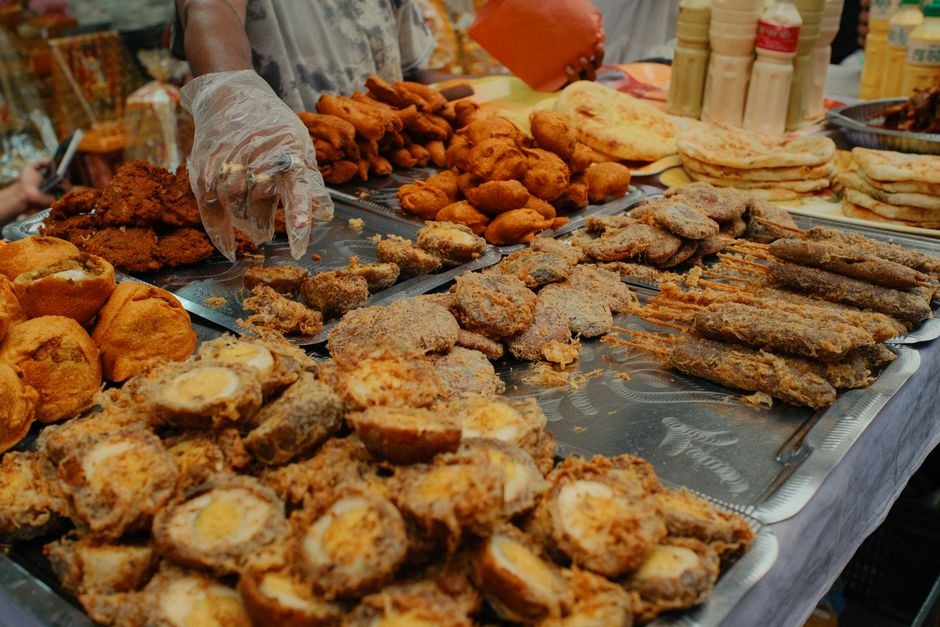
Your first stop should build momentum. Pick a skewer, dumpling, takoyaki portion, toast, or small pastry that can reach the table in under 15 minutes. This protects the route from an early delay and gives everyone something to eat while you decide on the next stop. Avoid starting with a full bowl of soup or a large platter. Heavy food makes later tasting harder.
Save the slowest dish for the middle
The middle stop can handle a longer queue because the group has already eaten. Set a hard limit before joining: 20 minutes for a casual walk, 30 minutes for a dish with a strong local reputation. If the line passes that limit, move to the backup. The clear winner is the route with three confirmed options and two nearby substitutes, not the route built around one viral stall.
Choose cities where small portions create variety
Osaka is the strongest choice for first-time food walkers because many popular dishes come in shareable portions and the entertainment districts sit close together. Bangkok offers more intensity and lower prices, while Singapore gives you the easiest ordering system inside organized hawker centres. Choose the city whose food structure matches your available time.
Bangkok: bold flavors for the smallest budget
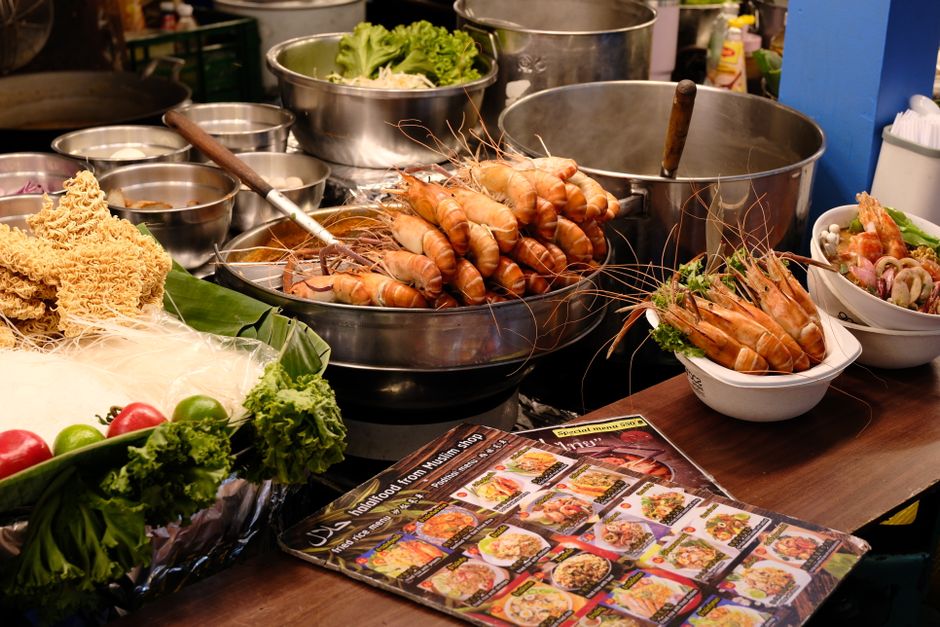
Build a Yaowarat walk around grilled pork skewers, a small bowl of boat noodles, mango sticky rice, and one cold drink. A realistic street-food budget is about 250–500 baht per person for four small tastes, depending on seafood and seating. Start before the main dinner rush if you dislike heat and crowds. Bangkok rewards movement, but traffic noise, humid weather, and uneven pavements make a route longer than the map suggests. Add 20 percent to every walking estimate.
Osaka: the best city for shared plates
Order one takoyaki serving for two or three people, then split okonomiyaki, kushikatsu, or a small dessert. Typical casual portions often fall around ¥600–1,500, so two people can sample several dishes without ordering a full meal at every stop. Dotonbori is convenient but busy. Hozenji Yokocho and nearby side streets offer a calmer final stretch. Pick Osaka when your group enjoys comparing textures and sauces rather than chasing one large main course.
Singapore: the easiest route for mixed appetites
Hawker centres make group ordering simple because each person can choose a different stall while everyone shares one table. Plan chicken rice, laksa, satay, and a small dessert across two centres only if they sit close together. A practical budget is S$15–30 per person for three or four modest portions. Singapore is the best choice for families or groups with different spice limits because the food court format reduces negotiation time.
Use planning tools only when they save minutes
My recommendation is to use free mapping tools for logistics and spend your attention on the food. You do not need a paid tour to create a good walk, but you do need accurate opening hours, walking times, and a backup route.
Google Maps and OpenStreetMap handle the basic route
Google Maps costs nothing and lets you save a food district, download an offline map, and estimate walking time between stops. OpenStreetMap is also free and can reveal smaller alleys or pedestrian paths that a commercial map misses. Use both when an address looks vague. Check the entrance photo, not only the pin. Large markets often have several entrances, and the wrong one can add 10 minutes before the walk even begins.
Grab and Klook are optional, not the plan
Avoid the five mistakes that destroy a food walk
Food walks fail for predictable reasons. Most problems appear before the first dish arrives, so fix the route while it still exists on paper. The strongest rule is to protect tasting capacity as carefully as you protect walking time.
Do not spend the first 30 minutes searching
Save the exact stall name, district, opening window, and entrance before leaving. If a location has no clear address, choose a landmark beside it. Searching while hungry makes every nearby restaurant look like the answer, which leads to random choices and a route that drifts away from the original goal.
Do not order a full meal at every stop
Use the one-bite rule: one small item for each person, or one shareable portion for every two people. A noodle soup, rice plate, and dessert can fill one traveller quickly. Split mains, ask for small portions when available, and treat drinks as part of the budget. If a stall sells only large plates, make it the single meal stop and choose snacks elsewhere.
Do not ignore heat, rain, or closing times
In Bangkok, schedule the longest outdoor stretch after sunset. In Singapore, use a covered hawker centre during heavy rain. In Osaka, remember that some small restaurants close between lunch and dinner or stop taking orders early. Carry water, wear shoes with grip, and leave one 15-minute buffer. The best route is not the one with the most stops; it is the one that still works after one stall closes.
Copy this 90-minute food-walk schedule
This schedule works because it separates quick food from slow food and leaves room for one wrong turn. It also keeps the final stop light, so the walk ends with a taste rather than a food coma.
Adjust the schedule for your group
For children, replace the slow middle stop with two quick stalls. For older travellers, reduce the route to one kilometre and add a seated break. For serious eaters, keep the same timing but make the first and final stops optional. My verdict is firm: a 90-minute route with four planned tastes beats a three-hour walk that depends on constant improvisation.
Which food-walk format fits your trip?
The right format comes down to the kind of uncertainty you want to remove. Pick one before you open a map.
Should you choose a market crawl?
Choose a market crawl when you want maximum variety, low commitment, and quick ordering. Bangkok’s Yaowarat and Singapore’s hawker centres fit this format best. The trade-off is noise, limited seating, and less control over ingredients. This is my top choice for a first evening in a new city.
Should you book a sit-down food tour?
Book one when language barriers, dietary restrictions, or complicated reservations would waste more time than the tour costs. It is less flexible and usually covers fewer dishes, but a good guide can explain unfamiliar ingredients and move a group through busy streets. Do not book one simply because a route looks popular online.
Should you plan an independent neighborhood walk?
Choose an independent walk when you care about pace, photography, or repeat visits. Keep the district compact, save three stops plus two backups, and set a queue limit before you leave. For most travellers who want to taste more in less time, this format wins because it gives you control without turning dinner into a rigid schedule.
